
⏱️ 7 min read
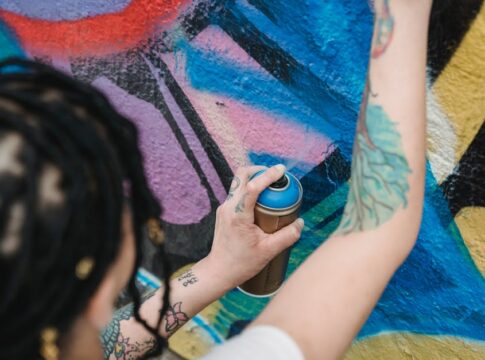
Street murals have transformed urban landscapes around the world, turning ordinary walls into extraordinary canvases that tell stories, provoke thought, and beautify communities. These large-scale artworks represent much more than simple decorations—they embody cultural movements, social commentary, and artistic innovation. The world of street murals is filled with fascinating history, surprising techniques, and remarkable achievements that reveal the depth and significance of this public art form.
Fascinating Insights Into the World of Street Murals
1. Ancient Origins Dating Back Thousands of Years
While street murals might seem like a modern phenomenon, their roots extend back to ancient civilizations. Cave paintings from over 30,000 years ago represent humanity’s earliest attempts at mural art. The ancient Egyptians adorned tomb walls with elaborate murals, while the Romans created stunning frescoes in Pompeii. The Mexican muralist movement of the 1920s, led by artists like Diego Rivera and David Alfaro Siqueiros, established many of the principles that contemporary street muralists still follow today. This historical lineage demonstrates that the human impulse to create large-scale public art is timeless and universal.
2. The Philadelphia Mural Arts Program Holds a World Record
Philadelphia boasts one of the largest public art programs in the world, with over 4,000 murals created since 1984. The Philadelphia Mural Arts Program began as an anti-graffiti initiative but evolved into a celebrated community arts project. This program has transformed the city into an open-air gallery, earning Philadelphia the unofficial title of “Mural Capital of America.” The initiative has not only beautified neighborhoods but also provided employment opportunities for artists and engaged thousands of community members in the creative process, demonstrating how street murals can serve multiple social functions beyond aesthetics.
3. Some Murals Require Months of Planning and Execution
Creating a large-scale street mural is far more complex than many people realize. Major murals can take anywhere from several weeks to several months to complete, depending on size, complexity, and weather conditions. Artists must consider factors such as wall texture, sun exposure, building height, and viewing angles. The planning phase involves creating detailed sketches, obtaining permits, coordinating with building owners, and sometimes engaging with community stakeholders. Large murals often require scaffolding, cherry pickers, or even rappelling equipment, making the physical execution a challenging feat that combines artistic skill with athletic ability and engineering knowledge.
4. Special Weather-Resistant Paints Ensure Longevity
Street murals face constant exposure to the elements, requiring specialized materials that can withstand rain, sun, pollution, and temperature fluctuations. Modern muralists typically use high-quality acrylic or elastomeric paints specifically formulated for outdoor use. These paints contain UV inhibitors to prevent fading and binders that allow them to expand and contract with temperature changes without cracking. Many artists also apply protective sealants or anti-graffiti coatings to preserve their work. Despite these precautions, most outdoor murals have a lifespan of 10-20 years before requiring restoration, making them temporary monuments that reflect specific moments in community history.
5. The World’s Largest Mural Covers Over 70,000 Square Feet
The title for the world’s largest mural has been contested and claimed by various projects globally. One notable contender is “Aqua Marina” in Rio de Janeiro, Brazil, created by artist Eduardo Kobra in preparation for the 2016 Olympics. This massive mural celebrating Brazil’s indigenous tribes covered approximately 32,000 square meters (over 344,000 square feet) when completed. Other record-breaking murals include expansive works in Dubai and India. These supersized artworks require teams of artists, extensive planning, and significant financial investment, but they create landmark destinations that attract tourists and instill community pride.
6. Murals Can Significantly Increase Property Values
Research has shown that street murals can have tangible economic impacts on neighborhoods. Well-executed murals often lead to increased foot traffic, higher property values, and greater commercial activity in surrounding areas. A study in Philadelphia found that properties near murals experienced less depreciation than those without nearby public art. Murals can rebrand struggling neighborhoods, attract new businesses, and create distinctive identities that draw visitors. This economic benefit has led many cities to invest in mural programs as part of urban revitalization strategies, recognizing that art can be a catalyst for broader community development.
7. Some Artists Create Stunning 3D Optical Illusions
Trompe-l’oeil, French for “deceive the eye,” represents a specialized mural technique that creates convincing three-dimensional illusions on flat surfaces. Street artists have elevated this technique to astonishing levels, creating murals that appear to show buildings crumbling, deep chasms opening in walls, or figures stepping out of surfaces. Artists like John Pugh and Eric Grohe have become famous for their hyperrealistic murals that make viewers question what’s real and what’s painted. These optical illusion murals require advanced understanding of perspective, lighting, and human visual perception, representing the pinnacle of technical skill in mural art.
8. Murals Serve as Powerful Tools for Social Justice
Throughout history, murals have provided marginalized communities with a public voice. From the Chicano movement murals of Los Angeles to the political murals of Northern Ireland’s “Troubles” to contemporary Black Lives Matter murals, these artworks communicate messages that might otherwise go unheard. Murals can commemorate important figures, document historical injustices, celebrate cultural identity, and call for social change. Their public visibility makes them democratic art forms accessible to everyone, regardless of education or economic status. Many contemporary muralists see their work as activism, using public walls to challenge injustice and inspire collective action.
9. Technology Has Revolutionized Mural Creation
Modern muralists increasingly incorporate technology into their creative process. Digital projectors allow artists to project designs onto walls for precise scaling and outlining. Some artists use drones to photograph their works-in-progress and assess composition from aerial perspectives. Computer software helps visualize how designs will look on specific buildings before a single drop of paint is applied. Additionally, augmented reality apps now enable viewers to interact with murals through their smartphones, adding digital layers to physical artworks. Despite these technological advances, the fundamental act of applying paint to walls remains largely traditional, blending ancient techniques with modern tools.
10. Legal Distinctions Between Murals and Graffiti Vary Widely
The line between legal mural art and illegal graffiti often depends on permission rather than artistic merit. A mural is typically commissioned or permitted by property owners and city authorities, while graffiti is unauthorized. However, this distinction can be controversial, as some celebrated street artists began as illegal graffiti writers. Cities take different approaches to street art—some embrace it through legal walls and festivals, while others maintain strict anti-graffiti policies. Famous graffiti artist Banksy exists in a legal gray area, with some of his unauthorized works being preserved and protected by communities that value them. This complex relationship between street art, property rights, and public space continues to evolve as attitudes toward urban art change.
The Enduring Impact of Street Murals
Street murals represent one of the most accessible and impactful forms of public art, capable of transforming spaces, telling stories, and bringing communities together. From their ancient origins to modern technological innovations, from record-breaking sizes to intricate optical illusions, murals demonstrate the endless creativity of artists who work on urban canvases. These artworks serve multiple functions—beautifying neighborhoods, increasing property values, providing social commentary, and preserving cultural heritage. As cities worldwide continue to embrace street murals as valuable cultural assets, this art form will undoubtedly continue evolving, reflecting the concerns, celebrations, and dreams of the communities they serve. Whether viewed as temporary installations or lasting monuments, street murals enrich public life and remind us that art belongs to everyone.