

















1 / 20 Questions
0 Points

Which US state is famous for its spicy Cajun cuisine?

Texas

Florida

Louisiana

Alabama

Points won
0
Correct score
0%

More Quizzes

More Articles

How TikTok Created New Music Stars

How TikTok Created New Music Stars

⏱️ 5 min read

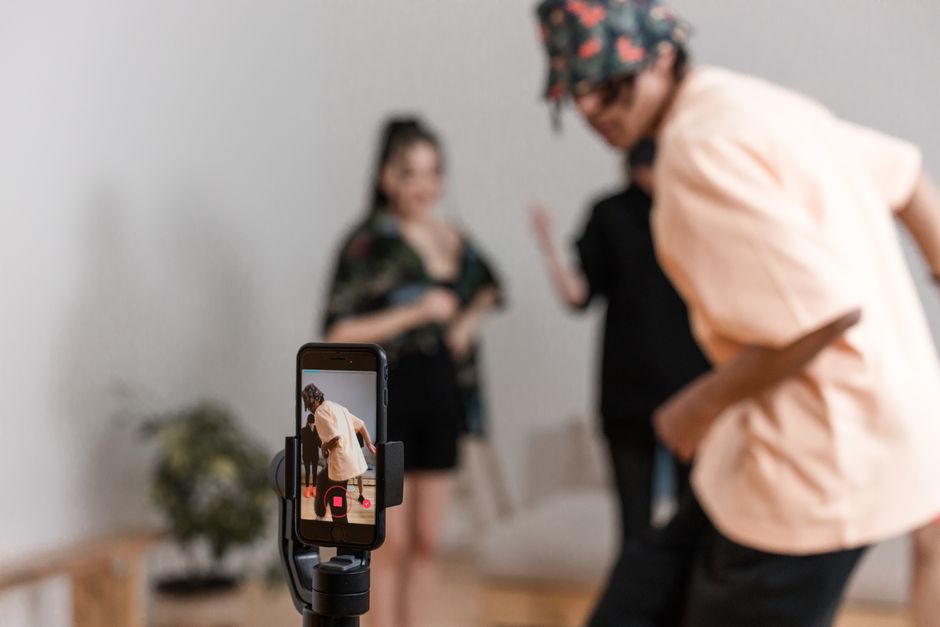
The music industry has undergone a radical transformation in recent years, with TikTok emerging as one of the most powerful platforms for launching musical careers. What was once a journey requiring record label support, radio play, and expensive marketing campaigns can now begin with a 15-second video clip that captures the attention of millions. This social media phenomenon has fundamentally altered how artists achieve fame and how music reaches audiences worldwide.

The Algorithm That Changes Everything

TikTok's unique algorithm has democratized music discovery in unprecedented ways. Unlike traditional social media platforms where follower count determines reach, TikTok's "For You Page" can catapult complete unknowns into viral sensations overnight. The algorithm prioritizes content engagement over existing popularity, meaning a user with zero followers can potentially reach millions if their content resonates with viewers.

This algorithmic approach has created opportunities for independent artists who previously struggled to break through traditional industry gatekeepers. The platform's music-centric design, where audio clips can be easily shared and remixed across countless videos, creates a viral feedback loop that can turn obscure songs into chart-topping hits within days.

Success Stories That Defined a Generation

Several artists have leveraged TikTok to transform from bedroom musicians to household names. Lil Nas X's "Old Town Road" became the blueprint for TikTok-driven success in 2019, demonstrating how a catchy song paired with viral video challenges could dominate both the platform and mainstream charts. The song spent a record-breaking 19 weeks at number one on the Billboard Hot 100, largely propelled by its TikTok popularity.

Olivia Rodrigo's "drivers license" benefited from massive TikTok exposure, with users creating emotional content around the heartbreak anthem. The song broke numerous streaming records and established Rodrigo as a major force in pop music. Similarly, Doja Cat revitalized her career through TikTok, with songs like "Say So" becoming viral dance challenges that translated into commercial success.

Independent artists like Gayle found breakthrough success with "abcdefu," which accumulated over 400 million streams after going viral on TikTok. The song's relatable lyrics and catchy melody made it perfect for the platform's short-form video format, proving that major label backing isn't always necessary for mainstream success.

The Mechanics of Viral Music Trends

TikTok's influence on music stems from several key mechanisms that make songs spread rapidly across the platform. Dance challenges have become one of the most effective methods for promoting music, with choreographed routines inspiring millions of users to create their own versions. When a dance trend catches on, the associated song receives exponential exposure as users repeatedly listen while learning and performing the moves.

Lip-sync videos allow users to connect with song lyrics in personal ways, often adding comedic or emotional interpretations that resonate with audiences. Sound bites and audio memes transform specific song segments into cultural touchstones, with users applying them to countless scenarios and contexts. This creative reuse extends a song's reach far beyond its original meaning or intent.

User-Generated Content as Marketing

The power of TikTok lies in turning every user into a potential promoter. When someone creates content using a particular song, they're essentially providing free marketing to their own followers and beyond. This organic promotion carries more authenticity than traditional advertising, as recommendations come from peers rather than corporations. The cumulative effect of thousands or millions of users creating content with the same audio clip can generate more exposure than any traditional marketing campaign could afford.

Changing Industry Dynamics and Artist Development

Record labels now actively scout TikTok for emerging talent, monitoring viral trends to identify promising artists before competitors do. This shift has compressed the traditional artist development timeline, with labels signing artists based on a single viral moment rather than years of building a local following. However, this rapid rise can present challenges, as artists must quickly scale from creating bedroom recordings to producing professional albums and performing live shows.

The platform has also changed how established artists release and promote music. Many musicians now create TikTok accounts specifically to connect with younger audiences and promote new releases. Artists strategically release snippets of upcoming songs on TikTok, using the platform as a testing ground to gauge audience reaction before official releases.

The Double-Edged Sword of Viral Fame

While TikTok offers unprecedented opportunities, it also presents unique challenges for emerging artists. The pressure to maintain viral momentum can be intense, with algorithms and audiences constantly seeking fresh content. Some artists struggle with being pigeonholed by their viral hit, finding it difficult to establish long-term careers beyond a single song that captured TikTok's attention.

Additionally, the shortened attention spans cultivated by TikTok's format may affect how music is consumed and created. Songs increasingly feature hook-heavy openings designed to capture attention within seconds, potentially influencing artistic choices and song structure across the industry.

The Future of Music Discovery

TikTok's impact on the music industry shows no signs of diminishing. The platform has become an essential component of music marketing strategies, with artists and labels investing significant resources into TikTok campaigns. As the platform evolves, it continues to shape not just how music is discovered, but how it's created, with artists increasingly considering TikTok potential during the songwriting process.

This new paradigm has permanently altered the relationship between artists, audiences, and the music industry. While traditional pathways to success still exist, TikTok has proven that talent combined with the right viral moment can circumvent conventional barriers, creating opportunities for diverse voices to reach global audiences and establish lasting musical careers.
Top 10 Movies With the Best Costume Design

Top 10 Movies With the Best Costume Design

⏱️ 7 min read

Costume design in cinema serves as a powerful storytelling tool, transforming actors into characters while establishing time periods, social hierarchies, and emotional atmospheres. The finest costume work transcends mere clothing to become an integral part of a film's visual language. From period dramas requiring meticulous historical research to fantasy epics demanding boundless imagination, exceptional costume design elevates cinematic experiences and often becomes as iconic as the films themselves. The following selections represent pinnacle achievements in the art of costume design, each earning recognition for their extraordinary contributions to filmmaking.

Exceptional Costume Design in Cinema

1. Marie Antoinette (2006) - A Modern Take on 18th Century Opulence

Sofia Coppola's biographical drama showcased costume designer Milena Canonero's magnificent interpretation of 18th-century French court fashion. The film featured over 100 custom-made gowns, incorporating historically accurate silhouettes with contemporary color palettes and fabrics. Canonero's work brilliantly captured the excess and frivolity of Versailles while making the period accessible to modern audiences. The costumes evolved throughout the film, reflecting Marie Antoinette's journey from Austrian princess to French queen. The designer's use of pastel colors, elaborate embroidery, and luxurious materials like silk and taffeta created a visual feast that earned the film an Academy Award for Best Costume Design.

2. Black Panther (2018) - Afrofuturism Meets Traditional African Design

Ruth E. Carter's groundbreaking work on Black Panther revolutionized superhero costume design by drawing inspiration from various African cultures. The designer researched traditional garments from the Maasai, Himba, Dogon, and Basotho peoples, adapting these elements into futuristic designs for the fictional nation of Wakanda. Each tribe within Wakanda received distinct visual identities through color schemes, patterns, and silhouettes. The Border Tribe's blue blankets referenced Basotho heritage, while the Dora Milaje's red armor incorporated Maasai beadwork. Carter's achievement in blending cultural authenticity with science fiction aesthetics earned her the first Academy Award for Costume Design won by an African American, making cinematic history.

3. The Grand Budapest Hotel (2014) - Whimsical European Elegance

Milena Canonero's second appearance on this list demonstrates her versatility, transforming Wes Anderson's quirky vision into sartorial reality. The costume design perfectly complemented Anderson's symmetrical cinematography and pastel color palette. Canonero created distinct looks for different time periods within the film, using purple as the signature color for the 1930s Grand Budapest Hotel staff. The concierge uniforms, featuring sharp lines and rich fabrics, conveyed both elegance and authority. Supporting characters wore meticulously detailed period-appropriate attire that enhanced the film's storybook quality while maintaining historical plausibility.

4. Phantom Thread (2017) - Post-War London Haute Couture

Mark Bridges captured the rarefied world of 1950s London haute couture in Paul Thomas Anderson's psychological drama. The designer created garments that functioned as both costumes and actual fashion pieces, reflecting the obsessive perfectionism of the film's protagonist, a renowned dressmaker. Bridges researched post-war British fashion houses and constructed dresses using period-appropriate techniques, including hand-stitching and traditional draping. The "Never Cursed" wedding dress, a pivotal element in the narrative, required weeks of detailed embroidery work. The costumes' construction became essential to the storytelling, illustrating themes of control, artistry, and obsession.

5. Lawrence of Arabia (1962) - Epic Desert Costuming

Phyllis Dalton's iconic work on David Lean's masterpiece established a gold standard for historical epic costuming. The designer faced the challenge of clothing hundreds of extras in authentic Bedouin attire while ensuring lead actors remained visually distinct in desert landscapes. T.E. Lawrence's white robes became one of cinema's most memorable costume pieces, symbolizing his transformation and cultural adaptation. Dalton researched extensively, consulting historical photographs and Middle Eastern textile experts to achieve authenticity. The flowing garments needed to function practically in harsh desert filming conditions while photographing beautifully in the extreme brightness of desert locations.

6. Chicago (2002) - Roaring Twenties Glamour and Seduction

Colleen Atwood brought Jazz Age decadence to life through sultry, form-fitting costumes that enhanced the musical numbers' choreography. The designer created over 1,500 costume pieces, each reflecting 1920s silhouettes while allowing performers freedom of movement during complex dance sequences. Atwood's palette of blacks, silvers, and golds created a sophisticated atmosphere, while strategic use of fringe, sequins, and beading added movement and visual interest. The iconic "Cell Block Tango" black lingerie looks became instantly recognizable, balancing historical accuracy with theatrical flair. Each principal character received a distinct color scheme that reflected their personality and role in the narrative.

7. My Fair Lady (1964) - Edwardian Elegance and Transformation

Cecil Beaton's legendary costume design showcased Eliza Doolittle's transformation from flower girl to lady through meticulously crafted garments. The film featured some of cinema's most elaborate costume work, including the famous Ascot Racecourse scene with its striking black-and-white ensembles. Beaton created the iconic black-and-white striped dress that became synonymous with the film, combining massive hats with coordinated parasols for a stunning visual statement. Eliza's progression was charted through increasingly sophisticated clothing, from tattered street wear to elegant gowns. The designer's backgrounds in fashion photography and theatrical design informed his cinematic approach, resulting in costumes that photographed magnificently.

8. The Favourite (2018) - Darkly Comedic Georgian Splendor

Sandy Powell's unconventional approach to 18th-century British court fashion perfectly matched the film's sardonic tone. The designer maintained historical silhouettes while incorporating modern fabrics and unexpected details, creating visually accurate yet distinctly stylized costumes. Powell used costume to illustrate power dynamics, with Queen Anne's elaborate gowns contrasting with Sarah Churchill's riding habits and Abigail Hill's servant attire. The designer's strategic use of black, white, and jewel tones created stark visual contrasts that emphasized the film's psychological warfare. Period-appropriate construction techniques were employed, but Powell wasn't afraid to prioritize dramatic effect over strict historical accuracy when serving the story.

9. Crouching Tiger, Hidden Dragon (2000) - Qing Dynasty Martial Arts Elegance

Tim Yip's costume design merged historical Chinese fashion with the practical demands of wire-fu martial arts choreography. The designer created flowing garments that moved beautifully during fight sequences while maintaining period authenticity. Each character's costume reflected their social position and martial arts philosophy, from Li Mu Bai's scholar-warrior robes to Jade Fox's darker, more aggressive attire. Yip employed traditional Chinese textile techniques, including detailed embroidery and layered construction. The costumes needed to function during complex wire work while photographing elegantly in both intimate scenes and spectacular action sequences, a challenging balance Yip achieved masterfully.

10. Little Women (2019) - American Civil War Era Authenticity

Jacqueline Durran's approach to Louisa May Alcott's classic tale emphasized both historical accuracy and character development through costume evolution. The designer differentiated the March sisters through distinct color palettes and silhouettes that reflected their personalities while maintaining period authenticity. Jo's practical, somewhat masculine attire contrasted with Amy's fashion-conscious choices and Meg's attempts at respectability despite financial constraints. Durran researched Civil War-era American fashion, incorporating authentic construction methods and fabrics. The non-linear narrative required careful costume continuity, with subtle aging and alterations marking different time periods. The designer's work earned an Academy Award for its seamless blend of historical detail and character-driven storytelling.

The Lasting Impact of Exceptional Costume Design

These ten films demonstrate that costume design extends far beyond superficial decoration. Whether recreating historical periods with painstaking accuracy, imagining fantastical worlds with cultural authenticity, or using garments to illustrate character psychology and narrative themes, exceptional costume work becomes inseparable from cinematic storytelling. The designers behind these achievements spent countless hours researching, constructing, and perfecting their creations, often employing traditional techniques while innovating for modern filmmaking demands. Their contributions earned critical recognition through Academy Awards and industry acclaim while creating enduring visual images that continue influencing fashion, film, and popular culture. These masterworks remind us that costume design, when executed with vision and skill, transforms cinema into wearable art.