
⏱️ 5 min read
Natural disasters strike different parts of the world with varying frequency and intensity, creating patterns that reveal fundamental truths about our planet’s geography. While no region is completely immune to natural hazards, certain areas experience repeated catastrophes year after year. Understanding why some regions face disproportionate disaster risk requires examining the complex interplay of geological forces, atmospheric patterns, topography, and environmental conditions that converge to create vulnerability hotspots across the globe.
The Role of Tectonic Plate Boundaries
The Earth’s crust consists of massive tectonic plates that float atop the semi-molten mantle, constantly moving and interacting with one another. Regions located along plate boundaries experience significantly higher rates of seismic and volcanic activity compared to areas situated in the stable interior of tectonic plates. The Pacific Ring of Fire exemplifies this phenomenon, forming a 40,000-kilometer horseshoe-shaped zone where approximately 75% of the world’s volcanoes are located and 90% of earthquakes occur.
Countries like Japan, Indonesia, the Philippines, Chile, and parts of the western United States sit directly on these volatile boundaries where plates collide, separate, or slide past each other. Subduction zones, where one plate slides beneath another, prove particularly dangerous, generating powerful earthquakes and triggering tsunamis that can devastate coastal communities. The 2011 Tohoku earthquake in Japan and the 2004 Indian Ocean tsunami both resulted from subduction zone movements, demonstrating the catastrophic potential of these geological features.
Climate and Atmospheric Circulation Patterns
Atmospheric conditions and global circulation patterns create natural disaster corridors that repeatedly affect the same geographic regions. Tropical cyclones, hurricanes, and typhoons form over warm ocean waters between 5 and 30 degrees latitude, making coastal regions in Southeast Asia, the Caribbean, the Gulf of Mexico, and parts of the Indian Ocean particularly vulnerable to these powerful storms. The combination of warm sea surface temperatures, low wind shear, and favorable atmospheric conditions in these zones creates ideal conditions for cyclone formation during specific seasons.
Monsoon systems bring essential rainfall to billions of people but also generate devastating floods when precipitation exceeds normal levels. South Asia, particularly Bangladesh, India, and Pakistan, experiences regular flooding during monsoon season due to the convergence of intense rainfall, river systems carrying snowmelt from the Himalayas, and low-lying topography that provides minimal natural drainage.
Temperature and Pressure Systems
Certain regions experience extreme weather events due to their position relative to major atmospheric pressure systems and jet streams. Tornado Alley in the central United States forms where cold, dry air from Canada collides with warm, moist air from the Gulf of Mexico, creating the unstable atmospheric conditions that spawn numerous tornadoes annually. Similarly, the Mediterranean region experiences intense heat waves and droughts influenced by high-pressure systems that block cooler air from entering the area.
Topographical Vulnerability Factors
The physical landscape plays a crucial role in determining disaster susceptibility. Low-lying coastal areas and river deltas face heightened flood risk from both oceanic and terrestrial water sources. Bangladesh, the Netherlands, and parts of Vietnam sit at or below sea level, making them extremely vulnerable to storm surges, rising sea levels, and river flooding. These regions often lack natural barriers to absorb or redirect water during extreme events.
Mountainous regions face distinct disaster challenges, including landslides, avalanches, and flash floods. Steep slopes become unstable during heavy rainfall or seismic activity, triggering devastating landslides that can bury entire communities. The Himalayan region, the Andes, and parts of Central America experience frequent landslides due to their combination of steep terrain, heavy rainfall, seismic activity, and in some cases, deforestation that destabilizes slopes.
Proximity to Water Bodies and Coastlines
Coastal regions occupy a precarious position where land, sea, and atmosphere interact, creating multiple disaster pathways. Storm surges, tsunamis, coastal erosion, and saltwater intrusion threaten communities living near oceans and seas. Small island nations in the Pacific and Caribbean face existential threats from these hazards, with limited land area providing few options for retreat from rising waters or devastating storms.
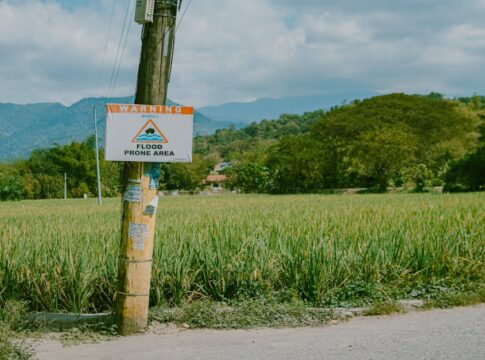
Major river systems create fertile floodplains that attract dense human settlements, but these same areas experience regular inundation during flood events. The Mississippi River basin, the Ganges-Brahmaputra Delta, and the Yangtze River valley all support massive populations despite recurring flood disasters that cause extensive damage and loss of life.
Climate Change and Evolving Disaster Patterns
Global climate change is altering traditional disaster patterns and creating new vulnerabilities in regions previously considered relatively safe. Rising temperatures intensify droughts in already arid regions like the Mediterranean, Australia, and the southwestern United States. Warming oceans fuel more powerful tropical cyclones and expand the geographic range where these storms can develop and maintain strength.
Permafrost thawing in Arctic regions destabilizes infrastructure and landscapes, while changing precipitation patterns create flash flood risks in areas unaccustomed to such events. These evolving conditions mean that historical disaster patterns may not accurately predict future risks, requiring communities worldwide to reassess their vulnerability profiles.
The Convergence of Multiple Risk Factors
The most disaster-prone regions typically face multiple overlapping hazards rather than a single threat. Central America experiences hurricanes, earthquakes, volcanic eruptions, and landslides due to its position along tectonic boundaries and in the path of tropical storms. Similarly, Japan confronts earthquakes, tsunamis, typhoons, volcanic eruptions, and landslides, making it one of the most disaster-vulnerable developed nations.
Understanding why certain regions experience repeated disasters requires recognizing that geography creates inherent vulnerabilities that cannot be eliminated, only managed through preparedness, resilient infrastructure, and informed development planning. These natural patterns have shaped human civilization throughout history and continue to influence where and how communities can safely establish themselves on our dynamic planet.