
⏱️ 5 min read
Art has served as a powerful medium for emotional expression and connection throughout human history. From ancient cave paintings to contemporary digital installations, artistic creations possess an extraordinary ability to evoke, manipulate, and transform human emotions. This profound relationship between art and emotion extends beyond mere aesthetic appreciation, touching the deepest aspects of human psychology, physiology, and social experience.
The Neurological Connection Between Art and Emotion
When individuals encounter art, their brains undergo complex neurological processes that directly influence emotional states. Neuroscientific research has revealed that viewing art activates multiple brain regions, including the prefrontal cortex, which processes complex cognitive information, and the limbic system, which regulates emotions. The amygdala, a key component of emotional processing, responds particularly strongly to artistic stimuli, especially when encountering works that depict human faces or emotionally charged scenes.
The brain’s reward system releases dopamine when experiencing aesthetically pleasing art, creating feelings of pleasure and satisfaction. This neurochemical response explains why certain artworks can produce immediate emotional reactions, from joy and serenity to discomfort and contemplation. Mirror neurons also play a crucial role, allowing viewers to empathetically experience the emotions conveyed in artistic representations, effectively bridging the gap between the artist’s intention and the observer’s emotional response.
Color Psychology and Emotional Impact
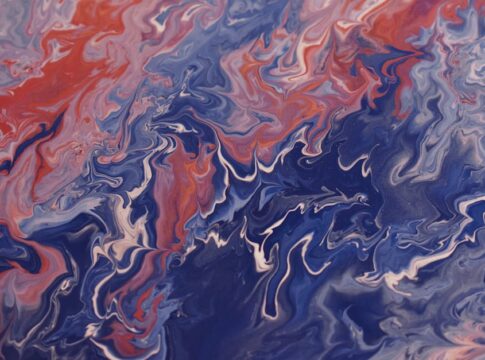
Color constitutes one of the most immediate and powerful tools through which art influences emotions. Artists throughout history have strategically employed color palettes to evoke specific emotional responses. Warm colors such as red, orange, and yellow typically generate feelings of energy, passion, warmth, and excitement. Red can stimulate increased heart rate and create sensations of urgency or intensity, while yellow often evokes happiness and optimism.
Cool colors, including blue, green, and purple, generally produce calming, soothing, or introspective emotional states. Blue frequently induces feelings of tranquility and trust, which explains its prevalence in corporate art and healthcare environments. Green connects viewers to nature and promotes feelings of balance and renewal. Artists manipulate these color associations to guide viewers through intended emotional journeys, creating atmospheres that resonate on both conscious and subconscious levels.
Compositional Elements and Emotional Direction
Beyond color, the compositional structure of artwork significantly influences emotional responses. Lines, shapes, texture, and spatial arrangements all contribute to the emotional narrative of a piece. Sharp, angular lines and jagged shapes often create tension, anxiety, or excitement, while smooth, curved lines typically promote feelings of calm, comfort, and harmony.
The use of space within artwork also affects emotional interpretation. Crowded compositions with minimal negative space can evoke feelings of claustrophobia, chaos, or abundance, depending on the context and execution. Conversely, expansive empty spaces may generate emotions ranging from peaceful solitude to profound loneliness. Artists deliberately manipulate these elements to create specific emotional atmospheres that communicate beyond words.
Cultural Context and Emotional Interpretation
The emotional impact of art cannot be separated from cultural context and personal experience. Different cultures attribute varying symbolic meanings to colors, symbols, and artistic styles, which directly influences emotional responses. What evokes reverence in one cultural context might produce entirely different emotions in another. Understanding this cultural dimension reveals that the emotional influence of art operates through both universal human responses and culturally learned associations.
Historical period and artistic movement also shape emotional interpretation. Renaissance art often evokes different emotional responses than Abstract Expressionism or Contemporary Conceptual Art. The emotional language of each artistic period reflects the values, concerns, and psychological landscapes of its time, allowing art to serve as an emotional time capsule that continues to resonate across generations.
Art as Emotional Catharsis and Healing
Art functions as a powerful tool for emotional processing and psychological healing. Art therapy has become an established therapeutic practice precisely because creating and experiencing art facilitates emotional expression that might otherwise remain inaccessible. Engaging with art allows individuals to confront difficult emotions in a safe, controlled environment, providing distance from direct experience while maintaining emotional authenticity.
The cathartic potential of art extends to both creation and observation. Artists often channel complex emotions into their work, transforming personal pain, joy, or confusion into universal statements that resonate with others facing similar emotional experiences. Viewers, in turn, find validation and comfort in recognizing their own emotional experiences reflected in artistic works, reducing feelings of isolation and promoting emotional understanding.
The Role of Personal Experience and Memory
Individual emotional responses to art are deeply influenced by personal memories and experiences. A particular painting style might trigger nostalgia by evoking childhood memories, while a specific subject matter could resurface buried emotions related to personal experiences. This personalization of emotional response makes art a uniquely individual experience, even when viewing the same work alongside others.
The emotional power of art lies partly in its ability to create new emotional associations while triggering existing ones. A song, painting, or sculpture can become emotionally significant through repeated exposure or association with important life events, accumulating emotional meaning over time. This layering of emotional significance transforms art objects into deeply personal emotional anchors.
Contemporary Applications and Future Directions
Modern understanding of art’s emotional influence has practical applications across various fields. Healthcare facilities incorporate specific artworks to reduce patient anxiety and promote healing. Corporate environments use art to influence workplace mood and productivity. Public art installations aim to foster community emotions ranging from civic pride to social consciousness.
As neuroscience continues advancing, the relationship between art and emotion becomes increasingly measurable and understood. This knowledge enables more intentional creation and curation of art for specific emotional purposes, while simultaneously deepening appreciation for art’s profound capacity to move, transform, and connect humanity across the boundaries of language, culture, and time. The emotional influence of art remains one of humanity’s most powerful tools for communication, understanding, and shared experience.