
⏱️ 7 min read
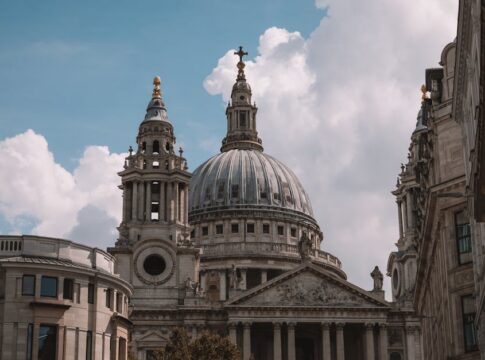
The Great Fire of London of 1666 stands as one of the most catastrophic urban disasters in British history, yet it holds a peculiar distinction in the annals of major fires: its remarkably low official death toll. While the conflagration consumed approximately 13,200 houses, 87 parish churches, St. Paul’s Cathedral, and most of the buildings of the City authorities, historical records indicate that only six deaths were officially documented. This seemingly impossible statistic has puzzled historians for centuries and reveals fascinating insights about medieval record-keeping, social structures, and the nature of the disaster itself.
Understanding the Paradox of the Low Death Toll
The contrast between the fire’s massive destruction and its minimal recorded fatalities presents one of history’s most intriguing contradictions. To understand this phenomenon, we must examine various factors that contributed to both the actual survival rate and the limitations of historical documentation from the 17th century.
1. The Fire’s Slow Spread Allowed for Evacuation
Despite the ultimate devastation, the Great Fire of London progressed relatively slowly compared to modern conflagrations, particularly in its initial stages. Beginning in Thomas Farriner’s bakery on Pudding Lane in the early hours of September 2, 1666, the fire took several hours to gain serious momentum. This gradual escalation provided London’s residents with crucial time to recognize the danger and evacuate.
The fire spread primarily through wooden structures that were tightly packed together, but the technology and building materials of the era meant that structures burned differently than they would today. There were no accelerants like plastics or petroleum-based products, and many buildings had thick timber frames that took time to fully ignite. Additionally, the fire moved in a somewhat predictable pattern, pushed by strong easterly winds, allowing residents ahead of the flames to prepare for evacuation. Most Londoners had sufficient warning to gather essential possessions and flee to safety, either to the fields outside the city walls or across the Thames River.
2. London’s Geography Provided Natural Escape Routes
The physical layout of London in 1666 played a crucial role in the low casualty count. The city was relatively compact, measuring roughly one mile by half a mile within the old Roman walls. More importantly, the Thames River bordered the city to the south, providing an immediate escape route for thousands of residents. Contemporary accounts describe the river filled with boats of all kinds, overloaded with refugees and their belongings.
The city gates, though narrow by modern standards, remained accessible throughout much of the fire’s duration, allowing people to flee into the surrounding fields and villages. Areas like Moorfields, just outside the city walls, became vast refugee camps housing thousands of displaced Londoners. This accessibility to open spaces meant that even as the fire consumed street after street, the population had somewhere to go. Unlike fires in enclosed spaces or isolated communities, Londoners were never truly trapped.
3. The Limitations of 17th-Century Record Keeping
Perhaps the most significant factor in the seemingly low death toll is the inadequacy of vital statistics recording in 1666. The official count of six deaths almost certainly represents a dramatic undercount of actual fatalities. Record-keeping in the 17th century was rudimentary at best, and it particularly failed to account for large segments of the population.
The six officially recorded deaths included individuals whose bodies were identified and whose deaths were formally documented: the baker’s maid from the bakery where the fire started, a watchmaker, and four others whose social standing warranted official notice. However, this accounting system had enormous blind spots. The poor, the homeless, the elderly who couldn’t escape, visitors to the city, and countless others likely perished without their deaths being officially recorded. Medieval London had a substantial population of transients, laborers, and destitute individuals who lived in the cramped alleys and cellars of the old city, and their deaths would have gone unrecorded.
4. The Destruction of Evidence and Extreme Heat
The intense heat of the fire, which reached temperatures sufficient to melt the lead roof of St. Paul’s Cathedral and turn pottery into glass, would have completely cremated any human remains caught in its path. Unlike modern forensic investigations, there was no systematic search for victims in the ruins, no DNA analysis, and no comprehensive missing persons registry.
The fire burned for four days, from September 2 to September 6, and in many areas, the heat was so extreme that it fundamentally altered the physical landscape. Stone buildings cracked and crumbled, metal fittings melted, and organic materials were reduced to fine ash. Any victims overcome by smoke or trapped in buildings would have been entirely consumed, leaving no trace for authorities to document. Additionally, the urgent need to rebuild meant that debris was cleared rapidly, with little attention paid to careful examination of the ruins.
5. The Social Structure Favored the Mobile and Able-Bodied
The demographic composition of London in 1666 influenced survival rates in ways that wouldn’t be reflected in incomplete records. The city’s population was relatively young and mobile, with many residents being merchants, traders, apprentices, and laborers who were physically capable of rapid evacuation. The wealthy, who might have been more likely to be counted if they died, also had the resources to evacuate quickly, often hiring boats or carts to transport themselves and their goods to safety.
However, this also means that the most vulnerable populations—the elderly, the infirm, young children separated from parents, and those too poor to flee—faced the greatest risk and were also the least likely to be counted in official records. The class-based nature of 17th-century society meant that deaths among the lower classes were often viewed as less significant and went undocumented. Servants, day laborers, and the destitute made up a significant portion of London’s population, yet their fates during the fire remain largely unknown.
6. Contemporary Accounts Suggest Higher Casualties
While official records list only six deaths, contemporary diarists and observers suggested that the true toll was higher, even if they couldn’t provide specific numbers. Samuel Pepys, whose detailed diary provides one of our best sources for the fire, noted that he saw no dead bodies but acknowledged the chaos made accurate counting impossible. Other contemporary sources mention people missing, families searching for relatives, and assumptions that some had perished.
The poet John Dryden wrote about victims of the fire, and various parish records hint at unexplained absences and disrupted families. Some historians have suggested that deaths from smoke inhalation, injuries sustained during evacuation, or subsequent exposure and disease among the refugee population should be attributed to the fire, even if they occurred days or weeks after the flames were extinguished. The weeks following the fire saw thousands living in makeshift camps with inadequate food, water, and shelter, conditions that likely contributed to additional deaths that were never officially connected to the disaster.
The Historical Legacy of the Death Toll Mystery
The question of how many people truly died in the Great Fire of London remains one of history’s enduring mysteries. Modern historians generally agree that the official count of six deaths is implausibly low and that the actual number was likely in the dozens or possibly hundreds, though still remarkably low given the scale of destruction. This discrepancy teaches us valuable lessons about interpreting historical records, understanding social hierarchies in the past, and recognizing the limitations of official statistics.
The fire’s low recorded death toll, whether accurate or not, contributed to a narrative that emphasized London’s resilience and the effectiveness of evacuation efforts. It also sparked improvements in urban planning, building codes, and fire prevention measures that would influence city development for centuries to come. The rebuild of London incorporated wider streets, stone construction requirements, and other fire-prevention measures that made the city safer for all its inhabitants, regardless of social class.
Today, the Great Fire of London serves as a reminder that statistics from historical events must be interpreted carefully, considering the social, technological, and administrative context in which they were recorded. The true human cost of the fire may never be fully known, but its impact on London’s development and on urban planning principles worldwide remains undeniable and continues to influence how we build and protect our cities.