
⏱️ 8 min read
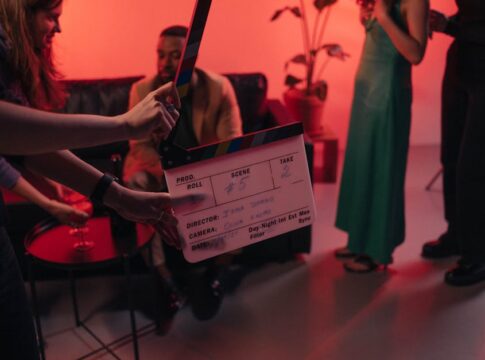
Movie magic often relies on clever tricks, creative problem-solving, and unexpected behind-the-scenes moments that audiences never see. From improvised lines that became iconic to technical innovations born out of necessity, the stories behind famous scenes are sometimes just as compelling as the films themselves. These revelations pull back the curtain on how filmmakers transformed challenges into cinematic gold.
Behind the Camera: Untold Stories from Cinema’s Greatest Moments
1. The Chest-Bursting Scene Required Real Shock Reactions
In “Alien” (1979), director Ridley Scott deliberately kept the cast in the dark about the full extent of the chest-burster scene’s graphic nature. While the actors knew something would emerge from John Hurt’s chest, they weren’t prepared for the explosive amount of blood that would spray everywhere. The genuine shock, horror, and disgust on their faces were real reactions captured on film. Veronica Cartwright was positioned directly in the line of fire and got drenched in fake blood, causing her authentic scream of surprise. This decision to keep the cast uninformed created one of cinema’s most memorable and genuinely terrifying moments.
2. The Iconic “Here’s Johnny!” Line Was Completely Improvised
Jack Nicholson’s terrifying delivery of “Here’s Johnny!” in “The Shining” (1980) wasn’t in Stanley Kubrick’s script. As Nicholson broke through the bathroom door with an axe, he ad-libbed the famous catchphrase from “The Tonight Show Starring Johnny Carson.” Kubrick, being European, didn’t initially understand the reference and considered cutting it. Fortunately, the crew convinced him to keep it, and it became one of horror cinema’s most quoted lines. Nicholson’s background in comedy and his improvisational skills transformed what could have been a standard horror moment into an unsettling blend of menace and dark humor.
3. The Omaha Beach Sequence Used Amputee Actors for Realism
Steven Spielberg’s commitment to authenticity in “Saving Private Ryan” (1998) extended to casting several amputee actors for the harrowing D-Day landing sequence. These performers wore prosthetics over their residual limbs, which were then “blown off” during the battle scenes. This approach created shockingly realistic imagery that enhanced the sequence’s visceral impact. The director also removed the shutter from the cameras to create a documentary-like feel, and desaturated the color to match World War II footage. The combination of these techniques made the 27-minute opening one of the most realistic war sequences ever filmed.
4. A Real Corpse Appeared in the Funhouse Scene
During the filming of “The Six Million Dollar Man” television series in 1976, a crew member was moving what was believed to be a prop hanging in a funhouse when its arm fell off, revealing human bones. The “prop” was actually the mummified body of outlaw Elmer McCurdy, who had died in 1911. His body had been embalmed with arsenic, preventing decay, and had been used in various sideshows before ending up as what people thought was a wax figure. This macabre discovery led to McCurdy finally receiving a proper burial 66 years after his death.
5. The Docking Scene Utilized Complete Silence Against Studio Wishes
Christopher Nolan fought with studio executives to keep the docking sequence in “Interstellar” (2014) completely silent in space. The scene where Cooper attempts to dock with the spinning Endurance station is one of the film’s most intense moments, and Nolan insisted on scientific accuracy—no sound in the vacuum of space. The studio wanted to add sound effects for dramatic tension, but Nolan refused, arguing that the silence itself created unbearable suspense. The director was proven right when audiences found the scene almost unbearably tense, with the silence amplifying rather than diminishing the drama.
6. The Subway Grate Scene Required 14 Takes for Perfection
Marilyn Monroe’s iconic white dress moment in “The Seven Year Itch” (1955) took 14 takes to achieve the perfect shot. The scene was initially filmed on location in New York City at 2 a.m., with hundreds of onlookers cheering and whistling. However, Monroe’s husband at the time, Joe DiMaggio, was reportedly furious about the spectacle and the public nature of the scene. The marriage ended shortly after. Due to the crowd noise and other technical issues, the entire sequence had to be reshot later on a Hollywood soundstage with controlled wind machines, though the publicity photos from the New York shoot became more famous than the actual film footage.
7. The Transformation Scene Used Groundbreaking Prosthetics
The werewolf transformation in “An American Werewolf in London” (1981) revolutionized practical effects and won the first-ever Academy Award for Best Makeup. Rick Baker created articulated prosthetics and mechanisms that changed shape on camera without cuts. The sequence took six months to plan and employed innovative techniques including air bladders under the prosthetics that inflated to show the character’s body expanding and contorting. The transformation scene took three days to film and required actor David Naughton to wear different prosthetic stages for up to ten hours at a time. This achievement set a new standard for practical effects in horror films.
8. The Pens Were Real and Floating in Zero Gravity
Stanley Kubrick’s “2001: A Space Odyssey” (1968) featured a scene with a flight attendant retrieving a floating pen in zero gravity. Rather than using visible wires or obvious tricks, Kubrick mounted a pen on a sheet of rotating glass that was carefully lit to be invisible. The effect was so convincing that after the film’s release, Parker Pen Company contacted Kubrick, believing he had used their products and wanting to leverage the publicity. In reality, the pens were custom-made props, but the inquiry demonstrated how effectively the illusion worked.
9. The Actors Actually Drove Through Chicago at High Speed
“The Blues Brothers” (1980) holds the record for the most cars destroyed in a single film—104 vehicles. The massive chase through downtown Chicago was filmed with real stunts and actual high-speed driving through the city streets. Director John Landis obtained unprecedented permission to film on location throughout Chicago, including driving through the Daley Center. Many of the police cars used were authentic decommissioned vehicles purchased from the California Highway Patrol. The elaborate chase sequences required months of choreography and careful planning, but the commitment to practical stunts rather than special effects gave the scenes an authentic energy that audiences could feel.
10. The Actor Genuinely Didn’t Know What Was in the Box
In “Se7en” (1995), director David Fincher kept the film’s dark ending ambiguous during shooting, and Brad Pitt genuinely didn’t know what was supposedly in the box during the desert scene. Fincher wanted Pitt’s reaction to be raw and uncertain, so he filmed the scene without revealing the specific nature of the final murder. The actor’s confusion and horror were partly authentic reactions to not fully understanding what his character was experiencing. This directorial choice created a powerful performance that audiences found devastatingly believable. The ending was so dark that the studio initially resisted it, but Fincher and the cast fought to keep the film’s bleak conclusion intact.
11. The Entire Restaurant Scene Was Filmed in One Continuous Take
The famous restaurant scene in “Goodfellas” (1990), where Henry Hill takes Karen through the Copacabana nightclub in one continuous shot, required eight takes to perfect. The three-minute Steadicam shot follows the couple through the kitchen entrance, past numerous employees and corridors, and finally to a front-row table that’s brought out specifically for them. Cinematographer Michael Ballhaus had to coordinate with dozens of extras, actors with speaking parts, and stagehands who moved walls to allow the camera through. Every person had to hit their mark perfectly, and every line had to be delivered with precise timing. The shot brilliantly captures Henry’s power and status while immersing the audience in his world without any cuts or edits.
12. The Tears Were Achieved Through Personal Memory Recall
In “E.T. the Extra-Terrestrial” (1982), director Steven Spielberg achieved the emotional performances from the child actors, particularly during E.T.’s death and revival scenes, through method directing. He had the children rehearse with the E.T. puppet for weeks before filming, allowing them to form genuine attachments to the character. For the emotional scenes, Spielberg told the young actors to think about their own pets dying or other personal losses. Henry Thomas, who played Elliott, delivered his tearful performance by drawing on real emotional memories. The authentic grief visible on the children’s faces contributed significantly to the film’s emotional impact and helped make it one of the most beloved family films ever made.
The Magic of Movie-Making
These behind-the-scenes secrets reveal that great filmmaking often requires a combination of technical innovation, creative problem-solving, and willingness to take risks. Whether through improvisation, practical effects, psychological manipulation of actors, or pure determination, directors and their crews have created moments that transcend the screen. Understanding these secrets doesn’t diminish the magic of these scenes; rather, it deepens our appreciation for the artistry and craftsmanship involved in creating memorable cinema. Each technique, whether born from necessity or creative vision, demonstrates that the most iconic movie moments often result from unique circumstances that could never be exactly replicated. These stories remind us that behind every perfect shot lies a wealth of human ingenuity, dedication, and sometimes happy accidents that combine to create the films we cherish.