








⏱️ 5 min read
When audiences watch a blockbuster film, attend a concert, or binge-watch their favorite streaming series, they experience only the polished final product. Behind every moment of entertainment magic lies an intricate web of professionals, processes, and painstaking effort that rarely receives recognition. The entertainment industry operates on countless hours of unseen labor, technical expertise, and creative problem-solving that makes stardom and success possible.
The Pre-Production Foundation
Long before cameras roll or performers take the stage, entertainment projects require extensive planning and groundwork. Script development alone can span years, with writers crafting multiple drafts, receiving notes from producers and executives, and refining dialogue and story structure. Script supervisors then break down every scene, cataloging props, costumes, and continuity requirements.
Location scouts travel extensively to find and photograph potential filming sites, negotiating with property owners and assessing logistical challenges. Production designers create detailed visual concepts, often building scale models or digital renderings of sets before construction begins. Meanwhile, casting directors review thousands of audition tapes, coordinate chemistry reads, and handle complex scheduling negotiations with talent agencies.
The Financial Architecture
Entertainment projects require substantial financial infrastructure that audiences never see. Line producers create detailed budgets accounting for every expenditure, from catering to visual effects. Entertainment lawyers negotiate complex contracts covering rights, residuals, and profit participation. Insurance specialists assess risks and secure coverage for everything from equipment damage to production delays.
Accountants track daily expenditures, ensuring productions remain on budget while managing payroll for crews that can number in the hundreds. Tax incentive coordinators navigate the complex landscape of regional film incentives, potentially saving productions millions of dollars. Financial completion guarantors monitor progress to protect investor interests, sometimes stepping in to ensure troubled productions reach completion.
Technical Crews Making Magic Possible
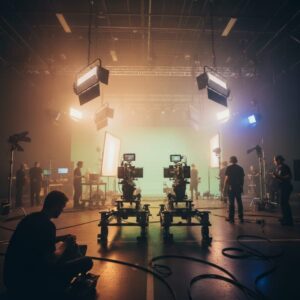
The technical aspects of entertainment require specialized expertise across numerous disciplines. Camera operators, focus pullers, and digital imaging technicians work in concert to capture pristine footage under challenging conditions. Gaffers and their electrical crews design and execute complex lighting setups that can take hours to perfect for a single shot.
Sound departments operate sophisticated equipment to capture clean dialogue in noisy environments, while boom operators hold microphones in precise positions for hours at a time. Special effects crews create practical explosions, weather effects, and mechanical rigs that bring scripts to life. Construction crews build elaborate sets that may appear on screen for mere seconds but require weeks of skilled carpentry, painting, and decoration.
The Post-Production Pipeline
After principal photography wraps, projects enter an intensive post-production phase that often lasts longer than filming itself. Film editors review hundreds of hours of footage, making thousands of decisions about pacing, performance, and storytelling. Assistant editors organize media, create assemblies, and handle the technical aspects of the editing workflow.
Visual effects artists work frame-by-frame to remove wires, add digital environments, or create entirely computer-generated characters. This process involves specialized teams for modeling, texturing, rigging, animation, lighting, and compositing. A single complex visual effects shot might require dozens of artists and months of refinement.
Sound designers craft layered audio landscapes, creating custom sound effects from scratch when library sounds prove inadequate. Foley artists recreate everyday sounds like footsteps and clothing rustles in specialized studios, recording hundreds of individual actions to match on-screen movements. Music supervisors source appropriate songs, negotiate licensing deals, and coordinate with composers who create original scores.
Marketing and Distribution Machinery
Getting entertainment content in front of audiences requires extensive marketing campaigns coordinated by teams of specialists. Publicists cultivate media relationships and coordinate press coverage, while social media managers create content strategies across multiple platforms. Trailer editors craft compelling previews, often producing dozens of variations tested with focus groups.
Distribution coordinators handle the complex logistics of releasing content across theatrical, streaming, and home video platforms. They navigate international markets with varying regulations, coordinate dubbing and subtitling in multiple languages, and schedule releases to maximize commercial potential. Festival programmers and strategists determine which events might best launch a project's public life.
The Support Infrastructure
Entertainment productions require extensive support systems that keep everything running smoothly. Production assistants handle countless logistical tasks, from distributing scripts to coordinating transportation. Craft services teams provide meals and snacks that keep crews energized through long shooting days.
Security personnel protect equipment, manage crowd control, and ensure the safety of high-profile talent. Medical professionals stay on standby for any health emergencies. Transportation coordinators manage fleets of vehicles, ensuring cast and equipment reach locations on time. Set teachers provide state-required education for child performers between takes.
The Unsung Heroes of Live Entertainment
Live performances involve their own array of hidden workers. Stagehands execute precise scene changes in darkness, moving heavy set pieces with split-second timing. Lighting board operators execute complex cues that create atmosphere and direct audience attention. Monitor engineers ensure performers hear themselves clearly through in-ear systems or stage wedges.
Wardrobe supervisors facilitate quick costume changes backstage, sometimes in mere seconds. Stage managers coordinate every element of live shows through headset communication systems, calling cues and solving problems in real-time. House managers handle audience needs, from seating to emergency procedures, ensuring smooth experiences for thousands of attendees.
The Long Road to Success
Entertainment success represents the culmination of coordinated effort across hundreds or thousands of professionals, each contributing specialized expertise. While stars receive recognition and headlines, the industry's foundation rests on skilled craftspeople, technicians, and support staff whose names scroll quickly through end credits. Their dedication, creativity, and problem-solving abilities transform creative visions into the entertainment experiences that inform, inspire, and delight audiences worldwide. Understanding this hidden work provides deeper appreciation for the remarkable collaborative achievement that entertainment truly represents.