
⏱️ 5 min read
From scorching heat that can melt asphalt to bone-chilling cold that freezes fuel lines, extreme weather defines certain nations across the globe. These countries experience weather conditions that push the boundaries of human endurance and adaptation, creating unique challenges for their populations and ecosystems. Understanding where these weather extremes occur provides valuable insights into climate patterns, geographic factors, and the resilience of communities living under such demanding conditions.
Russia: The Land of Temperature Extremes
Russia holds the distinction of experiencing some of the most dramatic temperature variations on Earth. The Sakha Republic, located in northeastern Siberia, regularly sees winter temperatures plummet below -50°C (-58°F), with the village of Oymyakon recording one of the lowest inhabited temperatures at -67.7°C (-89.9°F). The continental climate creates a massive temperature swing, with summer temperatures in some regions reaching above 30°C (86°F), resulting in an annual temperature range exceeding 100°C (180°F) in certain locations.
The extreme cold affects every aspect of life in these regions, from infrastructure that must withstand thermal contraction to vehicles that require specialized antifreeze and continuous heating. The permafrost covering vast stretches of Russian territory creates additional challenges as climate change causes thawing, destabilizing buildings and releasing methane deposits.
United States: A Convergence of Weather Systems
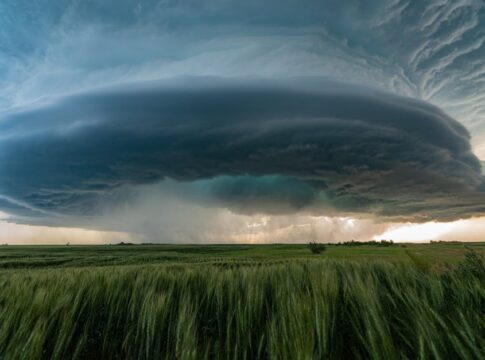
The United States experiences an extraordinary diversity of extreme weather events due to its vast geographic expanse and varied topography. Tornado Alley, spanning parts of Texas, Oklahoma, Kansas, and Nebraska, witnesses more tornadoes annually than anywhere else on Earth, with approximately 1,200 tornadoes occurring each year across the country. These violent storms can produce winds exceeding 300 mph and cause catastrophic destruction.
The nation also faces hurricanes along its Atlantic and Gulf coasts, blizzards in the northern states, droughts in the Southwest, and extreme heat waves that push temperatures above 50°C (122°F) in Death Valley, California—the hottest place on Earth. This convergence of weather systems makes the United States uniquely vulnerable to multiple extreme weather types simultaneously.
India: Monsoons and Intense Heat
India’s weather patterns are dominated by the annual monsoon cycle, which brings both life-giving rain and devastating floods. The monsoon season, typically occurring from June to September, delivers approximately 80% of the country’s annual rainfall in just a few months. Cities like Cherrapunji and Mawsynram in Meghalaya state receive over 11,000 millimeters (430 inches) of rain annually, making them among the wettest places on Earth.
Before the monsoons arrive, India experiences extreme heat waves that can be deadly. Pre-monsoon temperatures regularly exceed 45°C (113°F) in northern and central regions, with some areas reaching 50°C (122°F). These heat waves, combined with high humidity, create dangerous conditions that result in hundreds of heat-related deaths annually.
Australia: The Sunburnt Continent
Australia’s extreme weather reputation is well-earned, with the continent experiencing severe droughts, catastrophic bushfires, intense cyclones, and record-breaking heat. The interior regions can experience temperatures exceeding 50°C (122°F), while the northern tropical areas face powerful cyclones during the wet season. The country’s vulnerability to El Niño and La Niña weather patterns intensifies these extremes, creating cycles of devastating drought followed by flooding rains.
Australian bushfire seasons have become increasingly severe, with the Black Summer fires of 2019-2020 burning over 18 million hectares and demonstrating the catastrophic potential of extreme heat combined with prolonged drought. The country’s unique position as the driest inhabited continent creates ongoing water security challenges.
Bangladesh: Flooding and Cyclone Vulnerability
Bangladesh faces perhaps the world’s most dangerous combination of extreme weather events relative to its population density and elevation. Situated on low-lying river deltas, the country experiences annual flooding that can submerge up to two-thirds of its territory. Tropical cyclones regularly strike from the Bay of Bengal, bringing storm surges that have historically resulted in hundreds of thousands of deaths.
The convergence of three major river systems—the Ganges, Brahmaputra, and Meghna—combined with heavy monsoon rains and cyclonic activity, creates a perfect storm of flooding risks. Climate change projections suggest rising sea levels could displace millions of Bangladeshis in coming decades, making this nation ground zero for climate-related extreme weather impacts.
Canada: Arctic Extremes and Climate Variability
Canada’s northern territories experience extreme cold that rivals Siberia, with winter temperatures in places like Yukon and Nunavut regularly dropping below -40°C (-40°F). The country also experiences significant weather variability, from ice storms that can paralyze cities to prairie droughts and forest fire seasons that grow longer and more intense each year.
The rapid warming of the Arctic region affects Canadian weather patterns disproportionately, with temperatures rising at twice the global average. This creates unpredictable conditions, including polar vortex events that send Arctic air masses southward, causing extreme cold snaps in populated regions.
Chad and the Sahel Region: Extreme Aridity and Heat
The Sahel region of Africa, including Chad, experiences some of the harshest desert conditions on Earth. Extreme heat, severe droughts, and desertification create humanitarian crises regularly. Temperatures can exceed 45°C (113°F) for extended periods, while rainfall remains scarce and unpredictable. Lake Chad has shrunk by over 90% since the 1960s, illustrating the severity of water scarcity in this region.
These weather extremes demonstrate that geographic location, topography, and atmospheric circulation patterns combine to create conditions that test human adaptability and resilience worldwide.