









1 / 10 Questions
0 Points

What color is airplane's black box?

Black

Orange

Yellow

Red

Points won
0
Correct score
0%

More Quizzes

More Articles

The Creative Process Behind Hit Songs

The Creative Process Behind Hit Songs

⏱️ 5 min read

Every chart-topping hit that dominates the airwaves and streaming platforms represents countless hours of creative effort, technical expertise, and often a touch of serendipity. The journey from initial concept to finished track involves multiple stages of development, collaboration, and refinement. Understanding this intricate process reveals why some songs resonate with millions while others fade into obscurity.

The Spark of Inspiration

Hit songs often begin with a single moment of inspiration that can strike anywhere and at any time. Songwriters and producers describe these initial ideas as coming from diverse sources: a conversation overheard on public transportation, a personal emotional experience, a compelling melody that appears during sleep, or even a random pattern of sounds in everyday life. Paul McCartney famously composed "Yesterday" after the melody came to him in a dream, while Dolly Parton wrote "Jolene" after meeting a red-headed bank teller who caught her husband's attention.

Professional songwriters develop habits to capture these fleeting moments of creativity. Many keep voice recorders readily available to hum melodies, jot down lyrical phrases in notebooks, or use smartphone apps to preserve ideas before they vanish. This preparedness ensures that potential hit songs are not lost to forgetfulness or the demands of daily life.

Crafting the Foundation: Melody and Chord Progressions

Once inspiration strikes, the technical construction begins. The melody serves as the backbone of most successful songs, providing the memorable hook that listeners unconsciously hum long after the track ends. Songwriters often experiment with different melodic patterns, testing which sequences feel most natural and emotionally resonant.

Chord progressions provide the harmonic foundation that supports the melody. Certain progressions have proven their effectiveness across decades and genres. The I-V-vi-IV progression, for example, appears in countless hits from "Don't Stop Believin'" by Journey to "Someone Like You" by Adele. However, innovative songwriters also explore unexpected harmonic movements to create distinctive sounds that set their work apart from competitors.

The Role of Song Structure

Hit songs typically follow established structural patterns that create familiarity while maintaining interest. The verse-chorus-verse-chorus-bridge-chorus format dominates popular music because it balances repetition with variation. Verses establish the narrative or emotional context, choruses deliver the main hook and message, and bridges provide contrast that refreshes listener attention before the final chorus.

Modern hit songs have evolved to accommodate shorter attention spans and streaming platform algorithms. Many contemporary tracks position the chorus within the first 30 seconds, recognizing that listeners often decide whether to continue playing a song within this critical window.

Lyrical Development and Storytelling

Words transform musical ideas into complete emotional experiences. Successful lyricists balance several competing demands: conveying meaningful messages, creating memorable phrases, maintaining proper syllabic rhythm, and using rhyme schemes that feel natural rather than forced.

The most effective hit songs often employ relatable themes expressed through specific details. Rather than generic statements about love or heartbreak, successful lyrics ground universal emotions in concrete imagery and situations that listeners can visualize. Taylor Swift's songwriting exemplifies this approach, transforming personal experiences into narratives that millions of fans feel describe their own lives.

Collaborative Writing Sessions

The modern music industry increasingly relies on collaborative writing sessions where multiple songwriters work together in studio environments. These co-writing sessions bring together individuals with different strengths: one might excel at melodies, another at lyrics, while a third contributes production expertise. This collaborative approach has produced many contemporary hits, with credits often listing three to five or more writers per track.

Publishing companies and record labels frequently organize writing camps where songwriters, producers, and artists gather for intensive creative periods. These camps have generated numerous chart-toppers, as the concentrated creative energy and diverse perspectives accelerate the songwriting process.

Production and Arrangement

A strong song can succeed with minimal production, but contemporary hits typically feature sophisticated arrangements that enhance the core composition. Producers select instrumentation, determine the sonic palette, and make countless decisions about texture, density, and dynamics.

The production process involves several key considerations:

  • Instrumentation choices that complement the song's mood and genre expectations
  • Arrangement decisions about when instruments enter and exit
  • Sound design elements including synthesizers, samples, and effects
  • Rhythmic foundation through drum programming or live percussion
  • Bass lines that provide harmonic support and groove

Producers must balance innovation with accessibility, creating sounds that feel fresh without alienating mainstream audiences. Max Martin, one of the most successful producers in pop history, attributes his success to understanding what makes songs catchy while continuously evolving his production techniques to match contemporary trends.

Vocal Performance and Recording

The vocal delivery can elevate a good song to hit status. Artists work with vocal producers to determine the emotional approach, technical execution, and stylistic choices that best serve the material. Recording sessions often involve multiple takes of each section, allowing producers to select the most compelling performances or compile composite "comp" tracks from the strongest moments of different takes.

Modern production techniques include vocal tuning, timing correction, and layering of harmonies or doubled tracks. While critics sometimes debate the authenticity of these interventions, they have become standard tools in creating the polished sound that defines contemporary hit records.

Refinement Through Feedback and Revision

Professional songwriters and producers rarely consider their first draft complete. The refinement process involves critical listening sessions, feedback from trusted colleagues, and willingness to revise elements that do not serve the song's ultimate impact. Sometimes this means rewriting lyrics, changing melodies, or completely reimagining the production approach.

Record labels often test potential singles with focus groups or through limited releases to gauge audience response before committing to full promotional campaigns. This data-driven approach helps identify which songs have the greatest commercial potential, though it cannot guarantee success in an inherently unpredictable marketplace.

The creative process behind hit songs combines artistic inspiration with technical craft, individual vision with collaborative input, and traditional songwriting principles with contemporary innovation. Understanding these elements provides insight into why certain songs achieve cultural ubiquity while reminding us that even with all the right ingredients, the alchemy of a genuine hit remains partially mysterious.
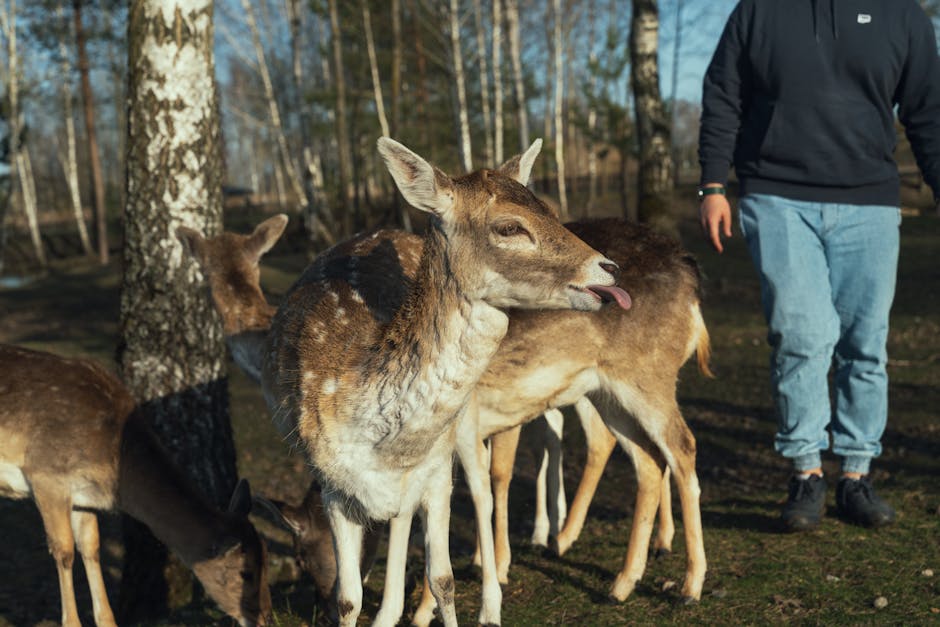
Top 10 Animals That Changed Human History

Top 10 Animals That Changed Human History

⏱️ 6 min read

Throughout human civilization, certain animals have played pivotal roles in shaping our societies, economies, and cultures. From enabling ancient empires to expand their territories to revolutionizing agriculture and transportation, these creatures have been instrumental partners in humanity's journey. Their domestication and utilization fundamentally altered the course of human development, creating ripples that continue to influence our modern world.

Animals That Transformed Civilization

1. The Horse: Catalyst of Empires and Commerce

The domestication of horses around 4000 BCE transformed human society more dramatically than perhaps any other animal. Horses revolutionized warfare, allowing mounted warriors to dominate battlefields and enabling the creation of vast empires like those of the Mongols and Persians. Beyond military applications, horses facilitated trade along routes like the Silk Road, connected distant civilizations, and accelerated communication through postal systems. The speed and endurance of horses compressed distance and time, fundamentally changing how humans interacted across continents. Agricultural productivity soared with horse-powered plowing, while their role in transportation remained unchallenged until the advent of railways and automobiles.

2. The Ox: Foundation of Agricultural Revolution

Domesticated cattle, particularly oxen, provided the muscle power that made large-scale agriculture possible. Beginning around 8000 BCE, these strong animals enabled humans to cultivate fields far larger than manual labor alone would permit. The ox-drawn plow transformed subsistence farming into surplus production, allowing populations to grow and civilizations to flourish. This agricultural stability freed individuals to pursue specialized trades, leading to the development of complex societies with artisans, merchants, and administrators. The ox's contribution extended beyond fieldwork to transportation of goods and materials, making ambitious construction projects and long-distance trade feasible.

3. The Dog: Humanity's Oldest Companion

Dogs hold the distinction of being the first domesticated animal, with evidence suggesting this partnership began 15,000 to 40,000 years ago. This relationship transformed human hunting capabilities, as dogs could track prey, alert communities to dangers, and provide protection. Early agricultural societies relied on dogs to guard livestock and property, while their keen senses made them invaluable for security. Beyond practical applications, dogs provided companionship that influenced human psychological and social development. Their roles have evolved continuously, from war dogs in ancient armies to modern service animals assisting people with disabilities, demonstrating an adaptability that has kept them relevant throughout human history.

4. The Sheep: Textile Revolution and Beyond

Sheep domestication, dating back approximately 10,000 years, provided humans with a renewable resource that would drive economic development for millennia. Wool production enabled the creation of textile industries that became economic cornerstones of civilizations from Mesopotamia to medieval Europe. The wool trade established international commerce networks, built wealthy merchant classes, and even influenced political power structures. Beyond wool, sheep provided meat, milk, and leather, making them multipurpose assets for agricultural communities. Their relatively easy maintenance and ability to thrive in diverse climates allowed human settlements to expand into previously inhospitable regions.

5. The Chicken: Democratizing Protein Production

The humble chicken, domesticated from jungle fowl in Southeast Asia around 6000 BCE, became one of history's most important food animals. Chickens offered accessible protein through both meat and eggs, requiring minimal space and resources compared to larger livestock. This efficiency made protein available to people across all social classes, improving nutrition and health outcomes globally. The spread of chickens followed human migration patterns, adapting to climates worldwide and becoming integrated into virtually every culture. Today, chickens remain the most numerous domestic animal, with their role in feeding growing populations more critical than ever.

6. The Silkworm: Weaving Economic Power

The silkworm's domestication in ancient China around 3000 BCE created an industry that would influence global trade for thousands of years. Silk production became China's closely guarded secret, generating enormous wealth and establishing the famous Silk Road trade network. This luxury fabric became a form of currency, influenced diplomatic relations, and drove exploration as other civilizations sought to access or replicate silk production. The silkworm industry demonstrated how a single domesticated insect could become the foundation of economic power, shaping international relations and cultural exchange across continents.

7. The Camel: Master of Desert Trade Routes

Camels, domesticated around 3000 BCE, unlocked the economic potential of the world's desert regions. Their remarkable ability to survive extended periods without water while carrying heavy loads made trans-Saharan and Arabian trade routes viable. These desert ships connected isolated civilizations, facilitating the exchange of goods, ideas, and religions. The camel caravans transported gold, salt, spices, and other valuable commodities, creating wealthy trading cities and powerful merchant cultures. Without camels, vast regions would have remained isolated, and the cultural and economic development of Africa, the Middle East, and Central Asia would have followed radically different trajectories.

8. The Honeybee: Pollination and Preservation

Honeybees have influenced human history through both honey production and pollination services. Ancient civilizations prized honey as the primary sweetener, using it for food preservation, medicine, and ceremonial purposes. Egyptian, Greek, and Roman societies developed sophisticated beekeeping practices, with honey becoming a valuable trade commodity. More critically, honeybee pollination has been essential for agricultural productivity, affecting approximately one-third of the food humans consume. The symbiotic relationship between humans and honeybees represents an early example of managing ecosystems for mutual benefit, presaging modern agricultural practices.

9. The Pig: Efficient Protein Conversion

Pigs, domesticated around 9000 BCE, provided efficient meat production that sustained growing populations throughout history. Their omnivorous diet allowed them to convert food scraps and foraged materials into protein, making them ideal for settlements where feed resources were limited. Pigs required less space than cattle and reproduced rapidly, offering food security to communities from ancient China to medieval Europe. Their importance in various cultures, whether as dietary staples or religiously significant animals, influenced social customs, trade patterns, and agricultural practices that shaped regional development.

10. The Rat: Unintentional Historical Force

While never domesticated in the traditional sense, rats profoundly influenced human history as disease vectors, particularly during the Black Death. The bubonic plague, transmitted by rat-borne fleas, killed an estimated 75-200 million people in the 14th century, fundamentally restructuring European society. This devastation led to labor shortages that improved conditions for surviving workers, weakened feudal systems, and accelerated social change. Rats influenced urban planning, sanitation development, and public health policies. In modern times, laboratory rats have become crucial for medical research, contributing to countless medical advances that have saved millions of lives.

Enduring Legacy

These ten animals demonstrate how deeply intertwined human and animal histories have become. Each species contributed unique capabilities that enabled human societies to overcome challenges, expand territories, and develop complex civilizations. From providing food and labor to facilitating trade and inadvertently shaping public health policies, these animals have been far more than passive resources. They have been active participants in humanity's journey, and understanding their roles offers valuable perspective on how interconnected life forms shape each other's destinies. As we continue to evolve, these relationships remind us of the profound ways in which animals have made us who we are today.