
⏱️ 5 min read
In the wild, the ability to detect danger can mean the difference between life and death. Animals have evolved remarkable sensory capabilities that allow them to perceive threats long before they become imminent. These sophisticated detection systems often surpass human abilities, enabling creatures across the animal kingdom to survive in environments filled with predators, natural disasters, and other hazards. Understanding how animals sense danger reveals the extraordinary adaptations that have developed through millions of years of evolution.
Enhanced Hearing Capabilities
Many animals possess auditory systems far superior to humans, allowing them to detect subtle sounds that signal approaching danger. Deer can rotate their ears independently to pinpoint the direction of potential threats, picking up frequencies and distances that would be imperceptible to human ears. Their ability to hear the snap of a twig from hundreds of yards away gives them precious seconds to flee.
Elephants demonstrate even more remarkable hearing abilities. They can detect low-frequency sounds, called infrasound, that travel through the ground. By pressing their sensitive feet and trunks against the earth, elephants can sense vibrations from other elephants or potential threats up to several miles away. This seismic communication system serves as an early warning network across vast distances.
Prey animals like rabbits have developed exceptional hearing to compensate for their position in the food chain. Their large, mobile ears can detect the wingbeats of predatory birds or the subtle movements of approaching foxes, giving them crucial moments to escape to their burrows.
Visual Detection Systems
Vision plays a critical role in danger detection for numerous species. Birds of prey possess incredibly sharp eyesight, but prey animals have evolved equally impressive visual adaptations for survival. Horses, deer, and rabbits have eyes positioned on the sides of their heads, providing nearly 360-degree vision to monitor their surroundings constantly for predators.
Many animals can detect motion far better than static objects. This motion sensitivity allows prey species to spot predators even when they’re attempting to remain still. Frogs and toads, for example, have specialized neurons that respond specifically to moving objects, helping them identify both predators and prey.
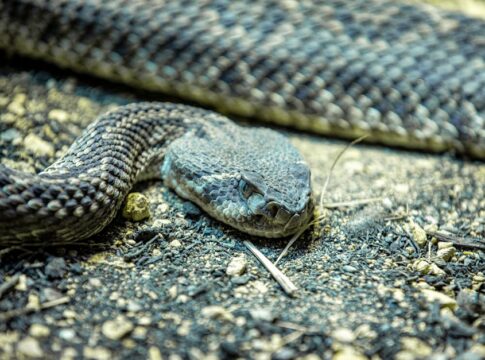
Some species can see wavelengths of light invisible to humans. Birds can perceive ultraviolet light, which helps them detect patterns and signals in their environment that might indicate danger. Certain snakes have heat-sensing pit organs that create thermal images, allowing them to detect warm-blooded predators or competitors even in complete darkness.
Chemical Detection and Olfactory Awareness
The sense of smell provides crucial danger detection for countless animal species. Bears possess one of the most powerful olfactory systems in the animal kingdom, capable of detecting scents from miles away. This ability helps them avoid threats, including human presence, long before visual or auditory detection would be possible.
Fish and aquatic animals can detect chemical alarm signals released by injured members of their species. When a minnow is attacked, it releases specific chemical compounds that warn other minnows of danger in the area. This chemical communication system allows schools of fish to respond collectively to threats, even when they cannot see the predator directly.
Insects use chemical detection extensively for danger avoidance. Ants release alarm pheromones when threatened, alerting the entire colony to potential danger. Bees employ similar chemical warning systems, coordinating defensive responses against threats to their hive.
Vibration and Pressure Sensitivity
Many animals detect danger through vibrations transmitted through air, water, or solid surfaces. Spiders sense the approach of predators through vibrations in their webs, distinguishing between prey, wind, and threats based on the pattern and frequency of vibrations.
Alligators and crocodiles have remarkable pressure-sensitive organs on their jaws called integumentary sensory organs. These sensors detect minute pressure changes in water, alerting them to potential threats or prey movements even in murky water where vision is limited.
Snakes can feel vibrations through their bodies as they press against the ground. This sensitivity allows them to detect approaching footsteps and other ground vibrations that might indicate danger, compensating for their limited hearing abilities.
Electromagnetic and Magnetic Field Detection
Some animals possess the extraordinary ability to detect electromagnetic fields, which can serve as an early warning system for certain dangers. Sharks use electroreception organs called ampullae of Lorenzini to detect the weak electrical fields generated by other animals’ muscles and nervous systems. This sense helps them avoid larger predators and detect potential threats.
Birds and sea turtles can sense Earth’s magnetic field, which primarily helps with navigation but may also alert them to geomagnetic anomalies associated with geological events like earthquakes or volcanic activity.
Weather and Atmospheric Pressure Sensing
Numerous species can detect changes in atmospheric pressure and weather patterns that signal approaching storms or other natural dangers. Birds often alter their behavior before severe weather, flying to shelter or migrating earlier than usual when they sense barometric pressure drops.
Sharks and other marine animals can detect pressure changes associated with approaching hurricanes, often moving to deeper, calmer waters days before the storm arrives. This sensitivity to atmospheric and water pressure changes provides them with advance warning that helps them survive extreme weather events.
Livestock animals frequently display unusual behavior before earthquakes, though the exact mechanism remains debated among scientists. Theories suggest they may detect electromagnetic changes, ground vibrations, or release of gases from the earth’s crust that precede seismic events.
Integrated Sensory Processing
The most effective danger detection occurs when animals integrate information from multiple sensory systems simultaneously. A deer doesn’t rely solely on hearing or vision but constantly processes information from all available senses to create a comprehensive awareness of its environment. This multi-sensory integration allows for faster, more accurate threat assessment and response, maximizing survival chances in a dangerous world.