







⏱️ 5 min read
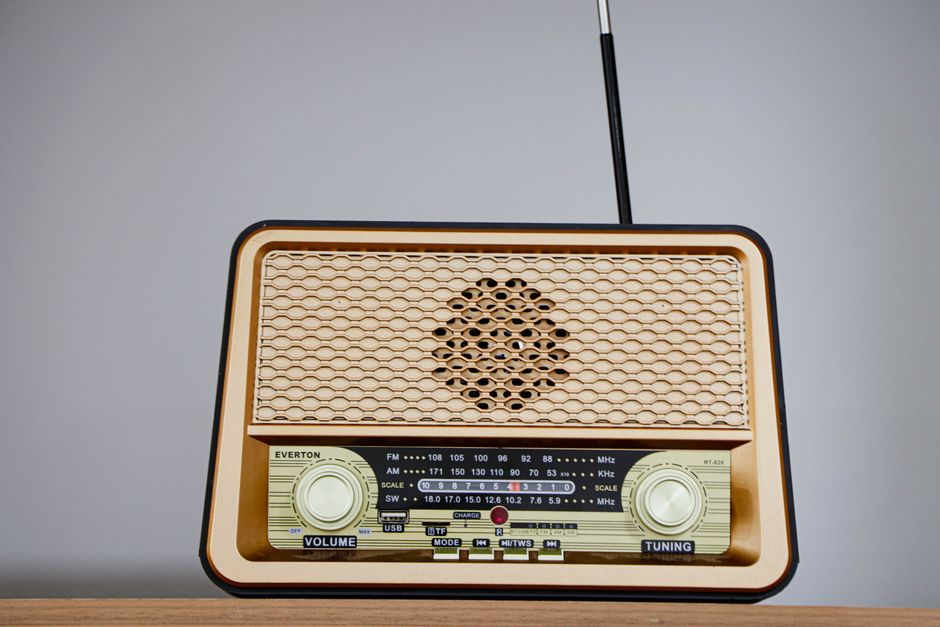
From the late 1920s through the 1950s, families across America gathered around their radios each evening, captivated by voices, sound effects, and music that transported them to distant worlds. This era, spanning roughly three decades, represented radio's most influential period as an entertainment medium, before television claimed its throne. During this time, radio drama became the primary source of home entertainment, creating a shared cultural experience that united millions of listeners and launched the careers of countless performers, writers, and directors.
The Rise of Audio Entertainment
Radio drama emerged as a dominant entertainment force in the late 1920s, following technological advances that made radio receivers affordable for average households. NBC launched in 1926, followed by CBS in 1927, establishing the network infrastructure that would deliver programming to stations nationwide. Early broadcasts were simple affairs, often featuring single performers reading stories or plays originally written for the stage. However, producers quickly recognized radio's unique potential as a storytelling medium that could engage the imagination in ways theater and silent films could not.
By the early 1930s, radio drama had evolved into a sophisticated art form with its own conventions, techniques, and star performers. Sound effects departments developed ingenious methods to create realistic audio environments, from coconut shells clapping together to simulate horses' hooves to crumpling cellophane for crackling fire sounds. These innovations allowed producers to craft immersive audio experiences that could instantly transport listeners from their living rooms to haunted mansions, distant planets, or the Old West.
Iconic Programs That Defined an Era
Several programs became cultural touchstones during radio's golden age, attracting millions of devoted listeners and shaping American popular culture. "The Shadow," which premiered in 1937, featured the mysterious crime-fighter Lamont Cranston who possessed the power to cloud men's minds. The show's opening line—"Who knows what evil lurks in the hearts of men? The Shadow knows!"—became one of radio's most recognizable phrases, delivered in ominous tones that set the perfect mood for the suspenseful adventures that followed.
"The War of the Worlds" broadcast on October 30, 1938, demonstrated radio drama's power to blur the lines between fiction and reality. Orson Welles and the Mercury Theatre on the Air presented H.G. Wells' science fiction novel as a series of simulated news bulletins reporting a Martian invasion. The realistic format caused widespread panic among listeners who tuned in after the introduction and believed they were hearing actual news reports of an alien attack on Earth.
Comedy-variety programs like "The Jack Benny Program" and "Fibber McGee and Molly" drew enormous audiences throughout the 1930s and 1940s. These shows combined scripted comedy sketches with recurring characters and situations that listeners eagerly anticipated each week. Jack Benny's fictional persona as a vain, cheap violinist became so well-established that audiences would laugh at the mere mention of his basement vault or his ancient Maxwell automobile.
Genres and Storytelling Innovations
Radio drama encompassed diverse genres, each with distinct characteristics and devoted followings. Detective and mystery programs proliferated, with shows like "The Whistler," "Suspense," and "Inner Sanctum Mysteries" delivering weekly doses of crime, intrigue, and psychological thriller elements. These programs mastered the art of building tension through pacing, music, and strategic use of silence.
Westerns dominated afternoon and early evening timeslots, particularly appealing to younger listeners. "The Lone Ranger," "Gunsmoke," and "Sergeant Preston of the Yukon" brought frontier adventures into American homes, complete with galloping horses, gunfights, and clear moral lessons about justice and heroism. These shows established narrative formulas and character archetypes that would later transfer seamlessly to television westerns.
Soap operas, so named because many were sponsored by soap manufacturers, aired during daytime hours targeting housewives. Programs like "Ma Perkins," "Our Gal Sunday," and "The Guiding Light" presented ongoing serialized dramas that built loyal audiences who followed their favorite characters through years of romantic entanglements, family conflicts, and personal triumphs. Some of these programs eventually transitioned to television, where they continued for decades.
The Business and Cultural Impact
Radio drama operated under a sponsor-driven business model that profoundly influenced program content and structure. Major corporations purchased airtime and sponsored entire programs, often inserting their products directly into the storylines or having performers deliver commercial messages in character. This arrangement gave sponsors considerable creative control, though it also provided the financial backing necessary for high-quality productions.
The cultural impact extended beyond entertainment. Radio dramas helped establish a national culture, as people from different regions and backgrounds shared common reference points through popular programs. During World War II, radio served as a vital source of news and morale-boosting entertainment, with programs often incorporating patriotic themes and war-related storylines that reflected and shaped public sentiment.
The Decline and Legacy
Television's rapid adoption in the late 1940s and early 1950s fundamentally altered the entertainment landscape. By 1955, more American households owned televisions than radios, and advertisers shifted budgets accordingly. Many radio programs attempted to transition to television, with varying degrees of success. Some formats, particularly variety shows and westerns, adapted well to the visual medium, while others disappeared entirely.
Despite radio drama's decline as a mainstream entertainment form, its influence persists in modern media. Podcast dramas have revived interest in audio storytelling, employing many of the same techniques pioneered during radio's golden age. The production values, narrative structures, and character development methods established during this era continue to inform contemporary audio entertainment, proving that compelling storytelling transcends technological platforms.
The golden age of radio drama represents a unique chapter in entertainment history when the human voice, combined with sound effects and music, created entire worlds limited only by the listener's imagination. This period demonstrated the power of audio storytelling and left an indelible mark on American culture that resonates even in today's visual-dominated media landscape.