
⏱️ 5 min read
Every day, hundreds of satellites orbit our planet, continuously capturing detailed information about Earth’s surface, atmosphere, and oceans. These sophisticated instruments have revolutionized our understanding of geography, weather patterns, environmental changes, and urban development. Modern satellite mapping technology provides unprecedented accuracy and coverage, enabling scientists, governments, and businesses to make informed decisions based on comprehensive global data.
The Fundamentals of Satellite-Based Earth Observation
Satellite mapping relies on sensors positioned in various orbits around Earth, each designed to capture specific types of data. These orbits typically fall into two main categories: geostationary orbits, which keep satellites positioned above a fixed point on Earth’s surface at approximately 35,786 kilometers altitude, and low Earth orbits, which range from 160 to 2,000 kilometers above the planet. Low Earth orbit satellites provide higher resolution imagery due to their proximity to the surface, while geostationary satellites offer continuous monitoring of specific regions.
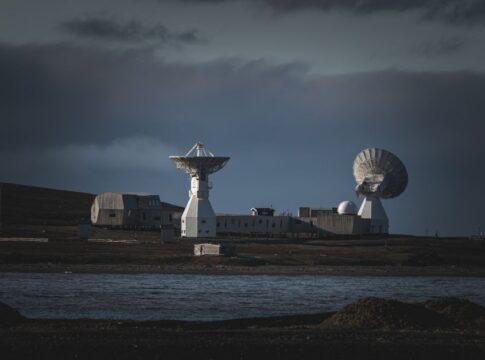
The mapping process begins when satellites transmit electromagnetic radiation toward Earth or passively detect radiation reflected or emitted from the planet’s surface. Sensors onboard these spacecraft measure the returned signals, which vary based on the physical properties of whatever they encounter. This data is then transmitted to ground stations, where sophisticated algorithms process the raw information into usable maps and imagery.
Remote Sensing Technologies and Methodologies
Optical and Multispectral Imaging
Optical satellite sensors function similarly to digital cameras, capturing visible light reflected from Earth’s surface. These instruments can distinguish between different surface features based on their reflective properties. Multispectral sensors extend this capability by detecting radiation across multiple wavelength bands, including infrared and ultraviolet ranges invisible to human eyes. This technology enables the identification of vegetation health, water bodies, soil composition, and mineral deposits that would otherwise remain undetectable through conventional photography.
Radar and Synthetic Aperture Radar
Unlike optical systems that depend on sunlight, radar satellites actively emit microwave pulses and measure their reflections. This active sensing method allows for mapping regardless of weather conditions or time of day. Synthetic Aperture Radar (SAR) represents a particularly powerful advancement, using the satellite’s movement along its orbital path to simulate a much larger antenna. SAR can detect minute changes in Earth’s surface elevation, making it invaluable for monitoring ground deformation, tracking ice sheet movements, and assessing structural changes in buildings and infrastructure.
Light Detection and Ranging (LiDAR)
LiDAR technology employs laser pulses to measure precise distances to Earth’s surface. By calculating the time required for each laser pulse to travel to the ground and return, satellites can generate highly accurate three-dimensional elevation models. This technology proves especially useful for mapping terrain beneath forest canopies, creating detailed topographic surveys, and monitoring coastal erosion.
Data Processing and Map Generation
The transformation of raw satellite data into usable maps involves multiple complex processing steps. Initially, geometric corrections compensate for distortions caused by Earth’s curvature, satellite orientation, and terrain variations. Radiometric corrections adjust for atmospheric interference and variations in sensor performance. These preprocessing steps ensure that measurements from different satellites and time periods can be accurately compared and combined.
Advanced computer algorithms then classify surface features by analyzing spectral signatures—the unique patterns of radiation absorption and reflection characteristic of different materials. Machine learning and artificial intelligence increasingly enhance this classification process, automatically identifying features such as roads, buildings, agricultural fields, and water bodies with remarkable accuracy.
Geographic Information Systems (GIS) integrate processed satellite data with existing geographic databases, creating layered maps that combine current observations with historical information, political boundaries, and infrastructure data. These comprehensive mapping products support applications ranging from urban planning to disaster response.
Applications Across Industries and Disciplines
Environmental scientists use satellite mapping to monitor deforestation, track wildlife habitats, and measure glacier retreat. The consistent, wide-area coverage provided by satellites makes them ideal for detecting gradual environmental changes that might escape ground-based observation. Climate researchers rely on decades of satellite data to identify long-term trends in temperature, precipitation, and vegetation patterns.
Agricultural operations increasingly depend on satellite imagery to optimize crop management. Multispectral sensors detect variations in plant health invisible to the naked eye, allowing farmers to identify irrigation problems, pest infestations, or nutrient deficiencies before they significantly impact yields. Precision agriculture techniques guided by satellite data reduce water consumption, minimize fertilizer use, and increase productivity.
Urban planners and civil engineers use high-resolution satellite imagery to monitor city growth, plan infrastructure expansion, and assess land use patterns. The ability to compare imagery from different time periods reveals urbanization trends and helps predict future development needs.
Navigation and Positioning Systems
Global Navigation Satellite Systems (GNSS), including GPS, GLONASS, Galileo, and BeiDou, represent specialized applications of satellite technology for mapping and positioning. These constellations of satellites continuously broadcast precise timing signals that receivers on Earth use to calculate their exact position. Survey-grade GNSS equipment achieves centimeter-level accuracy, enabling precise mapping of property boundaries, construction sites, and geological features.
Future Developments in Satellite Mapping
Emerging technologies promise even more detailed and timely Earth mapping capabilities. Satellite constellations comprising hundreds of small satellites will provide near-continuous monitoring of the entire planet, updating imagery multiple times daily. Hyperspectral sensors detecting hundreds of narrow wavelength bands will enable identification of specific minerals, pollutants, and vegetation species. Quantum sensors may eventually detect gravitational variations with unprecedented precision, revealing subsurface geological structures and groundwater resources. As these technologies mature, satellite mapping will continue expanding our knowledge of Earth’s dynamic systems and supporting sustainable management of planetary resources.