








1 / 10 Questions
0 Points

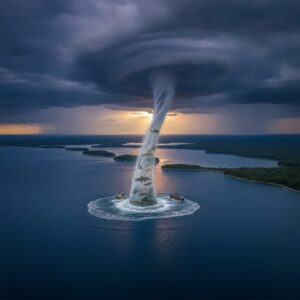
What do meteorologists call tornado-like vortexes over water?

Waterspouts

Sea twisters

Marine cyclones

Aquanados

Points won
0
Correct score
0%

More Quizzes

More Articles

Did You Know? Vinyl Records Are Making a Huge Comeback

Did You Know? Vinyl Records Are Making a Huge Comeback

⏱️ 5 min read

In an era dominated by digital streaming and instant access to millions of songs, a remarkable phenomenon has emerged in the music industry. Vinyl records, once considered relics of a bygone era, have experienced an extraordinary resurgence that has surprised industry analysts and delighted music enthusiasts worldwide. Sales figures from recent years reveal a trend that defies conventional wisdom about music consumption in the digital age, with vinyl record sales reaching heights not seen since the 1980s.

The Numbers Behind the Revival

The statistics surrounding vinyl's comeback are nothing short of remarkable. In 2022, vinyl record sales in the United States surpassed CD sales for the first time since 1987, marking a historic milestone in the format's resurrection. Revenue from vinyl records reached approximately $1.2 billion, representing a continuous growth pattern that has persisted for over 15 consecutive years. This resurgence isn't limited to the United States; countries across Europe, Asia, and Australia have reported similar trends, with vinyl pressing plants struggling to keep up with demand.

What makes this comeback particularly noteworthy is its consistency. Unlike fleeting trends that spike and fade, vinyl sales have shown steady, sustainable growth year after year. The format now accounts for a significant portion of physical music sales, demonstrating that this revival represents more than mere nostalgia—it reflects a genuine shift in how certain segments of the population choose to consume music.

Why Collectors and Audiophiles Are Returning to Vinyl

Several compelling factors explain why vinyl records have recaptured the imagination of music lovers. At the forefront is sound quality. Audiophiles and casual listeners alike report that vinyl offers a warmer, richer sound compared to digital formats. The analog nature of vinyl captures the continuous waveform of music, potentially preserving subtle nuances that can be lost in digital compression algorithms used by streaming services and MP3 files.

The tactile and visual experience also plays a crucial role in vinyl's appeal. Unlike clicking a button on a smartphone, playing a vinyl record is a deliberate, engaging activity. The ritual of removing the record from its sleeve, placing it on the turntable, and carefully positioning the needle creates a meaningful connection between listener and music. The large-format album artwork transforms each record into a piece of collectible art, offering a canvas for visual creativity that simply cannot be replicated on a smartphone screen.

The Generational Bridge

Interestingly, vinyl's resurgence isn't driven solely by older generations seeking to relive their youth. Younger music fans, particularly millennials and Generation Z, have embraced vinyl with enthusiasm. For these digital natives, vinyl represents something tangible in an increasingly virtual world. It offers a form of music ownership that feels permanent and real, contrasting sharply with subscription-based streaming services where access can disappear if a licensing agreement expires.

This cross-generational appeal has created unique dynamics in record stores and online marketplaces, where teenagers browse alongside middle-aged collectors, united by their appreciation for the format. Many young people discover their parents' or grandparents' record collections and develop an appreciation for both the music and the medium, creating bridges across generational divides.

The Industry's Response to Growing Demand

The music industry has taken notice of vinyl's resurgence and adapted accordingly. Major labels and independent artists alike now routinely release albums on vinyl, often alongside or even before digital versions. Special editions, colored vinyl, and limited pressings have become standard marketing tools, creating collectible items that generate excitement and drive sales.

Record pressing plants have experienced unprecedented demand, with many operating at full capacity. Some facilities that had shut down operations decades ago have reopened, while new pressing plants have been established to meet the market's needs. However, this increased demand has also created challenges, including longer production times and occasional shortages of raw materials needed for record manufacturing.

Beyond Music: Vinyl as Investment and Collectible

Vinyl records have increasingly been viewed as investment items and valuable collectibles. Rare pressings, first editions, and albums from iconic artists can command substantial prices in the secondary market. Some records originally purchased for a few dollars decades ago now sell for hundreds or even thousands of dollars, depending on their rarity and condition.

This investment aspect has created a sophisticated collector culture, complete with grading systems, authentication services, and specialized marketplaces. Record fairs and conventions attract thousands of attendees, while online platforms facilitate global trading of vinyl records, connecting collectors across continents.

The Role of Independent Record Stores

The vinyl revival has breathed new life into independent record stores, many of which struggled during the digital transition. These stores have evolved into community hubs where music enthusiasts gather not just to purchase records but to discover new artists, attend in-store performances, and connect with like-minded individuals. Annual events like Record Store Day have become cultural phenomena, drawing crowds eager to purchase exclusive releases and celebrate physical music formats.

Looking Toward the Future

The vinyl resurgence shows no signs of slowing down. Industry projections suggest continued growth, with manufacturers investing in new technology to improve production efficiency while maintaining the quality that makes vinyl special. As streaming continues to dominate overall music consumption, vinyl has carved out a complementary niche that serves different needs—offering permanence, quality, and experience in a world of ephemeral digital content.

This remarkable comeback demonstrates that despite technological advancement, there remains a deep human desire for tangible, high-quality music experiences. Vinyl records have proven that some formats transcend their utilitarian function to become cherished objects that enhance our relationship with music in ways that pure convenience cannot match.
Top 10 Largest Countries in the World

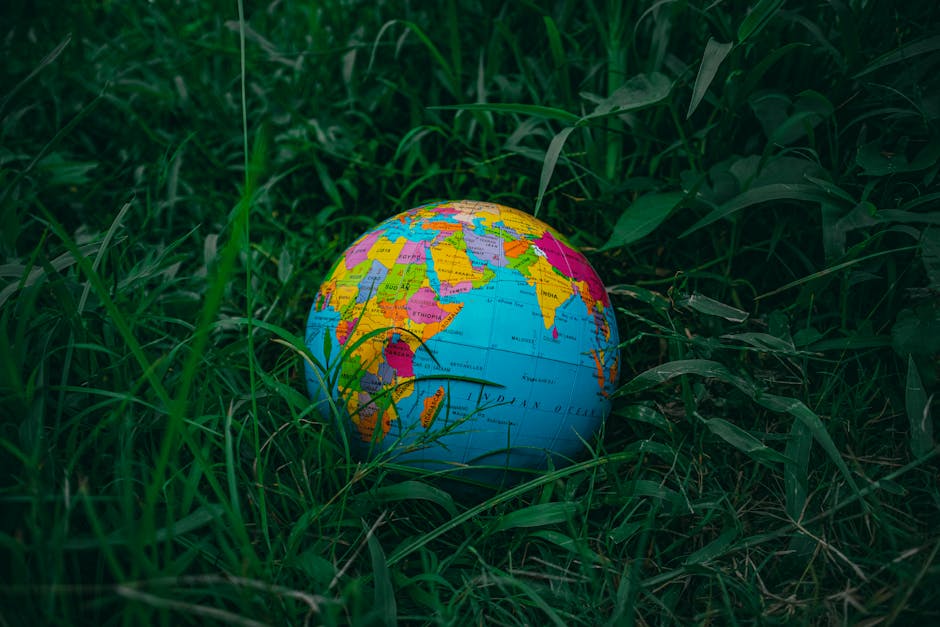
Top 10 Largest Countries in the World

⏱️ 6 min read

When examining the global landscape, size matters in ways that extend far beyond mere statistics. The world's largest countries shape international politics, contain diverse ecosystems, influence global economics, and house billions of people across vast territories. From frozen tundras to tropical rainforests, these nations span multiple climate zones and time zones, presenting unique geographical and administrative challenges. Understanding which countries claim the most territory provides insight into population distribution, natural resource allocation, and geopolitical significance on the world stage.

The Giants of Global Geography

1. Russia: The Transcontinental Titan

Spanning an astounding 17.1 million square kilometers, Russia holds the undisputed title as the world's largest country by land area. This massive nation stretches across eleven time zones and two continents, extending from Eastern Europe to the northern Pacific Ocean. Russia's territory encompasses approximately 11% of the world's total land mass, making it nearly twice the size of the second-largest country. The nation's geography includes vast Siberian plains, extensive mountain ranges like the Urals, the world's deepest lake (Lake Baikal), and diverse ecosystems ranging from Arctic tundra to subtropical beaches. Despite its enormous size, much of Russia's territory remains sparsely populated due to harsh climate conditions, with most inhabitants concentrated in the western regions.

2. Canada: The Northern Wilderness Expanse

With a total area of 9.98 million square kilometers, Canada claims second place among the world's largest nations. This North American giant boasts the world's longest coastline, stretching over 202,000 kilometers across three oceans: the Atlantic, Pacific, and Arctic. Canada's landscape features remarkable diversity, including the Rocky Mountains, vast prairies, dense boreal forests, and the Arctic archipelago. The country contains more lakes than the rest of the world combined and possesses significant freshwater resources. Despite its massive size, Canada has a relatively small population of approximately 38 million people, with most residents living within 200 kilometers of the United States border.

3. United States: The Economic Powerhouse

The United States occupies 9.83 million square kilometers, making it the third-largest country globally. This figure includes the contiguous 48 states, Alaska, and Hawaii, spanning from the Atlantic to the Pacific Ocean. The nation's geography encompasses extraordinary variety: the Appalachian and Rocky Mountain ranges, the Great Plains, extensive river systems including the Mississippi, vast deserts in the Southwest, and tropical environments in Hawaii and southern Florida. The United States benefits from abundant natural resources, fertile agricultural land, and strategic positioning with coastlines on both the Atlantic and Pacific Oceans, contributing to its economic and military prominence.

4. China: The Asian Population Giant

China encompasses approximately 9.6 million square kilometers, securing fourth place among the world's largest countries. This East Asian nation features incredibly diverse terrain, from the towering Himalayas and Tibetan Plateau in the west to fertile river valleys and coastal plains in the east. China contains portions of several major geographical features, including the Gobi Desert, the Yangtze and Yellow Rivers, and extensive mountainous regions. As the world's most populous nation with over 1.4 billion people, China faces unique challenges in managing resources and development across its vast territory, which spans five different time zones despite officially operating on a single time zone.

5. Brazil: The South American Rainforest Kingdom

Brazil covers 8.51 million square kilometers, making it the fifth-largest country worldwide and the largest in South America, occupying nearly half of the continent's total area. The nation's defining geographical feature is the Amazon Rainforest, which covers approximately 60% of Brazil's territory and represents the world's largest tropical rainforest. Brazil's landscape also includes the Pantanal wetlands, extensive Atlantic coastline, highland plateaus, and the mighty Amazon River system. The country's size and natural resources make it a critical player in global environmental discussions, particularly regarding climate change and biodiversity conservation.

6. Australia: The Island Continent

Australia spans 7.69 million square kilometers, ranking as the sixth-largest country and the world's largest island nation. This unique country occupies an entire continent, featuring predominantly arid and semi-arid landscapes, with deserts covering approximately 70% of its territory. Australia's geography includes the iconic Outback, the Great Barrier Reef along its northeastern coast, tropical rainforests in the north, temperate regions in the south, and distinctive wildlife found nowhere else on Earth. Despite its enormous size, Australia has a relatively small population concentrated primarily in coastal cities, with the vast interior remaining sparsely inhabited.

7. India: The Subcontinent Powerhouse

India occupies 3.29 million square kilometers, making it the seventh-largest country globally. The Indian subcontinent features remarkable geographical diversity, including the Himalayan mountain range in the north (home to some of Earth's highest peaks), the fertile Indo-Gangetic Plain, the Thar Desert in the west, the Deccan Plateau in the south, and extensive coastlines along the Arabian Sea and Bay of Bengal. India's strategic location and size, combined with its population of over 1.4 billion people, make it a significant regional and global power with growing economic and political influence.

8. Argentina: The Southern Cone Leader

Argentina extends across 2.78 million square kilometers, ranking eighth among the world's largest countries. This South American nation stretches from subtropical regions in the north to the subantarctic territories in the south, encompassing diverse landscapes including the Pampas grasslands, the Andes Mountains along its western border, Patagonian steppes, and the dramatic landscapes of Tierra del Fuego. Argentina's remarkable north-south extension results in extreme climatic variation, from tropical forests to glacial regions, making it one of the world's most geographically diverse nations.

9. Kazakhstan: The Central Asian Steppe Nation

Kazakhstan covers 2.72 million square kilometers, securing ninth place as the world's largest landlocked country. This Central Asian nation features predominantly flat terrain with vast steppes, semi-deserts, and deserts, though it also includes mountainous regions in the southeast. Kazakhstan's geography includes the Caspian Sea shoreline (the world's largest lake), portions of the Aral Sea, and extensive mineral-rich territories. The country's immense size relative to its population of approximately 19 million people results in one of the world's lowest population densities.

10. Algeria: The African Desert Giant

Algeria encompasses 2.38 million square kilometers, making it the tenth-largest country worldwide and the largest in Africa. This North African nation's geography is dominated by the Sahara Desert, which covers more than 80% of its territory. Algeria's landscape includes the coastal Tell Atlas mountains along the Mediterranean, fertile coastal plains, and the vast, arid expanses of the Sahara in the south. Despite its enormous size, the majority of Algeria's 44 million inhabitants live in the northern coastal regions, with the southern desert areas remaining sparsely populated.

Understanding Global Scale and Distribution

These ten largest countries collectively account for approximately 49% of Earth's total land surface, demonstrating how a relatively small number of nations control vast territories. Their geographical features, natural resources, and strategic positions significantly influence global politics, economics, and environmental policies. From Russia's transcontinental expanse to Algeria's desert dominance, each nation's size presents unique opportunities and challenges in governance, resource management, and development. Understanding these geographical giants provides essential context for comprehending international relations, environmental issues, and the distribution of Earth's natural wealth across the globe.