











1 / 10 Questions
0 Points

When did most U.S. cities begin water fluoridation?

1930s

1970s

1950s

1990s

Points won
0
Correct score
0%

More Quizzes

More Articles

20 Fascinating Facts About the Marvel Cinematic Universe

20 Fascinating Facts About the Marvel Cinematic Universe

⏱️ 8 min read

The Marvel Cinematic Universe has transformed modern cinema since its inception in 2008, creating an interconnected narrative spanning dozens of films and television series. Behind the superhero battles and cosmic adventures lies a treasure trove of production secrets, creative decisions, and unexpected developments that shaped this unprecedented entertainment phenomenon. These fascinating insights reveal how Marvel Studios built the most successful film franchise in history.

Behind-the-Scenes Revelations and Production Secrets

1. Robert Downey Jr. Was Considered Too Risky for Iron Man

When Marvel Studios began casting for Iron Man in 2006, studio executives were hesitant about Robert Downey Jr. due to his troubled past. Director Jon Favreau had to fight extensively to secure him for the role, even putting his own salary on the line. The actor's previous struggles made him nearly uninsurable, and Marvel had to pay a significant premium for production insurance. This gamble paid off spectacularly, as Downey's portrayal became the foundation of the entire MCU.

2. The Original Avengers Script Featured Different Heroes

Early drafts of The Avengers included completely different roster lineups. At various points, the script featured characters like Wasp and Ant-Man in place of Black Widow and Hawkeye. Joss Whedon had to continuously revise the screenplay based on which characters Marvel had successfully established in previous films and which actors were available for the ensemble production.

3. Tom Holland Learned He Was Spider-Man Through Instagram

After months of auditions involving thousands of young actors, Tom Holland discovered he had been cast as Spider-Man by checking Instagram. Marvel had announced the casting online before personally informing him. The young British actor was among seven finalists who screen-tested with Robert Downey Jr., and his youthful energy and gymnastics background made him the perfect choice for a younger, more acrobatic version of the web-slinger.

4. The Infinity Stones Were Not Planned From the Beginning

Despite appearing meticulously planned, the Infinity Stones concept evolved organically throughout the MCU's development. The Tesseract appeared in the first Captain America film simply as a powerful artifact, with no immediate plans for additional stones. Marvel Studios president Kevin Feige and the creative team gradually developed the overarching Infinity Stones narrative as the universe expanded, retroactively connecting earlier plot elements.

5. Chris Evans Initially Declined Captain America Multiple Times

Before accepting the iconic shield, Chris Evans repeatedly turned down the role of Captain America due to anxiety about the massive commitment and loss of privacy that would come with a multi-film contract. He declined the part at least three times before Robert Downey Jr. personally convinced him to reconsider. Evans' reluctance stemmed from a previous negative experience with franchise filmmaking in the Fantastic Four series.

6. The Shawarma Scene Was Filmed After the Premiere

The beloved post-credits scene in The Avengers showing the team silently eating shawarma was shot after the film's world premiere. The cast had to reassemble for the quick shoot, and Chris Evans had grown a beard for another role, requiring him to wear a prosthetic to cover his face. The scene was added to some theatrical prints after the movie had already begun its release.

7. Bradley Cooper Records Rocket's Dialogue Alone

Bradley Cooper never visits the set during Guardians of the Galaxy productions. Instead, he records all of Rocket's dialogue in a sound booth by himself, watching playback of the scenes with the stand-in performer. Director James Gunn provides guidance remotely, and Cooper's performance is layered over the footage during post-production, allowing him to complete his work in just a few intensive recording sessions.

8. Jeff Bridges Didn't Have a Complete Script for Iron Man

During the production of Iron Man, much of the dialogue was improvised because the script was being rewritten throughout filming. Jeff Bridges later revealed he found the experience challenging because entire scenes were created on set without fully developed screenplay pages. This improvisational approach became a Marvel trademark, allowing actors like Robert Downey Jr. to inject natural humor and character moments into their performances.

9. The MCU Has Featured Over 8,000 Visual Effects Shots in Single Films

Modern MCU films contain staggering amounts of visual effects work. Avengers: Endgame featured over 2,500 visual effects shots, while some of the more effects-heavy productions have exceeded that number significantly. Multiple visual effects companies work simultaneously on different sequences, with some films requiring more than two years of post-production work to complete the complex digital environments and character animations.

10. Mark Ruffalo Wasn't Allowed to Read the Full Endgame Script

Due to his reputation for accidentally revealing spoilers in interviews, Mark Ruffalo was given a fake script for Avengers: Endgame that didn't include the actual ending. He has a well-documented history of inadvertently spoiling major plot points during press tours, including accidentally livestreaming the first minutes of Thor: Ragnarok from his phone during the premiere. Marvel implemented special security measures specifically for him.

Creative Decisions and Character Development

11. Thanos' Appearance Changed Dramatically During Development

The Mad Titan's design underwent significant evolution throughout his MCU appearances. His first appearance in The Avengers post-credits scene featured a different facial structure and appearance than his final design in Infinity War. The character was completely redesigned to make him more expressive and capable of conveying complex emotions through performance capture, allowing Josh Brolin's facial performance to translate more effectively.

12. Captain Marvel's Cat Caused More Injuries Than Battle Scenes

During Captain Marvel production, the animal actors playing Goose the cat scratched Samuel L. Jackson, causing a minor injury that required medical attention. Multiple trained cats were used for different scenes, and their unpredictable behavior made them more challenging to work with than the elaborate fight choreography. The production team kept veterinary staff on standby throughout filming for the feline performers.

13. The Guardians of the Galaxy Soundtrack Saved Cassette Sales

The Awesome Mix Vol. 1 soundtrack from Guardians of the Galaxy created such demand for the retro format that cassette tape sales increased for the first time in years. The nostalgic music became integral to the film's identity and emotional resonance. The soundtrack's success influenced how Marvel approached music in subsequent films, making song selection a more prominent part of storytelling.

14. Spider-Man's Introduction Required a Historic Studio Agreement

Bringing Spider-Man into the MCU necessitated an unprecedented deal between Sony Pictures and Marvel Studios. Sony retained ownership and final creative control while allowing Marvel to use the character in MCU films. This arrangement, finalized in 2015, nearly collapsed multiple times before the studios reached terms that satisfied both parties. The agreement has been renegotiated several times, creating uncertainty about the character's future.

15. Black Panther's Vibranium Suit Uses Real Physics Principles

The design team consulted with scientists about kinetic energy absorption when creating Black Panther's technologically advanced suit. The visual representation of how the suit stores and releases energy was based on actual principles of physics, even though the vibranium metal itself is fictional. This attention to scientific plausibility helps ground the fantastical elements in something audiences can conceptually understand.

Box Office Records and Cultural Impact

16. Avengers: Endgame Briefly Became the Highest-Grossing Film Ever

With a worldwide total exceeding 2.79 billion dollars, Avengers: Endgame surpassed Avatar to become the highest-grossing film of all time in 2019. The achievement was celebrated by Marvel Studios as the culmination of an eleven-year narrative arc. Avatar later reclaimed the top position after a Chinese re-release during the pandemic, but Endgame remains the highest-grossing superhero film ever made.

17. The MCU Has Generated Over 28 Billion Dollars Worldwide

Collectively, the Marvel Cinematic Universe films have generated more than 28 billion dollars in global box office revenue, making it the most successful film franchise in cinema history. This astronomical figure doesn't include merchandise sales, streaming revenue, or theme park attractions, which generate billions more annually. The franchise's financial success has fundamentally changed how studios approach franchise filmmaking.

18. Black Panther Earned Three Academy Awards

Black Panther became the first superhero film to receive a Best Picture nomination at the Academy Awards and won three Oscars for Costume Design, Production Design, and Original Score. This recognition marked a significant shift in how the Academy viewed superhero films, which had traditionally been overlooked in major categories. The film's cultural impact extended far beyond typical blockbuster entertainment.

19. Stan Lee's Cameos Were Filmed in Marathon Sessions

In his later years, Stan Lee filmed multiple cameo appearances during single-day sessions to accommodate his age and health. Marvel Studios scheduled these shoots to capture several films' worth of cameos simultaneously, ensuring they had footage available for upcoming releases. His final filmed cameos appeared in films released after his passing in 2018, providing bittersweet moments for longtime fans.

20. The MCU Employed Over 7,000 People on Endgame Alone

The production of Avengers: Endgame required an unprecedented crew size, with over 7,000 individuals contributing to various aspects of the film. This included actors, stunt performers, visual effects artists, editors, composers, and countless other specialists working across multiple continents. The logistics of coordinating such a massive production required years of planning and represented the largest undertaking in Marvel Studios history.

The Lasting Legacy of Marvel's Achievement

These twenty facts barely scratch the surface of the Marvel Cinematic Universe's remarkable journey from risky venture to cultural phenomenon. The franchise's success stems from meticulous planning, creative risk-taking, and the dedication of thousands of talented individuals who brought these stories to life. From casting decisions that seemed questionable at the time to technological innovations that pushed filmmaking boundaries, the MCU has consistently evolved and adapted to audience expectations while maintaining a cohesive narrative vision. The behind-the-scenes stories reveal that creating this interconnected universe required as much drama, conflict, and resolution as the superhero tales themselves, proving that sometimes the most fascinating stories are the ones that happen off-screen.
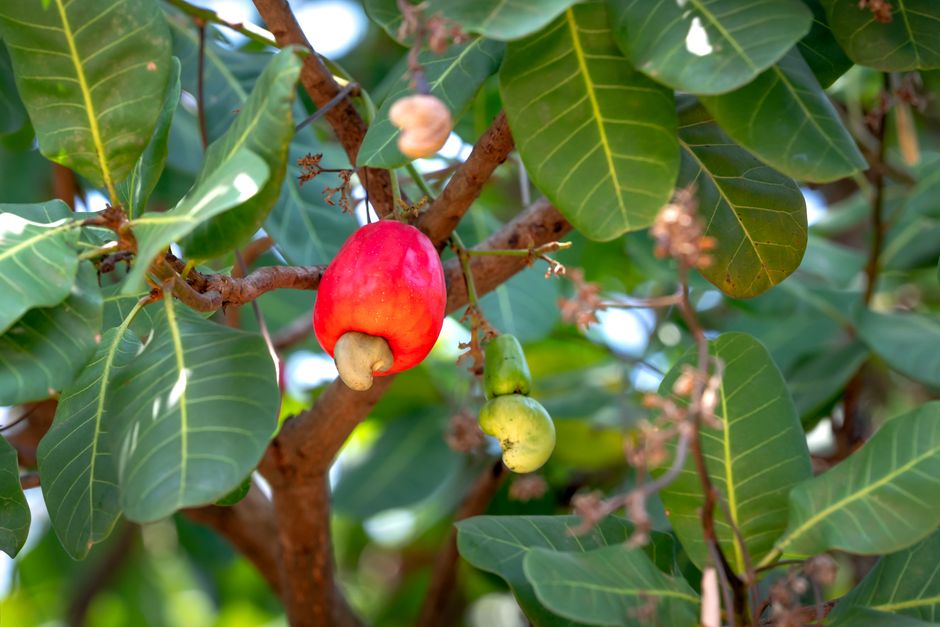
Did You Know the Cashew Apple Is Never Sold in Stores Because It Bruises Too Easily?

Did You Know the Cashew Apple Is Never Sold in Stores Because It Bruises Too Easily?

⏱️ 9 min read

When you crack open a cashew nut, you're eating just one small part of a remarkable tropical fruit that most people outside growing regions will never taste. The cashew tree produces a fleshy, pear-shaped structure called the cashew apple, which remains virtually unknown in global markets despite being juicy, nutritious, and surprisingly flavorful. This obscurity stems from a fragile biology that makes commercial distribution nearly impossible.

Quick Facts

  • The cashew apple bruises within hours of harvest and begins fermenting within 24 hours at room temperature.
  • Brazil produces over 2 million tons of cashew apples annually, with approximately 90% discarded or left to rot.
  • Cashew apples contain five times more vitamin C than oranges, averaging 200-260 mg per 100 grams.
  • The cashew nut grows externally at the bottom of the cashew apple, making it a false fruit botanically classified as an accessory fruit.
  • In Goa, India, cashew apples are fermented into feni, a spirit with protected geographical indication status.

The Biological Reality Behind the Bruising Problem

The cashew apple's extreme perishability stems from its cellular structure and chemical composition. Unlike apples or pears with firm cell walls reinforced by pectin, the cashew apple contains exceptionally thin-walled cells with high water content—approximately 85-90% of the fruit is water. When pressure is applied, these delicate cells rupture immediately, releasing enzymes that trigger rapid oxidation and browning. The fruit lacks the protective waxy cuticle found on most commercial fruits, making moisture loss occur at an accelerated rate.

Research conducted by the Brazilian Agricultural Research Corporation (Embrapa) measured the shelf life of cashew apples at ambient temperatures between 25-30°C. Their findings showed visible bruising appeared within 2-3 hours of mechanical stress, and complete deterioration occurred within 24-48 hours even under careful handling. The fruit's respiration rate—a measure of how quickly it metabolizes and degrades—is exceptionally high at 40-60 mg CO2/kg/hour, compared to just 3-7 mg CO2/kg/hour for standard apples. This metabolic intensity means the cashew apple essentially races toward decomposition from the moment it's picked.

The tannin content further complicates matters. Cashew apples contain between 0.1-0.35% tannins, which create an astringent, mouth-puckering sensation that intensifies as the fruit bruises. When cells break, tannins interact with proteins in saliva, producing an unpleasant sensation that makes damaged fruit nearly inedible. This astringency varies significantly between varieties, with some cultivars bred specifically for lower tannin content, but even these improved varieties cannot overcome the fundamental fragility issue.

Where Cashew Apples Are Actually Consumed

In cashew-growing regions across India, Brazil, Vietnam, Nigeria, and Tanzania, locals consume cashew apples fresh within hours of harvest. In the Indian states of Goa, Karnataka, and Kerala, street vendors sell freshly picked cashew apples during the March-to-May harvest season, but buyers must consume them almost immediately. The fruit commands very low prices—typically 10-20 rupees per kilogram in Indian markets, compared to 600-800 rupees per kilogram for the processed nuts.

Brazil's northeastern states have developed the most extensive cashew apple cuisine. In Ceará and Piauí, the fruit is juiced immediately after harvest, with the juice either consumed fresh or concentrated and frozen for later use. The Brazilian company De Marchi processes approximately 15,000 tons of cashew apples annually into juice concentrate, but this represents less than 1% of the total cashew apple production in the region. The juice has a distinctive sweet-tart flavor profile with tropical notes, somewhat reminiscent of mango mixed with citrus, but with a characteristic astringency that requires blending with sweeter fruits or added sugar for broader palatability.

In Mozambique and Tanzania, cashew apples are sometimes sun-dried into a chewy, fruit-leather-like product, though this practice remains limited to household consumption rather than commercial production. The drying process must begin within hours of harvest to prevent fermentation, and the final product retains much of the astringent character that limits its appeal.

Commercial Processing Attempts and Their Limitations

Food scientists have explored numerous preservation methods to extend cashew apple viability. Refrigeration at 2-5°C can extend shelf life to approximately 5-7 days, but the fruit still bruises with minimal handling, and the cold chain infrastructure required makes this economically unviable in most growing regions. Controlled atmosphere storage with reduced oxygen levels (2-3% O2) and elevated carbon dioxide (5-10% CO2) has extended shelf life to roughly 10 days in laboratory conditions, but commercial implementation has proven impractical given the low value of the fruit relative to storage costs.

The Indian Institute of Food Processing Technology developed a technique using edible coatings made from chitosan and aloe vera gel that reduced moisture loss by 40% and extended shelf life to 6 days under refrigeration. However, the coating process adds approximately 8-12 rupees per kilogram to production costs—economically unsustainable when the raw fruit sells for 10-20 rupees per kilogram. Similar experiments with wax coatings, modified atmosphere packaging, and calcium chloride treatments have all failed to achieve the combination of extended shelf life and economic feasibility necessary for commercial distribution.

Processing into juice, jam, or chutney remains the most viable commercial option, but even this faces challenges. The juice extracted from cashew apples oxidizes rapidly, turning from bright yellow to brown within 30-60 minutes of pressing. Ascorbic acid must be added immediately—typically at concentrations of 500-1000 ppm—to prevent browning. The juice also contains enzymes that cause rapid clarification and sedimentation, requiring either immediate pasteurization or enzyme deactivation through heating to 85-90°C for 15-20 seconds. These processing requirements must occur within hours of harvest, necessitating processing facilities located directly at growing sites.

Nutritional Value and Economic Waste

The widespread discarding of cashew apples represents a significant nutritional and economic loss. Beyond the exceptional vitamin C content—one cashew apple provides approximately 300-400% of the recommended daily intake—the fruit contains substantial amounts of iron (0.9-2.1 mg per 100g), calcium (10-20 mg), and phosphorus (15-30 mg). The fruit also provides phenolic compounds with demonstrated antioxidant activity, including anacardic acids, cardols, and flavonoids.

From an economic perspective, global cashew production reached 4.18 million tons of nuts in 2021, according to the Food and Agriculture Organization. Since each nut corresponds to one cashew apple weighing 80-200 grams (averaging around 120 grams), this represents approximately 500,000-800,000 tons of cashew apples produced globally. With minimal commercial utilization outside growing regions, this constitutes one of the largest fruit waste streams in tropical agriculture.

Researchers in Brazil have calculated that if just 25% of discarded cashew apples were converted to juice concentrate, it would create an industry worth approximately $180-240 million annually. However, this calculation assumes processing infrastructure that currently doesn't exist in most growing regions, where cashew farming typically occurs in remote, rural areas with limited electricity and transportation networks. The nuts themselves are valuable enough to justify collection and processing despite logistical challenges, but the low value and extreme perishability of the cashew apples make infrastructure investment economically questionable.

Alternative Uses Being Explored

Scientists and entrepreneurs have proposed innovative uses beyond direct consumption. In India, researchers have successfully produced vinegar from cashew apple juice through controlled fermentation, achieving acetic acid concentrations of 4-6% after 30-40 days of fermentation. The resulting vinegar has a fruity character distinct from conventional grain or wine vinegars, but production remains limited to small-scale artisanal operations.

The high sugar content—between 10-15% depending on variety—makes cashew apples theoretically suitable for bioethanol production. Studies at the Federal University of Ceará in Brazil demonstrated ethanol yields of approximately 40-45 liters per ton of cashew apples, comparable to sugarcane juice. However, the seasonal availability (harvest typically lasts only 2-4 months annually) and collection logistics make this impractical compared to dedicated energy crops.

Animal feed represents another potential use. The fruit's high moisture content and rapid fermentation actually prove advantageous for silage production. Research in Tanzania showed that cashew apple silage, when mixed with grasses at a 30:70 ratio, increased milk production in dairy cattle by approximately 12% compared to grass-only diets. The tannins that make fresh cashew apples astringent to humans have demonstrated benefits in ruminant nutrition, reducing methane production and improving protein utilization. Yet even this application requires collection infrastructure and proximity to livestock operations that rarely align with cashew growing regions.

Frequently Asked Questions

Can you buy cashew apples online or have them shipped internationally?

No, cashew apples cannot be shipped due to their 24-48 hour shelf life and extreme sensitivity to bruising. Even with expedited shipping and refrigeration, the fruit deteriorates before reaching consumers outside growing regions. Frozen cashew apple pulp or juice concentrate occasionally appears in specialty international markets serving communities from cashew-growing regions.

What does a cashew apple taste like?

Fresh cashew apples have a sweet-tart, tropical flavor with notes of mango, citrus, and bell pepper, along with a characteristic astringent quality that creates a mouth-puckering sensation. The flavor varies significantly between varieties, with some cultivars much sweeter and less astringent than others. The texture is soft, fibrous, and extremely juicy.

Is the cashew apple poisonous or related to why cashew nuts must be roasted?

The cashew apple itself is not poisonous and can be eaten raw, unlike the cashew nut shell which contains urushiol, the same toxic oil found in poison ivy. The nut requires roasting to remove this caustic substance, but the cashew apple contains no such toxins and is safely consumed fresh in growing regions.

Why don't farmers in cashew-growing countries process more cashew apples locally?

Processing requires expensive equipment, consistent electricity, and must occur within hours of harvest, yet cashew farming typically happens in remote rural areas lacking infrastructure. The processed products (juice, jam) have relatively low market value compared to cashew nuts, making infrastructure investment financially risky, especially given the short 2-4 month harvest season.

Key Takeaways

  • The cashew apple's cellular structure and 85-90% water content cause it to bruise within hours and completely deteriorate within 24-48 hours, making conventional distribution impossible without prohibitively expensive processing infrastructure.
  • Despite containing five times more vitamin C than oranges along with valuable minerals and antioxidants, approximately 90% of the estimated 500,000-800,000 tons of cashew apples produced globally are discarded or left to rot in fields.
  • Commercial viability remains limited to immediate processing into juice, alcoholic beverages like feni, or local fresh consumption within hours of harvest in growing regions across India, Brazil, Vietnam, and Africa.
  • The extreme perishability that prevents the cashew apple from ever reaching stores represents one of the largest fruit waste streams in agriculture, with numerous attempted preservation methods failing to achieve economic feasibility.