










1 / 10 Questions
0 Points

What ingredient in early Coca-Cola gave it a mild stimulant effect?

Ginseng root

Green tea leaves

Guarana berries

Coca leaf extract

Points won
0
Correct score
0%

More Quizzes

More Articles

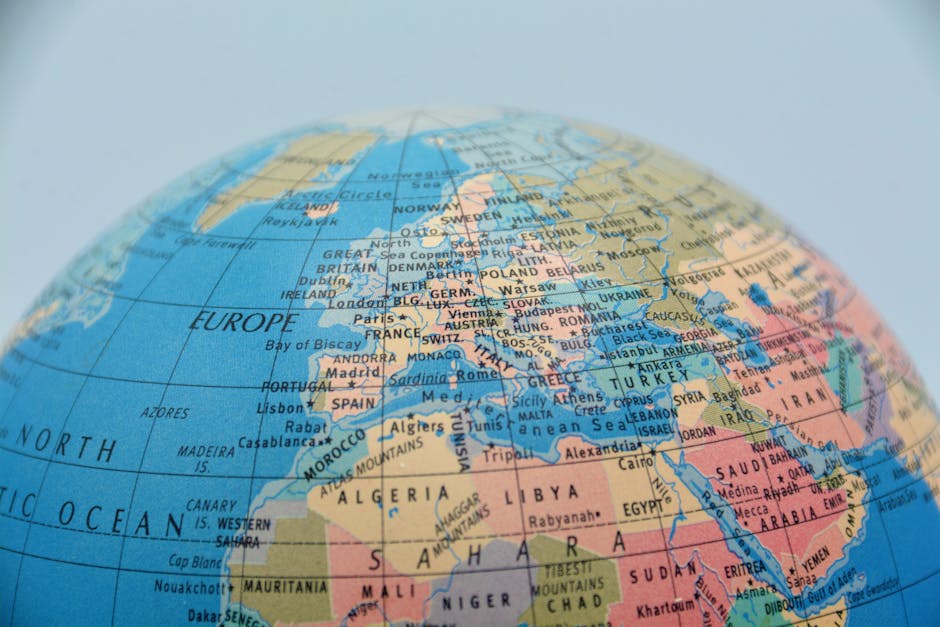
Did You Know Africa Is Splitting Into Two Continents?

Did You Know Africa Is Splitting Into Two Continents?

⏱️ 5 min read

Deep beneath the surface of East Africa, powerful geological forces are at work that will fundamentally reshape the world's second-largest continent. Over millions of years, Africa is gradually splitting apart along a massive crack in the Earth's crust known as the East African Rift System. This dramatic transformation will eventually result in the formation of a new ocean and the separation of a portion of eastern Africa from the rest of the continent.

Understanding the East African Rift System

The East African Rift System is a complex network of tectonic plate boundaries stretching over 3,000 kilometers from the Gulf of Aden in the north to Zimbabwe in the south. This geological feature represents an active continental rifting zone where the African continent is literally being torn apart by tectonic forces deep within the Earth's mantle.

The rift system consists of two main branches: the Eastern Rift Valley, which runs through Ethiopia, Kenya, and Tanzania, and the Western Rift Valley, which curves along the borders of Uganda, Rwanda, Burundi, and the Democratic Republic of Congo. These two branches surround a microplate known as the Victoria Plate, named after Lake Victoria, Africa's largest lake.

The Science Behind Continental Rifting

Continental rifting occurs when tectonic forces pull apart a continental plate, causing it to thin and eventually break. In East Africa, the Somali Plate is slowly separating from the Nubian Plate at a rate of approximately 6 to 7 millimeters per year. While this may seem insignificant, over geological timescales, this movement will have profound consequences.

The process is driven by the upwelling of hot mantle material beneath the African continent, creating what geologists call a mantle plume. This superheated rock rises toward the surface, causing the overlying lithosphere to dome upward and stretch. As the crust extends, it becomes thinner and weaker, creating deep valleys and allowing magma to reach the surface through volcanic activity.

Evidence of Active Rifting

Several observable phenomena provide compelling evidence that Africa is actively splitting:

  • Significant volcanic activity along the rift, including famous peaks like Mount Kilimanjaro and Mount Kenya
  • Frequent seismic activity and earthquakes throughout the region
  • Formation of deep valley systems and dramatic escarpments
  • Appearance of large fissures and cracks in the ground, particularly notable after heavy rainfall
  • Creation of numerous lakes along the rift valley, including Lake Tanganyika and Lake Malawi

The Timeline of Separation

While the continental rifting process is underway, the complete separation of East Africa from the rest of the continent will not occur in the foreseeable human future. Geologists estimate that it will take between 5 and 10 million years for the rift to widen sufficiently for seawater to flood in from the Red Sea and the Gulf of Aden, creating a new ocean basin.

Eventually, the portion of Africa east of the rift, including countries such as Somalia, Eritrea, Djibouti, and parts of Ethiopia, Kenya, Tanzania, and Mozambique, will form a separate landmass. This new continent would become the world's eighth continent, similar to how Madagascar separated from mainland Africa approximately 160 million years ago.

Geographic and Environmental Implications

The ongoing rifting process has already shaped East Africa's dramatic landscape and continues to influence the region's geography. The Great Rift Valley, a visible manifestation of this geological activity, creates some of the world's most spectacular scenery, including steep escarpments, volcanic mountains, and a chain of lakes.

The rift valley also significantly impacts local climate patterns and ecosystems. The high elevation of the surrounding plateaus and mountains creates diverse microclimates, supporting unique biodiversity. The numerous lakes formed within the rift valley, particularly the African Great Lakes, contain thousands of endemic species found nowhere else on Earth.

Human Settlements and Evolutionary Significance

The East African Rift Valley holds extraordinary significance for human evolution. This region is often called the "Cradle of Humankind" because numerous important hominin fossils have been discovered there, including some of the oldest evidence of human ancestors. The unique environmental conditions created by the rifting process may have played a crucial role in human evolution by creating diverse habitats that pressured early hominins to adapt.

Today, millions of people live within the rift valley and surrounding regions. The geological activity presents both opportunities and challenges for these populations. Fertile volcanic soils support agriculture, and geothermal energy resources offer sustainable power options. However, residents must also contend with earthquake risks and occasional volcanic eruptions.

Monitoring and Research

Scientists continuously monitor the East African Rift System using various technologies, including GPS measurements, satellite imagery, and seismographic networks. These tools allow researchers to track the rate of plate movement, measure ground deformation, and detect patterns in seismic activity.

Recent technological advances have enabled more precise measurements of the rifting process. In 2018, a large crack suddenly appeared in Kenya's Narok County following heavy rainfall and seismic activity, drawing international attention to this ongoing geological phenomenon. While such dramatic surface manifestations are relatively rare, they serve as visible reminders of the powerful forces reshaping the continent.

Global Geological Context

Africa's rifting is part of Earth's continuous geological evolution. Continental rifting has occurred throughout Earth's history, contributing to the formation and breakup of supercontinents. The East African Rift System represents one of the few places on Earth where continental rifting can be observed and studied in an active phase, providing valuable insights into fundamental geological processes that have shaped our planet for billions of years.
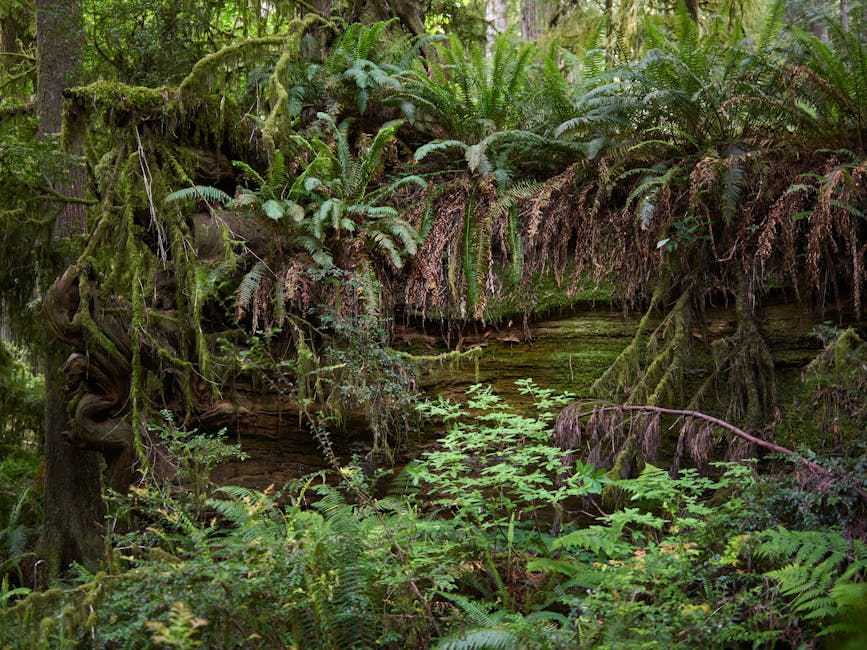
Did You Know The Amazon Rainforest Produces 20% of Our Oxygen?

Did You Know The Amazon Rainforest Produces 20% of Our Oxygen?

⏱️ 5 min read

The Amazon rainforest has long been celebrated as the "lungs of the Earth," with many believing it produces a significant portion of our planet's oxygen. However, recent scientific research has revealed surprising truths about this massive ecosystem and its actual role in global oxygen production. Let's explore twenty fascinating facts about the Amazon rainforest, its oxygen cycle, and its true environmental significance.

Understanding the Amazon's Role in Our Atmosphere

The 20% Oxygen Myth Debunked

Contrary to popular belief, the Amazon rainforest does not produce 20% of Earth's oxygen. Scientists have determined that the Amazon actually consumes nearly all the oxygen it produces through decomposition and respiration processes. The vast majority of Earth's oxygen—approximately 70%—comes from ocean phytoplankton, not terrestrial forests.

The Ocean's Dominant Oxygen Production

Marine phytoplankton, microscopic plant-like organisms floating in the ocean, are responsible for producing most of Earth's breathable oxygen. These tiny organisms perform photosynthesis on a massive scale, making the oceans our planet's true lungs rather than the Amazon rainforest.

The Amazon's Net Zero Oxygen Contribution

While the Amazon produces enormous amounts of oxygen through photosynthesis during daylight hours, it consumes nearly equivalent amounts through cellular respiration at night and decomposition of organic matter. This makes the forest essentially oxygen-neutral in terms of net atmospheric contribution.

Covering 2.1 Million Square Miles

The Amazon rainforest spans approximately 2.1 million square miles across nine South American countries, making it the world's largest tropical rainforest. This massive area represents about 40% of South America's total landmass and contains extraordinary biodiversity.

Home to 390 Billion Individual Trees

Scientists estimate that the Amazon contains approximately 390 billion individual trees representing about 16,000 different species. This staggering number highlights the forest's incredible biological diversity and complexity.

The True Carbon Storage Champion

While the oxygen production claim may be exaggerated, the Amazon's role in carbon storage is genuinely critical. The forest stores between 150-200 billion tons of carbon in its vegetation and soil, helping to regulate global climate patterns and mitigate climate change.

Producing 20% of Earth's Freshwater Flow

The Amazon River system, fed by the rainforest, discharges approximately 20% of all freshwater that flows into the world's oceans. This massive water cycle is perhaps more accurately representative of the "20%" figure than oxygen production.

Releasing 20 Billion Tons of Water Daily

Through transpiration, the Amazon rainforest releases approximately 20 billion tons of water into the atmosphere every day. This process creates "flying rivers" of moisture that influence weather patterns across South America and beyond.

Housing One in Ten Known Species

The Amazon rainforest contains approximately 10% of all known species on Earth, including countless plants, animals, insects, and microorganisms. Many of these species exist nowhere else on the planet, making the Amazon irreplaceable for biodiversity conservation.

Generating Its Own Rainfall

The Amazon creates approximately 50% of its own rainfall through the water cycle of evaporation and transpiration. This self-sustaining system means that deforestation can trigger cascading effects that reduce rainfall and potentially transform forest into savanna.

Environmental and Scientific Significance

Regulating Regional and Global Climate

The Amazon plays a crucial role in regulating both regional and global climate patterns. Its influence on atmospheric circulation, rainfall distribution, and temperature regulation extends far beyond South America, affecting weather patterns worldwide.

Losing Football-Field-Sized Areas Every Minute

Deforestation in the Amazon has accelerated alarmingly, with some estimates suggesting that forest areas equivalent to a football field disappear every minute. This rapid loss threatens the forest's ecological functions and carbon storage capacity.

Containing 80,000 Plant Species

Botanists have identified approximately 80,000 plant species in the Amazon rainforest, with new species continually being discovered. This botanical diversity provides invaluable genetic resources for medicine, agriculture, and scientific research.

Supporting 2.5 Million Insect Species

The Amazon hosts an estimated 2.5 million insect species, representing an enormous portion of Earth's arthropod diversity. These insects play critical roles in pollination, decomposition, and food web dynamics throughout the ecosystem.

Approaching a Dangerous Tipping Point

Scientists warn that if deforestation reaches 20-25% of the Amazon's original area, the forest may reach a tipping point where it can no longer sustain its rainfall cycle, potentially transforming large areas into degraded savanna ecosystems.

Providing 25% of Modern Pharmaceuticals

Approximately 25% of modern pharmaceutical compounds are derived from rainforest plants, yet less than 1% of tropical forest species have been thoroughly examined for medicinal properties. The Amazon represents a vast, largely untapped pharmacy for future medical discoveries.

Influencing Agricultural Productivity Continentally

The moisture transported by the Amazon's atmospheric rivers supports agricultural production across South America, particularly in Brazil's agricultural heartland. Loss of forest cover threatens food security for millions of people who depend on these rainfall patterns.

Storing More Carbon Than a Decade of Global Emissions

The carbon stored in Amazon vegetation and soils exceeds the total amount released by human activities over more than a decade. Protecting this carbon reservoir is crucial for maintaining atmospheric stability and preventing accelerated climate change.

Housing 400-500 Indigenous Tribes

The Amazon is home to approximately 400-500 indigenous tribes, including some 50 groups that have never contacted the outside world. These communities possess invaluable traditional knowledge about sustainable forest management and medicinal plants.

Experiencing Increased Fire Frequency

Climate change and deforestation have increased fire frequency in the Amazon, with devastating fires in recent years releasing massive amounts of stored carbon into the atmosphere. These fires threaten to accelerate the forest's transformation and reduce its climate-regulating capacity.

Conclusion

While the Amazon rainforest may not produce 20% of Earth's oxygen as commonly believed, its environmental importance cannot be overstated. From storing massive amounts of carbon and generating continental rainfall patterns to harboring extraordinary biodiversity and supporting indigenous cultures, the Amazon performs irreplaceable ecological functions. Understanding the truth about the Amazon—including correcting misconceptions about oxygen production—helps us appreciate its actual critical roles in Earth's climate system, water cycle, and biological heritage. Protecting this magnificent ecosystem requires both accurate scientific understanding and urgent conservation action to prevent the loss of one of our planet's most vital natural treasures.