








1 / 10 Questions
0 Points

Which Car Made History Debuting At The 1964 World's Fair?

Dodge Charger

Chevrolet Camaro

Ford Mustang

Pontiac GTO

Points won
0
Correct score
0%

More Quizzes

More Articles

The Cultural Meaning Behind Traditional Dishes

The Cultural Meaning Behind Traditional Dishes

⏱️ 5 min read

Every culture around the world has developed its own unique culinary traditions over centuries, with each dish telling a story far beyond its ingredients and preparation methods. Traditional foods serve as edible archives of history, preserving the values, beliefs, and experiences of communities across generations. Understanding the cultural significance of these dishes provides insight into the societies that created them and continues to celebrate their heritage through every meal.

Food as Historical Documentation

Traditional dishes often emerge from specific historical circumstances that shaped entire civilizations. The ingredients available in a particular region, the climate conditions, and the economic realities of different time periods all contributed to the development of signature foods. For instance, the prevalence of rice-based dishes throughout Asia reflects not only the agricultural suitability of the region for rice cultivation but also the ancient trade routes and migration patterns that spread these cooking techniques across continents.

Many traditional recipes were born from necessity, demonstrating human ingenuity in times of scarcity. Soul food in African American culture, for example, originated from enslaved people transforming inexpensive and leftover ingredients into flavorful, nourishing meals. These dishes became symbols of resilience, creativity, and community strength, carrying profound cultural meaning that extends well beyond sustenance.

Religious and Spiritual Connections

Religious observances have significantly influenced the development of traditional cuisines worldwide. Dietary laws and ritual celebrations have created distinctive food traditions that help communities maintain their spiritual identity. Kosher and halal preparation methods represent more than food safety practices; they embody religious devotion and cultural continuity spanning thousands of years.

Festival foods hold particular importance in connecting communities to their spiritual heritage. The mooncakes consumed during the Mid-Autumn Festival in Chinese culture symbolize unity and completeness, with families gathering to share these pastries while admiring the full moon. Similarly, the breaking of bread during Christian communion and the preparation of specific dishes during Hindu festivals like Diwali demonstrate how food serves as a tangible expression of faith and tradition.

Social Identity and Community Bonds

Traditional dishes function as markers of cultural identity, helping individuals maintain connections to their ancestral roots even when separated by geography or time. Immigrant communities often preserve their culinary traditions as a way to maintain cultural identity in new lands. The preparation and consumption of these foods become acts of cultural preservation, passing down not just recipes but entire worldviews and value systems.

Communal cooking and eating practices strengthen social bonds within communities. The Italian tradition of Sunday family dinners, the Ethiopian practice of eating from a shared platter, and the Japanese tea ceremony all demonstrate how food traditions create and reinforce social structures. These practices teach younger generations about cooperation, respect for elders, and the importance of community.

Symbolism in Ingredients and Preparation

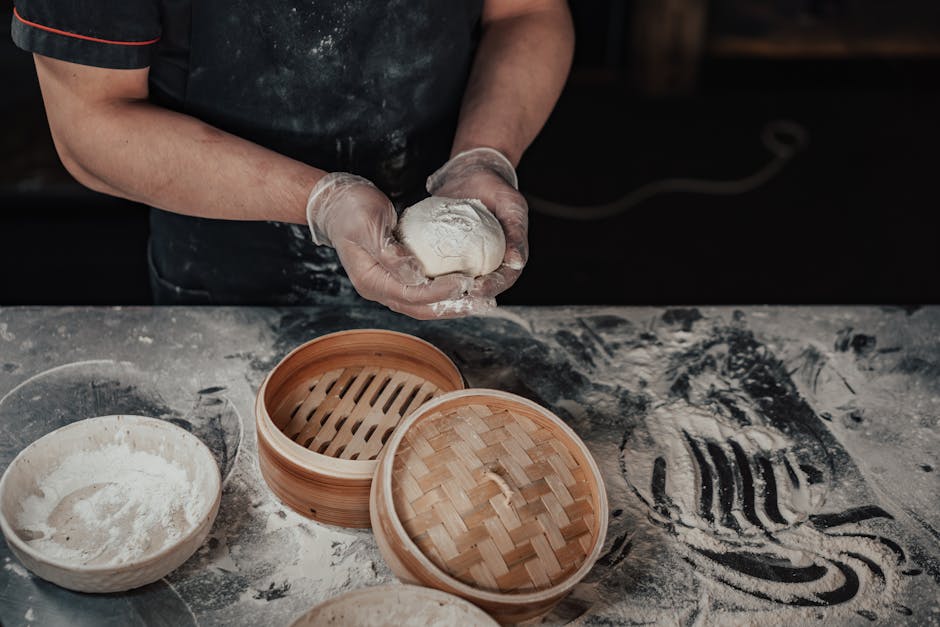
The specific ingredients used in traditional dishes often carry symbolic meanings deeply rooted in cultural beliefs. In many Asian cultures, noodles represent longevity and are served during birthday celebrations. The round shape of dumplings in Chinese cuisine symbolizes wealth and prosperity, making them essential during Lunar New Year celebrations.

Preparation methods themselves can hold cultural significance. The slow-cooking techniques used in many traditional stews and braises reflect values of patience and care. The communal preparation of dishes like tamales in Mexican culture or kimchi in Korean households transforms cooking into a social event that strengthens family ties and passes knowledge between generations.

Color and Presentation

The visual aspects of traditional dishes frequently incorporate cultural symbolism. Red foods often appear in Chinese celebrations because the color represents good fortune and joy. The careful arrangement of ingredients in Japanese cuisine reflects aesthetic principles rooted in Buddhist philosophy, emphasizing balance, seasonality, and respect for natural ingredients.

Seasonal Connections and Agricultural Heritage

Traditional cuisines typically align with agricultural cycles and seasonal availability, reflecting humanity's historical dependence on local ecosystems. Harvest festivals worldwide celebrate successful growing seasons with dishes made from freshly gathered crops. These seasonal traditions remind communities of their connection to the land and the cyclical nature of life.

The Mediterranean diet, recognized for both its health benefits and cultural significance, exemplifies how traditional cooking evolved in harmony with regional climate and agriculture. The emphasis on olive oil, fresh vegetables, and seafood reflects the natural bounty of the Mediterranean basin and centuries of sustainable food practices.

Preservation of Ancient Knowledge

Traditional recipes often contain accumulated wisdom about nutrition, food preservation, and medicinal properties of ingredients. Fermented foods found in cultures worldwide—from Korean kimchi to German sauerkraut to Indian dosa—demonstrate sophisticated understanding of beneficial bacteria and food preservation long before modern microbiology explained these processes.

Indigenous cuisines particularly represent invaluable repositories of knowledge about local ecosystems and sustainable food systems. Native American frybread, while born from difficult historical circumstances, has become a symbol of cultural survival and adaptation. Traditional Aboriginal Australian bush tucker and Amazonian indigenous foods showcase deep understanding of native plants and their nutritional and medicinal properties.

Evolution and Adaptation

While traditional dishes preserve cultural heritage, they also demonstrate adaptability and cultural exchange. Many foods considered traditional in one culture actually originated through fusion and adaptation. Tomatoes, now essential to Italian cuisine, came from the Americas. Chili peppers, central to many Asian cuisines, followed similar paths of adoption and integration.

This evolution continues today as diaspora communities adapt traditional recipes to new environments while maintaining their cultural essence. These adaptations become new traditions themselves, demonstrating that culture remains living and dynamic rather than frozen in time.

Understanding the cultural meanings embedded in traditional dishes enriches appreciation for global culinary diversity and highlights food's role as a universal language connecting human experiences across time and geography. These dishes represent far more than sustenance—they are living traditions that carry the memories, values, and identities of cultures forward into future generations.

Top 10 Longest-Running TV Series in History

Top 10 Longest-Running TV Series in History

⏱️ 5 min read

Television history is filled with remarkable shows that have captured audiences' hearts for decades, becoming cultural institutions in their own right. The longest-running television series represent more than just entertainment—they reflect societal changes, evolving storytelling techniques, and the enduring power of compelling content. These programs have achieved extraordinary longevity through consistent quality, dedicated fan bases, and the ability to adapt to changing times while maintaining their core appeal.

The Titans of Television Longevity

1. Meet the Press: The News Program That Defined Sunday Mornings

Premiering in 1947, "Meet the Press" holds the distinction of being the longest-running television series in history. This NBC news program has been a staple of American political discourse for over seven decades, providing a platform for interviews with prominent politicians, world leaders, and newsmakers. The show's format of pressing public figures with tough questions has remained remarkably consistent, even as it transitioned from radio to television. Its longevity speaks to the enduring public interest in political accountability and informed journalism.

2. Guiding Light: The Soap Opera That Spanned Generations

Originally starting as a radio series in 1937 before transitioning to television in 1952, "Guiding Light" ran for an astounding 72 years until its conclusion in 2009. This soap opera followed the lives of families in the fictional town of Springfield, chronicling their loves, losses, and dramatic entanglements across multiple generations. With over 18,000 episodes produced, it holds the Guinness World Record for the longest-running drama in television history. The show's ability to introduce new characters while maintaining core family dynamics allowed it to remain relevant for decades.

3. The Today Show: Revolutionizing Morning Television

Launching in 1952, "The Today Show" transformed how Americans start their day by creating the modern morning show format. This NBC program combines news, interviews, weather, and lifestyle segments into a seamless broadcast that has informed and entertained viewers for over 70 years. The show's ability to evolve with changing viewer preferences while maintaining its informative yet accessible approach has made it a breakfast table companion for multiple generations of families.

4. Doctor Who: Science Fiction's Most Enduring Journey

The British science fiction series "Doctor Who" first materialized on BBC screens in 1963 and continues to captivate audiences today. While the show experienced a hiatus from 1989 to 2005, its total run spans six decades, making it the longest-running science fiction series in television history. The brilliant concept of regeneration—allowing the lead character to transform into a new actor—has enabled the show to refresh itself while maintaining continuity. With over 850 episodes across multiple incarnations, the Time Lord's adventures through space and time have become a global phenomenon.

5. 60 Minutes: The Gold Standard of Investigative Journalism

Since its debut in 1968, "60 Minutes" has set the benchmark for television news magazines. This CBS program's distinctive format of multiple investigative segments per episode, punctuated by the iconic ticking stopwatch, has remained largely unchanged for over five decades. The show has broken countless major stories, interviewed world leaders, and exposed corruption, earning numerous awards and maintaining consistently high viewership ratings. Its longevity demonstrates the public's appetite for quality investigative journalism.

6. Sesame Street: Education Disguised as Entertainment

Premiering in 1969, "Sesame Street" revolutionized children's television by combining education with entertainment in an urban setting. For over 50 years, this groundbreaking series has taught multiple generations their letters, numbers, and valuable life lessons through beloved characters like Big Bird, Elmo, and Cookie Monster. The show's research-based approach to early childhood education, combined with its ability to address contemporary social issues in age-appropriate ways, has made it a trusted resource for parents and educators worldwide.

7. The Simpsons: Animation's Longest Family Saga

Since 1989, "The Simpsons" has been a fixture of American pop culture, making it the longest-running American sitcom and animated series. The satirical portrayal of the Simpson family in the fictional town of Springfield has produced over 750 episodes, providing sharp social commentary while remaining accessible family entertainment. The show's ability to remain culturally relevant through decades of changes in comedy, society, and television itself is a testament to its versatile format and talented writers.

8. Panorama: Britain's Window to World Events

The BBC's "Panorama" has been investigating and documenting major world events since 1953, making it one of the longest-running current affairs programs. This documentary series has covered everything from political scandals to social issues, wars to cultural phenomena, maintaining journalistic integrity across seven decades. Its in-depth investigative approach and willingness to tackle controversial subjects have made it essential viewing for those seeking comprehensive understanding of complex issues.

9. Monday Night Football: Transforming Sports Broadcasting

Since 1970, "Monday Night Football" has made professional football a weekly prime-time event, fundamentally changing how Americans consume sports. Initially airing on ABC before moving to ESPN, this program transformed sports broadcasting by adding entertainment value through innovative camera work, memorable commentary teams, and celebrity appearances. Its consistent presence for over five decades has made Monday nights synonymous with football in American culture.

10. Coronation Street: The Cobblestones of British Television

This British soap opera has depicted life on a Manchester street since 1960, making it the world's longest-running television soap opera still in production. "Coronation Street" has broadcast over 10,000 episodes, chronicling the everyday lives, relationships, and dramas of working-class Britons. The show's commitment to realistic storytelling, social relevance, and character-driven narratives has made it a cultural touchstone in the United Kingdom, reflecting and shaping British society across six decades.

The Legacy of Endurance

These longest-running television series share common characteristics that explain their extraordinary longevity. They have demonstrated remarkable adaptability, evolving with changing technologies, audience preferences, and social norms while maintaining their core identities. Whether through news, drama, comedy, or education, these programs have become cultural institutions that transcend mere entertainment. They serve as historical records of their times, reflecting societal values, concerns, and changes across decades. Their success proves that quality content, consistent delivery, and genuine connection with audiences can create television that endures not just for seasons, but for generations, becoming treasured parts of the cultural landscape.