
Why Baseball Umpires Still Wear Black Despite the Heat
By Trivia Daily, Staff Writer — Published September 15, 2026
Table of Contents
- Key Takeaways
- How Baseball Umpires Still Maintain Their Traditional Look
- The Evolution of Umpire Uniform Technology
- Alternative Colors in Modern Baseball
- The Psychology of Authority and Appearance
- Frequently Asked Questions
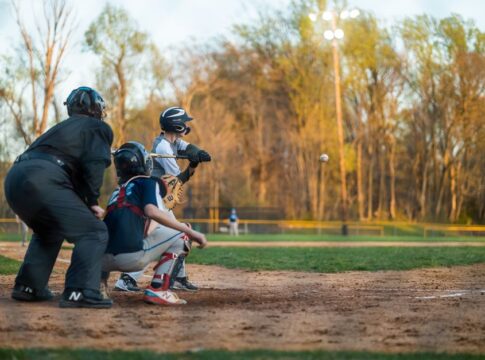
On a sweltering summer afternoon when the thermometer pushes past 95 degrees, you’ll spot players in breathable white and gray uniforms while baseball umpires still stand behind home plate draped head-to-toe in black. It’s a curious sight that raises an obvious question: why do these officials cling to dark, heat-absorbing attire when modern fabric technology could easily keep them cooler? The answer weaves together tradition, authority, and surprising practicality that most fans never discover.
The story behind umpire uniforms reveals fascinating facts about how sports balance innovation with identity. While other officials in football, basketball, and soccer have embraced lighter colors and modern materials, baseball’s arbiters remain committed to their dark dress code for reasons that go beyond simple stubbornness.
Key Takeaways
- Baseball umpires adopted black uniforms in the 1970s to project authority and uniformity across all levels of professional play.
- The dark color helps umpires remain visually neutral, preventing them from appearing to favor either team based on uniform color matching.
- Modern umpire gear uses moisture-wicking, breathable fabrics that manage heat far better than the wool suits officials once wore.
- Major League Baseball has introduced navy blue as an alternative to pure black, offering a slightly cooler option while maintaining the traditional authoritative appearance.
- Umpires’ chest protectors and shin guards trap more heat than the uniform color itself, making fabric technology more important than shade selection.
- The psychological impact of the dark uniform reinforces the umpire’s role as the game’s final authority, a visual cue recognized instantly by players and fans.
How Baseball Umpires Still Maintain Their Traditional Look
Before the 1970s, umpires wore a variety of colors depending on the league and level of play. Some donned blue blazers, others wore tan or gray. The lack of standardization created confusion, and umpires sometimes looked more like spectators than officials. The shift to black brought immediate recognition and respect.
The uniform serves as a visual declaration of neutrality. When one team wears white and the other gray, an umpire in matching colors might subconsciously appear aligned with that squad. Black stands apart from both teams, reinforcing the official’s independence. This matters more than you might think—players and managers react to visual cues, and the stark contrast helps maintain psychological boundaries during heated disputes.
Interestingly, the color choice also solved a practical problem: dirt and grass stains. Umpires crouch, kneel, and brush against dusty equipment throughout a game. Dark fabrics hide these marks far better than lighter alternatives, allowing officials to maintain a professional appearance from the first pitch through extra innings.
The Evolution of Umpire Uniform Technology
While the color has remained largely constant, the materials have undergone a revolution. Early umpires sweated through heavy wool suits that offered zero breathability. Today’s uniforms incorporate advanced synthetic blends designed for athletic performance.
Modern umpire shirts feature moisture-wicking technology that pulls sweat away from the skin and promotes rapid evaporation. The fabric structures allow air circulation while maintaining the uniform’s formal appearance. Some materials even include UV protection, shielding officials during day games under intense sunlight.
The weight difference tells the story. A wool umpire suit from the 1960s could weigh several pounds when dry and become significantly heavier when soaked with perspiration. Contemporary uniforms weigh a fraction of that and actually become lighter as moisture evaporates. This technological leap matters far more for comfort than switching from black to gray ever would.
Protective Gear Creates the Real Heat Challenge
The chest protector worn by plate umpires presents a bigger thermal challenge than the uniform color. This bulky padding sits directly against the torso, trapping body heat and blocking airflow. Shin guards, masks, and throat protectors add layers that compound the problem. Even with a white uniform, an umpire wearing full protective equipment would face similar heat stress.
Manufacturers have responded with ventilated designs that incorporate mesh panels and strategic air channels. Some chest protectors now weigh 30 percent less than older models while providing equal protection. The cooling benefit from these innovations far exceeds what any uniform color change could achieve.
Alternative Colors in Modern Baseball
Major League Baseball has cautiously introduced navy blue as an option for umpires, particularly for plate coats worn during cooler weather. The shade provides a subtle break from pure black while maintaining the authoritative appearance officials need. Some minor leagues have experimented with gray shirts paired with black pants, creating a two-tone look that reduces the total black surface area.
These changes reflect a broader acknowledgment that umpire comfort affects performance. Heat stress impairs concentration and decision-making—critical factors when calling balls and strikes at 95 miles per hour. Keeping officials comfortable isn’t just about kindness; it’s about maintaining the quality of the game itself.
| Uniform Element | Traditional Material | Modern Alternative | Heat Management Benefit |
|---|---|---|---|
| Shirt | Wool or cotton | Polyester moisture-wicking blend | 60-70% improvement in evaporative cooling |
| Pants | Heavy wool | Lightweight synthetic with stretch | Reduced weight and increased airflow |
| Chest Protector | Solid foam padding | Ventilated foam with mesh backing | 30% reduction in trapped heat |
| Plate Coat | Wool or polyester | Weather-resistant technical fabric | Better temperature regulation in variable conditions |
The Psychology of Authority and Appearance
Judges wear black robes. Police officers often wear dark uniforms. Referees in multiple sports choose black or dark navy. The pattern isn’t coincidental—dark colors convey seriousness and authority across cultures. Baseball umpires benefit from this deep-seated psychological association.
When an umpire steps onto the field, the uniform instantly communicates their role. Players understand that arguing with the figure in black carries consequences. Fans recognize the silhouette from hundreds of feet away. This instant recognition helps maintain order during a game where emotions run high and split-second decisions can determine outcomes worth millions of dollars.
The uniform also creates a sense of unity among umpires themselves. Whether working a Little League game or the World Series, officials wear similar attire, connecting them to a professional tradition and reinforcing their shared standards and training.
Frequently Asked Questions
Do umpires ever wear colors other than black?
Yes, Major League Baseball now allows navy blue as an alternative, and some umpires wear light blue shirts during spring training. Minor leagues occasionally experiment with gray or two-tone combinations, though black remains the standard for most professional games.
How hot does it get inside an umpire’s equipment?
Studies of protective sports equipment show temperatures inside chest protectors and padding can reach 10-15 degrees higher than ambient air temperature. The enclosed spaces trap body heat and limit air circulation, making material choice and ventilation design critical for comfort.
Have umpires ever collapsed from heat while wearing black uniforms?
Heat-related incidents have occurred among umpires, though the uniform color is rarely the primary factor. Dehydration, high humidity, and the cumulative effect of protective gear pose greater risks. Modern hydration protocols and cooling strategies have reduced these incidents significantly.
Why don’t baseball umpires dress like basketball or football referees?
Each sport’s officials developed uniforms suited to their specific needs and traditions. Basketball and football referees move constantly and need maximum mobility, while baseball umpires prioritize a formal, authoritative appearance that matches the game’s traditional character and pace.
The next time you watch a game on a scorching afternoon, look closely at the umpire behind the plate. That black uniform represents more than tradition—it’s a carefully considered balance of psychology, practicality, and modern technology. The color may absorb heat, but the fabric beneath works harder than ever to keep cool the person who keeps the game fair.