










1 / 10 Questions
0 Points

Which Beloved Sitcom Had A Live-In Housekeeper Named Alice?

Happy Days

The Waltons

The Brady Bunch

The Partridge Family

Points won
0
Correct score
0%

More Quizzes

More Articles

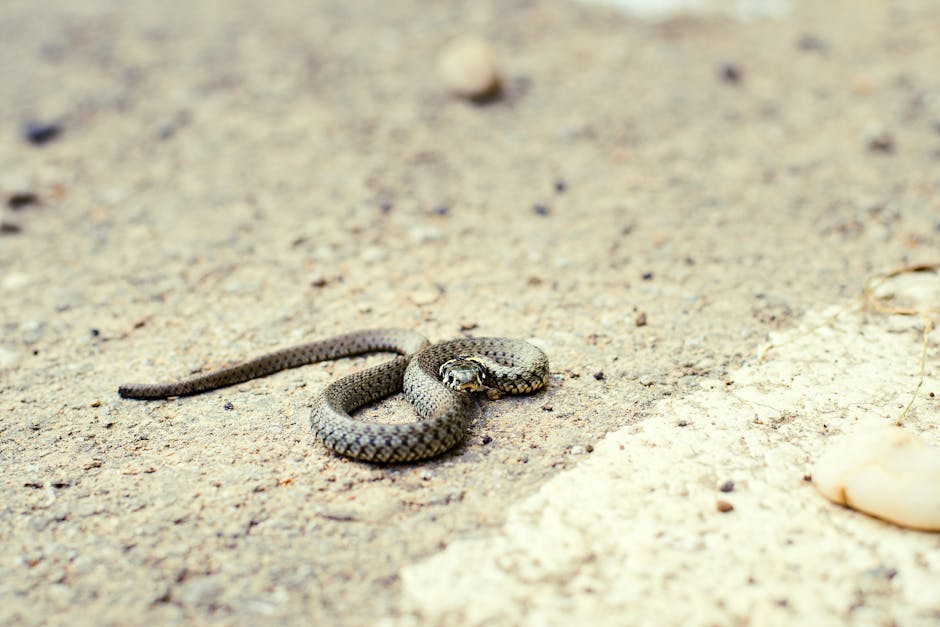
How to Treat a Snake Bite in the Wild

How to Treat a Snake Bite in the Wild

⏱️ 5 min read

When venturing into wilderness areas, understanding proper snake bite treatment can mean the difference between life and death. Venomous snake bites occur thousands of times each year in remote locations, and knowing how to respond immediately while arranging evacuation is crucial for survival. Contrary to popular media depictions, treating a snake bite requires specific knowledge and careful action rather than dramatic interventions that can cause more harm than good.

Recognizing Venomous Snake Bites

The first critical step in treating a snake bite is determining whether the snake was venomous. In North America, venomous snakes include rattlesnakes, copperheads, cottonmouths, and coral snakes. Venomous bites typically present with immediate, intense pain at the bite site, followed by rapid swelling and discoloration. Two distinct puncture marks are often visible, though not always. The victim may experience nausea, difficulty breathing, numbness around the face and mouth, and changes in vision within minutes to hours after the bite.

Non-venomous snake bites generally cause minor puncture wounds or scratches without significant swelling or systemic symptoms. However, all snake bites should be treated seriously due to infection risk and the possibility of misidentification in stressful situations.

Immediate Actions Following a Snake Bite

The moments immediately following a snake bite are critical for the victim's survival outcome. First, move away from the snake to prevent additional strikes, but maintain a safe distance where the snake can still be observed if possible. Identifying the snake species helps medical professionals determine appropriate treatment, but never attempt to capture or kill the snake, as this creates additional risk for secondary bites.

Keep the victim calm and still. Physical activity and elevated heart rate increase the circulation of venom throughout the body. Have the victim sit or lie down immediately, positioning the bitten extremity below heart level if possible. Remove any jewelry, watches, or tight clothing near the bite site before swelling begins, as these items can constrict blood flow and cause severe complications.

Critical Treatment Steps in the Field

Proper field treatment focuses on slowing venom spread and preventing complications while evacuating to medical facilities. Clean the wound gently with soap and water if available, or with clean water alone. Apply a clean, dry dressing to the bite area. If the bite is on an arm or leg, create a splint to immobilize the limb, which helps reduce venom circulation through decreased muscle movement.

For certain snake species in Australia and some other regions, pressure immobilization technique is recommended, but this method is NOT appropriate for North American pit viper bites. The treatment protocols vary significantly based on snake type and geographic location, making regional knowledge essential for wilderness travelers.

Monitoring Vital Signs

Continuously monitor the victim's vital signs including pulse, breathing rate, and consciousness level. Watch for signs of shock, including pale or clammy skin, rapid pulse, shallow breathing, and confusion. Note the progression of swelling by marking its edge on the skin with a pen every fifteen minutes, which provides valuable information to medical personnel about venom spread rate.

Dangerous Myths and Practices to Avoid

Numerous folk remedies and outdated practices for snake bite treatment persist despite medical evidence proving their harm. Understanding what NOT to do is equally important as knowing proper treatment protocols.

  • Never apply a tourniquet, as this can cause tissue death and limb loss
  • Do not cut the wound or attempt to suck out venom, which causes additional tissue damage and infection risk
  • Avoid applying ice or cold packs, which can worsen tissue damage
  • Never give the victim alcohol, caffeine, or pain medications without medical guidance
  • Do not use electric shock therapy, which is ineffective and dangerous
  • Avoid letting the victim eat or drink anything, as surgery may be required

Evacuation Protocols and Medical Transport

Getting the victim to professional medical care is the primary goal of wilderness snake bite treatment. All venomous snake bites require hospital evaluation, even if symptoms seem mild initially. Venom effects can develop over many hours, and antivenom administration is most effective when given early.

If possible, carry the victim rather than having them walk, as movement increases venom circulation. In remote areas, activate emergency services immediately using satellite phones, emergency beacons, or sending runners for help. Provide dispatchers with precise location information, victim status, and snake description if available.

Helicopter Evacuation Considerations

In serious cases involving respiratory distress, severe swelling, or altered consciousness, helicopter evacuation may be necessary. Identify suitable landing zones away from trees, power lines, and steep terrain. Use bright materials or signal mirrors to mark the location, and prepare to communicate with rescue personnel via radio or phone.

Prevention Strategies for Snake Encounters

Preventing snake bites is far preferable to treating them. When traveling through snake habitat, wear sturdy boots and long pants. Watch where you place hands and feet, especially when climbing over rocks or logs. Use a walking stick to probe ahead on trails and make noise while hiking, as most snakes will retreat from vibrations.

Never reach into holes, under rocks, or into hollow logs without visual confirmation of contents. At campsites, shake out sleeping bags and check shoes before use. Keep tents zipped and use ground tarps to create barriers. Avoid hiking at dawn, dusk, or night when many venomous snakes are most active.

Preparing for Wilderness Travel in Snake Country

Proper preparation significantly improves outcomes if snake bites occur. Carry a comprehensive first aid kit including sterile dressings, bandages, and splinting materials. Take a wilderness first aid course that includes snake bite treatment specific to your region. Research the venomous snake species in your destination area and understand their habits and appearance. Ensure your group has reliable communication devices and evacuation insurance for remote areas. By combining prevention knowledge, proper field treatment, and rapid evacuation planning, wilderness travelers can confidently manage snake bite emergencies while minimizing risks and complications.

16 Incredible Facts About Extreme Sports

16 Incredible Facts About Extreme Sports

⏱️ 6 min read

Extreme sports push the boundaries of human capability, combining athleticism, courage, and calculated risk-taking in ways that captivate audiences worldwide. From gravity-defying aerial maneuvers to high-speed descents down treacherous terrain, these adrenaline-fueled activities continue to evolve and challenge what we believe is possible. Here are sixteen remarkable facts that illuminate the fascinating world of extreme sports.

The Origins and Evolution of Extreme Sports

1. BASE Jumping Has the Highest Fatality Rate

BASE jumping—which stands for Building, Antenna, Span, and Earth—is statistically the most dangerous extreme sport in the world. With a fatality rate of approximately one death per 60 participants, it far exceeds the danger levels of other high-risk activities. Unlike skydiving, BASE jumpers leap from fixed objects at much lower altitudes, leaving virtually no margin for error if equipment malfunctions or conditions change unexpectedly.

2. Skateboarding Generates Over $5 Billion Annually

What began as a counterculture activity in California during the 1950s has transformed into a massive global industry. The skateboarding market generates more than $5 billion in annual revenue worldwide, encompassing equipment sales, apparel, events, and media content. This economic impact demonstrates how extreme sports have transitioned from fringe activities to mainstream cultural phenomena.

3. The Term "Extreme Sports" Was Popularized in the 1990s

While many extreme sports existed long before, the collective term "extreme sports" gained widespread recognition through the X Games, which debuted in 1995. ESPN created this multi-sport event to showcase alternative sports that were gaining popularity among younger demographics. The X Games became instrumental in legitimizing these activities and bringing them to mainstream television audiences.

Physical and Mental Demands

4. Free Solo Climbers Rely on Perfect Mental Control

Free solo climbing—ascending rock faces without ropes or safety equipment—requires extraordinary mental discipline. Research shows that elite free solo climbers like Alex Honnold exhibit reduced activity in their amygdala, the brain region responsible for processing fear. This neurological difference allows them to maintain calm focus in situations that would trigger panic responses in most people.

5. Big Wave Surfers Train to Hold Their Breath for Five Minutes

Professional big wave surfers must prepare for worst-case scenarios where they're held underwater by multiple consecutive waves. Many undergo specialized training that includes breath-holding exercises, underwater swimming, and simulated drowning scenarios. Elite athletes in this discipline can hold their breath for four to five minutes while managing the panic and disorientation of being tumbled by thousands of pounds of water pressure.

6. Motocross Riders Experience G-Forces Comparable to Fighter Pilots

During jumps and landings, motocross riders regularly experience forces of 12-15 G's—levels comparable to what fighter jet pilots endure during aerial combat maneuvers. A single race can subject riders to hundreds of these high-impact moments, requiring extraordinary core strength, cardiovascular endurance, and musculoskeletal resilience.

Record-Breaking Achievements

7. The Highest Skateboard Drop Was From 28 Feet

Professional skateboarder Danny Way holds the record for the highest skateboard drop, successfully landing a fall from 28 feet (8.53 meters) onto a quarterpipe ramp. This achievement required precise timing, body positioning, and an almost superhuman ability to absorb impact forces that would shatter bones in untrained individuals.

8. Speed Skiing Reaches Velocities Over 150 MPH

Speed skiing is one of the fastest non-motorized sports on earth, with athletes reaching speeds exceeding 150 miles per hour (241 kilometers per hour) on steep, specially-prepared courses. The current world record stands at 158.4 mph, set by Italian skier Ivan Origone. At these velocities, aerodynamics become as critical as skiing technique, with competitors wearing streamlined suits and specialized helmets.

9. Felix Baumgartner Broke the Sound Barrier in Freefall

In 2012, Austrian skydiver Felix Baumgartner jumped from a helium balloon at 128,100 feet above Earth, reaching a maximum velocity of 843.6 mph during his descent. This made him the first person to break the sound barrier without vehicular assistance, achieving Mach 1.25 while in freefall—an extraordinary intersection of extreme sports and aerospace achievement.

Safety and Technology Innovations

10. Modern Helmets Have Reduced Fatalities by 60%

Advances in helmet technology, particularly the development of MIPS (Multi-directional Impact Protection System), have dramatically improved safety outcomes in extreme sports. Studies show that proper helmet use has reduced fatal head injuries by approximately 60% in activities like mountain biking, skiing, and snowboarding over the past two decades.

11. Wingsuit Flying Allows Horizontal Travel of 2.5 Miles

Wingsuit technology has evolved to allow flyers to achieve glide ratios of 2.5:1, meaning they can travel 2.5 feet horizontally for every foot of vertical descent. This capability enables experienced pilots to cover horizontal distances of over two miles during a single jump from altitude, transforming human flight from a vertical drop into a controlled aerial navigation experience.

12. Avalanche Airbags Increase Survival Rates to 97%

Avalanche airbag systems, now standard equipment for backcountry skiers and snowboarders, have revolutionized survival rates in avalanche incidents. When deployed, these airbags help keep victims near the surface of moving snow through the principle of inverse segregation. Statistics show that proper airbag deployment increases survival rates from approximately 75% to 97%.

Cultural and Social Impact

13. Parkour Originated in French Military Training

Parkour, the discipline of moving through urban environments using only the human body, has roots in French military obstacle course training called "parcours du combattant." David Belle developed the modern practice in the 1980s by adapting his father's military training methods to urban settings, creating a movement discipline that emphasizes efficiency and fluid adaptation to obstacles.

14. Rock Climbing Became an Olympic Sport in 2020

Sport climbing made its Olympic debut at the 2020 Tokyo Games (held in 2021), marking a watershed moment for extreme sports' acceptance in traditional athletic circles. The Olympic format combines three disciplines—speed climbing, bouldering, and lead climbing—introducing millions of viewers to a sport that was once considered too niche and dangerous for mainstream recognition.

15. Women Are the Fastest-Growing Demographic in Extreme Sports

Female participation in extreme sports has increased by over 200% in the past decade, with women now representing nearly 40% of participants in sports like surfing, snowboarding, and rock climbing. This demographic shift has led to increased sponsorship opportunities, media coverage, and the development of female-specific equipment and training programs.

16. Extreme Sports Tourism Generates $263 Billion Globally

The adventure and extreme sports tourism sector has become a major economic force, generating an estimated $263 billion annually worldwide. Destinations like Queenstown, New Zealand, and Chamonix, France, have built entire economies around providing access to extreme sports activities, creating thousands of jobs and attracting millions of thrill-seekers annually.

Conclusion

These sixteen facts reveal that extreme sports represent far more than reckless thrill-seeking—they embody human innovation, athletic excellence, and our perpetual desire to test limits. From the neurological adaptations of free solo climbers to the economic impact of adventure tourism, extreme sports have woven themselves into the fabric of modern culture. As technology continues to advance and participation grows across demographics, these activities will undoubtedly continue pushing boundaries while inspiring new generations to explore what's possible when courage meets preparation. Whether viewed as athlete, spectator, or entrepreneur, the world of extreme sports offers compelling insights into human potential and our relationship with calculated risk.