










1 / 10 Questions
0 Points

Which classic Disney villain was reportedly modeled after a famous drag performer who never knew about the honor?

The Evil Queen after Joan Crawford

Maleficent after Eleanor Audley

Cruella de Vil after Bette Davis

Ursula after Divine

Points won
0
Correct score
0%

More Quizzes

More Articles

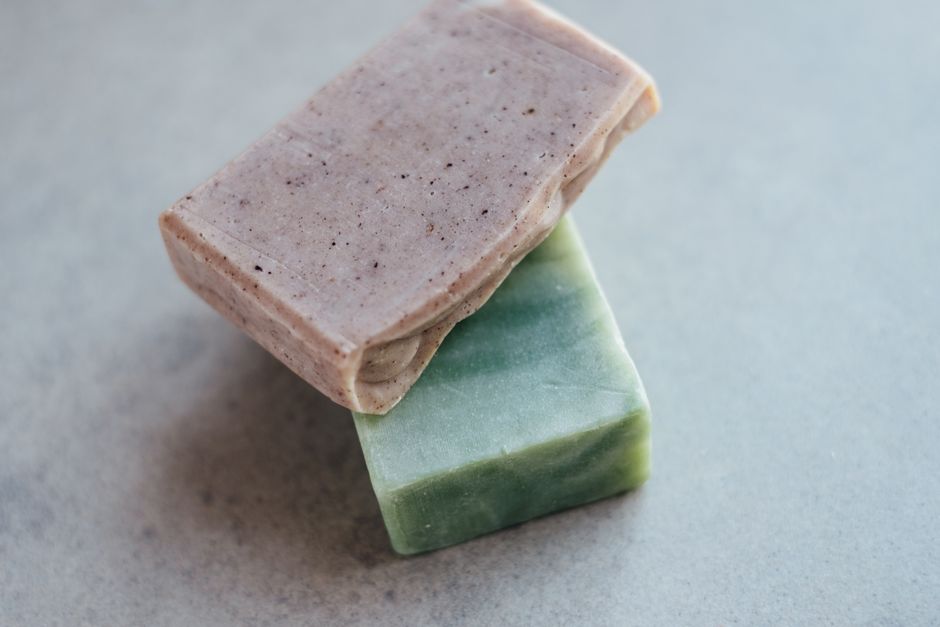
How to Make Soap from Ash and Fat

How to Make Soap from Ash and Fat

⏱️ 6 min read

In survival situations or off-grid living, knowing how to create essential hygiene products from natural materials can be invaluable. Soap-making from ash and fat is an ancient craft that has sustained human cleanliness for thousands of years. This traditional method requires only two primary ingredients found abundantly in nature: wood ash and animal fat. The chemical reaction between the lye extracted from ash and the fatty acids creates a functional cleaning agent that can help maintain hygiene when commercial products are unavailable.

Understanding the Chemistry Behind Ash and Fat Soap

The soap-making process relies on a chemical reaction called saponification, where alkali (lye) combines with fats to create soap. Wood ash contains potassium carbonate, which when mixed with water, produces potassium hydroxide—a type of lye. When this lye solution encounters animal fats or vegetable oils, the molecules break down and recombine into soap and glycerin. This fundamental understanding helps ensure success in creating a usable product rather than a separated mess of ingredients.

The quality of the final soap depends heavily on the purity of both the lye solution and the type of fat used. Different woods produce ash with varying alkalinity levels, and different fats contribute unique properties to the finished soap. Hardwood ashes generally produce stronger lye than softwoods, making them more suitable for soap-making purposes.

Collecting and Preparing Wood Ash

The first step involves gathering sufficient quantities of wood ash from hardwood fires. Oak, maple, hickory, and fruit woods produce excellent ash for lye-making. Avoid ash from treated lumber, painted wood, or materials that may contain toxic chemicals, as these contaminants will transfer to the final product and can cause skin irritation or more serious health problems.

The ash should be fine and powdery, from wood that has burned completely. Gray or white ash works best, while black charcoal pieces should be removed. For a standard batch of soap, approximately five gallons of ash will be needed. Store the collected ash in a dry container until ready to use, as moisture can diminish its alkalinity.

Creating Lye Water from Ash

Creating lye water requires a leaching process that extracts the alkaline compounds from the ash. This can be accomplished using a specialized container called a hopper, though improvised versions work equally well in survival scenarios.

The Leaching Process

Fill a wooden barrel, sturdy bucket with drainage holes, or a similar container with the collected ash. Place this container over another vessel that will catch the dripping liquid. Pour soft water (rainwater works ideally) over the ash slowly, allowing it to percolate through. The water will dissolve the potassium carbonate and drip out the bottom as lye water.

The process takes several hours to complete fully. Continue adding water until the dripping liquid runs clear rather than dark brown or amber. The first liquid that drips through will be the strongest, gradually weakening as more water passes through the ash.

Testing Lye Strength

Determining proper lye concentration is crucial for successful soap-making. Traditional methods include the egg test and the potato test. For the egg test, place a fresh egg in the lye water; if it floats with an area about the size of a quarter visible above the surface, the solution is ready. Alternatively, a potato slice should float in properly concentrated lye. If the lye is too weak, boil it down to concentrate the solution. If too strong, dilute with additional water.

Preparing Animal Fat for Soap-Making

Animal fat must be rendered and purified before combining with lye. Beef tallow, pork lard, deer fat, and other animal fats all work well, though they produce soaps with different characteristics. Tallow creates harder, longer-lasting bars, while lard produces softer, more moisturizing soap.

Rendering Process

Cut raw fat into small pieces to speed melting. Place the fat pieces in a heavy pot over low heat, stirring occasionally to prevent burning. As the fat melts, it will separate from tissue and other impurities. Continue heating until all fat has liquefied and the remaining solids turn crispy and brown. Strain the liquid fat through cheesecloth or a fine mesh to remove all solid particles.

For cleaner soap, purify the rendered fat by mixing it with equal parts water and bringing it to a boil. Remove from heat, allow the mixture to cool completely, and the fat will solidify on top while impurities settle in the water below. Lift off the hardened fat layer and scrape away any discolored material from the bottom.

Combining Lye and Fat to Make Soap

The actual soap-making process requires attention to temperature and proportion. Heat the rendered fat in a large pot until it melts completely but does not smoke. The ideal temperature ranges between 100-110°F. Simultaneously, warm the lye water to a similar temperature. Slowly pour the lye water into the melted fat while stirring constantly in one direction.

Continue stirring for 30 minutes to several hours until the mixture thickens to a consistency similar to honey or pudding. This stage, called "trace," occurs when the saponification reaction is well underway. A properly traced mixture will show ripples or lines on the surface when drizzled from the stirring spoon.

Curing and Storing Homemade Soap

Once trace is achieved, pour the soap mixture into molds. Wooden boxes lined with cloth work excellently, as do individual cavity molds. Cover the molds with blankets or towels to insulate them, allowing the saponification process to complete over the next 24-48 hours.

After the soap hardens, remove it from molds and cut it into bars if necessary. Place the bars in a well-ventilated area away from direct sunlight to cure for 4-6 weeks. During curing, excess moisture evaporates and the soap's pH level becomes milder, making it gentler on skin. Turn the bars weekly to ensure even air exposure on all sides.

Safety Considerations

Working with lye requires protective equipment and precautions. Lye water is caustic and can cause chemical burns on skin or eyes. Wear gloves, long sleeves, and eye protection throughout the process. Work in well-ventilated areas to avoid inhaling fumes. Keep vinegar nearby to neutralize any lye splashes on skin. Never use aluminum containers, as lye reacts with aluminum; stick to glass, ceramic, wood, or stainless steel equipment instead.
Top 10 Ways to Keep Warm in a Snowstorm

Top 10 Ways to Keep Warm in a Snowstorm

⏱️ 6 min read

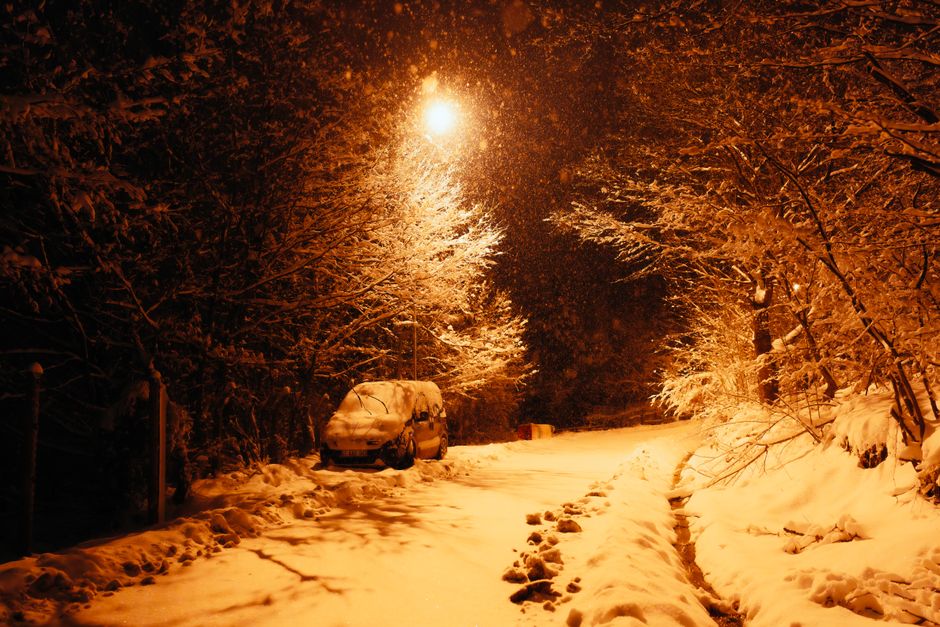
When a snowstorm strikes and temperatures plummet, knowing how to preserve body heat can mean the difference between life and death. Whether stranded in a vehicle, caught outdoors, or facing a power outage at home, understanding the fundamental principles of thermoregulation and heat retention becomes critical. The human body loses heat through radiation, conduction, convection, and evaporation, and each method of staying warm addresses one or more of these heat-loss mechanisms. These essential survival techniques can help anyone maintain core body temperature during dangerous winter weather conditions.

Essential Methods for Heat Retention During Winter Emergencies

Layer Clothing Using the Three-Layer System

The most effective approach to retaining body heat involves wearing multiple layers rather than a single thick garment. The base layer should consist of moisture-wicking material like merino wool or synthetic fabric that pulls sweat away from skin. The middle insulating layer traps warm air using fleece or down materials, while the outer shell layer protects against wind and moisture with waterproof, breathable fabric. This system creates dead air spaces between layers that act as insulation, and allows for adjustment by removing or adding layers as activity levels change. Avoid cotton materials, as they retain moisture and accelerate heat loss through evaporative cooling.

Create an Emergency Shelter to Block Wind and Precipitation

Wind chill can dramatically increase the rate of heat loss from exposed skin and clothing. Constructing even a basic shelter reduces wind exposure and creates a smaller space that body heat can warm more effectively. In a vehicle, this means staying inside with windows slightly cracked for ventilation. Outdoors, a snow cave, quinzhee, or lean-to constructed from branches and packed snow provides insulation. Snow itself is an excellent insulator due to air pockets between crystals. If building a snow shelter, ensure it's large enough to sit up in but small enough to warm with body heat, and always include a ventilation hole to prevent carbon dioxide buildup.

Insulate Your Body from Cold Ground Contact

The ground conducts heat away from the body rapidly, often faster than cold air. Sitting or lying directly on snow or frozen earth can lead to dangerous heat loss and hypothermia. Place insulating materials between your body and the ground, such as pine boughs, leaves, cardboard, foam padding, or extra clothing. In a vehicle, use floor mats, seat cushions, or cargo area materials. If caught without supplies, even crumpled newspaper or plastic bags can provide some insulation. The goal is to create at least four inches of insulation beneath the body to minimize conductive heat loss.

Keep Extremities Protected with Proper Coverage

The body prioritizes keeping core organs warm, which means extremities like fingers, toes, ears, and nose are most vulnerable to frostbite. Wear insulated, waterproof boots with thick wool socks, keeping feet dry at all costs. Mittens retain heat better than gloves by allowing fingers to share warmth. Cover the head with a wool or fleece hat, as significant heat loss occurs through the scalp. Use a scarf or balaclava to protect the face and neck. If extremities become wet, remove the moisture immediately and replace with dry coverings. Keep hands tucked under armpits and perform periodic exercises to maintain circulation.

Generate Body Heat Through Controlled Physical Activity

Muscle activity produces heat as a metabolic byproduct, but intense exercise causes sweating that leads to dangerous moisture accumulation and subsequent cooling. Perform moderate movements like arm circles, leg lifts, or isometric exercises that increase circulation without inducing perspiration. Shivering is the body's natural heat-generation response and should not be suppressed unless it becomes uncontrollable, which indicates advancing hypothermia. If sheltered and waiting for rescue, periodic light movement maintains warmth better than remaining completely still, but always balance activity with energy conservation.

Consume High-Calorie Foods and Warm Liquids

The body requires fuel to generate heat through metabolism. High-calorie foods, particularly those containing fats and proteins, provide sustained energy for thermogenesis. Nuts, chocolate, peanut butter, and energy bars are excellent emergency foods. Carbohydrates provide quick energy bursts for immediate warmth. Warm liquids help raise core temperature and provide psychological comfort, but avoid alcohol despite the temporary warming sensation it creates—alcohol dilates blood vessels and actually increases heat loss. Also avoid caffeine, which promotes dehydration and constricts blood vessels in extremities. Melted snow can provide hydration, but melt it first rather than eating it frozen, as the body must expend energy to melt and warm ice.

Utilize Emergency Heat Sources Safely

If available, candles, hand warmers, or portable heaters can provide supplemental warmth, but safety precautions are critical. In vehicles, run the engine for heat only if the exhaust pipe is clear of snow and a window remains slightly open for ventilation to prevent carbon monoxide poisoning. Chemical hand warmers can be placed in pockets or gloves but never directly against skin. Small candles in metal containers provide surprising warmth in enclosed spaces. Never use camp stoves, charcoal, or similar devices in unventilated areas. If using any flame source, ensure adequate oxygen supply and carbon monoxide awareness.

Share Body Heat with Others

When multiple people face cold conditions together, huddling close shares metabolic heat and reduces the surface area exposed to cold air. Remove wet outer layers first, then press together under blankets or sleeping bags. This technique works best when combined with insulation from the ground and protection from wind. Position the coldest or smallest person in the middle, as they lose heat fastest. While potentially awkward, this method has saved countless lives in survival situations and should never be dismissed due to social discomfort.

Stay Dry and Address Moisture Immediately

Moisture conducts heat away from the body approximately twenty-five times faster than dry air. Whether from snow, rain, sweat, or other sources, wet clothing dramatically increases hypothermia risk. If clothing becomes damp, remove and dry it near body heat or any available heat source, but never so close that fabric scorches. Wring out wet items thoroughly before attempting to dry them. In extreme situations, wearing slightly damp clothing against the skin under a waterproof layer may be preferable to frozen garments. Always prioritize keeping feet, head, and core clothing dry.

Conserve Energy and Avoid Panic

Panic increases heart rate, respiration, and energy expenditure while impairing decision-making abilities. Remaining calm preserves calories that the body needs for heat production and extends survival time. Create a plan, inventory resources, and focus on controllable actions rather than the desperate situation. Staying put is usually safer than attempting to travel in whiteout conditions, where disorientation and exhaustion pose deadly risks. Signal for help using whistles, bright clothing, or reflective materials, then conserve energy while maintaining warmth. Mental preparedness and realistic optimism improve survival outcomes significantly.

Conclusion

Surviving a snowstorm requires understanding how the body loses heat and implementing multiple strategies to counteract each mechanism. Layering clothing properly, creating shelter, insulating from the ground, protecting extremities, generating controlled body heat, consuming appropriate foods and liquids, using heat sources safely, sharing warmth with others, staying dry, and conserving energy form a comprehensive approach to cold-weather survival. No single method provides complete protection, but combining these techniques creates overlapping safety measures that significantly improve survival odds. Preparation before winter weather strikes—including keeping emergency supplies in vehicles and homes—makes implementing these strategies far more effective when seconds count.