
⏱️ 7 min read
The human brain stands as the most complex biological structure known to science, containing approximately 86 billion neurons working in concert to generate consciousness, memory, emotion, and thought. Despite centuries of scientific inquiry, this three-pound organ continues to reveal astonishing secrets that challenge our understanding of human capability and potential. From its remarkable plasticity to its unexpected energy consumption patterns, the brain’s characteristics often defy common assumptions and inspire both scientific wonder and deeper investigation into what makes us uniquely human.
Extraordinary Revelations About Our Most Vital Organ
1. The Brain’s Astonishing Information Processing Speed
Contrary to popular belief, the human brain processes information at speeds that would put many computers to shame. Neural impulses can travel at speeds up to 268 miles per hour, allowing the brain to receive, process, and respond to stimuli in mere milliseconds. More remarkably, the brain can process an image that the eye sees in as little as 13 milliseconds. This incredible processing power enables humans to make split-second decisions, catch falling objects, and navigate complex social situations with remarkable efficiency. The brain achieves this through parallel processing, simultaneously handling multiple streams of information across different regions rather than processing data sequentially like traditional computers.
2. Massive Energy Consumption Despite Small Size
While the human brain accounts for only about 2% of total body weight, it consumes approximately 20% of the body’s energy and oxygen supply. This disproportionate energy demand reflects the intense metabolic activity required to maintain neural connections, transmit signals, and support conscious thought. Even during sleep, the brain remains remarkably active, using only slightly less energy than during waking hours. This high energy requirement explains why glucose deficiency so quickly affects cognitive function and why the brain receives priority blood flow even during physical stress or injury.
3. The Myth of the 10% Brain Usage
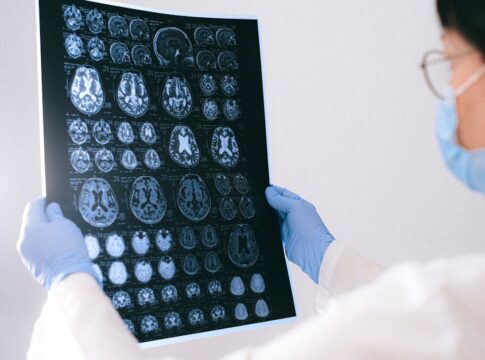
One of the most persistent myths suggests that humans use only 10% of their brains, but neuroimaging studies have definitively disproven this claim. Modern brain scanning technologies, including functional MRI and PET scans, reveal that virtually all brain regions show activity over the course of a day. Even during simple tasks, multiple brain areas activate simultaneously. While it’s true that not all neurons fire at once—which would actually cause a seizure—the brain’s various regions all serve essential functions. Evolution would not maintain such an energy-expensive organ if 90% of it served no purpose.
4. Neuroplasticity: The Brain’s Remarkable Ability to Rewire Itself
The brain possesses an extraordinary capacity called neuroplasticity, allowing it to reorganize itself by forming new neural connections throughout life. This phenomenon enables recovery from injuries, adaptation to new environments, and the acquisition of new skills at any age. When one area of the brain is damaged, other regions can sometimes compensate by taking over functions previously handled by the damaged area. Musicians, for instance, develop enlarged areas of the brain devoted to fine motor control, while London taxi drivers show increased hippocampal volume related to spatial navigation. This adaptability demonstrates that the brain is not a fixed organ but rather a dynamic structure that continuously reshapes itself based on experiences and learning.
5. The Brain Feels No Pain
Despite being the organ that processes all pain signals from throughout the body, the brain itself contains no pain receptors. This is why neurosurgeons can perform certain brain surgeries on conscious patients without causing discomfort to the brain tissue itself. The headaches people experience originate not from the brain but from surrounding tissues, blood vessels, membranes, and nerves. This peculiar characteristic has enabled groundbreaking surgical techniques where patients remain awake during brain operations, allowing surgeons to map critical areas for language and motor function while minimizing damage to essential regions.
6. Memory Capacity Exceeds Modern Technology
The human brain’s storage capacity remains difficult to quantify precisely, but estimates suggest it could hold approximately 2.5 petabytes of information—equivalent to roughly 3 million hours of television shows. This massive capacity arises from the brain’s ability to store memories not as discrete files but as distributed patterns across neural networks. Unlike computer hard drives that degrade with use, neural pathways actually strengthen with repeated activation, making frequently accessed memories more robust. Furthermore, the brain employs sophisticated compression techniques, storing the essence of experiences rather than exact recordings, allowing for more efficient use of neural resources.
7. The Conscious Mind Is Just the Tip of the Iceberg
Research indicates that approximately 95% of brain activity occurs below the level of conscious awareness. The subconscious mind handles countless tasks simultaneously, from regulating breathing and heartbeat to processing sensory information and forming intuitive judgments. Studies show that the brain often makes decisions several seconds before the conscious mind becomes aware of them, raising profound questions about free will and the nature of consciousness. This vast unconscious processing power explains phenomena like intuition, automatic skill performance, and the sudden emergence of solutions to problems after periods of not consciously thinking about them.
8. Brain Development Continues Into the Mid-Twenties
Contrary to earlier assumptions that brain development completed during childhood or adolescence, neuroscience has revealed that the brain continues maturing well into a person’s mid-twenties. The prefrontal cortex, responsible for executive functions such as planning, decision-making, and impulse control, is among the last regions to fully develop. This extended development period explains why teenagers and young adults often exhibit different risk assessment and decision-making patterns compared to older adults. The prolonged maturation also provides an extended window for learning and adaptation, though it comes with increased vulnerability to environmental influences during these formative years.
9. Dreams and Memory Consolidation
During sleep, particularly during REM (rapid eye movement) phases, the brain actively consolidates memories, transferring information from short-term to long-term storage. This process involves replaying neural patterns established during waking hours, strengthening important connections while pruning less relevant ones. Dreams may represent the subjective experience of this memory consolidation process, as the brain integrates new information with existing knowledge structures. Research demonstrates that sleep deprivation significantly impairs memory formation and learning, highlighting the critical role of this nighttime brain activity in cognitive function and overall mental health.
10. The Gut-Brain Connection and the “Second Brain”
The human digestive system contains approximately 500 million neurons—more than in the spinal cord—forming what scientists call the enteric nervous system or “second brain.” This extensive neural network communicates bidirectionally with the brain through the vagus nerve, influencing mood, stress responses, and even decision-making. The gut produces about 95% of the body’s serotonin, a neurotransmitter crucial for mood regulation. This connection explains why digestive issues often correlate with anxiety and depression, and why gut health increasingly appears central to overall mental wellness. The gut microbiome’s influence on brain function represents a frontier in neuroscience research with profound implications for treating neurological and psychiatric conditions.
Conclusion
These ten remarkable facts merely scratch the surface of the brain’s complexity and capability. From its unparalleled processing speed and adaptive plasticity to its surprising energy demands and hidden connections with other body systems, the human brain continues to astound researchers and challenge our understanding of consciousness and cognition. As neuroscience advances, each discovery raises new questions, ensuring that the brain will remain one of science’s most compelling mysteries. Understanding these facts not only inspires awe but also emphasizes the importance of protecting and nurturing this extraordinary organ through proper nutrition, adequate sleep, continuous learning, and healthy lifestyle choices.