
⏱️ 7 min read
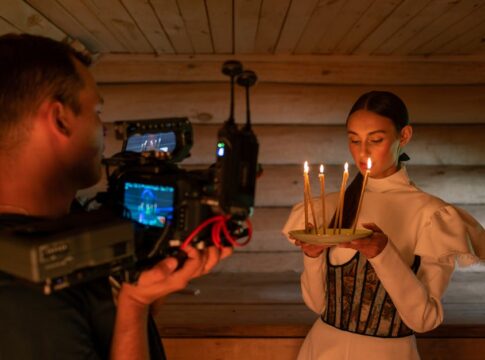
Movie magic doesn’t just happen on screen. Some of the most fascinating stories from Hollywood come from what happens when the cameras stop rolling, when actors go off-script, or when directors push the boundaries of filmmaking to their absolute limits. From near-death experiences to improvised lines that became iconic, these behind-the-scenes tales reveal the chaos, creativity, and sheer determination that goes into making cinematic history.
Extraordinary Tales from Hollywood’s Most Famous Productions
1. The Chocolate River That Turned Rancid
During the filming of “Willy Wonka & the Chocolate Factory” (1971), the iconic chocolate river was made from real chocolate cream mixed with water. The mixture began to spoil under the hot studio lights, creating an unbearable stench on set. The cream started to develop a crusty layer and attracted flies, making the whimsical scene far less magical for the cast and crew. Despite the foul odor, Gene Wilder and the young actors had to maintain their performances while trying not to gag from the smell wafting through the soundstage.
2. The Chest-Bursting Scene That Horrified the Cast
Ridley Scott deliberately kept the full details of the chest-burster scene in “Alien” (1979) secret from most of the cast. While the actors knew something would emerge from John Hurt’s chest, they had no idea about the extent of the blood and gore that would spray everywhere. The genuine shock, horror, and disgust on Veronica Cartwright’s face was completely real—she was actually hit with a blast of fake blood that she wasn’t expecting. This authentic reaction helped create one of cinema’s most terrifying moments.
3. Method Acting Taken to Extreme Lengths
For his role as the Joker in “The Dark Knight” (2008), Heath Ledger isolated himself in a hotel room for weeks, developing the character’s voice, laugh, and mannerisms. He kept a diary written in the Joker’s voice and experimented with different makeup applications. Ledger’s commitment was so intense that he reportedly slept only two hours per night during this period. His co-stars often felt genuinely unsettled by his transformation, with Michael Caine admitting he forgot his lines during their first scene together because Ledger’s Joker was so disturbing.
4. The Director Who Actually Fired Real Bullets
Werner Herzog, known for his extreme approach to filmmaking, actually fired live rounds at actor Klaus Kinski during the production of “Aguirre, the Wrath of God” (1972). The volatile relationship between director and star reached a breaking point when Kinski threatened to leave the remote jungle location. Herzog reportedly told Kinski he would shoot him dead and then himself if Kinski tried to leave before filming was complete. While accounts vary, Herzog has admitted to firing a rifle near Kinski’s cabin to make a point about who was in charge.
5. The Silence of the Lambs’ Unscripted Improvisation
Anthony Hopkins’ famous “fava beans and Chianti” line in “The Silence of the Lambs” (1991) was in the script, but the horrifying slurping sound he made afterward was pure improvisation. Hopkins added the detail spontaneously during filming, and it became one of the most memorable and chilling moments in the entire movie. Director Jonathan Demme loved it so much that he kept it in the final cut. The sound perfectly captured Hannibal Lecter’s predatory nature and has been parodied countless times since.
6. The Wizard of Oz’s Toxic Snow
The beautiful snow falling in “The Wizard of Oz” (1939) during the poppy field scene was actually asbestos. At the time, the dangers of asbestos weren’t fully understood, and it was commonly used in Hollywood productions for artificial snow effects. The actors, including Judy Garland, were covered in the carcinogenic material during filming. This was just one of many safety hazards on the production, which also included the Wicked Witch’s makeup causing severe burns and the Tin Man’s original actor suffering a life-threatening reaction to his aluminum dust makeup.
7. Tom Cruise’s Death-Defying Helicopter Stunt
During the filming of “Mission: Impossible – Fallout” (2018), Tom Cruise performed a HALO (High Altitude Low Opening) jump over 100 times to get the perfect shot. The stunt required Cruise to jump from a plane at 25,000 feet, and each jump could only be filmed during a specific three-minute window at dusk to capture the right lighting. The production spent over a year training for this single sequence, with Cruise becoming one of the few actors certified to perform such dangerous aerial stunts.
8. Stanley Kubrick’s Torturous Door Scene
The infamous “Here’s Johnny!” scene in “The Shining” (1980) required Stanley Kubrick to destroy 60 doors before getting the shot he wanted. Jack Nicholson, who had previously worked as a volunteer fire marshal, destroyed the first few doors too quickly because he knew the proper technique for breaking through them. The prop department had to source real solid-core doors instead of the typical hollow props to slow Nicholson down and create the terrifying, prolonged sequence Kubrick envisioned.
9. The Apocalypse Now Production Nightmare
Francis Ford Coppola’s “Apocalypse Now” (1979) faced almost every disaster imaginable during its Philippines shoot. A typhoon destroyed the sets, Martin Sheen suffered a near-fatal heart attack during filming, and the production ran so over budget that Coppola had to mortgage his personal assets to complete it. The shoot lasted 238 days instead of the scheduled 14 weeks, and Coppola later said he contemplated suicide during the darkest moments of production. The director famously stated that his film wasn’t about Vietnam—it was Vietnam.
10. Leonardo DiCaprio’s Real Blood
During the filming of “Django Unchained” (2012), Leonardo DiCaprio accidentally slammed his hand on a glass table during the dinner scene, severely cutting his palm. Rather than breaking character, DiCaprio continued the scene, with real blood dripping from his hand. When he smeared his actual blood on Kerry Washington’s face (which was later edited with fake blood for safety reasons), director Quentin Tarantino was so impressed by DiCaprio’s commitment that he kept the bloody hand portions in the final cut.
11. The Exorcist’s Real-Life Supernatural Events
The set of “The Exorcist” (1973) experienced so many strange occurrences that a priest was brought in to bless it. A fire of unknown origin destroyed most of the set except for Regan’s bedroom, delaying production by six weeks. Multiple actors and crew members suffered injuries, and actors Jack MacGowran and Vasiliki Maliaros both died before the film’s release. Linda Blair received death threats from religious zealots, and the cast reported feeling an overwhelming sense of dread on set. Even director William Friedkin couldn’t explain all the bizarre incidents that plagued the production.
12. Viggo Mortensen’s Accidental Broken Toes
In “The Lord of the Rings: The Two Towers” (2002), the scene where Aragorn kicks an Orc helmet in frustration wasn’t acted—it was real pain. Viggo Mortensen broke two toes when he kicked the metal helmet, and his anguished scream and collapse were genuine. Director Peter Jackson loved the raw emotion of the take so much that he used it in the final film. This wasn’t Mortensen’s only injury during the trilogy; he also chipped a tooth, nearly drowned in one scene, and deflected a real knife that was accidentally thrown at his face during filming.
The Untold Price of Movie Magic
These twelve stories demonstrate that the films we love often come with incredible sacrifices, unexpected dangers, and moments of pure spontaneity that couldn’t be replicated if they were planned. From toxic materials and physical injuries to genuine psychological distress and supernatural mysteries, the reality behind filmmaking can be far stranger and more intense than the fiction appearing on screen. While modern safety standards have improved conditions on film sets, the dedication and occasional insanity required to create cinema magic remains unchanged. These tales remind us that every frame of our favorite movies represents not just artistic vision, but human perseverance, occasional recklessness, and the unwavering commitment to capturing something extraordinary—no matter the cost.