
⏱️ 5 min read
When people around the world think of comfort food, pizza often tops the list. This beloved dish has become a global phenomenon, with countless variations enjoyed from New York to Tokyo. However, the authentic origins of pizza trace back to the vibrant streets of Naples, Italy, where this culinary masterpiece was born in the late 18th and early 19th centuries. Understanding pizza’s Neapolitan roots provides insight into not just a dish, but a cultural treasure that has shaped food history.
The Birth of Pizza in Naples
Naples, a bustling port city in southern Italy, became the birthplace of modern pizza during a time of economic hardship and innovation. In the 1700s and early 1800s, Naples was one of the largest cities in Europe, with a substantial working-class population. Street vendors and informal restaurants called “pizzerias” began selling flatbreads topped with simple, affordable ingredients to feed the masses.
The word “pizza” itself likely derives from the Latin word “pinsa,” meaning flatbread, though its exact etymology remains debated among historians. What is certain is that Neapolitan bakers transformed this simple concept into something extraordinary by adding locally available ingredients like tomatoes, cheese, oil, garlic, and anchovies.
The Tomato Revolution
A crucial turning point in pizza’s evolution came with the acceptance of tomatoes in Italian cuisine. Brought to Europe from the Americas in the 16th century, tomatoes were initially viewed with suspicion and even fear, as many Europeans believed them to be poisonous. By the late 18th century, however, impoverished Neapolitans began using tomatoes as an affordable topping for their flatbreads.
The combination of dough, tomatoes, and cheese created the foundation for what we recognize as pizza today. The volcanic soil surrounding Mount Vesuvius near Naples produced exceptional tomatoes, particularly the San Marzano variety, which became prized for their sweet flavor and low acidity—perfect for pizza sauce.
Pizza Margherita: A Royal Endorsement
The most famous moment in pizza history occurred in 1889 when pizzaiolo Raffaele Esposito created a special pizza for Queen Margherita of Savoy. According to popular legend, during the queen’s visit to Naples, Esposito was commissioned to prepare pizzas for the royal guest. He created three varieties, but one particularly captured the queen’s favor.
This pizza featured tomatoes, mozzarella cheese, and fresh basil—ingredients that coincidentally represented the colors of the Italian flag: red, white, and green. Esposito named this creation “Pizza Margherita” in honor of the queen. This royal endorsement elevated pizza from peasant food to a dish worthy of national pride, cementing its place in Italian culinary tradition.
Characteristics of Authentic Neapolitan Pizza
True Neapolitan pizza adheres to strict guidelines that have been preserved for generations. The Associazione Verace Pizza Napoletana (True Neapolitan Pizza Association), established in 1984, maintains official standards for authentic preparation.
Essential Requirements Include:
- Dough made exclusively from wheat flour, natural yeast, salt, and water
- Hand-kneaded dough, never rolled with a pin or mechanical press
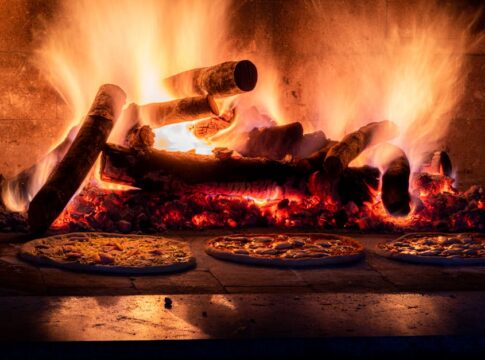
- Cooking in a wood-fired dome oven at approximately 485°C (905°F)
- Baking time of no more than 60-90 seconds
- A thin center with a puffy, slightly charred crust known as the “cornicione”
- Use of specific ingredients like San Marzano tomatoes and buffalo mozzarella
The Two Traditional Varieties
Authentic Neapolitan pizza traditionally comes in two basic varieties. The Pizza Marinara, the older of the two, features tomatoes, garlic, oregano, and extra virgin olive oil—notably without cheese. Its name doesn’t refer to seafood but rather to the fishermen who would eat this simple, easily preserved pizza when returning from the sea.
The Pizza Margherita, as mentioned earlier, includes tomatoes, mozzarella cheese (traditionally fior di latte or buffalo mozzarella), fresh basil, and olive oil. These two classic preparations remain the gold standard against which all other pizzas are measured in Naples.
Naples’ Lasting Pizza Culture
Walking through Naples today, pizza culture permeates every neighborhood. The city boasts hundreds of pizzerias, many of which have been family-operated for generations. Establishments like Antica Pizzeria Port’Alba, which opened in 1830 and claims to be the world’s first pizzeria, continue serving customers using time-honored methods.
In 2017, UNESCO recognized “The Art of Neapolitan Pizzaiuolo” as an Intangible Cultural Heritage of Humanity. This designation acknowledges that making Neapolitan pizza involves not just culinary skill but cultural knowledge passed down through generations, encompassing specific gestures, songs, and expressions that pizzaioli (pizza makers) use in their craft.
From Naples to the World
Italian immigrants brought pizza to various parts of the world in the late 19th and early 20th centuries, particularly to the United States. Cities with large Italian populations, such as New York, Chicago, and New Haven, developed their own regional pizza styles while maintaining connections to the Neapolitan tradition.
Despite pizza’s global evolution into countless variations—from deep-dish to California-style to Japanese okonomiyaki-inspired versions—Naples remains the spiritual home of pizza. Pizza enthusiasts and chefs worldwide continue to make pilgrimages to Naples to study authentic techniques and taste pizza in its birthplace.
The story of pizza’s invention in Naples represents more than just culinary history; it exemplifies how simple, honest ingredients combined with skill and tradition can create something that transcends borders and generations, becoming a universal language of deliciousness enjoyed by millions daily.