
⏱️ 5 min read
In the wild, survival often depends on split-second decisions and the ability to detect threats before they become lethal. Animals have evolved remarkable sensory systems that allow them to perceive danger in ways that often surpass human capabilities. From detecting subtle vibrations in the ground to sensing changes in atmospheric pressure, these biological warning systems represent millions of years of evolutionary refinement. Understanding how animals sense danger not only provides insight into their behavior but also reveals the sophisticated interconnection between organisms and their environments.
Specialized Hearing Beyond Human Range
Many animals possess auditory capabilities that far exceed human limitations, allowing them to detect predators or environmental threats from considerable distances. Elephants, for example, can hear infrasound—sound waves below 20 Hz that are inaudible to humans. These low-frequency sounds travel through the ground for miles, enabling elephants to detect approaching storms, earthquakes, or even other elephant herds from distances exceeding ten kilometers.
Conversely, some animals excel at detecting ultrasonic frequencies above human hearing range. Mice can hear sounds up to 90 kHz, allowing them to detect the high-frequency calls of bats, one of their primary predators. This auditory advantage gives them precious seconds to seek shelter before an attack. Dogs similarly hear frequencies up to 65 kHz, contributing to their reputation for seeming to sense danger before humans notice anything amiss.
Vibration Detection Through Mechanoreceptors
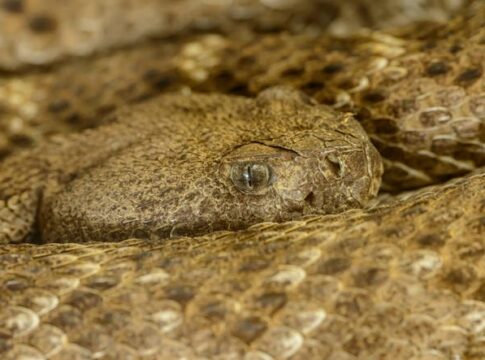
Vibrations traveling through the ground or water provide critical early warning signals for numerous species. Snakes, lacking external ears, have evolved specialized jaw bones and inner ear structures that detect ground vibrations with remarkable precision. When a potential threat approaches, these vibrations travel through the substrate and are picked up by the snake’s body, allowing it to sense footsteps from several meters away.
Spiders have taken vibration detection to extraordinary levels. The sensory hairs covering their bodies and legs can detect the slightest disturbances in their webs or surrounding air. These mechanoreceptors are so sensitive that spiders can distinguish between the vibrations caused by prey, predators, potential mates, or even environmental factors like wind. This ability to interpret different vibration patterns allows them to respond appropriately to each situation.
Chemical Detection and Olfactory Warnings
The sense of smell serves as a powerful danger detection system across the animal kingdom. Many species release alarm pheromones—chemical signals that warn nearby individuals of imminent threats. When a honeybee stings an intruder, it releases an alarm pheromone that triggers aggressive behavior in other colony members, coordinating a defensive response.
Aquatic animals rely heavily on chemical detection in their three-dimensional environment. Fish possess specialized cells that detect minute concentrations of chemicals released by injured members of their species. When a fish is wounded, these alarm substances disperse through the water, triggering immediate avoidance behaviors in nearby fish. This system allows entire schools to react to predators even when only one individual has been attacked.
Mammals often combine olfactory detection with other senses for comprehensive threat assessment. Deer can smell predators from over half a mile away under favorable wind conditions, giving them substantial time to evaluate and respond to potential danger. Their wet noses enhance scent particle collection, while a specialized organ called the vomeronasal organ provides additional chemical analysis capabilities.
Visual Adaptations for Threat Detection
Eye placement and visual processing have evolved specifically to maximize danger detection across different species. Prey animals typically have eyes positioned on the sides of their heads, providing nearly 360-degree visual coverage. Rabbits, for instance, have a visual field of approximately 360 degrees, with only a small blind spot directly behind their heads. This panoramic vision sacrifices some depth perception but ensures that predators have few angles of undetected approach.
Motion detection represents another crucial visual adaptation. Many animals possess specialized neurons that respond specifically to movement, even when an object is otherwise camouflaged. Frogs have visual systems that essentially ignore stationary objects but immediately register any movement, allowing them to simultaneously hunt for prey and watch for predators.
Electromagnetic and Pressure Sensing
Some species have developed the ability to sense electromagnetic fields, providing unique danger detection capabilities. Sharks possess electroreceptive organs called ampullae of Lorenzini that detect the electrical fields generated by muscle contractions in other animals. This sense is so refined that sharks can locate prey buried beneath sand and may also help them detect potential threats in murky water where vision is limited.
Atmospheric pressure changes serve as warning signals for several species. Many animals exhibit unusual behavior before natural disasters, likely due to their ability to detect subtle pressure variations that precede such events. Birds often fly to lower altitudes before storms, responding to barometric pressure changes that humans can only measure with instruments. Fish similarly detect pressure changes through their lateral line system, which also senses water movement and vibrations.
Integrated Sensory Systems and Neural Processing
The most effective danger detection occurs when animals integrate information from multiple sensory sources. The brain processes these varied inputs simultaneously, creating a comprehensive threat assessment. Deer combine visual, auditory, and olfactory information to evaluate potential dangers, with each sense providing different aspects of the overall picture.
Neural processing speed varies significantly among species based on their ecological needs. Animals that face frequent predation pressure have evolved faster neural processing and reaction times. Flies, for example, process visual information so rapidly that they perceive the world in slow motion relative to humans, giving them the seemingly impossible ability to evade a swatter.
The remarkable diversity of danger detection systems across the animal kingdom demonstrates the powerful influence of natural selection in shaping sensory capabilities. These adaptations continue to inspire technological innovations in security systems, early warning devices, and sensor technology, proving that nature’s solutions to survival challenges offer valuable lessons extending far beyond biology.