











1 / 10 Questions
0 Points

How Many Points Are On The Statue of Liberty's Crown?

Five

Thirteen

Nine

Seven

Points won
0
Correct score
0%

More Quizzes

More Articles

Did You Know Elvis Presley Never Wrote His Own Songs?

Did You Know Elvis Presley Never Wrote His Own Songs?

⏱️ 5 min read

Elvis Presley, the undisputed King of Rock and Roll, captivated millions with his magnetic stage presence, distinctive voice, and revolutionary musical style. However, one surprising fact about this legendary performer challenges what many fans assume: Elvis never wrote any of his hit songs. While this revelation might shock those unfamiliar with the music industry's inner workings, it opens up a fascinating discussion about artistry, performance, and the collaborative nature of creating timeless music.

The Truth About Elvis's Songwriting Credits

Throughout his illustrious career spanning over two decades, Elvis Presley recorded more than 700 songs. Despite this impressive catalog, he received songwriting credit on fewer than a dozen tracks, and even those credits were largely ceremonial rather than creative contributions. Historical records and testimonies from songwriters, producers, and music historians confirm that Elvis did not actively participate in the composition process. His genius lay not in writing lyrics or composing melodies, but in interpreting existing material and transforming songs into cultural phenomena through his unique vocal delivery and charismatic performance style.

This fact doesn't diminish Elvis's impact on music history. Instead, it highlights a different but equally important skill: the ability to take someone else's composition and make it entirely his own. Elvis possessed an extraordinary talent for selecting songs with commercial and artistic potential, then breathing new life into them through his interpretation.

The Colonel's Business Strategy

Much of the arrangement regarding songwriting credits stemmed from Elvis's manager, Colonel Tom Parker, and the business structure they established. Parker negotiated deals that often required songwriters to give up a portion of their publishing rights in exchange for having Elvis record their material. This practice, while controversial, was not uncommon in the music industry during that era, though Parker took it to exceptional levels.

The publishing company Hill and Range Songs, closely associated with Elvis and Parker, would frequently require songwriters to share credits and royalties as a condition for Elvis to record their work. This business model generated substantial income for Elvis beyond his recording and performance fees, essentially treating his name and influence as commodities worth a share of the songwriting profits.

Legendary Songwriters Behind the Hits

Elvis's greatest recordings came from some of the most talented songwriters of the 20th century. Understanding who actually penned these classics provides insight into the collaborative ecosystem that created rock and roll's defining moments.

Jerry Leiber and Mike Stoller

This dynamic duo wrote some of Elvis's most memorable hits, including "Jailhouse Rock," "Hound Dog," and "Love Me." Their sophisticated approach to rhythm and blues composition perfectly complemented Elvis's vocal style. Leiber and Stoller's work helped define the sound of 1950s rock and roll, and their partnership with Elvis produced some of the era's most enduring recordings.

Otis Blackwell

Blackwell penned several Elvis classics, including "All Shook Up," "Don't Be Cruel," and "Return to Sender." Despite never meeting Elvis in person during the initial recording sessions, Blackwell understood how to write for Elvis's voice and style. His contributions were instrumental in shaping the King's sound during his most commercially successful period.

Doc Pomus and Mort Shuman

This songwriting team created "Viva Las Vegas," "Little Sister," and several other Elvis recordings. Their ability to craft songs that balanced commercial appeal with artistic integrity made them ideal collaborators for Elvis's diverse musical output.

The Art of Interpretation Over Composition

Elvis's true genius manifested in his interpretive abilities. He could take a song and completely reimagine it, often surpassing the original version in popularity and cultural impact. "Hound Dog," originally recorded by Big Mama Thornton, became synonymous with Elvis after his electrifying performance style transformed it into something entirely different. Similarly, "Blue Suede Shoes," written and originally performed by Carl Perkins, became one of Elvis's signature songs through his dynamic interpretation.

This talent for reinterpretation represents a legitimate and valuable artistic contribution. Many of history's greatest vocalists, from Frank Sinatra to Ella Fitzgerald, built their careers on interpreting rather than writing songs. The ability to connect emotionally with material, deliver it with conviction, and make listeners believe every word requires exceptional artistic sensibility.

Industry Standards and Historical Context

The music industry of the 1950s and 1960s operated differently from today's landscape. The roles of performer and songwriter were often separate, with established systems for professionals who specialized in each area. Tin Pan Alley had long established the model of professional songwriters creating material for performers, and this tradition continued into the rock and roll era.

Many successful artists of Elvis's generation didn't write their own material. The expectation that performers should also be songwriters didn't become standard until the singer-songwriter movement of the late 1960s and early 1970s, championed by artists like Bob Dylan, Joni Mitchell, and James Taylor.

Legacy and Lasting Impact

Elvis Presley's lack of songwriting credits doesn't diminish his revolutionary impact on popular music. He broke down racial barriers by bringing rhythm and blues to mainstream white audiences, pioneered the concept of the rock and roll performance, and influenced countless artists across multiple generations. His contribution was as a performer, interpreter, and cultural icon who changed the trajectory of popular music forever.

The songs Elvis recorded continue to resonate decades after his death, testament to both the quality of the compositions and the power of his performances. His legacy reminds us that creating memorable music involves many talents, and that interpretation and performance are arts unto themselves, deserving recognition alongside the craft of songwriting.
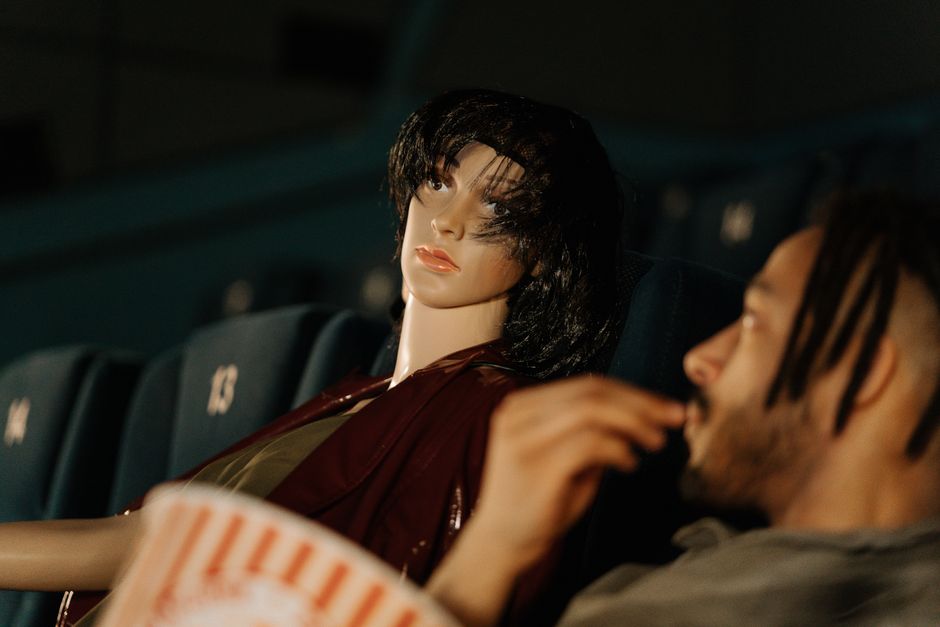
Top 10 Movies With No Dialogue

Top 10 Movies With No Dialogue

⏱️ 7 min read

Cinema's most powerful moments often transcend spoken language, proving that visual storytelling can communicate emotions, narratives, and profound truths without a single word of dialogue. Throughout film history, directors have challenged conventional storytelling by creating feature-length films that rely entirely on imagery, music, sound effects, and body language to convey their messages. These silent masterpieces demonstrate that the universal language of cinema needs no translation, speaking directly to audiences through the purity of moving images.

Cinematic Masterpieces That Speak Without Words

1. The Artist (2011) - A Love Letter to Hollywood's Golden Age

Michel Hazanavicius's Oscar-winning triumph celebrates the era of silent cinema while telling a poignant story about a fading silent film star navigating the transition to "talkies." Despite being filmed in the 21st century with modern technology, this black-and-white wonder faithfully recreates the aesthetic and emotional resonance of 1920s Hollywood. Jean Dujardin's expressive performance as George Valentin demonstrates how physical acting and facial expressions can convey complex emotional journeys. The film's self-aware commentary on silent cinema, combined with its authentic recreation of the period's visual style, earned it five Academy Awards including Best Picture, proving that dialogue-free storytelling remains relevant and powerful in contemporary cinema.

2. All Is Lost (2013) - Robert Redford's Solo Survival Story

J.C. Chandor's maritime thriller features Robert Redford as a lone sailor battling the Indian Ocean after his yacht sustains damage. With only eight spoken words in the entire film—the opening monologue—this visceral survival story relies entirely on Redford's physical performance and the director's visual storytelling. The absence of dialogue heightens the isolation and desperation of the protagonist's situation, forcing viewers to focus on every action, every decision, and every environmental challenge. The film's sound design becomes crucial, with creaking wood, crashing waves, and howling wind creating an immersive soundscape that replaces traditional conversation. This minimalist approach transforms what could have been a conventional survival thriller into a meditative examination of human resilience and the will to survive.

3. Quest for Fire (1981) - Prehistoric Drama Without Modern Language

Jean-Jacques Annaud's anthropological adventure depicts early humans' struggle to control fire approximately 80,000 years ago. Rather than using modern dialogue, the film features a primitive language created specifically for the production by novelist Anthony Burgess. The lack of comprehensible speech forces viewers to connect with the characters through their actions, expressions, and primal struggles. The film's commitment to authenticity extends beyond language, portraying tribal conflicts, survival challenges, and the gradual development of human consciousness through purely visual means. Body language expert Desmond Morris choreographed the actors' movements to reflect genuine prehistoric human behavior, creating a uniquely immersive experience that transports audiences to humanity's distant past.

4. The Triplets of Belleville (2003) - Animated Whimsy Without Words

Sylvain Chomet's hand-drawn animated feature tells the story of a grandmother searching for her kidnapped grandson with help from eccentric singing triplets. This French-Belgian production proves that animation can transcend dialogue through exaggerated character designs, creative visual gags, and a jazzy musical score. The film's distinctive art style combines 1930s aesthetics with contemporary sensibilities, creating a timeless quality that appeals to audiences across generations. Minimal dialogue—mostly incomprehensible muttering—emphasizes the universal nature of the story's themes: love, determination, and the bonds of family. The film's success demonstrates how animation, freed from the constraints of spoken language, can communicate across cultural and linguistic boundaries.

5. Valhalla Rising (2009) - A Brutal Viking Journey

Nicolas Winding Refn's dark, atmospheric odyssey follows a mute Norse warrior named One-Eye through violent landscapes and hallucinogenic visions. The protagonist's inability to speak becomes a defining characteristic, rendering the entire film nearly dialogue-free. What little conversation exists among supporting characters feels inconsequential against the film's overwhelming visual intensity. Refn crafts a hypnotic experience through stark cinematography, lingering shots of brutal violence, and extended sequences of contemplative silence. The film's meditative pacing and visual symbolism create an almost trance-like viewing experience, transforming a simple revenge narrative into a philosophical exploration of violence, faith, and the clash between paganism and Christianity.

6. A Quiet Place (2018) - Silence as Survival Strategy

John Krasinski's horror thriller presents a post-apocalyptic world where sound-hunting creatures have forced humanity into near-total silence. While the film contains some dialogue delivered in whispers and sign language, vast stretches unfold without any spoken words, making silence itself a crucial narrative element. The film's sound design becomes paramount, with every footstep, creaking floorboard, and dropped object carrying potentially fatal consequences. This innovative premise transforms the absence of dialogue from an artistic choice into a survival necessity, creating unbearable tension as characters communicate through gestures, expressions, and American Sign Language. The film's commercial and critical success proved that mainstream audiences embrace dialogue-free storytelling when integrated meaningfully into the narrative.

7. Shaun the Sheep Movie (2015) - Claymation Comedy for All Ages

Aardman Animations' feature-length adaptation of their beloved television series demonstrates how comedy transcends language barriers. Following a flock of sheep on an accidental journey to the big city, this stop-motion masterpiece relies on visual gags, slapstick humor, and expressive character animation rather than dialogue. The characters communicate through bleats, grunts, and mumbles that never form actual words, yet their intentions and emotions remain crystal clear. The film's British humor translates universally, entertaining children and adults across different cultures without subtitles or dubbing. This approach to family entertainment proves that dialogue-free films can achieve both commercial success and critical acclaim while maintaining broad accessibility.

8. The Bear (1988) - Nature's Perspective Without Human Speech

Jean-Jacques Annaud's second entry on this list presents the coming-of-age story of an orphaned bear cub adopted by a large male grizzly. Filmed primarily from the bears' perspective with minimal human presence, the film unfolds as a nature documentary-narrative hybrid. The absence of dialogue—and the decision to avoid anthropomorphizing the animals with human voices—creates an authentic wildlife experience. Viewers must interpret the bears' behavior, emotional states, and relationships through observation alone, much as naturalists study animal behavior in the wild. The film's commitment to presenting nature without human interpretation or narration results in a pure, unmediated cinematic experience that connects audiences directly with the natural world.

9. Samsara (2011) - A Global Meditative Experience

Ron Fricke's wordless documentary takes viewers on a visual journey across 25 countries over five years, exploring themes of impermanence, interconnection, and the cycle of life. Shot entirely on 70mm film, this non-narrative meditation presents stunning imagery ranging from ancient temples to factory production lines, from natural wonders to human-made catastrophes. Without dialogue, narration, or even text beyond the title, the film trusts viewers to draw their own conclusions and connections between seemingly disparate images. The absence of guiding commentary transforms the viewing experience into a personal meditation, where each audience member constructs individual meaning from the universal visual language. This approach to documentary filmmaking prioritizes experiential understanding over intellectual explanation.

10. The Tribe (2014) - Sign Language Without Subtitles

Myroslav Slaboshpytskiy's controversial Ukrainian film unfolds entirely in sign language without subtitles, voice-over, or supplementary text. Set in a boarding school for deaf students, the film presents a dark narrative of crime, exploitation, and violence within the institution's underground economy. By refusing to translate the sign language for hearing audiences, Slaboshpytskiy creates an immersive experience that places viewers in the position of outsiders attempting to understand an unfamiliar language through context and body language alone. This radical choice forces audiences to focus intently on visual details, facial expressions, and gestural communication, creating a uniquely challenging and rewarding viewing experience that questions assumptions about accessibility, translation, and the primacy of spoken language in cinema.

The Enduring Power of Visual Storytelling

These ten films demonstrate that cinema's fundamental power lies not in words but in its ability to communicate through images, movement, and emotion. From historical recreations to futuristic thrillers, from animated adventures to documentary meditations, dialogue-free films span every genre and style. They remind audiences that before cinema became a "talkie" medium, silent films captivated worldwide audiences and established the visual grammar that still defines filmmaking today. Whether eliminating dialogue for artistic reasons, narrative necessity, or to create universal accessibility, these films prove that the most profound cinematic experiences often require no words at all, speaking instead to something more fundamental in the human experience.