











1 / 10 Questions
0 Points

Melted Chocolate In A Scientist's Pocket Invented Which Appliance?

Microwave oven

Toaster

Blender

Coffee maker

Points won
0
Correct score
0%

More Quizzes

More Articles

When Progress Created New Problems

When Progress Created New Problems

⏱️ 5 min read

Throughout history, humanity has celebrated technological advances and industrial achievements as markers of civilization's forward march. Yet beneath the fanfare of innovation lies a persistent paradox: the solutions designed to improve human life have frequently generated unforeseen complications that rivaled or exceeded the original problems they sought to address. This pattern of unintended consequences reveals a fundamental truth about progress—it is rarely linear and often comes with hidden costs that emerge only after widespread adoption.

The Industrial Revolution's Environmental Legacy

The Industrial Revolution stands as one of humanity's most transformative periods, lifting millions from agrarian poverty and creating unprecedented wealth. Beginning in late 18th-century Britain, the shift from manual labor to mechanized production promised efficiency, abundance, and prosperity. Coal-powered steam engines drove factories, railways connected distant cities, and mass production made goods affordable for ordinary people.

However, this industrial miracle came with environmental devastation that would haunt future generations. The same coal that powered progress blackened skies over industrial cities like Manchester and Birmingham. Air pollution became so severe that respiratory diseases soared, and visibility in urban centers often dropped to mere feet during particularly bad episodes. Rivers that once teemed with fish became open sewers for industrial waste, destroying ecosystems and contaminating drinking water supplies.

The environmental problems initiated during this era compounded over subsequent centuries. Carbon emissions from fossil fuels, celebrated initially as the key to unlimited energy, have fundamentally altered Earth's climate systems. The progress that liberated humanity from physical toil simultaneously set in motion changes to the atmosphere that now threaten coastal cities, agricultural systems, and biodiversity worldwide.

Antibiotics and the Rise of Superbugs

The discovery of penicillin by Alexander Fleming in 1928 represented a watershed moment in medical history. For the first time, humanity possessed a weapon against bacterial infections that had killed countless millions throughout history. The subsequent development of numerous antibiotic families transformed medicine, making routine surgeries safe and turning once-fatal infections into minor inconveniences.

Yet the overuse and misuse of these miracle drugs created a new threat: antibiotic-resistant bacteria. Farmers added antibiotics to livestock feed to promote growth, doctors prescribed them for viral infections they couldn't treat, and patients failed to complete prescribed courses. Each instance of improper use provided bacteria with opportunities to develop resistance through natural selection.

By the 21st century, antibiotic-resistant infections had become a major public health crisis. Methicillin-resistant Staphylococcus aureus (MRSA) and other "superbugs" now kill hundreds of thousands annually. Tuberculosis strains resistant to multiple drugs have emerged, threatening to return this ancient killer to prominence. The very tool that revolutionized medicine now faces obsolescence due to its own success and subsequent mismanagement.

The Automobile Age and Urban Sprawl

Henry Ford's mass-produced automobiles democratized personal transportation in the early 20th century, offering unprecedented freedom of movement. Cars promised to liberate people from the constraints of fixed railway routes and urban congestion, enabling them to live wherever they chose while maintaining access to economic opportunities.

This automotive revolution fundamentally restructured society, but not always beneficially. Cities expanded outward rather than upward, creating sprawling suburbs dependent entirely on car transportation. This pattern consumed vast tracts of farmland and natural habitat while making alternative transportation methods impractical. Public transit systems withered as ridership declined, leaving those unable to afford cars economically isolated.

The consequences multiplied over decades:

  • Traffic congestion became endemic in major metropolitan areas, with commuters spending hundreds of hours annually in gridlock
  • Air pollution from vehicle emissions created public health crises in cities worldwide
  • Road construction and parking requirements consumed enormous amounts of urban land
  • Social isolation increased as community centers gave way to dispersed residential developments
  • Dependence on foreign oil created geopolitical vulnerabilities and conflicts

The Green Revolution's Hidden Costs

During the 1960s, agricultural scientists developed high-yield crop varieties that promised to end global hunger. The Green Revolution, led by researchers like Norman Borlaug, introduced disease-resistant wheat and rice strains that dramatically increased food production in developing nations. India and Pakistan, facing famine threats, transformed into grain exporters within years.

However, these agricultural advances required intensive inputs of chemical fertilizers, pesticides, and irrigation. Farmers who adopted Green Revolution crops became dependent on expensive chemical inputs, often falling into debt cycles. The chemical runoff polluted waterways, creating dead zones in rivers and coastal areas. Monoculture farming practices reduced crop diversity, making food supplies vulnerable to disease outbreaks and climate changes.

The social impacts proved equally significant. Small-scale farmers lacking capital to purchase necessary inputs found themselves unable to compete, leading to land consolidation and rural displacement. Traditional crop varieties, adapted to local conditions over centuries, were abandoned and many went extinct. The promise of abundance came with environmental degradation and increased economic inequality.

Social Media and the Fragmentation of Truth

The internet and social media platforms emerged in the late 20th and early 21st centuries with utopian promises of democratizing information and connecting humanity. These technologies would supposedly break down barriers, enable free expression, and create an informed global citizenry with unprecedented access to knowledge.

Instead, these platforms have facilitated the spread of misinformation, enabled manipulation of democratic processes, and contributed to political polarization. Algorithms designed to maximize engagement often amplify extreme content and conspiracy theories. Echo chambers reinforce existing beliefs rather than exposing users to diverse perspectives. Mental health issues, particularly among young people, have increased alongside social media adoption, with research linking platform use to anxiety, depression, and decreased self-esteem.

Learning from Historical Patterns

These historical examples reveal consistent patterns in how progress generates new problems. Innovations typically address immediate, visible challenges while creating delayed, systemic consequences that become apparent only after widespread adoption. The benefits often concentrate among early adopters and the wealthy, while costs disproportionately affect vulnerable populations and future generations. Understanding these patterns enables more thoughtful evaluation of emerging technologies and policies, potentially allowing society to anticipate and mitigate unintended consequences before they become crises.
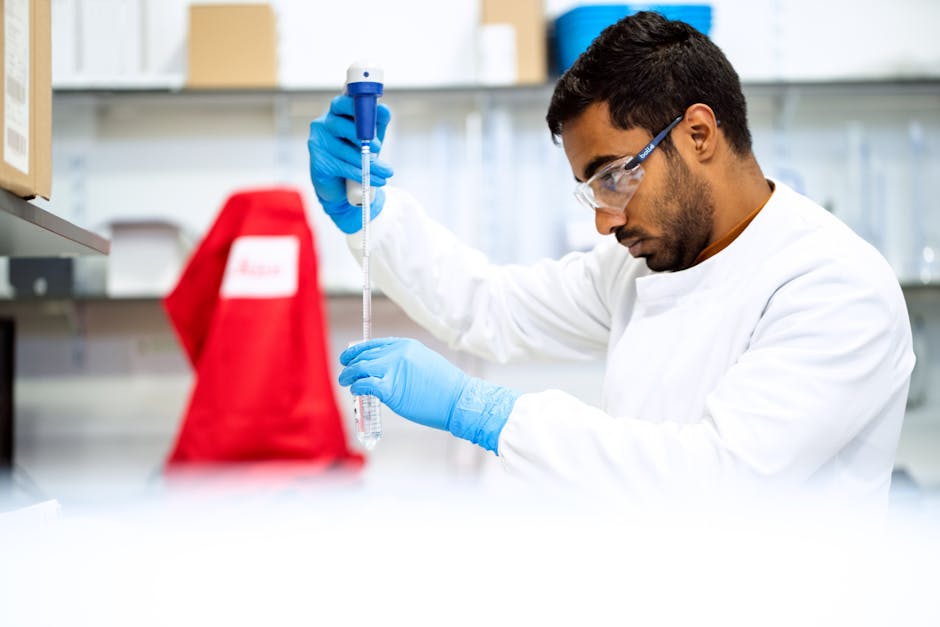
Top 10 Mind-Blowing Science Discoveries of the Year

Top 10 Mind-Blowing Science Discoveries of the Year

⏱️ 6 min read

The past year has been extraordinary for scientific advancement, with researchers around the globe making breakthroughs that are reshaping our understanding of the universe, human health, and the world around us. From revolutionary cancer treatments to discoveries in deep space, these achievements represent the pinnacle of human curiosity and ingenuity. Here are the most significant scientific discoveries that have captivated the scientific community and promise to transform our future.

Revolutionary Breakthroughs in Science

1. Weight-Loss Drugs Reveal Brain-Body Connection

GLP-1 receptor agonists, originally developed for diabetes treatment, have demonstrated unprecedented effects on obesity and addiction. Researchers discovered that these medications don't just reduce appetite—they fundamentally alter the brain's reward pathways. Clinical trials showed that patients experienced reduced cravings for alcohol, nicotine, and even compulsive behaviors. This breakthrough has revealed previously unknown connections between metabolic hormones and neurological function, opening new avenues for treating addiction, mental health disorders, and metabolic diseases simultaneously.

2. Room-Temperature Superconductor Claims Spark Scientific Debate

Scientists reported the creation of a nitrogen-doped lutetium hydride compound that allegedly exhibits superconductivity at room temperature and near-ambient pressure. If verified, this discovery would revolutionize energy transmission, transportation, and computing. While the scientific community remains cautiously skeptical and replication attempts continue, the research has invigorated the field of materials science and highlighted the potential for discovering materials with seemingly impossible properties. The quest for room-temperature superconductors represents one of physics' holy grails, with implications for zero-loss power grids and quantum computing.

3. CRISPR Gene Therapy Approved for Sickle Cell Disease

Regulatory authorities approved the first CRISPR-based gene therapy for treating sickle cell disease and beta-thalassemia. This landmark decision marks the beginning of a new era in medicine where genetic diseases can be cured rather than merely managed. The therapy works by editing patients' own blood stem cells to produce functional hemoglobin. Clinical trials showed that over 90% of patients were freed from debilitating pain crises. This achievement validates decades of genetic research and demonstrates that gene editing can be both safe and effective in humans, paving the way for treatments of thousands of genetic disorders.

4. James Webb Space Telescope Discovers Ancient Galaxies

The James Webb Space Telescope identified galaxies that formed merely 300 million years after the Big Bang, far earlier than previously thought possible. These ancient galaxies appear surprisingly mature and massive, challenging existing theories about cosmic evolution. The discoveries suggest that galaxy formation occurred much more rapidly in the early universe than models predicted. Additionally, Webb detected complex organic molecules in distant planetary atmospheres and captured unprecedented images of stellar nurseries, providing insights into how stars and planets form. These observations are rewriting astronomy textbooks and forcing scientists to reconsider fundamental assumptions about cosmic history.

5. Artificial Intelligence Predicts Protein Structures

Building on previous AI breakthroughs, researchers expanded protein structure prediction capabilities to encompass nearly all known proteins and their interactions with other molecules. This advancement accelerated drug discovery and enabled scientists to understand disease mechanisms at the molecular level. The technology has already contributed to developing new enzymes for breaking down plastics, designing more effective vaccines, and understanding antibiotic resistance. What once took years of laboratory work can now be accomplished in hours, democratizing structural biology and enabling smaller research teams to make significant contributions.

6. First Malaria Vaccine Shows Promise in Children

A new malaria vaccine demonstrated 75% efficacy in preventing the disease in African children, surpassing the performance of previous candidates. Malaria kills over 600,000 people annually, predominantly children under five in sub-Saharan Africa. This breakthrough represents decades of research into one of humanity's oldest and deadliest diseases. The vaccine uses a novel approach that triggers a stronger immune response than earlier attempts. Large-scale rollout has begun in multiple countries, with researchers optimistic that combining vaccination with existing prevention methods could eliminate malaria as a major public health threat within a generation.

7. Quantum Computer Achieves Computational Advantage

Researchers demonstrated quantum computers solving practical problems faster than classical supercomputers for the first time in a useful application. The quantum system optimized complex molecular simulations relevant to battery technology and pharmaceutical development. This achievement moves quantum computing beyond theoretical demonstrations toward real-world applications. While widespread quantum computing remains years away, this milestone proves the technology's potential to revolutionize fields requiring massive computational power, including climate modeling, financial analysis, cryptography, and materials science. The race to build practical quantum computers has intensified, with both private companies and governments investing billions.

8. Brain Implant Enables Paralyzed Patients to Communicate

Advanced brain-computer interfaces allowed completely paralyzed patients to communicate by translating neural signals into text at unprecedented speeds. The system uses machine learning to decode intended speech directly from brain activity, achieving communication rates approaching normal conversation. Participants reported improved quality of life and renewed connection with loved ones. This technology combines neuroscience, artificial intelligence, and bioengineering to restore fundamental human capabilities. Researchers are now working to expand applications to controlling robotic limbs, operating computers, and even restoring sensory feedback, bringing science fiction closer to reality.

9. Discovery of Self-Repairing Materials

Materials scientists developed polymers that autonomously repair damage without external intervention, mimicking biological healing processes. These materials contain networks of molecular bonds that automatically reconnect when broken, restoring structural integrity. Applications range from self-healing smartphone screens to infrastructure that repairs stress fractures before they become dangerous. The breakthrough emerged from understanding how living tissues heal and translating those principles into synthetic materials. This innovation promises to reduce waste, extend product lifespans, and create safer buildings and vehicles that maintain their integrity over time.

10. Evidence of Underground Ocean on Saturn's Moon

Analysis of data from space missions revealed compelling evidence that Enceladus, one of Saturn's moons, harbors a global ocean beneath its icy surface containing the chemical ingredients necessary for life. Geysers erupting from the moon's surface contain organic compounds, salts, and evidence of hydrothermal activity similar to Earth's deep-sea vents where life may have originated. This discovery makes Enceladus one of the most promising locations in our solar system to search for extraterrestrial life. Future missions are being planned to sample the geyser plumes directly and potentially discover whether life exists beyond Earth.

Looking Forward

These ten discoveries represent just a fraction of the scientific progress achieved this year, yet each has profound implications for humanity's future. From curing genetic diseases to exploring potentially habitable worlds, from revolutionary materials to quantum computing, science continues to expand the boundaries of what's possible. These breakthroughs required collaboration across disciplines, countries, and generations of researchers building upon each other's work. As technology accelerates and our tools become more sophisticated, the pace of discovery will likely increase, bringing solutions to challenges we face and revealing wonders we have yet to imagine. The coming years promise even more remarkable advances as these discoveries mature from laboratory achievements into technologies that transform daily life.