
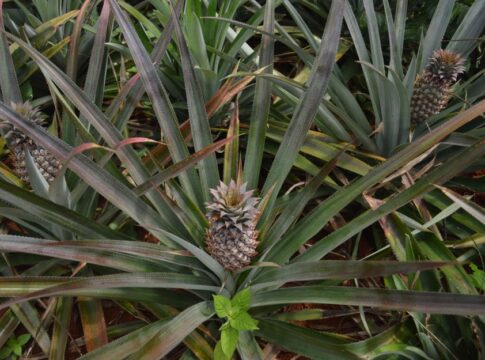
Why Pineapples Take Two Years to Grow Just One Fruit
By Trivia Daily, Staff Writer — Published September 1, 2026
Table of Contents
- Key Takeaways
- The Slow Journey: Why Pineapples Take Years to Mature
- One Plant, One Fruit: The Pineapple’s Unique Reproduction
- Commercial Tricks: Speeding Up Nature (Sort Of)
- Comparing Pineapples to Other Tropical Fruits
- The Historical Prestige of Patience
- Why This Matters for Your Grocery Store Pineapple
- Frequently Asked Questions
That golden, spiky fruit sitting in your grocery store has been on an incredibly long journey. While most fruits ripen in weeks or months, pineapples take years to produce a single fruit—often around 18 to 24 months from planting to harvest. This surprising timeline makes the pineapple one of the slowest-maturing fruits you’ll encounter, and the reasons behind this patient process reveal fascinating facts about how these tropical treats actually grow.
The pineapple’s leisurely development isn’t a flaw in nature’s design. It’s the result of a complex growth cycle that transforms a small plant cutting into a fruit-bearing wonder through distinct, time-consuming stages that can’t be rushed.
Key Takeaways
- Pineapples typically require 18 to 24 months from initial planting to produce their first fruit, making them one of the slowest-growing common fruits.
- Each pineapple plant produces only one fruit per cycle, though the plant can be encouraged to fruit again after harvesting.
- The pineapple isn’t a single fruit but a collection of dozens of individual fruitlets that fuse together around a central core.
- Commercial growers can manipulate flowering with plant hormones to synchronize harvests, but the fruit still needs months to develop fully.
- A single pineapple plant can live and produce fruit for up to 50 years under ideal conditions, though commercial plants are typically replaced after three harvest cycles.
The Slow Journey: Why Pineapples Take Years to Mature
The pineapple growth cycle unfolds in distinct phases, each demanding its own timeline. First comes the vegetative stage, where the plant focuses entirely on developing a robust root system and producing long, sword-like leaves. This foundation-building phase alone consumes 12 to 16 months. During this time, the plant photosynthesizes and stores energy, preparing itself for the enormous task ahead.
Only after sufficient maturity does the plant shift to its reproductive phase. The flowering process begins when the central growing point transforms into an inflorescence—a spike covered in small purple flowers. Each tiny flower will eventually become one of the hexagonal fruitlets visible on a pineapple’s surface. This flowering stage lasts several weeks, with individual flowers opening sequentially from bottom to top.
After pollination (which commercial growers typically prevent to avoid seeds), the fruit development phase begins. The individual flowers fuse together, creating what botanists call a “multiple fruit” or “collective fruit.” This fusion and subsequent growth requires another five to six months. The fruit gradually swells, the flesh sweetens, and the characteristic golden color develops only in the final weeks before harvest.
One Plant, One Fruit: The Pineapple’s Unique Reproduction
Unlike apple trees that bear dozens of fruits or strawberry plants that produce berries throughout a season, each pineapple plant invests all its reproductive energy into a single fruit. This biological strategy makes sense when you consider the fruit’s size and the plant’s limited resources. A mature pineapple can weigh five to eight pounds—an impressive achievement for a plant that stands only three to four feet tall.
After harvesting the main fruit, the plant isn’t finished. It produces side shoots called “slips” around the fruit and “suckers” from the base. Growers can allow these offshoots to develop and produce additional fruits, though each subsequent harvest typically yields slightly smaller pineapples. The second fruit might take 12 to 15 months, while a third could take another year.
Commercial Tricks: Speeding Up Nature (Sort Of)
Pineapple farmers have developed techniques to work with—not against—the plant’s natural timeline. The most significant breakthrough involves ethylene gas or calcium carbide, which triggers flowering in mature plants. This allows growers to coordinate harvests rather than waiting for plants to flower randomly. However, this trick only works on plants that have already completed their lengthy vegetative phase. You can’t rush a six-month-old pineapple into fruiting.
Temperature and growing conditions also influence timing. Pineapples grown in consistently warm tropical climates may mature slightly faster than those experiencing cooler periods. Commercial operations in Hawaii, the Philippines, Costa Rica, and Thailand optimize soil composition, irrigation, and spacing to encourage steady growth, but even under perfect conditions, the fundamental timeline remains measured in years, not months.
Comparing Pineapples to Other Tropical Fruits
| Fruit | Time to First Harvest | Fruits Per Plant/Tree |
|---|---|---|
| Pineapple | 18–24 months | 1 per cycle |
| Banana | 9–12 months | 100+ per bunch |
| Papaya | 6–9 months | 50–100 per year |
| Mango Tree | 3–5 years | 100–200 per season |
| Strawberry | 4–6 weeks | Multiple per season |
The Historical Prestige of Patience
The pineapple’s slow growth contributed to its status as a luxury item in European society during the 17th and 18th centuries. Wealthy aristocrats built special heated greenhouses called “pineries” to cultivate these exotic fruits in cold climates. The investment required—specialized structures, constant heating, years of waiting—meant that a single pineapple could cost the equivalent of thousands of dollars in today’s money.
Hosts who managed to grow their own pineapples would sometimes rent them out for display at parties before eventually eating them. The fruit became such a powerful symbol of hospitality and wealth that its image appeared in architecture, furniture, and decorative arts throughout Europe and colonial America. That symbolism persists today in decorative pineapple motifs representing welcome and hospitality.
Why This Matters for Your Grocery Store Pineapple
Understanding the pineapple’s two-year journey changes how you might view that $3 fruit at the supermarket. The low price reflects modern agricultural efficiency and tropical growing conditions, not the actual investment of time and resources. Each pineapple represents two years of sunlight converted to sugar, careful management of water and nutrients, and the biological determination of a plant that produces just one remarkable fruit.
This also explains why pineapples don’t ripen further after harvest. Unlike bananas or avocados, which are climacteric fruits that continue developing off the plant, pineapples are non-climacteric. When picked, they’re as sweet as they’ll ever be. That’s why commercial growers wait until the fruit shows some golden color at the base—a sign that sufficient sugar has developed during those many months on the plant.
Frequently Asked Questions
Can you grow a pineapple from the leafy top?
Yes, you can plant the crown from a store-bought pineapple, but expect to wait 18 to 24 months for fruit—if it fruits at all. Indoor plants often lack the intense light and warmth needed for fruiting, though they make attractive houseplants.
Do pineapples continue growing after you buy them?
No, pineapples stop developing once harvested. They won’t get sweeter or ripen further on your counter. Choose pineapples that smell sweet at the base and show some golden color for the best flavor.
Why are pineapples called pineapples when they’re not related to pines or apples?
European explorers thought the fruit resembled a pine cone and tasted sweet like an apple, combining the two words. Most other languages use variations of the indigenous Tupi word “nanas” or “ananas.”
How many times can a single pineapple plant produce fruit?
A pineapple plant can produce fruit multiple times using its offshoots, with some plants continuing for decades. Commercial growers typically harvest two to three fruits per plant before replanting for optimal size and efficiency.
The next time you slice into a pineapple, you’re tasting the culmination of two years of tropical sunshine, patient biological processes, and a plant’s singular focus on creating one perfect fruit. That’s a remarkable investment for something so casually tossed into a fruit salad—and a reminder that some of nature’s best work simply cannot be rushed.