








⏱️ 7 min read
The Vikings have captured our imagination for centuries, often portrayed as fierce warriors with horned helmets sailing across treacherous seas. However, the reality of Viking culture was far more complex and fascinating than popular media often suggests. These Norse seafarers were not only skilled fighters but also traders, explorers, farmers, and craftspeople who left an indelible mark on European history. From their hygiene habits to their democratic practices, the Vikings were remarkably advanced for their time and full of surprises that challenge our modern perceptions.
Fascinating Truths About Norse Culture and History
1. Vikings Never Actually Wore Horned Helmets
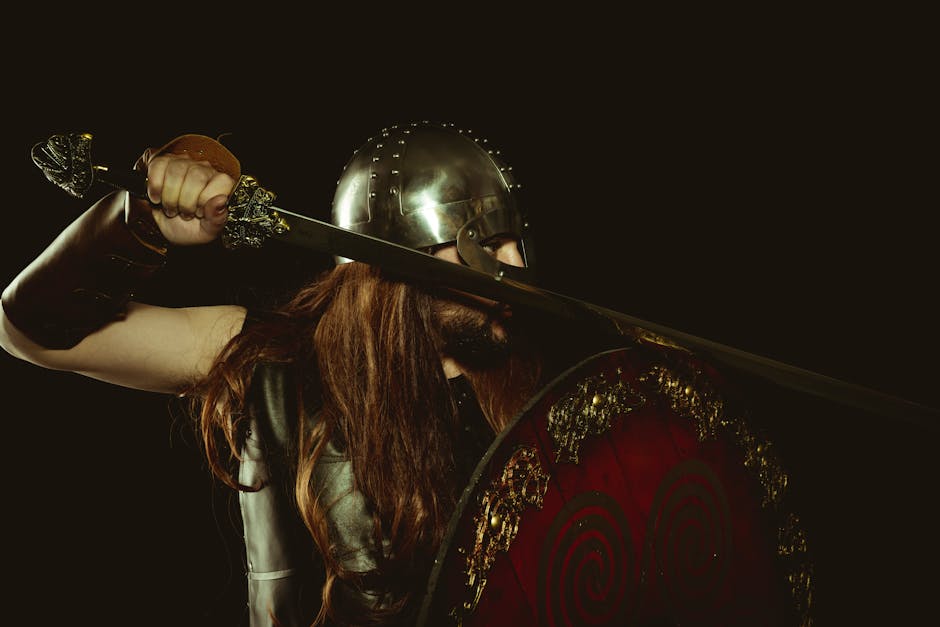
Perhaps the most persistent myth about Vikings is their iconic horned helmet image. In reality, there is no archaeological evidence that Vikings ever wore horned helmets in battle. This misconception originated in the 19th century, popularized by costume designers for Wagner's opera productions. Actual Viking helmets were simple, practical iron or leather caps, sometimes with a nose guard for protection. Horned helmets would have been impractical in combat, providing enemies with something to grab and making the wearer more vulnerable. The closest historical connection to horned headgear comes from ceremonial Bronze Age artifacts predating the Viking Age by thousands of years.
2. Norse Warriors Were Surprisingly Hygienic
Contrary to the popular image of dirty, uncivilized raiders, Vikings were actually quite fastidious about personal grooming and cleanliness. Archaeological excavations have uncovered numerous grooming tools including combs, razors, tweezers, and ear cleaners at Viking sites. They bathed at least once a week, which was considerably more frequent than most Europeans of that era. Saturday was even designated as "laugardagur" or "washing day" in Old Norse. Vikings also bleached their beards and hair, used soap, and maintained their appearance carefully. English chroniclers actually complained that the well-groomed Norsemen were too successful with English women because of their superior hygiene habits.
3. Viking Women Enjoyed Remarkable Rights and Independence
Women in Viking society held a surprisingly strong position compared to their European counterparts. They could own property, request divorces, and reclaim their dowries if marriages ended. Women managed household finances and ran farms when men were away on trading expeditions or raids. Some women even became successful merchants and traders in their own right. Archaeological evidence suggests that some women may have been warriors, with several burial sites containing female remains alongside weapons and military equipment. The famous shield-maidens of Norse sagas may have had some basis in historical reality, though the extent of women's participation in warfare remains debated among historians.
4. The Norse Reached North America Centuries Before Columbus
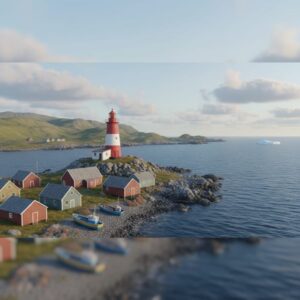
Vikings established settlements in North America around 1000 CE, nearly 500 years before Christopher Columbus's famous voyage. Led by Leif Erikson, Norse explorers founded a settlement at L'Anse aux Meadows in present-day Newfoundland, Canada. They called this new land "Vinland" due to the wild grapes they found growing there. While the settlement was ultimately abandoned after just a few years, likely due to conflicts with indigenous peoples and the difficulty of maintaining supply lines, it represents definitive proof of pre-Columbian European contact with the Americas. The archaeological site at L'Anse aux Meadows was discovered in 1960 and has provided invaluable insights into Viking exploration.
5. Vikings Used Advanced Navigation Techniques
Without compasses or modern navigation tools, Vikings developed sophisticated methods to traverse vast ocean distances. They used sunstones, believed to be calcite crystals, which could locate the sun's position even on cloudy days by detecting polarized light. Vikings also relied on detailed mental maps, observations of birds, whales, sea conditions, and coastal landmarks. They developed remarkably accurate knowledge of wind patterns, currents, and seasonal changes. Some historians believe they may have used a primitive sun compass for navigation. These techniques allowed them to successfully navigate from Scandinavia to Iceland, Greenland, and even North America across open ocean.
6. The Norse Practiced Democratic Assembly Long Before Modern Parliaments
Vikings held assemblies called "Things" where free men gathered to settle disputes, make laws, and discuss important community matters. The Althing in Iceland, established in 930 CE, is considered one of the world's oldest surviving parliaments. At these assemblies, even common farmers could bring grievances against chieftains, and decisions were made collectively. While not democratic by modern standards—women and slaves couldn't participate—these assemblies represented a remarkably progressive form of governance for medieval times. The Thing system demonstrated that Viking society valued consensus-building and rule of law over absolute monarchy.
7. Norse Traders Connected Three Continents
While Viking raids captured historical attention, the Norse were primarily traders who established extensive commercial networks. Their trade routes stretched from Baghdad to Byzantium, from the Arctic Circle to the Mediterranean. Vikings traded furs, amber, walrus ivory, and slaves for silver, silk, spices, and wine. They founded trading centers like Dublin, York, and Novgorod that became major European cities. Archaeological finds of Arabic coins in Scandinavia and Scandinavian artifacts in the Middle East demonstrate the vast reach of Viking commerce. This trading network facilitated cultural exchange and helped integrate Scandinavia into the broader medieval world economy.
8. Viking Berserkers May Have Used Psychoactive Substances
The legendary berserkers were Viking warriors who fought in a trance-like fury, supposedly impervious to pain and fear. Historical accounts describe them working themselves into an ecstatic state before battle, biting their shields and howling. Modern scholars have proposed various explanations for this behavior, including the possible use of psychoactive mushrooms like Amanita muscaria, consumption of alcohol, or self-induced psychological states similar to battle frenzy. Some researchers suggest berserkers may have suffered from mental conditions that caused explosive rage. Whatever the cause, berserkers were both feared and revered in Viking society, often serving as elite shock troops for kings and chieftains.
9. The Norse Influenced the English Language Extensively
Viking settlement in Britain left a permanent linguistic legacy still evident in modern English. Hundreds of common English words derive from Old Norse, including "sky," "egg," "knife," "husband," "window," "ugly," "wrong," and "die." Many English place names, particularly in northern England, have Norse origins—any town ending in "-by" (meaning village), "-thorpe" (meaning farm), or "-thwaite" (meaning clearing) indicates Viking settlement. Even grammatical structures in English were influenced by Norse, including the simplification of inflections and the adoption of certain pronouns. This linguistic heritage reflects the deep cultural integration that occurred during the Danelaw period when Vikings controlled large portions of England.
10. Vikings Were Master Shipbuilders With Revolutionary Designs
The iconic Viking longship represented cutting-edge maritime technology that enabled Norse expansion. These vessels featured a revolutionary clinker-built design with overlapping planks that provided both strength and flexibility, allowing them to withstand rough ocean conditions while remaining light enough to be portaged over land. The shallow draft meant longships could navigate both open seas and shallow rivers, enabling surprise attacks far inland. Vikings built different ship types for different purposes: sleek warships for raiding, broader knarrs for cargo transport, and specialized vessels for different conditions. The craftsmanship was extraordinary—ships were built without written plans, relying entirely on accumulated knowledge and skill passed through generations. Well-preserved ships like those found at Gokstad and Oseberg demonstrate engineering sophistication that wouldn't be surpassed for centuries.
The Lasting Legacy of the Norse
These ten facts reveal that Vikings were far more than the one-dimensional raiders of popular imagination. They were skilled navigators who reached North America five centuries before Columbus, hygienic traders who connected three continents, and innovative shipbuilders whose designs revolutionized maritime travel. Their society granted women significant rights unusual for the medieval period, and their democratic assemblies predated modern parliamentary systems. From their influence on the English language to the debunking of the horned helmet myth, Vikings continue to surprise us with their sophistication and complexity. Understanding the reality of Viking culture allows us to appreciate their genuine achievements and the profound impact they had on shaping medieval Europe and beyond. The Norse legacy lives on in our language, our institutions, and our continued fascination with these remarkable seafaring people.