
⏱️ 5 min read
When biting into a perfectly crispy potato chip, savoring a creamy chocolate mousse, or experiencing the satisfying crunch of fresh vegetables, the sensory pleasure goes far beyond taste alone. Texture plays a fundamental role in how we perceive and enjoy food, often influencing our preferences just as much as flavor. The scientific study of food texture has revealed that our mouths and brains process textural information through complex mechanisms that significantly impact our overall eating experience and food choices.
Understanding Food Texture and Its Components
Food texture refers to the physical properties of food that can be felt by touch, including the sensations experienced in the mouth during chewing and swallowing. Scientists classify texture into mechanical properties, geometric properties, and other characteristics. Mechanical properties include hardness, cohesiveness, viscosity, elasticity, and adhesiveness. Geometric properties relate to the size, shape, and arrangement of particles within food, such as graininess, grittiness, or fibrousness. Additional characteristics encompass moisture content and fat content, which contribute to perceptions like moistness, oiliness, or greasiness.
The science of rheology, which studies how materials deform and flow, is essential to understanding food texture. Rheological measurements help food scientists quantify properties like viscosity in liquids and viscoelasticity in semi-solid foods, providing objective data that correlates with subjective sensory experiences.
How We Perceive Texture
The human perception of texture involves multiple sensory systems working simultaneously. Mechanoreceptors in the mouth, tongue, and jaw detect pressure, vibration, and movement. These specialized nerve endings transmit signals to the brain about the physical properties of food as we manipulate it with our tongues and teeth. The process begins even before food enters the mouth, as visual and auditory cues set expectations about texture.
The brain integrates information from various sources to create a complete textural perception. Touch receptors provide feedback about firmness and temperature, proprioceptors in muscles and joints track jaw movements and the force required to chew, and even our ears contribute by detecting sounds produced during chewing. The characteristic crunch of fresh lettuce or the snap of a crisp apple provides auditory feedback that enhances our perception of freshness and quality.
The Chemistry Behind Textural Properties
At the molecular level, texture arises from the structure and interactions of proteins, carbohydrates, fats, and water within food. Proteins can form networks that trap water and create gel-like structures, as seen in custards and set yogurts. The type and concentration of protein, along with factors like pH and temperature, determine the strength and characteristics of these networks.
Carbohydrates contribute to texture through various mechanisms. Starches gelatinize when heated in water, swelling and creating thickness in sauces and puddings. Pectin and other polysaccharides form gels in jams and jellies through specific molecular interactions. Cellulose and other dietary fibers provide structure and crispness in plant tissues.
Fats influence texture by creating smoothness and lubricity, coating the mouth and providing a rich mouthfeel. The crystalline structure of fats determines whether a product feels waxy, creamy, or brittle. Water content and how it is bound within the food matrix critically affects texture, influencing properties ranging from juiciness to crispness to chewiness.
Texture Modification in Food Processing
Food scientists and chefs employ numerous techniques to manipulate texture and create desired sensory experiences. Heat treatment alters protein structures through denaturation and can gelatinize starches, transforming raw ingredients into entirely different textures. Mechanical processing, including grinding, homogenization, and emulsification, changes particle size and distribution, affecting how food feels in the mouth.
The addition of hydrocolloids—substances that form gels or thicken when mixed with water—allows precise control over texture. Common hydrocolloids include:
- Gelatin, derived from collagen, used in desserts and confections
- Agar, extracted from seaweed, popular in Asian cuisine and molecular gastronomy
- Xanthan gum, a bacterial fermentation product, used to stabilize emulsions and suspensions
- Modified starches engineered for specific functional properties in processed foods
Fermentation processes also significantly impact texture. The action of microorganisms and enzymes can break down proteins and carbohydrates, creating characteristic textures in products like cheese, bread, and fermented vegetables.
Cultural Preferences and Textural Expectations
Texture preferences vary significantly across cultures and influence food acceptance and consumption patterns. While Western cuisines often prize crispy and crunchy textures, many Asian food cultures embrace soft, slippery, and gelatinous textures that might be unfamiliar or unappealing to others. These preferences develop through early exposure and cultural conditioning.
Texture words themselves are culturally specific, with some languages containing extensive vocabularies to describe subtle textural differences. Japanese, for example, has numerous onomatopoetic words describing various textures, reflecting the cultural importance placed on textural variety in cuisine.
Texture’s Role in Nutrition and Satiety
Research demonstrates that texture influences not only enjoyment but also nutritional outcomes. Foods requiring more chewing typically result in slower eating rates and increased satiety signals, potentially helping with portion control and weight management. The physical act of chewing stimulates saliva production and prepares the digestive system for nutrient absorption.
Texture also affects the bioavailability of nutrients. Grinding, cooking, and other texture-modifying processes can make certain nutrients more accessible for absorption while potentially reducing others. The food matrix—how nutrients are embedded within the textural structure—influences digestion and metabolism.
Innovation in Texture Science
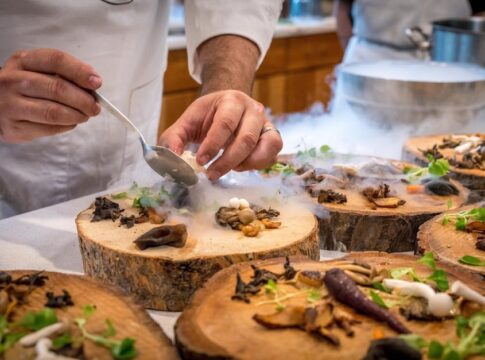
Modern food technology continues to push boundaries in texture creation. Molecular gastronomy has introduced techniques like spherification, which encapsulates liquids in delicate membranes, and the use of liquid nitrogen for unique frozen textures. Plant-based meat alternatives rely heavily on texture engineering to mimic the fibrous, juicy characteristics of animal proteins. Three-dimensional food printing promises customized textures for specific dietary needs or preferences.
Understanding the science of texture enables better food design, improved quality control, and innovation in creating novel eating experiences that satisfy both our palates and our complex sensory systems.