
⏱️ 6 min read
Film editing is often called the “invisible art” of cinema, working its magic behind the scenes to transform raw footage into compelling stories. While audiences may not always notice the editor’s work, it’s one of the most crucial aspects of filmmaking that can make or break a movie. From the cutting room floor to digital workstations, the editing process has evolved dramatically over the decades, bringing with it fascinating techniques, surprising challenges, and remarkable innovations that have shaped the films we love.
Behind the Scenes of Cinema’s Most Powerful Craft
1. Editors Often Work with More Than 200 Hours of Footage
For a typical feature film that runs approximately two hours, editors commonly receive between 200 to 400 hours of raw footage to work with. This means that for every minute that appears in the final cut, there could be up to two hours of material that gets left out. Action films and movies with extensive improvisation can generate even more footage. The Marvel Cinematic Universe films, for instance, often shoot multiple takes with different dialogue variations and action sequences, resulting in massive amounts of material that editors must carefully sift through to find the perfect moments.
2. The First Female Oscar Winner Was a Film Editor
In 1935, Anne Bauchens made history by becoming the first woman to win an Academy Award in a creative category when she received the Oscar for Best Film Editing for “Cleopatra.” She worked as director Cecil B. DeMille’s editor for 40 years, editing all of his films from 1918 to 1956. This groundbreaking achievement highlights how film editing has been a field where women have made significant contributions since cinema’s early days, often finding more opportunities than in other technical film departments of that era.
3. Some Editors Never Watch the Entire Script Before Cutting
Many professional editors deliberately avoid reading the complete screenplay before beginning their work. Instead, they prefer to receive scenes as they’re filmed and edit them fresh, bringing an authentic audience perspective to the material. This approach allows editors to experience the story more like viewers will, helping them identify pacing issues, confusing plot points, or moments that don’t land as intended. This “blind editing” technique can result in more objective decisions about what works and what doesn’t in the storytelling.
4. The Average Film Requires Thousands of Individual Cuts
A typical Hollywood feature film contains between 1,000 to 3,000 individual cuts, though action movies can have significantly more. “Mad Max: Fury Road” famously contained approximately 2,700 cuts in its two-hour runtime, contributing to its relentless pace and kinetic energy. In contrast, films aiming for a more contemplative feel might have fewer than 600 cuts. Each cut represents a decision point where the editor chose exactly when to transition from one shot to another, making thousands of micro-decisions that collectively shape the viewer’s experience.
5. Editing Can Completely Change a Film’s Genre
The same footage can be transformed into completely different genres depending on how it’s edited. This has been demonstrated numerous times when editors have recut trailers to make horror films appear to be comedies or rom-coms look like thrillers. The editing process controls pacing, timing, music placement, and shot selection—all elements that fundamentally define a film’s genre. In professional practice, test screenings sometimes reveal that a film works better in a different genre than originally intended, leading editors to restructure entire movies in post-production.
6. The Term “Cutting Room Floor” Was Literal in Early Cinema
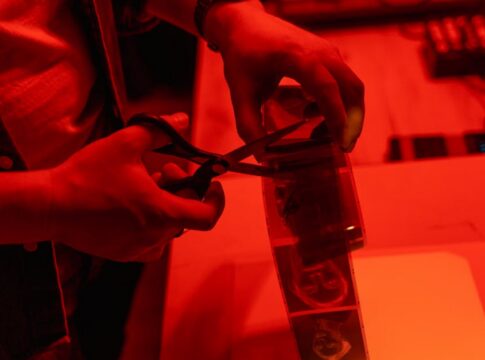
Before digital editing, film editors worked with actual strips of celluloid film that they would physically cut with scissors or razor blades and tape or glue back together. Unused pieces of film would literally fall to the floor, accumulating in piles around the editor’s workspace. Editors would hang selected strips of film on pins or hooks around the editing room, creating a physical representation of the film’s structure. Some editors could identify specific scenes just by looking at the film strip’s sprocket holes and frame composition, a skill that has become obsolete in the digital age.
7. Editors Often Create Multiple Versions of Key Scenes
Professional editors typically create several different versions of crucial scenes—sometimes ten or more variations—experimenting with different takes, angles, pacing, and music choices. These alternate cuts allow directors and producers to compare options side by side during review sessions. A scene that feels perfect in one context might not work when placed in the full film’s sequence, so having multiple versions prepared saves time and provides creative flexibility. This iterative process is where much of the creative magic happens in post-production.
8. Sound Editing Can Take Longer Than Picture Editing
While picture editing might take several months, the sound editing and mixing process can be equally time-consuming or even longer. A feature film’s soundtrack isn’t just dialogue and music—it includes hundreds of layers of ambient sound, foley effects, atmospheric noise, and precisely synchronized sound effects. Major productions employ teams of sound editors who might spend six months or more creating the audio landscape. Every footstep, door creak, clothing rustle, and background conversation is often added or enhanced during post-production, requiring meticulous attention to detail.
9. Editors Sometimes Save Films That Were Considered Failures
Throughout film history, editors have rescued movies that tested poorly or seemed unfixable after principal photography. By restructuring scenes, changing the narrative order, or finding new ways to use existing footage, talented editors have transformed potential disasters into successes. “Star Wars: A New Hope” famously underwent significant editing changes that dramatically improved the film’s pacing and impact. Editor Marcia Lucas, along with Paul Hirsch and Richard Chew, won an Oscar for their work, which included restructuring the Death Star battle sequence and adjusting the film’s opening to better engage audiences.
10. Modern Editors Can Work Remotely Across the Globe
Digital technology has revolutionized not just how films are edited, but where the work happens. Modern editing software and high-speed internet connections allow editors to work remotely, collaborating with directors and producers across different continents in real-time. During the COVID-19 pandemic, this practice became standard, but it has continued because of its efficiency and flexibility. Editors can receive footage uploads directly from production sets, work on scenes overnight, and have review sessions via video conference, making the post-production process faster and more globally collaborative than ever before.
The Art That Shapes Our Stories
Film editing remains one of the most powerful yet underappreciated aspects of cinema. From the sheer volume of footage that editors must manage to the creative decisions that can completely transform a film’s impact, the editing process is where raw material becomes refined storytelling. The evolution from physical film strips scattered on cutting room floors to sophisticated digital workstations has changed the technical approach, but the fundamental artistic challenge remains the same: finding the best way to tell a story through the careful selection and arrangement of images and sounds. Whether working with thousands of cuts in an action blockbuster or crafting a more contemplative pace for a drama, editors wield enormous influence over how audiences experience and emotionally connect with films. These ten facts only scratch the surface of a craft that continues to evolve and surprise, proving that great editing truly is the invisible art that makes all the difference.