

















⏱️ 6 min read
While historical dramas often take creative liberties for the sake of entertainment, some television series stand out for their commitment to authenticity. These productions employ historians as consultants, meticulously research period details, and strive to present events as they actually unfolded. From costume accuracy to dialogue based on historical records, these shows demonstrate that compelling storytelling and historical fidelity need not be mutually exclusive.
Television Series That Bring History to Life with Accuracy
1. Band of Brothers: The Definitive World War II Combat Series
This HBO miniseries, produced by Steven Spielberg and Tom Hanks, follows Easy Company of the 506th Parachute Infantry Regiment from D-Day through the end of World War II. The production relied heavily on Stephen Ambrose's meticulously researched book and interviews with actual Easy Company veterans. Military historians praised the series for its accurate depiction of combat tactics, equipment, and the psychological toll of warfare. The filmmakers consulted with veterans throughout production, ensuring that even small details like how soldiers carried their weapons or communicated under fire matched historical reality. The series also accurately portrayed lesser-known events like the discovery of concentration camps by American forces.
2. John Adams: Presidential History Through Primary Sources
This HBO miniseries brought the American Founding Father's life to vivid detail, drawing extensively from David McCullough's Pulitzer Prize-winning biography and John Adams' own correspondence with his wife Abigail. The production team consulted with colonial historians to ensure accuracy in everything from 18th-century dental practices to the actual layout of Independence Hall. The series didn't shy away from depicting the smallpox inoculation process, the contentious nature of early American politics, or Adams' complex relationship with Thomas Jefferson. Costume designers studied period portraits and documents to recreate clothing with historically accurate fabrics and construction methods.
3. Rome: Ancient Empire Meets Archaeological Evidence
The BBC-HBO collaboration brought ancient Rome to life with unprecedented attention to historical and archaeological detail. The series depicted the transition from Roman Republic to Empire through the eyes of two soldiers, incorporating actual historical events and figures. Historians praised the show's portrayal of Roman daily life, religious practices, and political machinations, which were based on extensive research into primary sources and archaeological findings. The set design replicated Roman architecture using construction techniques from the period, and the series accurately depicted everything from voting procedures in the Senate to the brutal realities of gladiatorial combat and military discipline.
4. Chernobyl: Documenting Nuclear Disaster with Scientific Precision
This critically acclaimed miniseries recounted the 1986 nuclear disaster with remarkable accuracy, consulting with scientists, first responders, and survivors. The production team studied thousands of pages of testimony from the trial of plant operators and interviewed individuals who lived through the event. While the series compressed some timelines for dramatic purposes and created composite characters, the actual scientific details of the reactor failure, radiation effects, and cleanup efforts were meticulously researched. Medical consultants ensured that the depiction of acute radiation syndrome was accurate, and the show's portrayal of Soviet bureaucracy and the initial cover-up attempts matched historical records.
5. The Crown: Modern Monarchy Under Historical Scrutiny
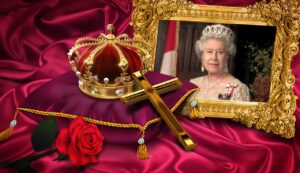
Netflix's biographical drama about Queen Elizabeth II's reign combines extensive research with insider accounts to present recent British history. The production employs historical consultants and draws from biographies, news archives, and declassified government documents. While some conversations are necessarily dramatized, major events like the Aberfan disaster, the Great Smog of London, and various political crises are presented with careful attention to chronology and detail. Costume designers replicate actual outfits worn by the royal family, often matching them to photographs from specific events, and set designers recreate historical interiors based on archival images and access to actual palaces.
6. Deadwood: The American West Beyond Mythology
David Milch's HBO series depicted the real South Dakota gold rush town with far more historical accuracy than typical Westerns. The show featured actual historical figures like Wild Bill Hickok, Calamity Jane, and Al Swearengen, incorporating documented events and even dialogue from historical records when available. Historians praised the series for showing the West as it actually was: muddy, disease-ridden, and characterized by complex economic and political struggles rather than simple good-versus-evil gunfights. The series accurately portrayed the tensions between different factions, the exploitation of Chinese immigrants, and the systematic dispossession of Native American lands.
7. The Terror: Arctic Exploration's Fatal Reality
This AMC series dramatized the doomed Franklin Expedition of 1845, when two British ships sought the Northwest Passage and disappeared. The show drew from historical records, Inuit oral histories, and modern archaeological discoveries including the 2014 and 2016 findings of the expedition's ships. While the series added supernatural elements, the historical framework remained accurate: the ships did become trapped in ice, lead poisoning from tinned provisions likely occurred, and the crew faced starvation and harsh Arctic conditions. The production recreated the ships HMS Erebus and HMS Terror with period-accurate detail, and consulted with Arctic historians and Inuit advisors to ensure cultural accuracy.
8. The Pacific: Completing the World War II Story
Companion to Band of Brothers, this HBO series depicted the Pacific Theater of World War II through the experiences of three Marines. Based on memoirs by actual veterans Robert Leckie and Eugene Sledge, the series accurately portrayed the brutal island-hopping campaign, the psychological impact of jungle warfare, and the racial dimensions of the Pacific conflict. Military historians praised its depiction of battles like Peleliu and Okinawa, and the series didn't sanitize the violence or the dehumanization that occurred on both sides. The production consulted extensively with Pacific War veterans and historians to ensure authentic portrayal of Marine Corps tactics and equipment.
9. Wolf Hall: Tudor England Through Contemporary Eyes
Based on Hilary Mantel's meticulously researched novels, this BBC series presented the court of Henry VIII through Thomas Cromwell's perspective. The production drew from extensive Tudor-era documentation, including letters, legal records, and diplomatic correspondence. Historians praised the series for its nuanced portrayal of religious reformation politics and the complex motivations of historical figures often reduced to caricatures. The costume department studied Tudor portraits and tailoring techniques to create period-accurate clothing, and even minor details like table settings and food preparation methods reflected historical research into 16th-century aristocratic life.
10. Masters of the Air: The Eighth Air Force Story
This Apple TV+ series, the third installment in the World War II trilogy from Spielberg and Hanks, chronicles the American bomber crews who flew daylight missions over Nazi-occupied Europe. Based on Donald Miller's historical account, the series accurately depicts the staggering casualty rates among aircrews, the technical challenges of high-altitude bombing, and the moral complexities of strategic bombing campaigns. Aviation historians consulted on the series to ensure accurate representation of B-17 Flying Fortress operations, fighter tactics, and the experience of prisoners of war in German camps. The production combined practical effects with CGI to recreate aerial combat with historical precision.
Why Historical Accuracy Matters in Television
These ten series demonstrate that television can serve as both entertainment and education, introducing audiences to historical events with depth and nuance. By committing to accuracy in research, production design, and storytelling, these shows have created lasting works that honor the people who lived through these events while helping modern audiences understand the complexities of the past. They prove that respecting historical truth enhances rather than diminishes dramatic power, creating viewing experiences that are both emotionally compelling and intellectually enriching.