






1 / 10 Questions
0 Points

What historic trail did pioneers use traveling west to Oregon?

The Santa Fe Trail

The Appalachian Trail

The Oregon Trail

The Freedom Trail

Points won
0
Correct score
0%

More Quizzes

More Articles

Top 10 Comfort Foods to Try This Winter

Top 10 Comfort Foods to Try This Winter

⏱️ 7 min read

As temperatures drop and days grow shorter, there's nothing quite like warming up with hearty, soul-satisfying dishes that bring comfort and joy. Winter is the perfect season to indulge in rich, flavorful foods that not only nourish the body but also lift the spirits. From creamy soups to decadent desserts, these classic comfort dishes have stood the test of time for good reason. Here's a comprehensive guide to the most satisfying comfort foods that deserve a place on your winter menu.

Essential Comfort Foods for Cold Weather

1. Classic Macaroni and Cheese

Few dishes embody comfort quite like macaroni and cheese. This beloved staple combines tender pasta with a rich, creamy cheese sauce that delivers warmth with every bite. The best versions use a combination of sharp cheddar for flavor and Gruyère or fontina for optimal meltability. For extra indulgence, many recipes incorporate a breadcrumb topping baked until golden and crispy. Whether prepared on the stovetop or baked in the oven, this dish provides the perfect balance of carbohydrates and dairy to satisfy winter cravings. The versatility of mac and cheese also allows for endless variations, from adding bacon and jalapeños to incorporating lobster for an upscale twist.

2. Hearty Beef Stew

Beef stew represents the pinnacle of one-pot comfort cooking. This rustic dish features tender chunks of beef slow-cooked with root vegetables like carrots, potatoes, and parsnips in a rich, savory broth. The magic happens during the long, slow cooking process, which breaks down tough cuts of meat into fork-tender morsels while allowing the flavors to meld into a deeply satisfying whole. Traditional preparations often include red wine, tomato paste, and aromatic herbs like thyme and bay leaves. The result is a thick, hearty meal that warms from the inside out and tastes even better the next day as the flavors continue to develop.

3. Chicken Noodle Soup

Often called "Jewish penicillin" for its legendary healing properties, chicken noodle soup is the ultimate comfort food for winter ailments and chilly evenings alike. A proper chicken soup starts with a homemade broth simmered with bones, vegetables, and herbs to extract maximum flavor and nutrients. The addition of tender chicken pieces, egg noodles, carrots, and celery creates a balanced, nourishing meal. The steam rising from a hot bowl provides aromatherapy while the warm liquid soothes and hydrates. This timeless dish has earned its reputation as a cure-all through generations of home cooks who understand that sometimes the simplest foods are the most powerful.

4. Creamy Mashed Potatoes

Smooth, buttery mashed potatoes are a cornerstone of comfort cuisine. The key to exceptional mashed potatoes lies in choosing the right potato variety—typically russets or Yukon golds—and incorporating generous amounts of butter and cream. Some cooks prefer a completely smooth texture achieved through ricing or extensive mashing, while others enjoy a more rustic, chunky consistency. Garlic, sour cream, cream cheese, or roasted vegetables can elevate this simple side dish into something extraordinary. The starchy, creamy nature of mashed potatoes makes them an ideal accompaniment to rich gravies and braised meats, but they're equally satisfying eaten on their own.

5. Slow-Cooked Chili

A steaming bowl of chili delivers warmth, protein, and bold flavors that make it perfect for winter gatherings. Whether prepared with beef, turkey, chicken, or made vegetarian with beans alone, chili benefits from slow cooking that allows spices like cumin, chili powder, and paprika to bloom and intensify. The addition of tomatoes, peppers, and onions creates a complex flavor profile that's both hearty and satisfying. Toppings like shredded cheese, sour cream, diced onions, and cornbread on the side transform chili from a simple stew into a complete comfort food experience. The dish also improves with time, making it ideal for meal prep and feeding crowds.

6. Grilled Cheese Sandwich with Tomato Soup

This iconic pairing represents comfort food at its most elemental. A perfectly grilled cheese sandwich features golden, crispy bread encasing melted cheese that stretches with each bite. The technique involves buttering the outside of the bread and cooking it slowly over medium heat to achieve maximum crispiness without burning. When paired with creamy tomato soup for dipping, the combination creates a nostalgic experience that appeals to all ages. Upgrading this classic can involve using artisanal breads, mixing cheese varieties, or adding ingredients like caramelized onions, bacon, or fresh basil. The contrast between the crunchy sandwich and smooth soup makes this duo timelessly satisfying.

7. Pot Roast with Vegetables

Pot roast exemplifies the beauty of slow-cooked comfort food. This method transforms an inexpensive cut of beef into a tender, flavorful centerpiece surrounded by caramelized vegetables. The cooking process typically involves searing the meat to develop a rich crust, then braising it low and slow with beef broth, wine, and aromatics. As the roast cooks, it releases its juices, which combine with the cooking liquid to create a luscious gravy. Root vegetables added partway through absorb these flavors while maintaining their texture. The result is a complete meal that fills the house with an irresistible aroma and provides leftovers for sandwiches and hash.

8. Baked Lasagna

Layers of pasta, rich meat sauce, creamy béchamel or ricotta, and melted cheese come together to create one of Italy's greatest contributions to comfort food. Lasagna requires time and effort to assemble, but the payoff is substantial—a bubbly, golden-topped casserole that feeds a crowd and reheats beautifully. Traditional preparations use a Bolognese-style meat sauce simmered for hours, though vegetarian versions with roasted vegetables or mushrooms are equally satisfying. The beauty of lasagna lies in how the layers meld during baking, creating pockets of different textures and flavors in every serving. It's the ultimate make-ahead dish for winter entertaining.

9. Shepherd's Pie

This British comfort classic features a savory meat filling topped with a blanket of creamy mashed potatoes, baked until golden. Traditional shepherd's pie uses lamb, while the beef version is technically called cottage pie, though the names are often used interchangeably. The meat layer typically includes peas, carrots, and corn in a rich gravy thickened with tomato paste and Worcestershire sauce. The mashed potato topping can be piped decoratively or simply spread across the surface and roughed up with a fork to create crispy peaks. When baked, the edges become caramelized while the center remains moist and flavorful, creating textural interest throughout.

10. Hot Chocolate with Homemade Brownies

No list of winter comfort foods would be complete without a sweet indulgence. Rich, velvety hot chocolate made with real chocolate rather than powder delivers a luxurious treat that warms hands and hearts. When paired with fudgy homemade brownies, the combination satisfies even the most intense chocolate cravings. Quality hot chocolate uses whole milk or cream, high-quality cocoa or melted chocolate, and just enough sugar to balance the bitterness. Top it with whipped cream or marshmallows for extra decadence. The brownies should be dense and moist, with a crackly top and perhaps some walnuts or chocolate chips for added texture. This dessert combination is perfect for cozy evenings by the fire.

Creating Comfort in Your Kitchen

These ten comfort foods represent more than just sustenance—they embody warmth, nostalgia, and the simple pleasure of good food during the coldest months. Each dish offers something unique, from the creamy indulgence of macaroni and cheese to the slow-cooked richness of beef stew, ensuring there's something to satisfy every craving. The beauty of comfort food lies not just in the eating but in the preparation, as the aromas that fill the kitchen during cooking contribute to the overall sense of coziness and contentment. This winter, embrace these time-tested favorites and create your own comforting traditions that will warm both body and soul throughout the season.
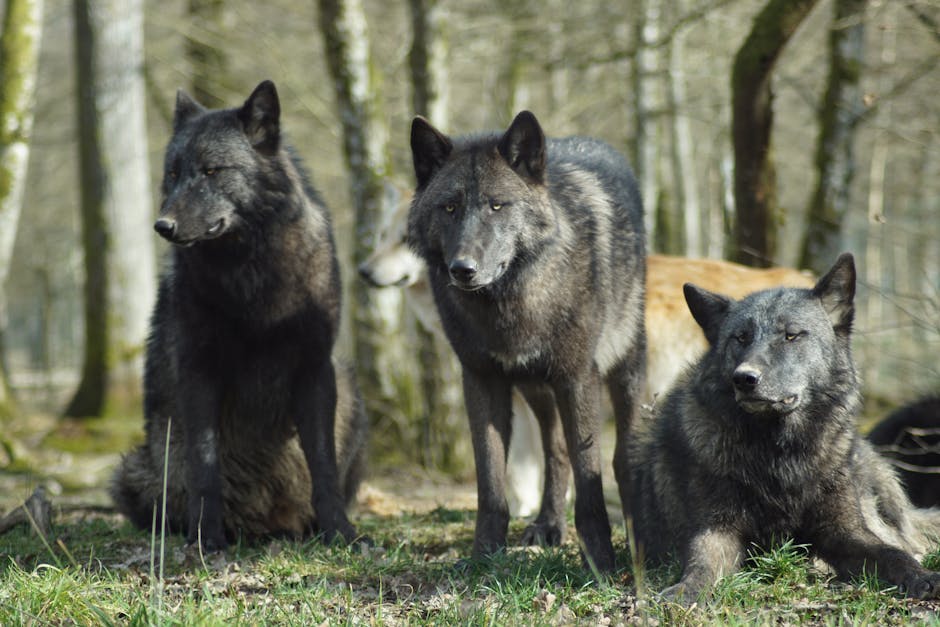
15 Facts About Wolves You Should Know

15 Facts About Wolves You Should Know

⏱️ 7 min read

Wolves have captivated human imagination for millennia, inspiring both fear and admiration across cultures worldwide. These magnificent predators play crucial roles in their ecosystems and exhibit complex behaviors that continue to fascinate scientists and wildlife enthusiasts alike. Understanding these remarkable creatures helps dispel common myths while highlighting the importance of their conservation. The following facts reveal the extraordinary nature of these intelligent and social animals.

Essential Facts About Wolf Biology and Behavior

1. Wolves Are Larger and More Powerful Than Most People Realize

Adult gray wolves typically weigh between 70 and 145 pounds, though some individuals in Alaska and Canada have been recorded at over 175 pounds. They stand approximately 26 to 32 inches tall at the shoulder and can measure up to 6.5 feet in length from nose to tail. Their powerful jaws exert a crushing force of approximately 1,500 pounds per square inch—nearly twice that of a German Shepherd. This impressive size and strength enable them to take down prey much larger than themselves, including elk, moose, and bison.

2. Complex Pack Hierarchies Govern Wolf Society

Wolf packs typically consist of 6 to 10 members, though some packs can grow larger. Contrary to outdated theories about "alpha" dominance through aggression, wolf packs are actually family units led by a breeding pair—the parents—with their offspring from various years. The social structure is more cooperative than competitive, with pack members working together to hunt, raise pups, and defend territory. Younger wolves eventually leave to find mates and establish their own packs, a process called dispersal.

3. Wolves Communicate Through a Sophisticated System

Wolves employ an intricate communication system combining vocalizations, body language, and scent marking. Their famous howls serve multiple purposes: coordinating pack movements, locating separated members, warning rival packs, and strengthening social bonds. They produce other vocalizations including barks, growls, and whines. Body posture, tail position, and facial expressions convey dominance, submission, playfulness, or aggression. Scent marking through urine and feces establishes territory boundaries and provides information about reproductive status.

4. Incredible Stamina Makes Wolves Elite Distance Hunters

While wolves can sprint at speeds up to 40 miles per hour for short bursts, their true advantage lies in endurance. They can maintain a steady pace of 5 miles per hour for hours and can travel up to 30 miles in a single day when hunting or patrolling territory. This remarkable stamina allows them to pursue prey over long distances, wearing down animals that might initially outrun them. Their large paws act like snowshoes, distributing weight efficiently and enabling them to traverse deep snow where hoofed prey may struggle.

5. Wolves Play a Keystone Role in Ecosystem Health

As apex predators, wolves maintain ecological balance in ways that cascade through entire ecosystems. The reintroduction of wolves to Yellowstone National Park in 1995 demonstrated their profound impact. By controlling elk populations and altering their behavior, wolves allowed vegetation to recover along riverbanks, which reduced erosion, changed river courses, and created habitat for numerous other species including birds, beavers, and fish. This phenomenon, called a "trophic cascade," illustrates how wolves indirectly benefit biodiversity.

6. Exceptional Senses Guide Hunting Success

Wolves possess extraordinarily sharp senses that make them formidable hunters. Their hearing is so acute they can detect sounds up to six miles away in forested areas and ten miles across open tundra. Their sense of smell is approximately 100 times more sensitive than humans', allowing them to detect prey from distances of nearly two miles and track scent trails that are days old. While their vision is less remarkable, they excel at detecting movement and can see well in low-light conditions.

7. Only the Breeding Pair Typically Produces Offspring

In established wolf packs, only the dominant breeding pair—usually the oldest and most experienced wolves—reproduces. The female gives birth once yearly in spring to litters averaging 4 to 6 pups, though litters can range from 1 to 11. This reproductive restraint prevents overpopulation within the pack and ensures sufficient resources for raising young. All pack members participate in caring for pups, including feeding, protecting, and teaching them essential survival skills.

8. Wolves Have Remarkable Territory Sizes

Wolf territories vary dramatically based on prey density and habitat type, ranging from 50 square miles in areas with abundant prey to over 1,000 square miles in Arctic regions where prey is scarce. Packs fiercely defend these territories against neighboring wolves, and territorial conflicts are the leading natural cause of wolf mortality. Wolves mark boundaries regularly and avoid areas heavily scented by rival packs to minimize dangerous encounters.

9. Diverse Coat Colors Serve Different Functions

Wolf coat coloration ranges from pure white in Arctic populations to black, gray, brown, and various combinations. These color variations provide camouflage suited to different environments—white wolves blend into snowy landscapes while darker wolves disappear into forests. Interestingly, the black coat color in North American wolves came from ancient interbreeding with domestic dogs thousands of years ago, and this mutation may provide advantages against certain diseases.

10. Wolves Are Strategic and Intelligent Hunters

Wolves hunt cooperatively using sophisticated strategies that require planning and role division. They test potential prey to identify weak, young, old, or injured individuals, conserving energy by avoiding healthy adults that could injure pack members. Different wolves may take positions to drive prey toward ambush points or cut off escape routes. They succeed in only 10-20% of hunts, making each kill precious and demonstrating why they've evolved to waste nothing from their prey.

11. Ancient Domestication Connects Wolves and Dogs

All domestic dog breeds descended from wolves through domestication beginning 15,000 to 40,000 years ago. Despite thousands of years of selective breeding creating dramatic physical and behavioral differences, dogs and wolves remain the same species (Canis lupus) and can still interbreed. This shared ancestry explains why some dog behaviors—pack mentality, howling, territorial marking—reflect their wolf heritage, though domestication has significantly altered dog cognition and social behavior.

12. Wolves Face Severe Conservation Challenges

Once ranging across most of the Northern Hemisphere, wolves now occupy only a fraction of their historical range due to human persecution, habitat loss, and prey depletion. Systematic extermination campaigns in the 19th and 20th centuries nearly drove wolves to extinction in the continental United States. While some populations have recovered through protection and reintroduction efforts, many subspecies remain endangered. Ongoing conflicts with livestock interests and habitat fragmentation continue threatening wolf populations worldwide.

13. Wolves Rarely Attack Humans

Despite their fearsome reputation in folklore, healthy wild wolves rarely attack humans. Documented wolf attacks in North America are extremely rare, with most involving habituated or rabid animals. Wolves naturally fear humans and typically avoid contact. This behavior contrasts sharply with cultural depictions of wolves as dangerous predators, demonstrating how mythology has distorted understanding of these generally shy animals. Education about actual wolf behavior helps reduce unfounded fear.

14. Multiple Wolf Species Inhabit Different Regions

While the gray wolf is most well-known, other wolf species exist with distinct characteristics. The red wolf, native to the southeastern United States, is critically endangered with only about 20 individuals remaining in the wild. The Ethiopian wolf, Africa's rarest canid, inhabits mountain highlands. The Eastern wolf, found in eastern Canada, may represent a separate species or gray wolf subspecies. Each species evolved unique adaptations to their specific environments and prey bases.

15. Wolves Demonstrate Emotional Complexity

Scientific research increasingly reveals that wolves experience complex emotions including joy, grief, and compassion. Wolves form deep bonds with pack members and have been observed mourning deceased companions. They engage in playful behavior throughout their lives, not just as pups. Pack members show empathy by caring for injured or sick wolves, sometimes bringing them food. These emotional capabilities highlight the sophisticated inner lives of these social animals and strengthen arguments for their ethical treatment and conservation.

Understanding and Protecting Wolves

These fifteen facts demonstrate that wolves are far more complex, intelligent, and ecologically important than popular culture often suggests. From their intricate social structures and communication systems to their crucial role in maintaining healthy ecosystems, wolves deserve recognition as remarkable apex predators. Their powerful physiology, strategic hunting techniques, and emotional depth reveal animals worthy of respect and protection. As human populations expand and habitat pressures increase, understanding wolf biology and behavior becomes essential for developing effective conservation strategies. Protecting wolves means preserving not just a single species, but maintaining the ecological integrity of the wild landscapes they inhabit. By replacing fear and misconception with knowledge and appreciation, society can work toward coexistence that benefits both wolves and human communities.