










1 / 10 Questions
0 Points

What metal makes up 97.5% of a modern U.S. penny?

Tin

Copper

Nickel

Zinc

Points won
0
Correct score
0%

More Quizzes

More Articles

How CRISPR Is Changing the Future of Medicine

How CRISPR Is Changing the Future of Medicine

⏱️ 5 min read

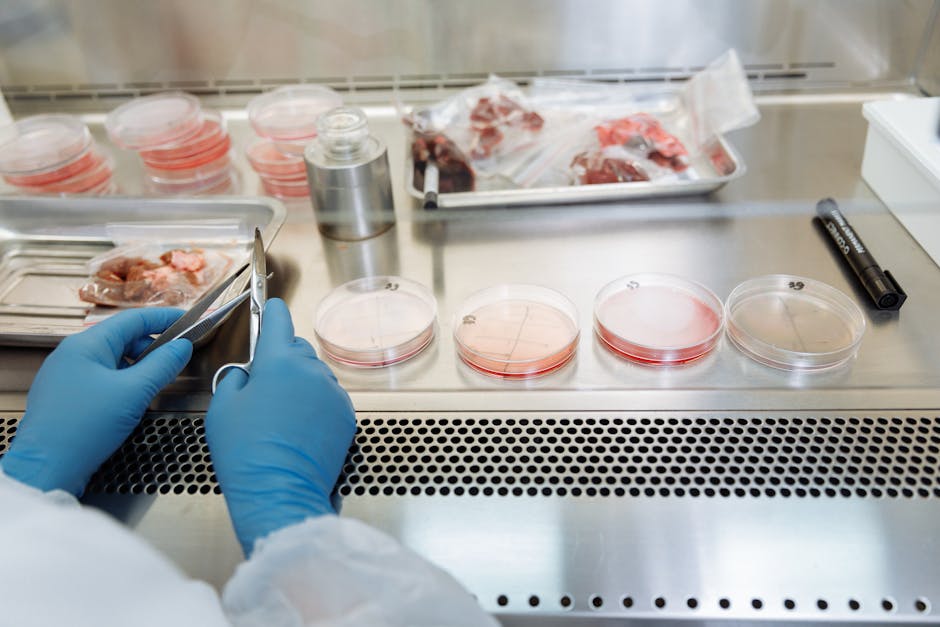
Gene editing technology has entered a revolutionary new era with the development of CRISPR-Cas9, a precise molecular tool that allows scientists to modify DNA sequences with unprecedented accuracy. This groundbreaking technology is transforming medical research and treatment approaches, offering hope for conditions once considered incurable and opening possibilities that seemed like science fiction just a decade ago.

Understanding the CRISPR-Cas9 System

CRISPR, which stands for Clustered Regularly Interspaced Short Palindromic Repeats, is a naturally occurring defense mechanism found in bacteria. Scientists have adapted this system into a powerful gene-editing tool that functions like molecular scissors, capable of cutting DNA at specific locations within the genome. The Cas9 protein acts as the cutting enzyme, while a guide RNA directs it to the precise genetic sequence requiring modification.

What distinguishes CRISPR from previous gene-editing technologies is its remarkable precision, efficiency, and relative simplicity. Earlier methods were expensive, time-consuming, and often imprecise. CRISPR has democratized gene editing, making it accessible to laboratories worldwide and accelerating research at an exponential rate.

Treating Genetic Disorders at Their Source

The most profound impact of CRISPR technology lies in its potential to treat genetic diseases by correcting the underlying mutations responsible for these conditions. Sickle cell disease and beta-thalassemia have become the first targets for approved CRISPR therapies, marking a historic milestone in medicine.

In 2023, regulators in the United Kingdom and United States approved the first CRISPR-based treatment for sickle cell disease, a painful genetic blood disorder affecting millions worldwide. The therapy works by editing patients' own blood stem cells to produce functional hemoglobin, effectively addressing the root cause rather than merely managing symptoms. Clinical trials have shown remarkable results, with patients experiencing complete resolution of debilitating pain crises that previously dominated their lives.

Expanding Treatment Horizons

Beyond blood disorders, researchers are developing CRISPR therapies for numerous genetic conditions:

  • Duchenne muscular dystrophy, a devastating muscle-wasting disease
  • Cystic fibrosis, which affects lung and digestive function
  • Huntington's disease, a neurodegenerative disorder
  • Certain forms of inherited blindness
  • Familial hypercholesterolemia, leading to extremely high cholesterol levels

Each application represents years of painstaking research, but the accelerated pace of development suggests that multiple CRISPR therapies will reach patients within the coming decade.

Cancer Treatment Revolution

CRISPR is transforming cancer therapy by enhancing the effectiveness of immunotherapy approaches. Scientists are using gene editing to modify immune cells, particularly T-cells, making them more effective at recognizing and destroying cancer cells. This approach, known as CAR-T cell therapy, has already shown success in treating certain blood cancers.

Researchers are now developing more sophisticated applications, including editing multiple genes simultaneously to create super-charged immune cells capable of overcoming the defense mechanisms that tumors use to evade detection. Clinical trials are underway for various cancer types, including lung cancer, melanoma, and multiple myeloma.

Additionally, CRISPR enables scientists to identify new drug targets by systematically disabling genes in cancer cells to discover which ones are essential for tumor growth and survival. This functional genomics approach is accelerating the discovery of novel cancer treatments.

Infectious Disease Applications

The COVID-19 pandemic highlighted the need for rapid diagnostic and therapeutic tools, and CRISPR technology has proven valuable in both areas. Researchers developed CRISPR-based diagnostic tests that can detect viral genetic material with high sensitivity and specificity, offering alternatives to traditional PCR testing.

Beyond diagnostics, scientists are exploring CRISPR as a therapeutic tool against viral infections. One promising approach involves editing human cells to remove receptors that viruses use to gain entry, potentially creating resistance to HIV, hepatitis B, and herpes simplex virus. Early-stage research has demonstrated that CRISPR can excise integrated HIV DNA from infected cells, raising the possibility of a functional cure for this chronic infection.

Challenges and Ethical Considerations

Despite its tremendous potential, CRISPR technology faces significant challenges that must be addressed before it becomes widely available. Off-target effects, where the editing machinery cuts DNA at unintended locations, remain a concern. While newer CRISPR variants have improved precision, ensuring complete accuracy is crucial for patient safety.

Delivery mechanisms present another obstacle. Getting CRISPR components into the right cells within the human body is technically complex. Current approaches often require removing cells from patients, editing them in the laboratory, and reinfusing them—a costly and logistically challenging process. Developing methods for direct in-vivo editing would dramatically expand CRISPR's therapeutic reach.

Ethical Boundaries

The ability to edit human genes raises profound ethical questions, particularly regarding germline editing—changes that would be passed to future generations. The international scientific community has called for a moratorium on heritable human genome editing until appropriate ethical frameworks and safety standards are established.

Questions surrounding access and equity also loom large. Current CRISPR therapies cost hundreds of thousands of dollars, placing them beyond reach for most patients. Ensuring that these life-changing treatments become accessible to diverse populations worldwide remains an urgent priority.

The Road Ahead

CRISPR technology continues to evolve rapidly, with new variants offering enhanced precision, reduced off-target effects, and expanded capabilities. Base editing and prime editing represent next-generation approaches that enable even more refined genetic modifications without creating double-strand DNA breaks.

As research advances and manufacturing processes improve, the cost of CRISPR therapies is expected to decrease, potentially making them more accessible. Regulatory agencies are developing frameworks specifically for gene-editing therapies, which should streamline approval processes for future treatments.

The convergence of CRISPR with other cutting-edge technologies, including artificial intelligence for predicting optimal editing strategies and advanced delivery systems like lipid nanoparticles, promises to unlock even greater therapeutic potential. Medicine stands at the threshold of a new era where genetic diseases may become curable, cancers more treatable, and human healthspan significantly extended through precise molecular interventions.

Top 10 Celebrity Pranks That Went Completely Too Far

Top 10 Celebrity Pranks That Went Completely Too Far

⏱️ 8 min read

When Hollywood's biggest stars decide to play practical jokes, the results can quickly spiral from harmless fun into public controversies, damaged friendships, and even legal consequences. The line between a clever prank and a career-threatening stunt has been crossed more times than most fans realize, with some incidents resulting in millions of dollars in damages, injured cast members, and permanent rifts between A-listers.

Quick Facts

  • George Clooney's multi-year prank campaign against Brad Pitt included forged letters and fake paparazzi setups that cost thousands in security
  • Ashton Kutcher's "Punk'd" faced multiple lawsuits, including one incident where a celebrity nearly suffered a heart attack
  • Johnny Depp's on-set pranks during Pirates of the Caribbean cost production an estimated $350,000 in delays
  • Tom Cruise's motorcycle prank on Mission: Impossible resulted in a stunt coordinator's broken collarbone
  • Ellen DeGeneres faced public backlash after a prank left Sofia Vergara visibly shaken on live television

1. Ashton Kutcher's "Punk'd" Sends Justin Timberlake Into a Panic Attack

During the height of "Punk'd" in 2003, Ashton Kutcher orchestrated an elaborate prank convincing Justin Timberlake that the IRS was seizing all his property for unpaid taxes. Hidden cameras captured Timberlake breaking down in tears as fake agents confiscated his cars, jewelry, and furniture from his home. The singer later revealed he experienced genuine anxiety attacks for weeks afterward, fearing financial ruin. MTV reportedly paid Timberlake an undisclosed settlement after his management team complained about the psychological distress caused by the stunt.

2. George Clooney's Litter Box Revenge on Richard Kind

George Clooney admitted in a 2013 interview with Esquire that he spent months making his friend Richard Kind believe his cat was defecating in his litter box daily, when Clooney himself was secretly doing it. After weeks of Kind taking the cat to expensive veterinarians and spending over $2,000 on medical tests, Clooney finally revealed the truth. Kind stopped speaking to Clooney for nearly a year, calling the prank "cruel and borderline sociopathic" in later interviews. The incident became infamous as an example of celebrity pranks crossing ethical boundaries.

3. Johnny Depp's Explosive Surprise Nearly Injures Crew Members

While filming Pirates of the Caribbean: Dead Man's Chest in 2005, Johnny Depp rigged explosives in a costume trailer to surprise crew members as a practical joke. When the pyrotechnics detonated, they were far louder than intended, causing temporary hearing damage to two production assistants who were standing nearby. Disney executives reportedly threatened to remove Depp from future franchise installments unless he ceased all on-set pranks. Court documents from an unrelated lawsuit later revealed the studio paid approximately $90,000 in worker's compensation claims related to the incident.

4. Brad Pitt's Fake Marijuana Farm Causes Police Response

In 2009, Brad Pitt planted realistic-looking fake marijuana plants throughout George Clooney's Italian villa as a prank. When Clooney's housekeeper spotted them, she immediately contacted local authorities, triggering a full police investigation involving drug-detection dogs and forensic botanists. Italian police spent eight hours searching the property before determining the plants were artificial. Clooney faced temporary scrutiny from Italian tabloids, and local law enforcement issued a formal complaint about wasting police resources, though no charges were filed against either actor.

5. Ellen DeGeneres Terrifies Sofia Vergara With Home Invasion Scare

During a 2015 episode of "The Ellen DeGeneres Show," Ellen arranged for a masked intruder to break into Sofia Vergara's dressing room while the actress was changing. Security footage showed Vergara screaming and attempting to barricade herself in the bathroom while believing she was experiencing a genuine assault. The incident aired despite Vergara's visible distress, sparking immediate backlash from domestic violence advocates who argued the prank trivialized real home invasion trauma. DeGeneres issued a public apology three days later, and the segment was removed from streaming platforms.

6. Ryan Reynolds' Billboard Campaign Humiliates Hugh Jackman

Ryan Reynolds spent approximately $150,000 of his own money in 2018 to erect billboards throughout Los Angeles featuring unflattering photos of Hugh Jackman with captions mocking his Australian accent and acting career. While initially framed as part of their ongoing friendly rivalry, Jackman's representatives complained to Reynolds' team when the billboards appeared near Jackman's children's school. Parents and teachers reported students bullying Jackman's kids with phrases from the billboards. Reynolds publicly apologized and donated matching funds to an anti-bullying charity, acknowledging the prank had "lost sight of collateral damage."

7. Tom Cruise's Motorcycle Stunt Results in Serious Injury

While filming Mission: Impossible III in 2006, Tom Cruise convinced a new stunt coordinator that jumping a motorcycle over a car driven by another crew member was "standard procedure" for the franchise. The coordinator, eager to impress Cruise, attempted the stunt without proper safety rigging and crashed, suffering a broken collarbone and three fractured ribs. Paramount Pictures faced a lawsuit from the stunt coordinator, which was settled out of court for an undisclosed amount. Insurance investigators later confirmed Cruise had fabricated the "standard procedure" claim as a practical joke.

8. Sacha Baron Cohen's Dinner Party Defecation Stunt

During a 2016 Hollywood dinner party, Sacha Baron Cohen, while in character as an unnamed performance art piece, pretended to defecate on the dining room floor in front of approximately thirty celebrity guests. Multiple attendees, including several A-list actresses, left immediately in disgust before Cohen revealed it was staged with fake feces. Variety reported that at least six actors who were present have since refused to work with Cohen on future projects. The incident damaged several professional relationships and led to Cohen being excluded from certain industry events.

9. Dwayne Johnson's Snake Prank Triggers Kevin Hart's Phobia

While promoting Jumanji: Welcome to the Jungle in 2017, Dwayne "The Rock" Johnson placed a realistic-looking animatronic snake in Kevin Hart's trailer despite knowing about Hart's severe ophidiophobia (snake phobia). Hart's panicked reaction resulted in him injuring his ankle while trying to escape, requiring medical attention and causing a two-day production delay. Insurance reports valued the delay at approximately $200,000. Hart later told Rolling Stone the incident was "not funny" and strained their friendship temporarily, though they publicly reconciled months later.

10. Miley Cyrus' Fake Death Announcement Creates Media Chaos

In 2012, during her transition away from her Disney image, Miley Cyrus briefly posted a fake death announcement on her social media accounts as what she later described as "performance art commentary on celebrity culture." The hoax spread rapidly across news outlets before being debunked within two hours. Her publicist reported receiving over 3,000 panicked calls from fans, media outlets, and concerned family members. Twitter temporarily suspended her account for violating their platform manipulation policies. The incident prompted renewed discussions about the responsibility celebrities have regarding their social media influence, particularly concerning their younger fan bases.

Frequently Asked Questions

What was the most expensive celebrity prank ever recorded?

The most expensive documented celebrity prank was Johnny Depp's on-set pranks during Pirates of the Caribbean, which collectively cost Disney an estimated $350,000 in production delays, worker's compensation claims, and equipment damage. This figure was revealed in court documents from unrelated litigation involving the franchise.

Have any celebrities faced legal consequences for pranks gone wrong?

Yes, several celebrities have faced lawsuits and settlements from pranks, including Ashton Kutcher's production company settling multiple claims from "Punk'd" participants. Tom Cruise also faced a lawsuit from an injured stunt coordinator that resulted in an out-of-court settlement, though specific legal penalties beyond financial compensation are rarely disclosed publicly.

Why do celebrities continue pranking each other despite potential consequences?

Entertainment psychologists suggest celebrity pranks serve as stress relief from intense public scrutiny and help maintain a sense of normalcy in abnormal lifestyles. Additionally, many stars grew up in comedy backgrounds where pranking was considered standard behavior, creating a culture where elaborate jokes are viewed as bonding experiences rather than potential liabilities.

How do celebrity pranks differ from regular pranks?

Celebrity pranks typically involve significantly larger budgets, professional production teams, and wider potential consequences due to media coverage and public platforms. When a celebrity prank goes wrong, it can affect career prospects, brand partnerships, and public image in ways that ordinary pranks cannot, making the stakes considerably higher for all involved parties.

Key Takeaways

  • Celebrity pranks that cross ethical boundaries often result in real financial costs, ranging from tens of thousands to hundreds of thousands of dollars in damages, legal settlements, and lost productivity
  • Several high-profile pranks have caused genuine psychological distress, physical injuries, and permanent damage to professional relationships between Hollywood stars
  • The entertainment industry has implemented stricter guidelines around on-set pranks following multiple incidents, with some studios now explicitly prohibiting practical jokes in production contracts
  • Public backlash against excessive celebrity pranks has increased with social media, leading several stars to publicly apologize and reconsider their approach to humor at others' expense