


















1 / 20 Questions
0 Points

What percentage of Earth's species live in rainforests?

0.3

0.5

0.6

0.4

Points won
0
Correct score
0%

More Quizzes

More Articles

Top 10 Most Shocking TV Finales

Top 10 Most Shocking TV Finales

⏱️ 6 min read

Television series finales have the challenging task of satisfying audiences who have invested years in beloved characters and storylines. While some endings provide perfect closure, others have shocked viewers with unexpected twists, controversial decisions, or bold narrative choices that sparked debates lasting years beyond the final credits. These memorable conclusions challenged conventions, defied expectations, and left indelible marks on television history.

The Most Controversial and Surprising Series Conclusions

1. The Sopranos: Cutting to Black at Journey's End

When HBO's groundbreaking mob drama concluded in 2007, creator David Chase delivered one of the most debated endings in television history. As Tony Soprano sat in a diner with his family while Journey's "Don't Stop Believin'" played, the screen abruptly cut to black for ten seconds before the credits rolled. The ambiguous conclusion left millions of viewers wondering if their cable had malfunctioned. The ending sparked endless theories about whether Tony was killed, arrested, or simply continuing his life. Chase's refusal to provide definitive answers transformed the finale into a cultural phenomenon, with fans still analyzing every detail years later.

2. Lost: Revealing the Afterlife

After six seasons of mysteries, mythology, and time travel, Lost concluded in 2010 with a finale that revealed the show's "flash-sideways" timeline was actually a form of purgatory where characters reconnected after death. The spiritual conclusion divided the fanbase sharply between those who appreciated the emotional character resolution and those who felt cheated by the lack of concrete answers to the island's many mysteries. The finale's focus on character relationships over plot explanations represented a bold choice that prioritized emotional truth over satisfying every fan theory.

3. St. Elsewhere: The Snow Globe Revelation

The 1988 finale of this medical drama shocked audiences with a revelation that redefined everything that came before. The final scene revealed that the entire six-season series existed only in the imagination of Tommy Westphall, an autistic boy staring into a snow globe containing a miniature model of the hospital. This meta-fictional twist suggested none of the show's events were real, creating what became known as the "Tommy Westphall Universe Hypothesis" and influencing countless shows that followed with its audacious narrative gambit.

4. Game of Thrones: The Mad Queen's Fall and an Unexpected King

After eight seasons building toward the ultimate battle for the Iron Throne, HBO's fantasy epic concluded in 2019 with shocking character turns that ignited passionate debate. Daenerys Targaryen's sudden transformation into a mass murderer, her death at Jon Snow's hands, and Bran Stark's selection as king felt rushed and unearned to many viewers. The finale became one of the most controversial in television history, with over a million fans signing petitions demanding a remake and the ending significantly impacting the show's cultural legacy.

5. Newhart: Waking Up in a Different Show

The 1990 finale of Newhart pulled off one of television's greatest surprises by revealing the entire eight-season run was a dream. Bob Newhart's character woke up in bed with Suzanne Pleshette, his wife from his previous 1970s sitcom The Bob Newhart Show, suggesting everything viewers watched was his earlier character's nightmare. This brilliant meta-comedy moment, kept secret even from most of the cast, remains one of the most creative and beloved series endings ever produced.

6. Dexter: The Lumberjack Transformation

The 2013 finale of Showtime's serial killer drama stunned audiences with its bizarre conclusion. After faking his death, Dexter Morgan abandoned his son and relocated to Oregon to work as a lumberjack, living in complete isolation. The ending felt disconnected from eight seasons of character development and left fans bewildered rather than satisfied. The widespread disappointment led to the 2021 limited series Dexter: New Blood, which attempted to provide a more conclusive ending to the character's story.

7. Seinfeld: Sentencing the Gang to Prison

The 1998 finale of television's most successful sitcom about nothing concluded by putting Jerry, George, Elaine, and Kramer on trial for violating a Good Samaritan law. The court case brought back numerous characters from the show's nine seasons to testify about the group's selfish behavior. The decision to send the beloved characters to prison for a year shocked viewers expecting a traditional happy ending, and the controversial conclusion disappointed many fans who found it too dark and preachy for the show's typically amoral tone.

8. Dinosaurs: Environmental Catastrophe and Extinction

This 1994 ABC sitcom featuring a family of anthropomorphic dinosaurs ended with genuine apocalyptic horror. The final episode depicted the beginning of the ice age that would cause the dinosaurs' extinction, triggered by corporate environmental destruction. The show concluded with the Sinclair family huddling together as snow began to fall and temperatures dropped, knowing they faced inevitable death. The bleak, haunting conclusion to what was ostensibly a family comedy shocked viewers and remains one of the darkest endings in sitcom history.

9. How I Met Your Mother: The Mother's Death

After nine seasons building toward Ted meeting his children's mother, the 2014 finale revealed that Tracy had been dead for six years, and Ted's real purpose in telling the story was seeking his kids' permission to pursue Robin again. The decision to kill off the title character and reunite Ted with Robin, despite seasons of development showing their incompatibility, enraged fans who felt betrayed by the bait-and-switch. The controversial ending overshadowed much of the show's legacy and demonstrated the risks of filming an ending years before the show's actual conclusion.

10. The Shield: Vic Mackey's Living Hell

The 2008 finale of this gritty police drama provided a shocking conclusion by giving corrupt cop Vic Mackey exactly what he thought he wanted, only to reveal it as a personal hell. After confessing to years of crimes in exchange for immunity and a desk job, Vic found himself trapped in a soul-crushing bureaucratic position, separated from his family, friendless, and forced to live with the consequences of his actions while avoiding prosecution. The psychologically devastating conclusion subverted expectations by making survival feel worse than punishment.

Lasting Impact on Television Storytelling

These ten shocking finales demonstrate the power of series endings to generate discussion, controversy, and lasting cultural impact. Whether through ambiguity, unexpected character choices, meta-fictional twists, or devastating conclusions, these shows took creative risks that defined their legacies. While not all succeeded in satisfying their audiences, each pushed boundaries and challenged conventional expectations of how television stories should end. They remind us that the journey matters as much as the destination, and sometimes the most memorable endings are those that refuse to provide easy answers or comfortable resolutions.
Top 10 Horror Films That Redefined the Genre

Top 10 Horror Films That Redefined the Genre

⏱️ 7 min read

Horror cinema has undergone dramatic transformations throughout its history, with certain films fundamentally altering how audiences experience fear on screen. These groundbreaking works introduced innovative techniques, challenged conventions, and opened new avenues for storytelling that continue to influence filmmakers today. From pioneering special effects to psychological terror, these ten films forever changed the landscape of horror cinema and established new paradigms for the genre.

The Evolution of Cinematic Fear

Before examining the specific films that revolutionized horror, it's essential to understand that each of these works emerged during pivotal moments in cinema history. They not only reflected the anxieties of their respective eras but also pushed technical and narrative boundaries in ways that made them impossible to ignore. These films didn't simply scare audiences—they fundamentally changed what horror could be and what it could achieve as an art form.

1. Psycho (1960) - The Birth of Psychological Horror

Alfred Hitchcock's masterpiece shattered audience expectations and established new rules for horror cinema. By killing off the apparent protagonist halfway through the film, Hitchcock demonstrated that no character was safe, creating unprecedented narrative tension. The infamous shower scene revolutionized film editing and proved that suggestion could be more terrifying than explicit violence. The film's psychological complexity, focusing on Norman Bates' fractured psyche, shifted horror away from external monsters toward the darkness within the human mind. This approach influenced countless psychological thrillers and established the template for the modern horror villain—the seemingly ordinary person harboring unspeakable darkness.

2. Night of the Living Dead (1968) - Zombies and Social Commentary

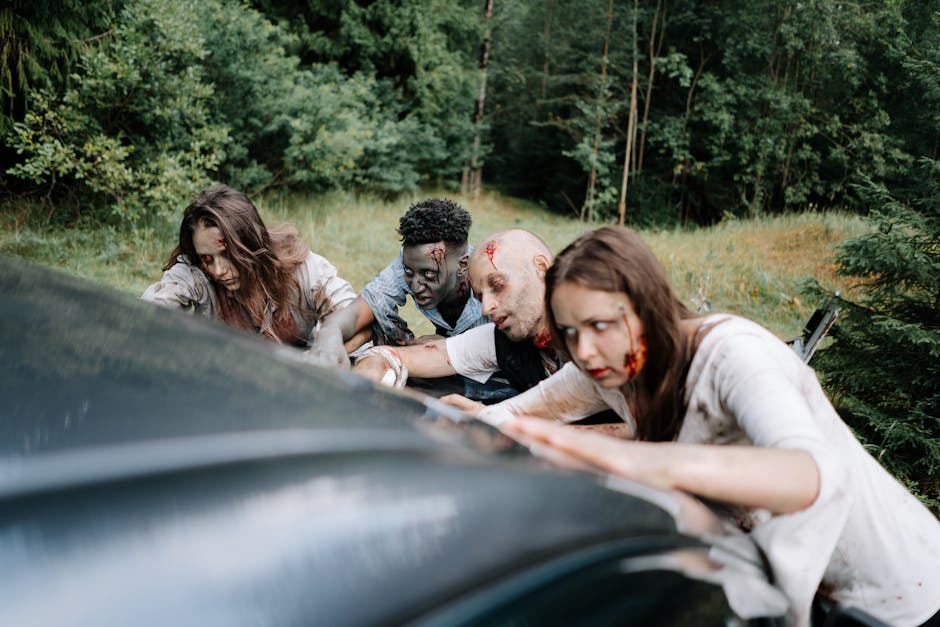
George A. Romero's low-budget masterpiece created the modern zombie mythos while delivering sharp social commentary. The film established the rules for zombie behavior that would become genre standards: the undead's relentless hunger for human flesh, their slow but unstoppable advance, and the complete collapse of social order. Beyond its monster innovation, the film broke barriers by casting an African American lead during the height of the civil rights movement and ending with a shocking, politically charged conclusion. Romero proved that horror could serve as allegory for societal issues, inspiring generations of filmmakers to embed deeper meaning within their scares.

3. The Exorcist (1973) - Religious Horror Goes Mainstream

William Friedkin's adaptation of William Peter Blatty's novel brought demonic possession into mainstream cinema with unprecedented realism and intensity. The film's documentary-like approach, combined with groundbreaking special effects and sound design, created an atmosphere of authenticity that made the supernatural feel terrifyingly real. The Exorcist demonstrated that major studios could produce serious, artistically ambitious horror films that tackled profound questions about faith, good, and evil. Its massive commercial and critical success legitimized horror as a genre worthy of Academy Award recognition and big-budget production values.

4. Halloween (1978) - The Slasher Film Blueprint

John Carpenter's Halloween established the template for slasher films while demonstrating that terror could be achieved through atmosphere and suspense rather than graphic violence. The film introduced Michael Myers, the seemingly unstoppable killer whose blank mask became an icon of pure evil. Carpenter's use of POV shots, his memorable synthesizer score, and his patience in building tension revolutionized how horror films created scares. The film's structure—including the final girl trope, holiday setting, and the punishment of teenage transgression—became the blueprint copied by countless imitators and established the slasher subgenre as a dominant force in horror.

5. The Shining (1980) - Art House Meets Horror

Stanley Kubrick's adaptation of Stephen King's novel elevated horror to high art through meticulous craftsmanship and ambiguous storytelling. The film's Steadicam work, symmetrical compositions, and deliberate pacing created a sense of creeping dread that built throughout its runtime. Kubrick's willingness to leave questions unanswered and his focus on psychological disintegration over conventional scares demonstrated that horror could be intellectually challenging and visually stunning. The Shining proved that auteur directors could bring their distinctive visions to genre material, inspiring future filmmakers to approach horror with artistic ambition.

6. A Nightmare on Elm Street (1984) - Dreams as Deadly Territory

Wes Craven's innovative concept of a killer who attacks through dreams revolutionized horror by eliminating the one place audiences considered safe—sleep itself. Freddy Krueger became a unique villain who could manipulate reality within the dream world, allowing for surreal, imaginative kill sequences that broke the rules of conventional slashers. The film's exploration of parental sins visited upon children and the blurring of dreams and reality added psychological depth to its creative premise. By making sleep dangerous, Craven created a threat that extended beyond the theater, affecting audiences in their own homes.

7. The Blair Witch Project (1999) - Found Footage Revolution

This micro-budget phenomenon revolutionized horror marketing and storytelling through its innovative found footage approach. The filmmakers' viral marketing campaign, which initially suggested the footage was real, demonstrated how the internet could be leveraged to build anticipation and blur the lines between fiction and reality. The film's stripped-down aesthetic, improvisational performances, and what-you-don't-see approach to horror proved that genuine terror didn't require elaborate effects or traditional narrative structure. Its massive success on a tiny budget inspired a wave of found footage films and showed that authenticity and atmosphere could triumph over production values.

8. The Ring (2002) - J-Horror's Western Breakthrough

Gore Verbinski's remake of the Japanese film Ringu introduced Western audiences to J-horror's distinctive approach to terror, emphasizing dread and atmosphere over jump scares and gore. The film's central concept—a cursed videotape that kills viewers seven days after watching—brilliantly exploited technology anxiety in the digital age. Its color palette, sound design, and the creation of Samara as a genuinely unsettling supernatural entity established a new aesthetic for American horror. The film's success opened the door for numerous Asian horror remakes and influenced how Hollywood approached supernatural horror in the 21st century.

9. The Cabin in the Woods (2012) - Meta-Horror Commentary

Drew Goddard and Joss Whedon's genre-deconstructing film simultaneously celebrated and criticized horror conventions while telling an entertaining story. By revealing that the typical cabin-in-the-woods scenario was orchestrated by technicians manipulating the characters, the film provided meta-commentary on horror formulas and audience expectations. The movie's exploration of why we watch horror films and its encyclopedic knowledge of genre tropes demonstrated that horror could be self-aware without losing its ability to frighten. It proved that thoughtful deconstruction could coexist with genuine scares and opened new possibilities for intelligent, self-referential horror.

10. Get Out (2017) - Social Horror for Modern Times

Jordan Peele's directorial debut revolutionized horror by centering the Black experience and addressing systemic racism through genre filmmaking. The film's exploration of liberal racism and cultural appropriation provided fresh thematic territory for horror while maintaining tight suspense and memorable scares. Peele's blend of horror and dark comedy, his attention to detail that rewards repeat viewings, and his willingness to tackle uncomfortable social truths demonstrated that horror could directly engage with contemporary issues. Get Out's critical acclaim and Best Original Screenplay Oscar win further legitimized horror as a vehicle for important social commentary and artistic achievement.

The Lasting Impact

These ten films represent watershed moments in horror cinema, each introducing innovations that rippled through the genre for decades. They proved that horror could be artistic, intelligent, and socially relevant while still delivering the visceral thrills audiences crave. From Hitchcock's psychological insights to Peele's social commentary, these filmmakers demonstrated that the best horror reflects our deepest fears—whether supernatural, psychological, or societal. Their influence continues shaping how modern filmmakers approach terror, ensuring that horror remains one of cinema's most vital and evolving genres.