










1 / 10 Questions
0 Points
Points won
0
Correct score
0%

More Quizzes

More Articles

14 Amazing Facts About Asia’s Geography

14 Amazing Facts About Asia’s Geography

⏱️ 6 min read

Asia stands as the world's largest and most diverse continent, covering approximately 17.2 million square miles and hosting over 4.6 billion people. From the highest peaks on Earth to the lowest points on land, from vast deserts to lush rainforests, Asia's geographical features present some of the most extraordinary natural phenomena on our planet. The continent's unique positioning, geological history, and climatic variations have created landscapes that continue to fascinate geographers, scientists, and travelers alike.

Remarkable Geographic Features of the Asian Continent

1. Mount Everest: The World's Highest Point Above Sea Level

Standing at 29,032 feet (8,849 meters) above sea level, Mount Everest represents the ultimate geographical superlative. Located in the Himalayas on the border between Nepal and Tibet, this massive peak continues to grow approximately 4 millimeters each year due to ongoing tectonic activity. The mountain's extreme elevation creates a unique environment where atmospheric pressure is only one-third of that at sea level, making it one of the most challenging places for human survival on Earth.

2. The Dead Sea: Earth's Lowest Land Elevation

The Dead Sea's surface sits at approximately 1,410 feet (430 meters) below sea level, making it the lowest point on Earth's land surface. This hypersaline lake bordered by Jordan, Israel, and the West Bank contains salt concentrations nearly ten times higher than ocean water. The unique geological depression continues to drop by about 3 feet annually, creating ongoing changes to this remarkable geographical feature.

3. The Himalayas: The World's Youngest Mountain Range

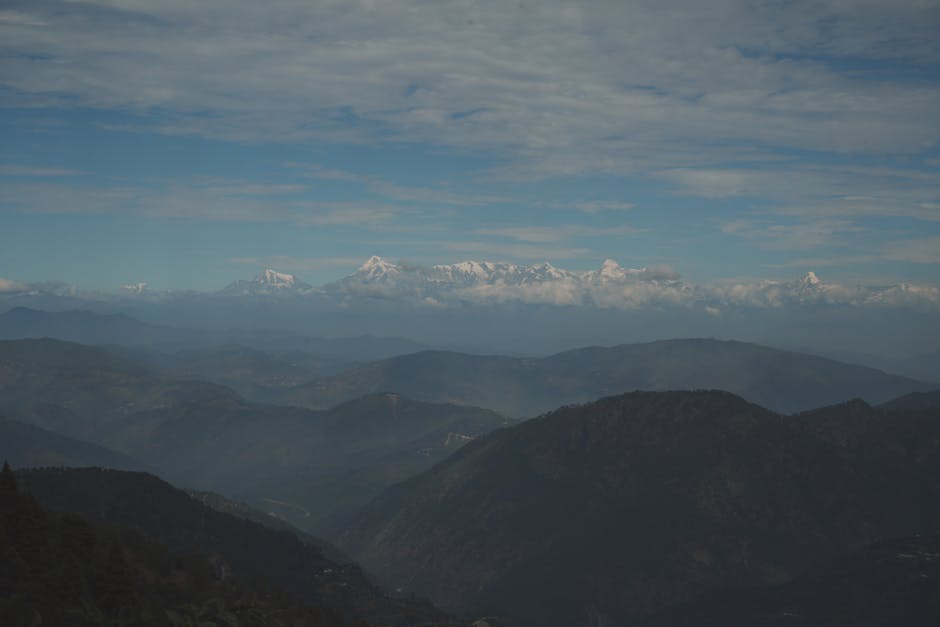
Formed approximately 50 million years ago when the Indian subcontinent collided with the Eurasian plate, the Himalayas represent the world's youngest major mountain range. This massive chain stretches across 1,500 miles and includes over 100 peaks exceeding 23,600 feet. The continuing collision causes the Himalayas to rise several millimeters annually, making them a living example of Earth's dynamic geological processes.

4. Lake Baikal: The World's Deepest and Oldest Freshwater Lake

Located in southern Siberia, Russia, Lake Baikal plunges to depths of 5,387 feet, making it the deepest lake on Earth. At approximately 25-30 million years old, it also holds the distinction of being the world's oldest lake. This ancient body of water contains roughly 20% of the world's unfrozen freshwater reserves and hosts over 1,700 species of plants and animals, two-thirds of which exist nowhere else on the planet.

5. The Arabian Desert: A Massive Sand Sea

Covering approximately 900,000 square miles across the Arabian Peninsula, the Arabian Desert ranks among the world's largest continuous sand deserts. The Rub' al Khali, or Empty Quarter, within this desert represents the largest continuous sand desert in the world, featuring sand dunes that reach heights of 820 feet. This harsh environment experiences some of the highest temperatures on Earth, regularly exceeding 130°F during summer months.

6. The Yangtze River: Asia's Longest Waterway

Flowing 3,915 miles from the Tibetan Plateau to the East China Sea, the Yangtze River stands as Asia's longest river and the world's third-longest overall. This mighty waterway drains one-fifth of China's land area and provides water resources for approximately 400 million people. The river's basin encompasses diverse ecosystems, from high-altitude glaciers to subtropical wetlands.

7. Indonesia's Archipelago: The World's Largest Island Nation

Indonesia comprises approximately 17,000 islands stretching across 3,200 miles, making it the world's largest archipelagic state. This unique geography spans both sides of the equator and includes four of the world's twenty-five most populous islands. The nation's position along the Pacific Ring of Fire results in over 130 active volcanoes, representing one-quarter of the world's total.

8. The Gobi Desert: A Cold Desert of Extremes

Unlike typical desert imagery, the Gobi Desert experiences freezing temperatures and occasional snowfall, making it one of the world's largest cold deserts. Spanning 500,000 square miles across northern China and southern Mongolia, the Gobi expands southward at an alarming rate of 1,390 square miles annually due to desertification. This desert contains important paleontological sites where numerous dinosaur fossils and eggs have been discovered.

9. The Maldives: The World's Lowest-Lying Country

The Maldives holds the distinction of being the world's lowest country, with an average ground level of just 4.9 feet above sea level. This nation of 1,200 coral islands faces existential threats from rising sea levels, with 80% of its land area lying less than 3.3 feet above current sea levels. The geography consists entirely of coral atolls formed atop ancient volcanic mountains.

10. Siberia: A Vast Wilderness of Extremes

Covering approximately 5.1 million square miles, Siberia represents roughly 77% of Russia's total land area yet hosts only 27% of its population. This massive region experiences some of Earth's most extreme temperature variations, with the town of Oymyakon recording temperatures as low as -96°F. Siberia contains the world's largest forest, the taiga, and sits atop vast deposits of permafrost that store immense quantities of frozen carbon.

11. The Ganges Delta: The World's Largest River Delta

Formed by the confluence of the Ganges, Brahmaputra, and Meghna rivers, this delta system spans approximately 41,000 square miles across Bangladesh and India. The delta features the world's largest mangrove forest, the Sundarbans, which serves as critical habitat for the endangered Bengal tiger. This fertile region supports over 140 million people, making it one of the most densely populated areas on Earth.

12. The Caucasus Mountains: A Natural Continental Divide

Stretching approximately 750 miles between the Black Sea and Caspian Sea, the Caucasus Mountains form a natural barrier that traditionally marks the boundary between Europe and Asia. Mount Elbrus, Europe's highest peak at 18,510 feet, rises within this range. The region's complex topography has created numerous microclimates and isolated valleys that preserve unique linguistic and cultural diversity.

13. The Deccan Plateau: A Ancient Volcanic Formation

Covering most of central and southern India, the Deccan Plateau represents one of Earth's oldest landforms, composed primarily of volcanic basalt rock. This elevated region averages 2,000 feet in elevation and was formed by massive volcanic eruptions approximately 66 million years ago. These ancient lava flows created some of the world's thickest sequences of volcanic rock, reaching depths of over 6,500 feet in some areas.

14. The Ural Mountains: Earth's Oldest Mountain Range

Extending approximately 1,550 miles from the Arctic Ocean to Kazakhstan, the Ural Mountains represent one of the world's oldest mountain ranges, formed between 250-300 million years ago. These ancient mountains traditionally mark the continental boundary between Europe and Asia. Despite their age and relatively modest heights, with the highest peak reaching only 6,217 feet, the Urals contain rich mineral deposits including precious metals, gemstones, and fossil fuels.

Understanding Asia's Geographic Significance

These fourteen remarkable geographical features demonstrate Asia's extraordinary diversity and global significance. From holding both the highest and lowest points on Earth's surface to containing the world's oldest mountains and youngest peaks, Asia's geography represents billions of years of geological evolution. The continent's varied landscapes support immense biodiversity, provide resources for billions of people, and continue to shape global climate patterns. Understanding these geographical marvels helps us appreciate the dynamic nature of our planet and the delicate balance between human civilization and natural forces that continues to evolve across this vast continent.

Top 10 Facts About Soundtracks That Made History

Top 10 Facts About Soundtracks That Made History

⏱️ 6 min read

Movie soundtracks have the power to transcend the silver screen, becoming cultural phenomena that shape music history and influence generations. From orchestral masterpieces to pop-infused compilations, certain soundtracks have revolutionized the film industry, transformed careers, and redefined how audiences experience cinema. These musical achievements represent far more than background accompaniment—they are artistic triumphs that continue to resonate decades after their debut.

Groundbreaking Musical Achievements in Cinema

1. The Saturday Night Fever Phenomenon Revitalized an Entire Genre

The 1977 soundtrack for "Saturday Night Fever" didn't just complement the film—it became a global cultural movement. Featuring the Bee Gees' iconic disco tracks, the album sold over 40 million copies worldwide, making it one of the best-selling soundtracks of all time. The soundtrack single-handedly brought disco music into mainstream consciousness and remained at the top of the Billboard charts for an astounding 24 consecutive weeks. The Bee Gees wrote most of the songs specifically for the film in just one weekend, yet these hastily composed tracks became timeless classics that defined an era. The album's success demonstrated that soundtracks could be standalone commercial powerhouses, fundamentally changing how studios approached film music.

2. Purple Rain Blurred the Lines Between Concert Film and Narrative Cinema

Prince's 1984 "Purple Rain" soundtrack represented a unique fusion of autobiography, musical performance, and cinematic storytelling. The album spent 24 consecutive weeks at number one on the Billboard 200 and spawned multiple chart-topping singles including "When Doves Cry" and "Let's Go Crazy." What made this soundtrack historically significant was its dual nature—it functioned both as the film's score and as Prince's sixth studio album. The project earned Prince an Academy Award for Best Original Song Score, making him one of the few artists to achieve such crossover success. The soundtrack sold over 25 million copies worldwide and remains a testament to an artist's complete creative vision.

3. Star Wars Resurrected the Symphonic Film Score

John Williams' 1977 score for "Star Wars" marked a pivotal moment in film music history by reintroducing audiences to the grand symphonic tradition. At a time when synthesizers and contemporary music dominated Hollywood soundtracks, Williams' lush orchestral arrangements harkened back to the golden age of cinema while feeling entirely modern. The soundtrack became the best-selling non-pop film score in history and won both Academy and Grammy Awards. Williams' use of leitmotifs—recurring musical themes for characters and concepts—created an instantly recognizable sonic universe that influenced countless composers. The success proved that orchestral scores could still captivate contemporary audiences and spawned a renaissance in symphonic film composition.

4. The Bodyguard Created an Unlikely Crossover Masterpiece

Whitney Houston's rendition of "I Will Always Love You" for "The Bodyguard" (1992) transformed Dolly Parton's country ballad into one of the best-selling singles of all time. The soundtrack album sold over 45 million copies globally, becoming the best-selling soundtrack in history. Houston's powerful vocals and the strategic mixing of pop, R&B, and soul created a template for future soundtrack compilations. The album spent 20 weeks at number one and produced multiple hit singles, demonstrating that a well-curated soundtrack could dominate popular music charts independent of the film's theatrical success.

5. Psycho Proved That Less Could Be More

Bernard Herrmann's 1960 score for Alfred Hitchcock's "Psycho" revolutionized horror film music through its minimalist approach. By using only string instruments, Herrmann created one of cinema's most recognizable and terrifying musical moments—the shrieking violins during the infamous shower scene. This unconventional choice proved that constraint could breed innovation, and the score's psychological intensity influenced horror and thriller compositions for decades. The strings' stabbing, dissonant sounds became synonymous with suspense, demonstrating that innovative instrumentation could create unforgettable cinematic moments.

6. The Graduate Popularized Contemporary Rock Music in Film

The 1967 soundtrack for "The Graduate" featuring Simon and Garfunkel marked a turning point in how popular music was integrated into film narratives. Rather than commissioning an original score, director Mike Nichols used existing folk-rock songs to underscore the protagonist's alienation and confusion. "The Sound of Silence" and "Mrs. Robinson" became inextricably linked to the film's themes, proving that contemporary popular music could provide sophisticated emotional commentary. This approach opened doors for future filmmakers to collaborate with popular artists and helped establish the soundtrack album as a viable commercial product.

7. Black Panther Merged African Traditions with Contemporary Hip-Hop

The 2018 "Black Panther" soundtrack, curated by Kendrick Lamar, represented a groundbreaking fusion of African musical traditions, hip-hop, and orchestral scoring. By blending traditional African instruments and rhythms with contemporary rap production, the soundtrack created a sonic landscape that honored the film's Afrofuturistic vision. The album debuted at number one on the Billboard 200 and earned multiple Grammy nominations, demonstrating that soundtracks could be culturally significant artistic statements. This approach influenced how blockbuster films could authentically represent diverse cultural perspectives through music.

8. Titanic's "My Heart Will Go On" Became an International Phenomenon

James Horner's score for "Titanic" (1997), particularly Celine Dion's performance of "My Heart Will Go On," became a global sensation that transcended cultural and linguistic barriers. The song topped charts in virtually every country and won the Academy Award for Best Original Song. The soundtrack album sold over 30 million copies worldwide, and its success demonstrated the power of a perfectly matched voice, melody, and cinematic moment. Interestingly, both James Cameron and Celine Dion were initially reluctant about the song, making its ultimate success even more remarkable.

9. Shaft Brought Blaxploitation Music into the Mainstream

Isaac Hayes' 1971 score for "Shaft" broke barriers by bringing African American musical styles to mainstream Hollywood scoring. Hayes became the first African American to win the Academy Award for Best Original Song, and his funky, wah-wah-driven theme became instantly iconic. The soundtrack's fusion of orchestral elements with soul, funk, and R&B created a new sonic template for action films and demonstrated that diverse musical voices could achieve both critical and commercial success in film music.

10. O Brother, Where Art Thou? Sparked a Roots Music Revival

The 2000 soundtrack for "O Brother, Where Art Thou?" introduced millions of listeners to traditional American roots music, including bluegrass, gospel, and country blues. Producer T-Bone Burnett curated authentic period recordings and new performances that won the Grammy for Album of the Year—a rare achievement for a soundtrack. Selling over eight million copies, the album sparked renewed interest in traditional American music forms and proved that audiences craved authentic, historically-grounded musical experiences. The soundtrack's success led to a touring concert that further popularized roots music among contemporary audiences.

The Lasting Impact of Iconic Soundtracks

These ten soundtracks represent pivotal moments when music and film achieved perfect synergy, creating cultural touchstones that extended far beyond the theater. They revolutionized genres, launched careers, revived forgotten musical traditions, and demonstrated that film music could be both artistically significant and commercially successful. Each soundtrack on this list challenged conventions, broke sales records, and proved that the right musical accompaniment could elevate a film from entertainment to art. Their continued influence on contemporary filmmaking and popular music confirms that great soundtracks are timeless achievements that shape how we experience stories and remember cinematic moments. These musical landmarks remind us that when vision, talent, and timing align, soundtracks become historical artifacts that define entire eras of cultural expression.