





1 / 10 Questions
0 Points

What US state actually invented fortune cookies?

New York

California

Hawaii

Washington

Points won
0
Correct score
0%

More Quizzes

More Articles

Top 10 Animals You Won’t Believe Actually Exist

Top 10 Animals You Won’t Believe Actually Exist

⏱️ 7 min read

Nature has created some of the most bizarre and extraordinary creatures that seem too fantastical to be real. From the deepest ocean trenches to remote rainforests, our planet harbors animals that challenge our imagination and redefine what we think is possible in the natural world. These remarkable creatures have evolved unique adaptations that allow them to thrive in their environments, often appearing as if they've stepped out of science fiction rather than actual ecosystems.

Extraordinary Creatures That Defy Belief

1. The Axolotl: The Smiling Salamander That Never Grows Up

The axolotl is a Mexican salamander that retains its larval features throughout its entire life, a phenomenon called neoteny. With its perpetually smiling face, feathery external gills, and ability to regenerate entire limbs, organs, and even parts of its brain, this pink or pale-colored amphibian looks like a creature from an animated fantasy. Native to the lake complex of Xochimilco near Mexico City, axolotls can regenerate the same limb up to five times perfectly. Their remarkable healing abilities have made them invaluable to scientific research, particularly in the study of tissue regeneration and stem cell research.

2. The Saiga Antelope: The Prehistoric Proboscis Bearer

The saiga antelope roams the steppes of Central Asia with one of the most unusual facial features in the animal kingdom: an extremely large, flexible nose that hangs down over its mouth. This distinctive proboscis isn't just for show—it serves as a highly efficient filtration system that warms cold air in winter and filters out dust during the dry summer migrations. Dating back to the Pleistocene epoch, these critically endangered antelopes once shared the earth with woolly mammoths and saber-toothed cats. Their bulbous nose gives them an almost alien appearance that makes them look photoshopped, yet they're very much real and facing serious conservation challenges.

3. The Mantis Shrimp: The Underwater Boxer With Superhuman Vision

Despite its name, the mantis shrimp is neither a mantis nor a shrimp but a stomatopod with abilities that seem superhuman. These colorful marine crustaceans possess the most complex eyes in the animal kingdom, capable of seeing polarized light and detecting ten times more color than humans. Their club-like appendages can strike with the acceleration of a bullet, generating temperatures as hot as the sun's surface at the point of impact. This punch is so powerful it can break aquarium glass and split open crab shells with ease. The cavitation bubbles created by their strikes even produce light in a phenomenon called sonoluminescence.

4. The Naked Mole Rat: The Bizarre Mammal That Defies Aging

The naked mole rat is a hairless, wrinkled rodent that lives in underground colonies in East Africa and possesses some of the most remarkable biological traits of any mammal. These creatures are virtually immune to cancer, can survive without oxygen for up to 18 minutes by metabolizing fructose like a plant, and show almost no signs of aging throughout their 30-year lifespan. They live in eusocial colonies similar to bees or ants, with a single queen producing all offspring. Their lack of pain sensitivity in their skin, combined with their resistance to acid, allows them to thrive in harsh underground environments with high carbon dioxide levels that would be toxic to other mammals.

5. The Okapi: The Forest Giraffe With Zebra Stripes

Hidden in the dense rainforests of the Democratic Republic of Congo, the okapi appears to be an impossible hybrid between a giraffe, zebra, and horse. This elusive mammal is actually the only living relative of the giraffe, sporting a chocolate-brown body, white horizontal stripes on its legs and rear, and a long, purple-blue tongue that can reach up to 18 inches. The okapi remained unknown to Western science until 1901, despite being well-known to local peoples. Their zebra-like stripes provide camouflage in the dappled forest light, while their long tongue allows them to strip leaves from branches and even clean their own eyes and ears.

6. The Aye-Aye: Madagascar's Creepy Primate With a Skeletal Finger

The aye-aye of Madagascar looks like a creature designed by a committee of horror film directors. This nocturnal lemur features bulging yellow eyes, bat-like ears, rodent-like teeth that never stop growing, and most distinctively, an elongated skeletal middle finger used for extracting grubs from tree bark. Using a hunting technique called percussive foraging, the aye-aye taps on trees up to eight times per second, listening for hollow chambers where insects hide, then uses its specialized finger to hook out the prey. Considered an omen of death in Malagasy culture, these endangered primates are often killed on sight, despite being harmless and ecologically important.

7. The Glass Frog: The Amphibian With a Transparent Body

Glass frogs of Central and South American rainforests possess one of nature's most remarkable features: translucent skin on their undersides that reveals their internal organs, beating heart, and even developing eggs. While their backs are typically lime green, providing camouflage against leaves, their transparent bellies allow observers to watch their digestive and circulatory systems in real-time. Scientists believe this transparency may help them avoid predators by making their outline less distinct against leaves. Some species even have partially transparent blood, and researchers have discovered that these frogs can hide nearly 90% of their red blood cells in their liver while sleeping, making them almost invisible to predators.

8. The Pangolin: The Walking Pinecone Mammal

Pangolins are the world's only truly scaly mammals, covered from head to tail in overlapping keratin scales that make them look like living pinecones or artichokes. When threatened, these gentle insectivores curl into an impenetrable ball, with their razor-sharp scales providing armor that even lions cannot penetrate. Their extremely long, sticky tongues—which can be longer than their entire body when extended—allow them to consume up to 70 million insects annually. Despite their medieval armor appearance, pangolins are the world's most trafficked mammals, with all eight species facing extinction due to illegal wildlife trade driven by demand for their scales and meat.

9. The Blue Dragon Sea Slug: The Tiny Ocean Predator That Floats Upside Down

Glaucus atlanticus, commonly known as the blue dragon or blue sea slug, is a species of small sea slug that floats upside down on the ocean's surface tension, using its blue side as camouflage against the water and its silver side as camouflage against the sky. This tiny creature, rarely exceeding one inch in length, preys on venomous organisms like the Portuguese man o'war, storing the stinging cells from its prey in its own tissues for defense. The blue dragon's elaborate, finger-like appendages give it an alien appearance, and its concentrated venom can deliver a sting more powerful than the creatures it feeds upon, making it dangerous to humans who encounter it on beaches.

10. The Star-Nosed Mole: The Fastest-Eating Mammal With a Tentacled Face

The star-nosed mole of North America possesses perhaps the most bizarre nose in the animal kingdom: a ring of 22 pink, fleshy tentacles surrounding its nostrils that constantly writhe and move. This isn't just unusual in appearance—it's the most sensitive touch organ known in any mammal, containing over 100,000 nerve fibers that allow the mole to identify and consume prey in as little as 120 milliseconds, making it the fastest-eating mammal on Earth. The star functions almost like a hand, with each tentacle covered in thousands of sensory receptors called Eimer's organs. These semi-aquatic moles can even smell underwater by exhaling air bubbles onto objects and then re-inhaling them to carry scents back to their nose receptors.

The Wonder of Biological Diversity

These ten remarkable animals demonstrate that reality can be far stranger and more wonderful than fiction. From regenerating salamanders to transparent frogs, from mammals with scales to slugs that steal venom, evolution has created solutions to survival challenges that seem impossible until we see them with our own eyes. Each of these creatures plays a vital role in its ecosystem, reminding us that biodiversity isn't just about protecting what's familiar and charismatic, but also about preserving the bizarre, the unusual, and the seemingly impossible. As many of these species face serious conservation challenges, understanding and appreciating their existence becomes not just a matter of curiosity but of urgent environmental importance.
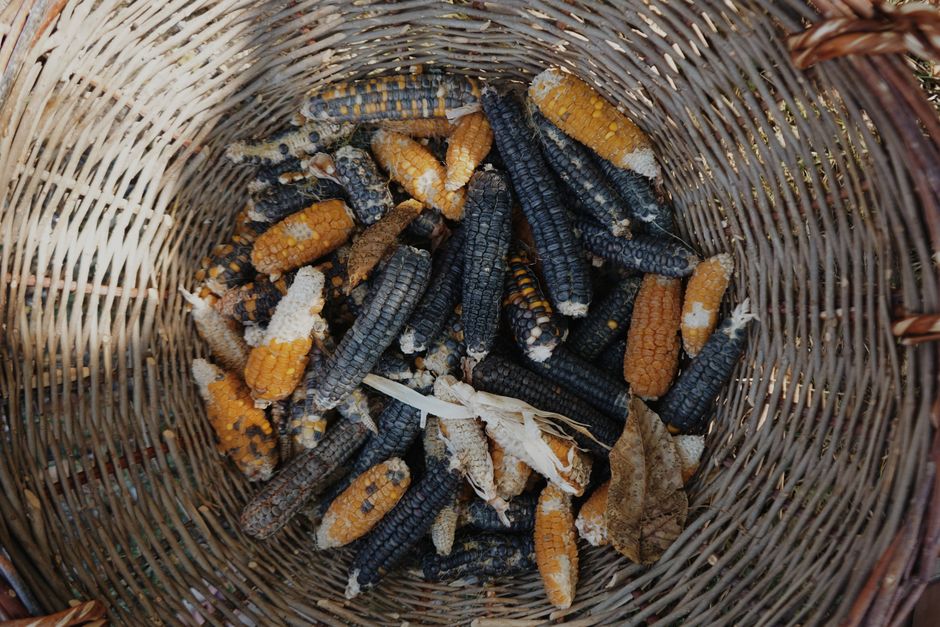
Did You Know the “Blood” in The Shining Was Made of Corn Syrup and Food Coloring?

Did You Know the “Blood” in The Shining Was Made of Corn Syrup and Food Coloring?

⏱️ 10 min read

When Stanley Kubrick's horror masterpiece flooded the Overlook Hotel's corridors with a tidal wave of crimson in 1980, audiences worldwide recoiled at what appeared to be thousands of gallons of human blood. Yet what gushed from those elevator doors was actually a meticulously crafted concoction designed to look terrifying on camera while being completely harmless to the crew and actors who worked with it day after day.

Quick Facts

  • The elevator blood scene in The Shining used approximately 200-300 gallons of fake blood made primarily from corn syrup and food coloring.
  • Stanley Kubrick required 365,000 feet of film and a full year to shoot the 146-minute movie, including numerous takes of the blood scenes.
  • The fake blood recipe differed from traditional Hollywood formulas because Kubrick filmed certain scenes in color and needed the mixture to photograph realistically.
  • Special effects supervisor David Bayliss oversaw the hydraulic rig that propelled the blood from behind the elevator doors at precise intervals.
  • The iconic blood elevator sequence was filmed on a soundstage over three days in May 1978 using a specially constructed set.

The Science Behind Movie Blood Formulas

Hollywood's fake blood recipes have evolved dramatically since the silent film era, when chocolate syrup served as the go-to substitute because early black-and-white cameras captured its viscosity and opacity perfectly. Hershey's syrup became particularly famous after Alfred Hitchcock used it for the shower scene in Psycho (1960). However, The Shining presented unique challenges that demanded a different approach entirely.

The corn syrup-based blood used in The Shining required precise calibration of viscosity, color, and flow characteristics. According to special effects records from the production, the mixture combined light corn syrup with red food coloring as the primary base, supplemented with small amounts of blue and yellow dyes to create a more authentic arterial blood hue. The corn syrup provided the thick, clingy consistency that real blood exhibits, while the food coloring achieved the right chromatic values for the film stock Kubrick's cinematographer John Alcott was using.

The formula's thickness mattered tremendously for the elevator scene's visual impact. Blood with insufficient viscosity would have cascaded like water, failing to create the ominous, billowing effect Kubrick envisioned. The corn syrup base ensured the fake blood maintained sufficient surface tension and body to roll forward in waves rather than splash outward in thin streams. Testing multiple batches allowed the effects team to dial in a mixture that would photograph with the deep, saturated red Kubrick demanded while flowing at precisely the right speed when released under pressure.

Engineering the Elevator Blood Flood

Creating the elevator blood sequence required far more than simply mixing theatrical blood in a bucket. The production team constructed a full-scale elevator facade and surrounding lobby on a soundstage at EMI Elstree Studios in England. Behind the elevator doors, special effects supervisor David Bayliss installed a hydraulic system connected to large holding tanks containing the corn syrup mixture. The tanks sat approximately 8-10 feet behind the set wall, positioning the blood at sufficient height to generate natural gravitational flow once released.

The mechanism functioned through a series of valves controlled by pneumatic triggers. When activated, these valves opened simultaneously, allowing the corn syrup blood to surge through large-diameter pipes and explode outward through the elevator door gaps. The timing required extraordinary precision—open the valves too slowly and the blood would merely dribble out; open them too quickly and the pressure would create an unrealistic explosion effect rather than the creeping dread Kubrick wanted.

Each take consumed roughly 200 to 300 gallons of the corn syrup mixture, necessitating complete cleanup and reset between attempts. The production shot the sequence multiple times over three consecutive days in May 1978, with each successful take requiring several hours of preparation. Workers had to pump fresh batches of fake blood into the hydraulic system, verify pressure readings, test valve timing, and ensure the receiving area could handle the deluge without creating safety hazards for the crew.

Why Kubrick Rejected Traditional Hollywood Blood

Stanley Kubrick's legendary perfectionism extended to every element of The Shining's production, and the fake blood formula received the same obsessive attention he devoted to lighting, framing, and performance. Standard Hollywood blood recipes of the 1970s often used products like Kensington Gore, a commercial formula developed in the UK that combined glycerin, water, and dyes. However, Kubrick rejected these traditional options after extensive camera tests revealed they didn't photograph with the exact shade and texture he envisioned.

The director's specific concerns centered on how different blood formulas appeared under the particular lighting schemes and film stock used throughout The Shining. Kubrick and cinematographer John Alcott extensively tested Kodak film stocks to achieve the movie's distinctive color palette, characterized by cool blues, muted greens, and warm golds. Against this carefully calibrated color scheme, commercial blood products appeared either too bright and artificial or too dark and muddy.

The corn syrup solution provided greater control over the final appearance because the effects team could adjust food coloring ratios in small increments until achieving Kubrick's precise specifications. Production documents indicate the crew mixed at least seven different batches with varying dye concentrations before Kubrick approved the final formula. This level of customization would have been impossible with pre-manufactured theatrical blood products, which came in standardized formulations designed for stage productions rather than the exacting requirements of motion picture cinematography.

Practical Challenges of Corn Syrup Blood

While corn syrup created the perfect visual effect, it introduced significant practical complications during filming. The substance's extreme stickiness made cleanup operations laborious and time-consuming. After each take of the elevator sequence, crew members spent hours mopping, scrubbing, and hosing down the set to remove residue. The sugar content in corn syrup meant that any remaining traces would attract insects and begin fermenting if left untreated, creating both sanitation concerns and potential damage to expensive set materials.

Temperature also affected the corn syrup blood's performance characteristics. The soundstage environment at Elstree Studios fluctuated between approximately 60-75 degrees Fahrenheit depending on lighting requirements and weather conditions. Warmer temperatures reduced the mixture's viscosity, causing it to flow more quickly and appear thinner on camera. Conversely, cooler temperatures increased thickness to the point where the hydraulic system struggled to pump the blood through the piping network. The effects team had to monitor ambient temperature constantly and adjust the formula's corn syrup-to-water ratio accordingly.

Actors working in scenes involving the corn syrup blood faced their own challenges. Scatman Crothers, who played Dick Hallorann, worked with the fake blood mixture during his character's murder scene. The substance's tackiness meant that once it contacted skin or clothing, removal required thorough washing with warm water and soap. Joe Turkel, who portrayed the ghostly bartender Lloyd Grady, appeared in scenes where blood manifested in the bar area, necessitating careful choreography to prevent the sticky mixture from contaminating other set elements or the actors' period costumes.

Legacy and Influence on Modern Special Effects

The elevator blood sequence in The Shining has become one of cinema's most iconic images, frequently referenced, parodied, and studied in film schools worldwide. Its influence extends beyond mere visual memorability—the technical achievement of creating such a massive practical effect established benchmarks that special effects teams still reference decades later. The sequence demonstrated that large-scale liquid effects could be photographed with stunning clarity and impact when planned with sufficient rigor and executed with precision.

Modern horror films continue to use corn syrup-based blood formulas for practical effects, though formulations have evolved to address some of the substance's drawbacks. Contemporary recipes often incorporate methylcellulose, a food-safe thickening agent that provides viscosity without corn syrup's extreme stickiness. Some productions add powdered pigments instead of liquid food coloring, achieving more consistent color values that won't separate or fade under hot stage lighting. Nevertheless, the basic principle—combining a thick, translucent base with carefully calibrated coloring agents—remains unchanged from the formula Kubrick's team perfected.

The sequence also influenced how directors conceptualize large-scale horror imagery. Before The Shining, most horror films used blood sparingly, showing violent acts through implication or brief glimpses. Kubrick's decision to create a massive, operatic blood flood transformed the substance from a realistic representation of violence into a symbolic, almost abstract expression of the Overlook Hotel's evil history. This approach inspired subsequent filmmakers to treat blood as a visual motif rather than merely a byproduct of violence, evident in films ranging from Carrie's prom scene (1976, though released before The Shining) to the blood rain sequence in Evil Dead (2013).

The Persistence of Practical Effects

Despite tremendous advances in computer-generated imagery, practical blood effects using corn syrup-based formulas remain prevalent in contemporary filmmaking. Quentin Tarantino's films, including Kill Bill Vol. 1 (2003) and Django Unchained (2012), employed massive quantities of practical blood created from recipes nearly identical to those used in The Shining. Tarantino has stated in interviews that practical blood creates visceral reactions in actors and crew that CGI cannot replicate, enhancing performances and generating authentic energy on set.

The Shining's technical achievements continue instructing new generations of special effects artists through detailed case studies and behind-the-scenes documentation. The American Film Institute includes the elevator blood sequence in its curriculum on practical effects, analyzing the hydraulic engineering, fluid dynamics calculations, and material science considerations that made the effect possible. Film preservation organizations have worked to document the exact specifications and construction methods used in creating the sequence, ensuring this knowledge remains available as digital effects become increasingly dominant in mainstream productions.

Frequently Asked Questions

How many gallons of fake blood were used in The Shining's elevator scene?

The elevator blood scene used approximately 200-300 gallons of corn syrup-based fake blood per take, with the sequence requiring multiple takes over three days of filming in May 1978. The production team had to prepare fresh batches for each attempt due to the massive volume required and the complexity of resetting the hydraulic system.

Is corn syrup blood still used in modern movies?

Yes, corn syrup remains a common base ingredient for practical blood effects in contemporary films, though modern formulas often add methylcellulose or other thickening agents to reduce stickiness. Directors like Quentin Tarantino continue using corn syrup-based blood formulas because they create authentic textures and visceral on-set reactions that enhance actor performances.

Why did Stanley Kubrick choose corn syrup instead of commercial stage blood?

Kubrick rejected commercial blood products after camera tests showed they didn't photograph with the precise color and texture he envisioned for The Shining's carefully calibrated color palette. The corn syrup formula allowed his effects team to customize the blood's exact shade and viscosity by adjusting food coloring ratios and mixture consistency in small increments.

Was the elevator blood scene filmed in one continuous take?

No, the elevator blood sequence required multiple takes over three consecutive days of shooting, with each take consuming 200-300 gallons of fake blood and requiring several hours of setup and cleanup. Stanley Kubrick's perfectionist approach meant filming numerous versions until achieving the exact visual effect he wanted, consistent with his broader production methods on The Shining.

Key Takeaways

  • The Shining's elevator blood used a corn syrup and food coloring formula specifically calibrated to photograph correctly under Kubrick's lighting and film stock choices, requiring extensive testing to achieve the precise color and viscosity.
  • Creating the blood flood required sophisticated hydraulic engineering, with 200-300 gallons pumped through a specially constructed system over three days of filming, each take demanding hours of preparation and cleanup.
  • Corn syrup-based blood formulas remain standard in practical effects work because they create authentic textures and visceral on-set reactions, though modern recipes often incorporate additional thickening agents to reduce stickiness.
  • The sequence's technical achievement and visual impact influenced how subsequent filmmakers conceptualize blood in horror cinema, transforming it from realistic violence representation into symbolic, operatic imagery.