







⏱️ 8 min read
Every year, thousands of people and pets are hospitalized after accidentally ingesting common ornamental plants found in ordinary gardens and yards. That innocent-looking shrub near your patio or those cheerful flowers lining your walkway could contain toxins powerful enough to cause severe illness or even death. Understanding which plants pose genuine risks can help you make informed decisions about your landscaping and keep your family safe.
Quick Facts
- Over 100,000 cases of plant poisoning are reported to U.S. poison control centers annually, with many involving backyard species.
- Ricin from castor bean plants is 6,000 times more toxic than cyanide by weight.
- Foxglove contains digitalis, the same cardiac glycoside used in prescription heart medications at controlled doses.
- Children under age 6 account for approximately 60% of all plant poisoning cases.
- Many toxic backyard plants remain dangerous even after drying or composting.
1. Castor Bean Plant (Ricinus communis)
This striking tropical-looking plant with large, glossy leaves is commonly grown for ornamental purposes, yet it produces ricin, one of the most lethal naturally occurring toxins known to science. A single castor bean seed contains enough ricin to kill an adult human if chewed and swallowed, with symptoms including severe abdominal pain, vomiting, and internal bleeding appearing within hours. The plant grows prolifically in warm climates and has become naturalized across much of the southern United States. Despite its extreme toxicity, castor bean plants are legally sold at many garden centers without prominent warnings.
2. Oleander (Nerium oleander)
Every part of this popular evergreen shrub contains cardiac glycosides that affect heart function, making it deadly to humans, dogs, cats, and livestock. As few as 10-20 oleander leaves can be fatal to an adult, and even smoke from burning oleander branches has caused poisoning in people who inhaled it. The plant's toxins remain active in dried clippings, compost, and even honey made by bees that have visited oleander flowers. Oleander thrives in hot, dry climates and is extensively planted along highways and in residential landscapes throughout the southern and western United States.
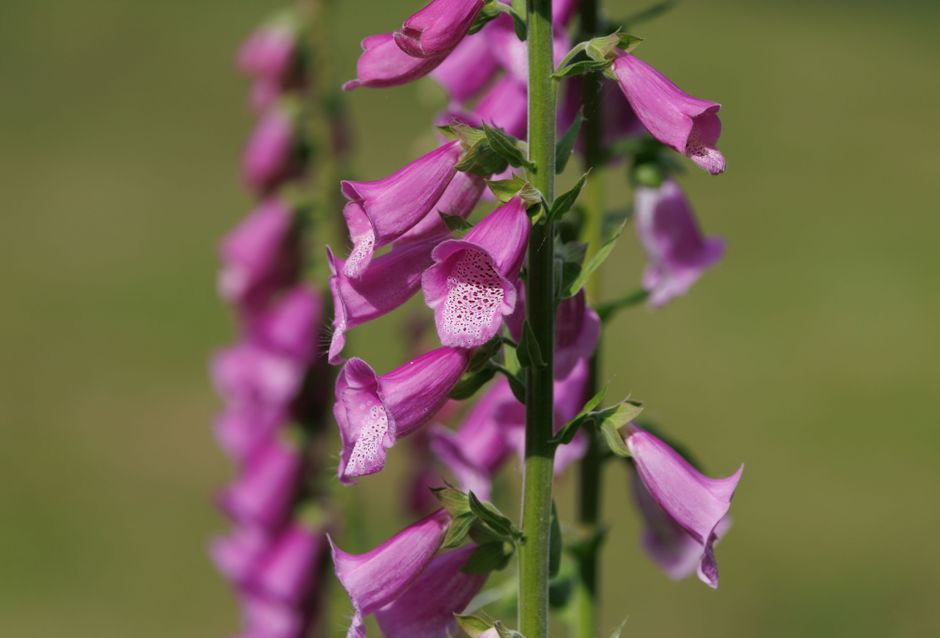
3. Foxglove (Digitalis purpurea)
These tall, elegant spikes of tubular flowers contain digitalin and other compounds that affect heart rhythm, with ingestion causing nausea, vomiting, visual disturbances including seeing yellow halos, and potentially fatal cardiac arrhythmias. The entire plant is poisonous, from roots to flowers, with toxicity levels actually increasing as the plant dries. Pharmaceutical-grade digitalis derived from foxglove has been used to treat heart conditions since 1785, but the margin between therapeutic and toxic doses is extremely narrow. Even experienced foragers have mistaken young foxglove leaves for comfrey or other edible plants, resulting in serious poisonings.
4. Lily of the Valley (Convallaria majalis)
This delicate-looking groundcover with fragrant white bell-shaped flowers contains over 38 different cardiac glycosides, making it extremely toxic despite its innocent appearance. Ingesting any part of the plant can cause severe vomiting, diarrhea, decreased heart rate, and potentially fatal cardiac arrest, with symptoms sometimes delayed for several hours after exposure. The plant's red berries are particularly attractive to young children, and the water in vases containing lily of the valley flowers can become toxic enough to cause illness. Cases have been documented where people experienced poisoning after drinking tea mistakenly brewed from lily of the valley leaves instead of the intended herb.
5. Yew (Taxus species)
The needles, bark, and seeds of yew shrubs and trees contain taxine alkaloids that can cause sudden cardiac death, sometimes within just two to three hours of ingestion. All yew species are toxic, with English yew (Taxus baccata) and Japanese yew (Taxus cuspidata) being most commonly planted in North American landscapes. The bright red berry-like arils surrounding yew seeds are the only part of the plant that isn't poisonous, but the seed inside the aril is highly toxic. Yews are so dangerous to livestock that horses and cattle have died after eating clippings thrown over fences by unsuspecting homeowners.
6. Rhododendron and Azalea (Rhododendron species)
These popular flowering shrubs contain grayanotoxins that interfere with nerve and muscle function, causing vomiting, diarrhea, difficulty breathing, and potentially fatal drops in blood pressure and heart rate. Honey produced from rhododendron or azalea nectar, sometimes called "mad honey," can poison people who consume it, a phenomenon documented since ancient times when Xenophon's Greek army was incapacitated after eating toxic honey in 401 BCE. Children have been poisoned after sucking nectar from the flowers or using the stems as improvised straws. Even small amounts of leaves or flowers can sicken pets, with cases regularly reported to veterinary poison control centers.
7. Daphne (Daphne species)
This fragrant ornamental shrub produces attractive red or yellow berries that contain mezerein and daphnin, toxins that cause burning sensations in the mouth and throat, excessive salivation, severe stomach pain, and bloody diarrhea. As few as three daphne berries can be fatal to a child, and contact with the sap can cause painful skin blisters and dermatitis. The plant's sweet-smelling flowers and colorful berries make it particularly hazardous around curious children and pets. Daphne poisoning cases often require hospitalization for fluid replacement and symptom management, as there is no specific antidote for the toxins.
8. Monkshood (Aconitum species)
Also known as wolfsbane, this perennial produces stunning purple-blue hooded flowers and contains aconitine, one of the most rapidly acting plant toxins, which can cause death within hours. The poison can be absorbed through intact skin, making monkshood dangerous even to touch, and gardeners have experienced numbness and tingling after handling plants without gloves. Symptoms of aconitine poisoning include immediate burning and tingling of the mouth and face, followed by nausea, visual disturbances, irregular heartbeat, and paralysis. Historically used on arrow tips and in murder plots, monkshood remains available at garden centers despite its extreme danger.
9. Angel's Trumpet (Brugmansia species)
These dramatic shrubs with large, pendulous trumpet-shaped flowers contain tropane alkaloids including scopolamine and atropine that cause hallucinations, confusion, seizures, and potentially fatal tachycardia. All parts of the plant are toxic, with seeds and leaves having the highest concentrations of alkaloids. Emergency rooms regularly treat teenagers and young adults who intentionally consume angel's trumpet flowers or brew them into tea seeking hallucinogenic effects, often resulting in severe anticholinergic syndrome requiring intensive care. The plant's toxins can also cause poisoning through skin absorption when handling cut flowers or pruning the shrub.
10. Autumn Crocus (Colchicum autumnale)
This fall-blooming bulb contains colchicine, a toxic alkaloid that damages cells throughout the body and has no known antidote. Symptoms of autumn crocus poisoning may not appear for several hours but then progress rapidly to include severe vomiting and diarrhea, organ failure, bone marrow suppression, and death in as many as 10% of serious poisoning cases. The plant is frequently confused with wild garlic or onions, leading to accidental ingestions, and all parts including the bulbs, leaves, and flowers are poisonous. Colchicine is used in prescription medications for gout, but the therapeutic dose is very close to the toxic dose, making the margin of safety extremely narrow.
Frequently Asked Questions
What should I do if someone ingests a toxic plant?
Call the Poison Control Center immediately at 1-800-222-1222 or emergency services if symptoms are severe. Do not induce vomiting unless specifically instructed by poison control, and bring a sample of the plant if possible for identification. Time is critical with many plant toxins, so seek help immediately rather than waiting for symptoms to appear.
Are toxic plants still dangerous after they've been cut or dried?
Yes, most plant toxins remain active even after the plant material has been cut, dried, composted, or burned. Cardiac glycosides in oleander and foxglove, ricin in castor beans, and most other plant toxins are chemically stable compounds that don't break down easily. This means dried leaves in compost, smoke from burning yard waste, or even water from flower vases can contain dangerous levels of toxins.
Can I safely keep toxic plants if I have children or pets?
While you can maintain toxic plants with proper precautions, many poison control experts recommend removing the most dangerous species from yards with young children or pets. If you choose to keep them, install physical barriers, teach children never to eat any plant material, and supervise pets in the yard. Consider that even vigilant supervision cannot prevent every exposure, and some toxins act rapidly enough that emergency treatment may not arrive in time.
How can I identify toxic plants already growing in my yard?
Use plant identification apps, consult with local extension services, or hire a professional landscaper to survey your property. The ASPCA and Pet Poison Helpline websites maintain searchable databases with photos of toxic plants. Take clear photos of leaves, flowers, and growth patterns for accurate identification, as some poisonous plants closely resemble harmless species.
Key Takeaways
- Many commonly planted ornamental shrubs and flowers contain toxins powerful enough to cause serious harm or death, with plants like castor bean, oleander, and monkshood being particularly dangerous.
- Plant toxins often remain active in dried, composted, or burned material, meaning yard waste and flower arrangements can pose ongoing risks.
- Immediate contact with poison control (1-800-222-1222) is essential if plant ingestion is suspected, as many plant toxins act rapidly and have no specific antidotes.
- Removing the most hazardous species from yards with children and pets is the most effective prevention strategy, as supervision alone cannot guarantee safety with rapidly acting plant toxins.