

1 / 10 Questions
0 Points

What year was the Statue of Liberty gifted to the U.S?

1886

1901

1776

1865

Points won
0
Correct score
0%

More Quizzes

More Articles

15 Interesting Facts About Animated Movies

15 Interesting Facts About Animated Movies

⏱️ 6 min read

Animation has captivated audiences for over a century, evolving from simple hand-drawn sequences to sophisticated computer-generated masterpieces. Behind the colorful characters and enchanting stories lies a world of fascinating history, groundbreaking innovation, and surprising details that even the most devoted fans might not know. These remarkable facts reveal the creativity, dedication, and technical wizardry that bring animated films to life.

Remarkable Facts from Animation History

1. The First Feature-Length Animated Film Premiered in 1937

Walt Disney's "Snow White and the Seven Dwarfs" holds the distinction of being the first full-length cel-animated feature in motion picture history. The film required approximately two million individual drawings and took three years to complete. Industry insiders dubbed it "Disney's Folly," predicting it would bankrupt the studio. Instead, it became a massive success and revolutionized the entertainment industry, proving that animated films could compete with live-action features.

2. Pixar's Rendering Times Are Extraordinarily Long

Modern animated films require staggering computational power. For "Monsters University," some individual frames took up to 29 hours to render completely. The studio's more recent productions have pushed these boundaries even further, with complex scenes in films like "Coco" requiring over 100 hours per frame. This technological demand explains why Pixar maintains massive server farms working around the clock during production.

3. Voice Actors Record Their Lines Separately

Unlike traditional films where actors perform together, animated movie voice actors typically record their dialogue alone in a booth. This allows directors flexibility in editing and animators freedom to work without scheduling constraints. Robin Williams' recording sessions for "Aladdin" proved an exception—his improvisation was so energetic that animators watched his performances and incorporated his physical movements into the Genie's animation.

4. Disney Animators Attended Live Action Reference Sessions

To achieve realistic movement in their characters, Disney animators studied live-action footage extensively. For "Cinderella," actress Helene Stanley performed scenes in costume, providing reference material for animators. This practice continued throughout Disney's history, with real actors performing every scene before animation began, ensuring characters moved with authentic human grace and emotion.

5. Stop-Motion Animation Requires Incredible Patience

Stop-motion animated films like "Coraline" and "Kubo and the Two Strings" demand meticulous frame-by-frame photography. Animators might spend an entire week shooting just three to four seconds of footage. The process involves moving physical puppets incrementally, photographing each tiny adjustment. A single sneeze or bumped table can ruin hours of work, requiring complete scene restarts.

6. The Wilhelm Scream Appears in Animated Films

This famous sound effect, originally recorded in 1951, has become an inside joke among filmmakers. The distinctive scream has been inserted into numerous animated features, including "Toy Story," "Monsters, Inc.," and "The Emperor's New Groove." Sound designers continue this tradition as an homage to film history and a playful Easter egg for attentive viewers.

7. Japanese Anime Production Differs Significantly from Western Animation

Anime studios typically produce content on much tighter budgets and schedules than Western counterparts. To manage costs, anime uses limited animation techniques, including static frames, repeated sequences, and detailed backgrounds with minimal character movement. Despite these constraints, anime has developed distinctive artistic styles that have influenced global animation aesthetics.

8. Animated Films Often Begin with Temporary Dialogue Tracks

During early production stages, animators work with "scratch tracks"—temporary voice recordings performed by staff members, directors, or anyone available. These placeholder recordings help establish timing and emotion before celebrity voice actors record final dialogue. Sometimes these scratch performances influence how final dialogue is delivered.

9. Hair Animation Represents One of the Greatest Technical Challenges

Creating realistic hair movement in computer animation requires sophisticated software and immense processing power. Pixar developed special technology for Merida's curly red hair in "Brave," creating a simulation system that controlled over 1,500 individual curls. Similarly, "Tangled" required new software to animate Rapunzel's 70 feet of magical hair convincingly.

10. International Versions Change More Than Just Dialogue

Animated films undergo extensive localization for international markets beyond simple translation. Cultural references get modified, character designs occasionally change, and sometimes entire scenes are reanimated. In "Inside Out," the scene where Riley refuses to eat broccoli was changed to bell peppers for the Japanese release, since Japanese children generally dislike different vegetables.

11. Storyboarding Determines the Entire Film Structure

Before any animation begins, films are completely storyboarded—sometimes multiple times. These illustrated sequences function as the movie's blueprint, determining camera angles, pacing, and emotional beats. Disney's "Frozen" was storyboarded at least eight times during development, with the storyline evolving significantly through each iteration based on these visual explorations.

12. Traditional Animation Cells Were Painted by Hand

Before digital technology, each frame of animation required hand-painted celluloid sheets. Artists traced animator drawings onto clear acetate cells, then painted them from behind using special cel vinyl paints. Feature films required hundreds of thousands of these hand-painted cells, representing countless hours of meticulous artistic labor by teams of painters.

13. Music Is Integrated Early in the Production Process

Unlike live-action films where music often arrives during post-production, animated musicals integrate songs during early development. Animators choreograph scenes specifically to match musical compositions, allowing perfect synchronization between movement and melody. This approach explains why animated musicals often feel more naturally integrated than their live-action counterparts.

14. Computer Animation Files Are Enormous

A single frame from a modern animated film can require several gigabytes of data. Complete movies generate petabytes of information throughout production, including character models, textures, lighting data, and rendered frames. Studios maintain extensive digital archives and backup systems to protect these massive files representing years of artistic work.

15. Animated Films Take Years to Complete

Major animated features typically require four to seven years from initial concept to theatrical release. This extended timeline encompasses story development, character design, voice recording, animation, rendering, and post-production. Some projects experience even longer development periods, with "The Lego Movie" spending approximately seven years in various stages of production before its release.

The Artistry Behind the Magic

These facts illuminate the extraordinary effort, innovation, and creativity required to produce animated films. From the painstaking frame-by-frame work of traditional animation to the computational complexity of modern CGI, each technique demands unique skills and dedication. The evolution from hand-painted cells to sophisticated computer simulations demonstrates animation's continuous innovation, yet the fundamental goal remains unchanged: telling compelling stories that resonate with audiences of all ages. Whether through Disney's classic hand-drawn masterpieces, Pixar's groundbreaking computer animation, or Studio Laika's intricate stop-motion craft, animated films continue pushing artistic and technical boundaries while delivering the magic that has enchanted generations of viewers worldwide.
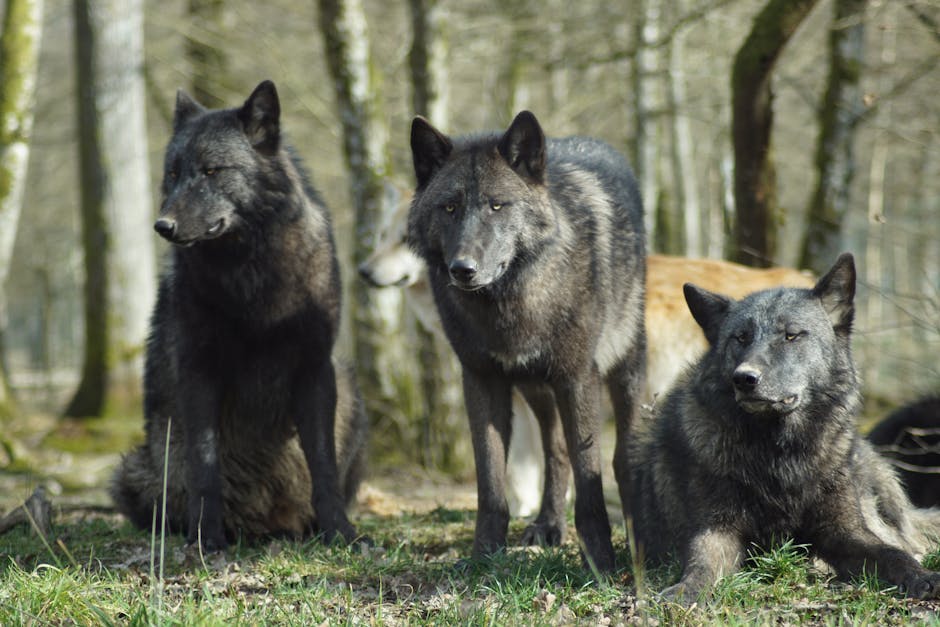
15 Facts About Wolves You Should Know

15 Facts About Wolves You Should Know

⏱️ 7 min read

Wolves have captivated human imagination for millennia, inspiring both fear and admiration across cultures worldwide. These magnificent predators play crucial roles in their ecosystems and exhibit complex behaviors that continue to fascinate scientists and wildlife enthusiasts alike. Understanding these remarkable creatures helps dispel common myths while highlighting the importance of their conservation. The following facts reveal the extraordinary nature of these intelligent and social animals.

Essential Facts About Wolf Biology and Behavior

1. Wolves Are Larger and More Powerful Than Most People Realize

Adult gray wolves typically weigh between 70 and 145 pounds, though some individuals in Alaska and Canada have been recorded at over 175 pounds. They stand approximately 26 to 32 inches tall at the shoulder and can measure up to 6.5 feet in length from nose to tail. Their powerful jaws exert a crushing force of approximately 1,500 pounds per square inch—nearly twice that of a German Shepherd. This impressive size and strength enable them to take down prey much larger than themselves, including elk, moose, and bison.

2. Complex Pack Hierarchies Govern Wolf Society

Wolf packs typically consist of 6 to 10 members, though some packs can grow larger. Contrary to outdated theories about "alpha" dominance through aggression, wolf packs are actually family units led by a breeding pair—the parents—with their offspring from various years. The social structure is more cooperative than competitive, with pack members working together to hunt, raise pups, and defend territory. Younger wolves eventually leave to find mates and establish their own packs, a process called dispersal.

3. Wolves Communicate Through a Sophisticated System

Wolves employ an intricate communication system combining vocalizations, body language, and scent marking. Their famous howls serve multiple purposes: coordinating pack movements, locating separated members, warning rival packs, and strengthening social bonds. They produce other vocalizations including barks, growls, and whines. Body posture, tail position, and facial expressions convey dominance, submission, playfulness, or aggression. Scent marking through urine and feces establishes territory boundaries and provides information about reproductive status.

4. Incredible Stamina Makes Wolves Elite Distance Hunters

While wolves can sprint at speeds up to 40 miles per hour for short bursts, their true advantage lies in endurance. They can maintain a steady pace of 5 miles per hour for hours and can travel up to 30 miles in a single day when hunting or patrolling territory. This remarkable stamina allows them to pursue prey over long distances, wearing down animals that might initially outrun them. Their large paws act like snowshoes, distributing weight efficiently and enabling them to traverse deep snow where hoofed prey may struggle.

5. Wolves Play a Keystone Role in Ecosystem Health

As apex predators, wolves maintain ecological balance in ways that cascade through entire ecosystems. The reintroduction of wolves to Yellowstone National Park in 1995 demonstrated their profound impact. By controlling elk populations and altering their behavior, wolves allowed vegetation to recover along riverbanks, which reduced erosion, changed river courses, and created habitat for numerous other species including birds, beavers, and fish. This phenomenon, called a "trophic cascade," illustrates how wolves indirectly benefit biodiversity.

6. Exceptional Senses Guide Hunting Success

Wolves possess extraordinarily sharp senses that make them formidable hunters. Their hearing is so acute they can detect sounds up to six miles away in forested areas and ten miles across open tundra. Their sense of smell is approximately 100 times more sensitive than humans', allowing them to detect prey from distances of nearly two miles and track scent trails that are days old. While their vision is less remarkable, they excel at detecting movement and can see well in low-light conditions.

7. Only the Breeding Pair Typically Produces Offspring

In established wolf packs, only the dominant breeding pair—usually the oldest and most experienced wolves—reproduces. The female gives birth once yearly in spring to litters averaging 4 to 6 pups, though litters can range from 1 to 11. This reproductive restraint prevents overpopulation within the pack and ensures sufficient resources for raising young. All pack members participate in caring for pups, including feeding, protecting, and teaching them essential survival skills.

8. Wolves Have Remarkable Territory Sizes

Wolf territories vary dramatically based on prey density and habitat type, ranging from 50 square miles in areas with abundant prey to over 1,000 square miles in Arctic regions where prey is scarce. Packs fiercely defend these territories against neighboring wolves, and territorial conflicts are the leading natural cause of wolf mortality. Wolves mark boundaries regularly and avoid areas heavily scented by rival packs to minimize dangerous encounters.

9. Diverse Coat Colors Serve Different Functions

Wolf coat coloration ranges from pure white in Arctic populations to black, gray, brown, and various combinations. These color variations provide camouflage suited to different environments—white wolves blend into snowy landscapes while darker wolves disappear into forests. Interestingly, the black coat color in North American wolves came from ancient interbreeding with domestic dogs thousands of years ago, and this mutation may provide advantages against certain diseases.

10. Wolves Are Strategic and Intelligent Hunters

Wolves hunt cooperatively using sophisticated strategies that require planning and role division. They test potential prey to identify weak, young, old, or injured individuals, conserving energy by avoiding healthy adults that could injure pack members. Different wolves may take positions to drive prey toward ambush points or cut off escape routes. They succeed in only 10-20% of hunts, making each kill precious and demonstrating why they've evolved to waste nothing from their prey.

11. Ancient Domestication Connects Wolves and Dogs

All domestic dog breeds descended from wolves through domestication beginning 15,000 to 40,000 years ago. Despite thousands of years of selective breeding creating dramatic physical and behavioral differences, dogs and wolves remain the same species (Canis lupus) and can still interbreed. This shared ancestry explains why some dog behaviors—pack mentality, howling, territorial marking—reflect their wolf heritage, though domestication has significantly altered dog cognition and social behavior.

12. Wolves Face Severe Conservation Challenges

Once ranging across most of the Northern Hemisphere, wolves now occupy only a fraction of their historical range due to human persecution, habitat loss, and prey depletion. Systematic extermination campaigns in the 19th and 20th centuries nearly drove wolves to extinction in the continental United States. While some populations have recovered through protection and reintroduction efforts, many subspecies remain endangered. Ongoing conflicts with livestock interests and habitat fragmentation continue threatening wolf populations worldwide.

13. Wolves Rarely Attack Humans

Despite their fearsome reputation in folklore, healthy wild wolves rarely attack humans. Documented wolf attacks in North America are extremely rare, with most involving habituated or rabid animals. Wolves naturally fear humans and typically avoid contact. This behavior contrasts sharply with cultural depictions of wolves as dangerous predators, demonstrating how mythology has distorted understanding of these generally shy animals. Education about actual wolf behavior helps reduce unfounded fear.

14. Multiple Wolf Species Inhabit Different Regions

While the gray wolf is most well-known, other wolf species exist with distinct characteristics. The red wolf, native to the southeastern United States, is critically endangered with only about 20 individuals remaining in the wild. The Ethiopian wolf, Africa's rarest canid, inhabits mountain highlands. The Eastern wolf, found in eastern Canada, may represent a separate species or gray wolf subspecies. Each species evolved unique adaptations to their specific environments and prey bases.

15. Wolves Demonstrate Emotional Complexity

Scientific research increasingly reveals that wolves experience complex emotions including joy, grief, and compassion. Wolves form deep bonds with pack members and have been observed mourning deceased companions. They engage in playful behavior throughout their lives, not just as pups. Pack members show empathy by caring for injured or sick wolves, sometimes bringing them food. These emotional capabilities highlight the sophisticated inner lives of these social animals and strengthen arguments for their ethical treatment and conservation.

Understanding and Protecting Wolves

These fifteen facts demonstrate that wolves are far more complex, intelligent, and ecologically important than popular culture often suggests. From their intricate social structures and communication systems to their crucial role in maintaining healthy ecosystems, wolves deserve recognition as remarkable apex predators. Their powerful physiology, strategic hunting techniques, and emotional depth reveal animals worthy of respect and protection. As human populations expand and habitat pressures increase, understanding wolf biology and behavior becomes essential for developing effective conservation strategies. Protecting wolves means preserving not just a single species, but maintaining the ecological integrity of the wild landscapes they inhabit. By replacing fear and misconception with knowledge and appreciation, society can work toward coexistence that benefits both wolves and human communities.