







1 / 10 Questions
0 Points

Which Brand's 260-Ton Turkey Surplus Created TV Dinners?

Swanson

Kraft

Campbell's

Birds Eye

Points won
0
Correct score
0%

More Quizzes

More Articles

Top 10 Survival Facts That Will Blow Your Mind

Top 10 Survival Facts That Will Blow Your Mind

⏱️ 7 min read

When facing life-or-death situations in the wilderness or during emergencies, conventional wisdom doesn't always align with what actually keeps you alive. The difference between survival and tragedy often comes down to knowing counterintuitive facts that most people never consider until it's too late. These remarkable insights challenge common assumptions and reveal the surprising science behind staying alive in extreme conditions.

Essential Survival Knowledge You Need to Know

1. The Rule of Threes Determines Your Survival Priorities

Survival experts rely on the Rule of Threes to prioritize actions in emergency situations. You can survive approximately three minutes without air, three hours without shelter in harsh conditions, three days without water, and three weeks without food. This hierarchy is crucial because most people incorrectly prioritize finding food when shelter and water should take precedence. In cold environments, hypothermia can kill within hours, making shelter your immediate concern after ensuring you can breathe. Understanding this framework prevents wasted energy on less critical tasks during the vital first hours of a survival scenario.

2. Drinking Untreated Water Can Be Better Than Dehydration

While survival guides emphasize treating water before consumption, severe dehydration poses a more immediate threat than waterborne pathogens. The symptoms of giardia or other waterborne illnesses typically take days to manifest, whereas dehydration impairs judgment and physical ability within hours. If you're in a true survival situation without purification methods and facing critical dehydration, drinking untreated water from flowing sources gives you time to find rescue or reach safety. The illness can be treated later, but severe dehydration causes irreversible organ damage and death much faster than most people realize.

3. Your Body Position While Sleeping Can Prevent Death

Sleeping position dramatically affects survival in cold weather conditions. Lying directly on frozen ground causes heat loss twenty-five times faster than losing heat to cold air. This conductive heat loss can lead to fatal hypothermia even when air temperature seems manageable. Creating insulation between your body and the ground using pine boughs, leaves, clothing, or any available material is more critical than covering yourself from above. Survival instructors teach that you need at least six inches of insulation beneath you in freezing conditions, yet most inexperienced outdoor enthusiasts focus exclusively on blankets or sleeping bags above them.

4. Cotton Clothing Becomes Your Enemy in Wet Conditions

The outdoor community has a saying: "Cotton kills." When cotton fabric becomes wet, it loses ninety percent of its insulating properties and takes an extremely long time to dry. Worse, wet cotton pulls heat away from your body through evaporative cooling. In contrast, wool retains approximately eighty percent of its warmth even when soaked, and synthetic materials like polyester wick moisture away from skin. Hypothermia deaths regularly occur in temperatures as warm as fifty degrees Fahrenheit when people wear wet cotton clothing. This fact has proven fatal for countless hikers who assumed they were safe because the weather wasn't extremely cold.

5. Fire Starting Depends on Preparation, Not Matches

The ability to create fire has little to do with ignition sources and everything to do with proper tinder preparation. Even with waterproof matches or a lighter, you cannot start a fire without dry, fine tinder that catches from a spark or small flame. Birch bark, dry grass, char cloth, cotton balls mixed with petroleum jelly, and wood shavings ignite easily and burn hot enough to ignite kindling. Most survival fire failures occur because people try to light large sticks directly. Successful fire starting requires collecting three categories of fuel: tinder that catches instantly, kindling smaller than your finger, and larger fuel wood. Missing any of these components leads to failure regardless of your ignition method.

6. Snow Is Not a Reliable Water Source

While snow can provide hydration, eating it directly accelerates hypothermia by lowering core body temperature. Your body must expend significant energy to melt snow in your mouth and warm it to body temperature, burning calories you cannot spare. Additionally, snow requires melting large volumes to produce relatively little water since it's mostly air. One cup of snow typically yields only a few tablespoons of water. In survival situations, you must melt snow before consuming it, preferably using body heat in a water bottle inside your clothing if fire isn't available. Many people don't realize that relying on eating snow for hydration can actually hasten death in cold weather scenarios.

7. The Human Body Can Survive Extreme Caloric Restriction

Contrary to popular belief, the absence of food poses minimal immediate threat compared to other survival factors. The human body can function for weeks without food by metabolizing fat stores and eventually muscle tissue. Hunger pangs actually diminish after the first few days as the body enters ketosis. The real danger of extended food deprivation is the impaired judgment and weakened physical condition that develops over time, not starvation itself in the short term. This fact explains why rescue operations focus on location and extraction rather than food drops for people lost in wilderness areas. Understanding this reduces panic and allows survivors to focus on shelter, water, and signaling for rescue.

8. Moving During Daylight Can Reduce Rescue Chances

The instinct to walk toward help often decreases survival odds. Search and rescue operations use the last known position as their starting point, creating search grids that expand outward. When lost individuals keep moving, they exit these search areas, forcing rescuers to expand their radius exponentially. Statistics show that people who stay put after realizing they're lost are found faster and in better condition than those who wander. The exceptions are situations where your location is unsafe or you have certain knowledge of civilization's direction. Staying visible, creating signals, and conserving energy typically proves more effective than random movement through unfamiliar terrain.

9. Shelter Construction Requires Smaller Spaces Than Expected

Survival shelters work best when barely larger than your body. A common mistake is building shelters too large, which makes them impossible to heat with body warmth alone. The most effective emergency shelters create a small, insulated cocoon that traps heat radiating from your body. Debris huts, for instance, should feel cramped and claustrophobic, with only enough room to lie down and sit up slightly. This confined space can maintain a temperature twenty to thirty degrees warmer than outside air temperature using only body heat. Large, comfortable shelters feel better psychologically but fail at the primary function of preventing hypothermia.

10. Panic Is the Primary Killer in Survival Situations

Research into survival incidents reveals that psychological factors kill more people than environmental hazards. Panic causes hyperventilation, impaired decision-making, and exhaustion from unnecessary physical exertion. The survival mindset requires accepting your situation, controlling fear responses, and methodically addressing priorities. Studies of survivors across various disasters show that those who pause, assess their situation, and create a plan have dramatically higher survival rates. The acronym STOP (Stop, Think, Observe, Plan) saves lives by interrupting the panic response. Many deaths attributed to exposure or dehydration actually result from poor decisions made during panic, such as discarding clothing, abandoning supplies, or making dangerous navigation choices.

Applying These Facts to Improve Your Survival Odds

These ten survival facts challenge common assumptions and highlight the gap between intuitive reactions and effective survival strategies. Understanding that shelter trumps food, that staying put often beats wandering, and that psychological control prevents fatal mistakes transforms how you prepare for and respond to emergencies. The consistent theme across these facts is that survival depends on knowledge and preparation rather than luck or physical strength. Whether you're an outdoor enthusiast, a prepper, or simply someone who wants to be prepared for unexpected situations, internalizing these counterintuitive truths can mean the difference between life and death when circumstances turn dire.
20 Mind-Blowing Facts About the Amazon Rainforest

20 Mind-Blowing Facts About the Amazon Rainforest

⏱️ 8 min read

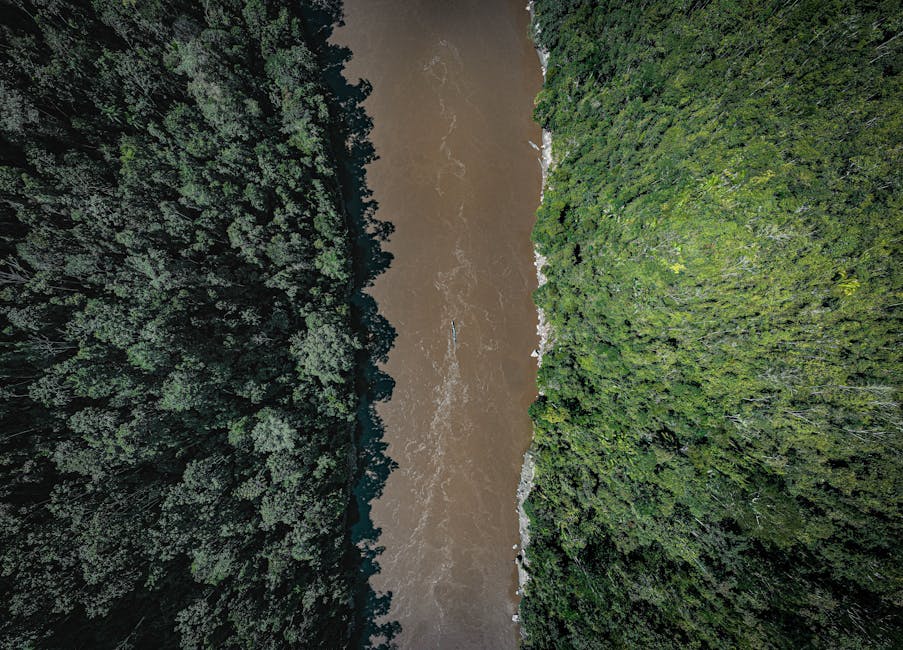
The Amazon Rainforest stands as one of Earth's most extraordinary natural wonders, spanning across nine South American countries and harboring secrets that continue to astound scientists and nature enthusiasts alike. This vast green expanse, often called the "lungs of the Earth," contains biological and ecological phenomena that challenge our understanding of nature's capabilities. From its unparalleled biodiversity to its crucial role in global climate regulation, the Amazon holds remarkable characteristics that reveal the intricate complexity of our planet's ecosystems.

Astonishing Discoveries from the World's Largest Tropical Rainforest

1. The Amazon's Massive Geographic Footprint

Covering approximately 5.5 million square kilometers, the Amazon Rainforest represents an area larger than the entire European Union. This immense jungle stretches across Brazil, Peru, Colombia, Venezuela, Ecuador, Bolivia, Guyana, Suriname, and French Guiana, with Brazil containing roughly 60% of the total forest area. To put this in perspective, the Amazon is so vast that the United Kingdom and Ireland could fit inside it seventeen times over.

2. Unmatched Biodiversity Concentrations

The Amazon houses approximately 10% of all species found on Earth, making it the most biodiverse place on the planet. Scientists estimate that the rainforest contains around 390 billion individual trees divided into 16,000 species, along with 40,000 plant species, 1,300 bird species, 3,000 types of fish, and over 430 species of mammals. Remarkably, a single hectare of Amazon rainforest can contain more tree species than all of North America.

3. The Oxygen Production Myth

Contrary to popular belief, the Amazon Rainforest produces approximately as much oxygen as it consumes through respiration and decomposition. While often called the "lungs of the Earth," the forest operates in a nearly balanced cycle where the oxygen generated by photosynthesis is largely offset by the consumption of oxygen by the forest's plants, animals, and decomposing organic matter. The Amazon's true value lies more in carbon storage than oxygen production.

4. A Massive Carbon Storage System

The Amazon stores between 150-200 billion tons of carbon in its biomass and soil, making it one of the planet's most critical carbon sinks. This stored carbon represents decades of atmospheric carbon dioxide absorption. When trees are burned or decompose due to deforestation, this carbon is released back into the atmosphere, contributing significantly to climate change and making forest preservation essential for global climate stability.

5. The River That Rivals Seas

The Amazon River, which flows through the rainforest, discharges approximately 209,000 cubic meters of water per second into the Atlantic Ocean—more than the next seven largest rivers combined. This massive flow represents roughly 20% of all freshwater entering the world's oceans. During the wet season, parts of the river can exceed 190 kilometers in width.

6. An Underground River System

Scientists discovered in 2011 that beneath the Amazon River lies another massive river system flowing approximately 4 kilometers underground. Named the Rio Hamza after the scientist who led the research, this subterranean river flows in the same direction as the Amazon but at an extremely slow rate, taking hundreds of years to travel distances the surface river covers in months.

7. Flying Rivers of Moisture

The Amazon Rainforest releases approximately 20 billion tons of water into the atmosphere every day through transpiration—a process where plants release water vapor through their leaves. These "flying rivers" of moisture travel through the atmosphere, influencing rainfall patterns across South America and even affecting weather systems thousands of kilometers away, demonstrating the forest's continental-scale impact on climate.

8. Indigenous Populations and Ancient Civilizations

Approximately 400-500 indigenous tribes call the Amazon home, with around 50 of these groups having had no contact with the outside world. Recent archaeological evidence suggests that before European colonization, the Amazon may have supported sophisticated civilizations of up to 5 million people who managed the forest through complex agricultural systems, challenging the notion that the rainforest was pristine wilderness.

9. Medicinal Treasure Trove

Over 25% of modern pharmaceutical drugs contain ingredients derived from Amazon rainforest plants, yet scientists have tested less than 1% of the tropical plants found there for medicinal properties. Indigenous peoples have used thousands of plant species for medicinal purposes for centuries, and this traditional knowledge continues to guide pharmaceutical research into potential treatments for cancer, malaria, and numerous other diseases.

10. The Pink River Dolphin Phenomenon

The Amazon River hosts the largest freshwater dolphin species in the world—the pink river dolphin, or boto. These remarkable creatures can grow up to 2.5 meters long and weigh 185 kilograms. Their distinctive pink coloration becomes more pronounced with age and activity level. Unlike oceanic dolphins, pink river dolphins have unfused neck vertebrae, allowing them to turn their heads 90 degrees to navigate through flooded forests.

11. Trees That Create Their Own Rain

Amazon trees don't just respond to rainfall—they help create it. Through transpiration and the release of organic compounds, the forest generates atmospheric conditions that trigger precipitation. This self-sustaining system means the Amazon partially creates its own weather patterns, and large-scale deforestation could disrupt this cycle, potentially transforming portions of the rainforest into savanna.

12. Terra Preta: Ancient Amazonian Super Soil

Scattered throughout the Amazon are patches of incredibly fertile dark earth called terra preta, created by pre-Columbian indigenous peoples through a sophisticated process of adding charcoal, bone, and organic matter to naturally poor rainforest soil. This engineered soil remains fertile today, centuries after its creation, and could hold secrets to sustainable agriculture and carbon sequestration.

13. The Boiling River Mystery

Deep in the Peruvian Amazon flows the Shanay-timpishka, known as the "Boiling River," where water temperatures reach up to 93 degrees Celsius. For years dismissed as legend, this geothermal river spans 6.4 kilometers and is hot enough to make tea or kill any animal unfortunate enough to fall in. The heat source remains partially mysterious, as the river lies far from any volcanic activity.

14. Canopy Highways and Vertical Ecosystems

The Amazon Rainforest operates as multiple ecosystems stacked vertically, with the canopy layer—reaching heights of 30-45 meters—hosting entirely different species than the forest floor. Many canopy-dwelling creatures never descend to the ground, and scientists estimate that up to 70% of rainforest life exists in the canopy layer, creating highways of interconnected branches used by monkeys, sloths, and countless other species.

15. Piranha Misconceptions and Reality

While piranhas have a fearsome reputation, mass attacks on humans are extremely rare in the Amazon. These fish are generally omnivorous and scavenging, feeding primarily on insects, plants, and fish. Of approximately 30 piranha species, only a few are considered dangerous to humans, and attacks typically occur only when the fish are trapped in shrinking pools during droughts or protecting nesting areas.

16. The Amazon's Massive Fungal Networks

Beneath the Amazon's surface lies an extensive network of mycorrhizal fungi connecting tree roots in a "wood wide web" that facilitates nutrient and information exchange. This underground network allows trees to share resources, warn each other of pest attacks, and even support younger or weaker trees, revealing a level of forest interconnectedness that transforms our understanding of plant communication and cooperation.

17. Saharan Dust as Rainforest Fertilizer

The Amazon Rainforest receives a crucial fertilizer delivery from an unlikely source: dust from the Sahara Desert in Africa. Approximately 27 million tons of Saharan dust cross the Atlantic Ocean annually, depositing phosphorus and other nutrients that replenish minerals washed away by heavy rainfall. This transcontinental connection demonstrates how Earth's ecosystems are interconnected on a global scale.

18. Electricity-Generating Eels

The Amazon's waters host electric eels capable of generating shocks of up to 860 volts—enough to stun a horse or potentially kill a human. Despite their name, these creatures are actually a type of knifefish rather than true eels. They use their electrical abilities not just for defense and hunting, but also for navigation and communication in murky waters.

19. The Deforestation Crisis Accelerates

Approximately 17% of the original Amazon Rainforest has been lost to deforestation over the past 50 years, with an area roughly the size of a football field disappearing every single minute. This destruction releases stored carbon, destroys habitats, disrupts indigenous communities, and pushes the forest toward a potential tipping point where it could transition to grassland, triggering catastrophic climate consequences.

20. Undiscovered Species Abundance

Scientists discover an average of one new species in the Amazon every two days, including plants, mammals, birds, fish, reptiles, and amphibians. Experts estimate that thousands of species remain undocumented, and tragically, many may go extinct before ever being studied due to habitat destruction. This ongoing discovery rate underscores both the Amazon's incredible biodiversity and how much remains unknown.

Conclusion

The Amazon Rainforest represents far more than just a collection of trees and wildlife—it functions as a complex, interconnected system that influences global climate patterns, harbors invaluable biodiversity, and holds secrets we are only beginning to understand. From underground rivers and flying moisture highways to ancient civilizations and undiscovered species, the Amazon continues to reveal its extraordinary nature. As deforestation threatens this irreplaceable ecosystem, these remarkable facts underscore the urgent need for conservation efforts to protect not just a forest, but a vital planetary life-support system whose influence extends far beyond its geographic boundaries.