










1 / 10 Questions
0 Points

Which Heavyweight Hung Up Gloves Undefeated At 49-0?

Muhammad Ali

George Foreman

Rocky Marciano

Joe Louis

Points won
0
Correct score
0%

More Quizzes

More Articles

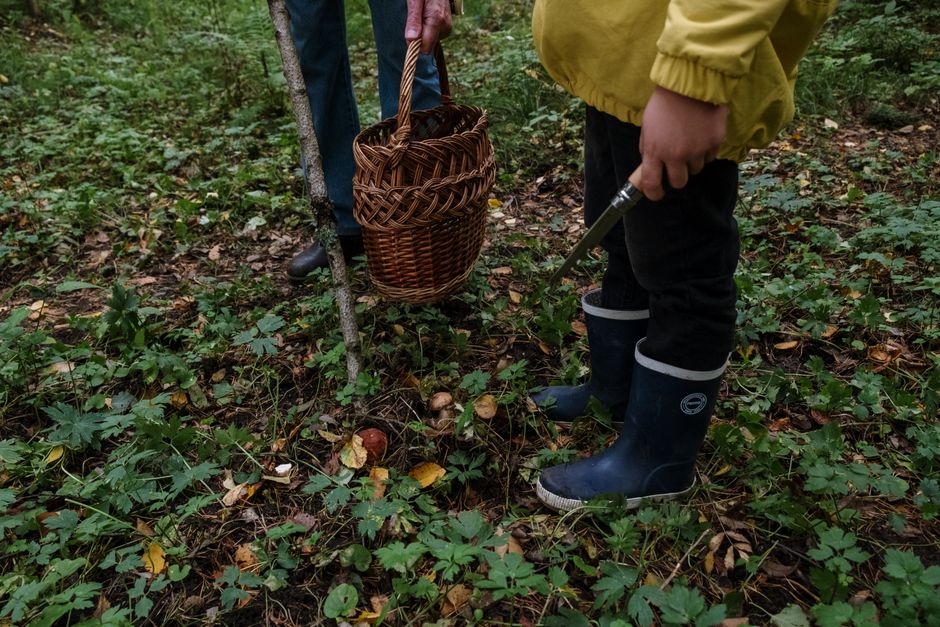
The Most Common Foraging Mistakes Beginners Make

The Most Common Foraging Mistakes Beginners Make

⏱️ 10 min read

Every year, approximately 60,000 cases of plant poisoning are reported to poison control centers across the United States, with a significant portion involving adults who mistakenly consumed toxic wild plants they believed were edible. The gap between enthusiastic foraging novices and experienced wildcrafters isn't just knowledge—it's the difference between a nourishing meal and a trip to the emergency room.

Quick Facts

  • The water hemlock (Cicuta species) is North America's most violently toxic plant, causing seizures within 15 minutes of ingestion and often proving fatal before medical help arrives.
  • Foraging errors peak in spring when toxic plants like death camas can be easily confused with edible wild onions before their distinctive flowers appear.
  • Approximately 80% of mushroom-related deaths worldwide stem from just one genus: Amanita, which includes species that resemble edible varieties to untrained eyes.
  • Studies show that 73% of novice foragers rely primarily on smartphone apps for identification, yet these apps have accuracy rates as low as 50% for some plant species.
  • The "universal edibility test" promoted in outdated survival manuals has led to numerous poisonings and is rejected by modern foraging experts and medical professionals.

Relying Solely on Digital Identification Tools

Smartphone applications have revolutionized field guides, but treating them as infallible oracles represents one of the most dangerous practices among beginning foragers. A 2019 study published in the journal Methods in Ecology and Evolution tested leading plant identification apps and found accuracy rates ranging from 42% to 83%, depending on image quality and plant species. The problem intensifies when users photograph young plants, damaged specimens, or plants from unusual angles—exactly the conditions you encounter in actual foraging situations.

Multiple identification methods create layers of safety. Before consuming any wild plant, cross-reference at least three credible sources: a detailed field guide specific to your region, consultation with an experienced local forager, and verification of multiple identifying characteristics including leaf arrangement, stem structure, smell, and habitat. The eastern North American plant known as goutweed (Aegopodium podagraria) closely resembles poison hemlock in its early stages; only by examining the stem surface (smooth on goutweed versus purple-spotted on hemlock) and crushing leaves to check scent (carrot-like in goutweed, musty in hemlock) can you confidently distinguish them.

Ignoring Seasonal Identification Windows

Plants transform dramatically throughout their life cycles, yet beginners often learn to identify species during only one growth stage—typically when flowers or fruits make identification easiest. This creates a critical knowledge gap because prime harvesting time often occurs when diagnostic features are absent. Wild garlic (Allium vineale) is safest to identify in spring when its distinctive bulbs and garlic smell are present, but it becomes virtually indistinguishable from toxic star-of-Bethlehem (Ornithogalum umbellatum) once both plants send up similar grass-like leaves in early growth stages.

Professional foragers develop what botanists call "search image proficiency"—the ability to recognize a species across all its life stages. Spend an entire growing season observing target plants without harvesting. Photograph the same individual plants monthly, noting changes in leaf shape, height, flower development, and seed formation. Common milkweed (Asclepias syriaca), for instance, offers edible shoots in spring, flower buds in early summer, and young pods in late summer, but each stage requires different preparation methods and presents different lookalike risks.

Overlooking Microhabitat and Contamination Risks

Finding the right species means nothing if you're harvesting from contaminated locations. Beginners frequently collect plants from roadside ditches, park edges, and drainage areas without considering chemical exposure. Research from the University of Washington found that plants within 50 feet of heavily trafficked roads accumulate lead concentrations up to 30 times higher than those in protected areas. Heavy metals don't cook out or wash off—they're absorbed into plant tissues.

Beyond traffic pollution, municipal areas present additional hazards. Parks and golf courses typically receive regular applications of herbicides, pesticides, and fertilizers. Railroad corridors are sprayed with persistent chemicals to prevent vegetation growth. Even seemingly pristine areas near agricultural land may receive pesticide drift. Industrial sites can contaminate soil with everything from petroleum products to heavy metals that persist for decades. Before foraging any location, research its history: contact local environmental agencies, check topographic maps for nearby facilities, and observe whether native vegetation appears stressed or discolored.

Water-loving plants require extra scrutiny. Watercress (Nasturtium officinale) growing in streams may harbor liver flukes and other parasites, while plants downstream from livestock operations risk E. coli and chemical runoff contamination. The Centers for Disease Control documented multiple outbreaks of fascioliasis—a parasitic disease—linked to wild watercress consumption between 2008 and 2015.

Misunderstanding Edibility Versus Safety

The category "edible" carries dangerous ambiguity for beginners. Many plants require specific preparation to become safe, while others are edible only at certain life stages or in limited quantities. Pokeweed (Phytolacca americana) illustrates this complexity perfectly: young spring shoots can be eaten after boiling in two changes of water to remove toxins, but mature leaves, stems, roots, and berries contain dangerous concentrations of phytolaccatoxin and triterpene saponins that cause severe gastrointestinal distress, low blood pressure, and breathing difficulties.

Acorns from oak trees (Quercus species) are technically edible and were staple foods for indigenous peoples across North America, but raw acorns contain high tannin levels that cause kidney damage if consumed regularly. Traditional processing involves crushing, repeated cold-water leaching over several days, and careful taste-testing to ensure bitterness is removed. Skipping these steps because acorns appear in survival food lists has led to numerous cases of gastric distress among unprepared foragers.

Quantity matters as well. Wild chives (Allium schoenoprasum) are perfectly safe as a seasoning, but consuming large amounts can cause hemolytic anemia in susceptible individuals. Sorrel (Rumex acetosa) adds pleasant tartness to salads, yet its oxalic acid content means people prone to kidney stones should avoid it entirely, and everyone should limit consumption. The "dose makes the poison" principle applies to numerous wild edibles that beginners assume are unlimited resources.

Harvesting Without Proper Species Confirmation

The rushed harvest represents perhaps the most preventable yet most common error. Beginners spot something that resembles an edible species they've studied and collect it immediately, skipping the methodical verification process that separates safe foraging from dangerous gambling. This manifests most tragically in mushroom foraging, where single identification errors prove fatal.

Consider the death cap mushroom (Amanita phalloides), responsible for over 90% of mushroom-related fatalities worldwide. Inexperienced foragers have mistaken it for edible species including paddy straw mushrooms, Caesar's mushrooms, and puffballs at various life stages. Death caps contain amatoxins that destroy liver and kidney cells; symptoms appear 6-12 hours after consumption when damage is already severe, and the mortality rate reaches 10-20% even with aggressive medical intervention including liver transplantation.

Develop a pre-harvest checklist and refuse to deviate from it. For any plant or fungus, verify: (1) at least five identifying characteristics match your reference materials, (2) no contradictory features are present, (3) the habitat matches species requirements, (4) the season is appropriate, and (5) you can explain why this specimen isn't a toxic lookalike. If uncertainty exists at any step, photograph the specimen for later identification but leave it unharvested. Wild carrot (Daucus carota) and poison hemlock (Conium maculatum) share similar leaf patterns, white flower clusters, and taproot structure; only by checking for hairy stems (wild carrot) versus smooth, purple-blotched stems (hemlock) and crushing foliage to detect a carrot smell (absent in hemlock) can you safely distinguish them.

Neglecting Sustainable Harvesting Practices

Even correctly identified, safely located plants can be harvested destructively. Beginners often take too much from individual plants or populations, damaging ecosystems and eliminating future harvests. The "rule of thirds" provides a baseline: never take more than one-third of a plant population in any area, and never harvest more than one-third from any individual plant. This ensures reproductive capacity and regrowth while leaving adequate food sources for wildlife.

Root vegetables require special consideration. Digging wild onions, Jerusalem artichokes, or burdock roots disturbs soil and removes the entire plant. Many experienced foragers avoid root harvesting entirely in wild areas, reserving it for invasive species like garlic mustard (Alliaria petiolata) where removal benefits native ecosystems. When you do dig roots, fill holes completely, scatter seeds if present, and never harvest from small or stressed populations.

Timing affects sustainability as well. Collecting ramps (Allium tricoccum) has become so popular in eastern North America that several states now protect them as threatened species. These slow-growing woodland plants require seven years to reach reproductive maturity, meaning aggressive harvesting can eliminate populations for years. Sustainable ramp harvesting means taking only one leaf per plant (leaving the bulb and second leaf intact) or collecting seed pods to transplant rather than harvesting established plants.

Frequently Asked Questions

Can I safely learn foraging entirely from online resources and apps?

Online resources serve as valuable supplements but shouldn't be your sole education method. In-person training with experienced foragers allows you to develop pattern recognition, receive immediate feedback on identification attempts, and learn regional variations that books and apps may not cover. Many local mycological societies, native plant groups, and community colleges offer guided foraging walks specifically designed for beginners.

What should I do if I'm unsure whether a plant is safe after collecting it?

When doubt exists, always discard the specimen—no wild food is worth the risk. If you've already consumed something and develop symptoms like nausea, vomiting, diarrhea, difficulty breathing, or altered mental state, call poison control (1-800-222-1222 in the United States) immediately and seek emergency medical care. Bring a sample of the plant if possible for identification by medical toxicologists.

How many edible species should beginners learn before foraging independently?

Master identification of 5-10 common species in your region before expanding your repertoire, ensuring you can recognize each across all growth stages and confidently distinguish them from toxic lookalikes. Focus on abundant, easily identified plants with few dangerous mimics—species like dandelions, plantain, and chickweed offer low-risk starting points for most of North America.

Are there any truly safe wild plants with no poisonous lookalikes?

While no plant is completely foolproof, some have such distinctive features that misidentification is extremely unlikely. Cattails (Typha species) with their unmistakable brown seed heads, stinging nettle (Urtica dioica) identifiable by its painful sting, and dandelions (Taraxacum officinale) with their distinctive hollow stems and milky sap present minimal confusion risk for attentive foragers who verify multiple characteristics.

Key Takeaways

  • Never rely on a single identification method—cross-reference multiple field guides, consult experienced foragers, and verify several physical characteristics before consuming any wild plant or mushroom.
  • Location matters as much as species identification; avoid foraging near roads, agricultural areas, industrial sites, and chemically treated landscapes where contamination risks outweigh nutritional benefits.
  • Many edible wild plants require specific preparation methods, are safe only at certain growth stages, or should be consumed in limited quantities—"edible" does not automatically mean "safe to eat in any form or amount."
  • Sustainable harvesting using the rule of thirds and seasonal awareness ensures wild plant populations remain healthy for future foragers and wildlife while preventing you from damaging fragile ecosystems.
Why Carrots Were Purple Before the 17th Century

Why Carrots Were Purple Before the 17th Century

Why Carrots Were Purple Before the 17th Century

By Trivia Daily, Staff Writer — Published September 23, 2026

Table of Contents

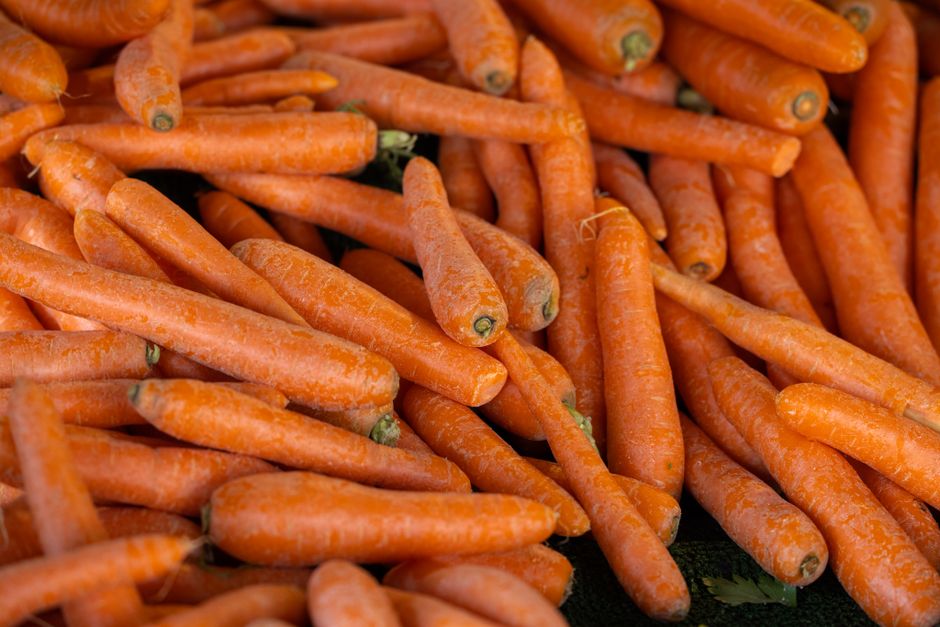
The bright orange carrot sitting in your refrigerator is a relatively modern invention. For thousands of years, carrots were predominantly purple, with some yellow and white varieties scattered across ancient farms. The transformation to today's ubiquitous orange carrot happened through deliberate cultivation, political symbolism, and agricultural innovation during the 1600s. This colorful history reveals how human preference and selective breeding can completely reshape the foods we take for granted.

The story of how carrots purple 17th century roots evolved into today's orange standard is one of the most interesting examples of agricultural transformation. It's a tale involving Dutch growers, royal houses, and the surprising fact that the vegetable we consider "normal" would have been unrecognizable to our ancestors just four centuries ago.

Key Takeaways

  • Purple carrots were the original wild variety, cultivated for over 5,000 years across Persia and surrounding regions before orange carrots existed.
  • Dutch growers in the 17th century developed the orange carrot through selective breeding, possibly to honor the House of Orange-Nassau.
  • The orange variety contained higher levels of beta-carotene, making them more nutritious and sweeter than their purple ancestors.
  • Purple carrots still exist today and are making a comeback in specialty markets due to their unique anthocyanin antioxidants.
  • The color change wasn't instantaneous—it took decades of careful cultivation to stabilize the orange variety.
  • Ancient carrots were often bitter and tough, quite different from the sweet, crunchy vegetables we enjoy today.

The Ancient Origins of Carrots Purple 17th Century Ancestors

1. Wild Purple Carrots Originated in Modern-Day Afghanistan

The earliest carrots grew wild in what is now Afghanistan and the surrounding Central Asian region approximately 5,000 years ago. These original carrots were thin, tough, and predominantly purple or sometimes white. Unlike the sweet vegetables we know today, these ancient roots were often bitter and fibrous, closer to wild parsnips in texture. Early cultivators valued them primarily for their aromatic seeds and leaves rather than the roots themselves, which required significant preparation to become palatable.

2. Purple Pigments Come From Anthocyanins

The deep purple color of ancient carrots results from anthocyanins, the same pigments that give blueberries, red cabbage, and eggplants their distinctive hues. These compounds serve as powerful antioxidants and were accidentally selected by early farmers who simply saved seeds from the most vigorous plants. The purple pigmentation often concentrated in the outer layers of the root, with some varieties displaying yellow or white cores beneath the colorful exterior.

3. Persian Cultivation Spread Purple Carrots Westward

Persian farmers were among the first to seriously cultivate carrots as a food crop around the 10th century. They developed improved varieties that were less bitter and more substantial than their wild ancestors. As trade routes expanded, these purple and yellow carrots traveled westward through the Arab world into North Africa and eventually reached Spain and the rest of Europe by the 14th century. The vegetable remained predominantly purple throughout this entire journey.

4. Medieval Europeans Considered Carrots Exotic

When purple carrots first arrived in medieval Europe, they were considered somewhat exotic and were not immediately popular. Many Europeans initially grew them more as medicinal plants than food staples. Historical records show that carrots were prescribed for various ailments, and their seeds were valued for digestive remedies. The roots themselves were often fed to livestock before humans fully embraced them as a culinary ingredient.

5. Yellow and White Varieties Existed Alongside Purple

Purple wasn't the only color available before the orange revolution. Yellow and white carrots grew in various regions, with each color resulting from different combinations of pigments. White carrots lacked both anthocyanins and carotenoids, while yellow varieties contained some carotenoids but not the high concentrations found in later orange types. Farmers in different regions developed preferences for specific colors based on taste, storage qualities, and local traditions.

6. The Dutch Golden Age Transformed Carrot Breeding

During the 17th century Dutch Golden Age, the Netherlands became a powerhouse of agricultural innovation and global trade. Dutch farmers and botanists systematically worked to improve many crops, including carrots. They possessed both the agricultural expertise and the economic motivation to develop new varieties that would store better, taste sweeter, and appeal to expanding markets. This period of intense horticultural experimentation set the stage for the orange carrot's emergence.

7. Orange Carrots Emerged Through Selective Breeding

The orange carrot developed through patient selective breeding, likely starting from yellow varieties that occasionally produced mutant offspring with higher carotenoid levels. Dutch growers noticed these orange specimens and deliberately saved their seeds, crossing them with other promising plants over multiple generations. The process took decades to stabilize, gradually increasing both the intensity of the orange color and the sweetness of the roots. By the late 1600s, reliably orange carrots had become established.

8. The House of Orange Connection Remains Debated

A popular story claims Dutch growers developed orange carrots specifically to honor William of Orange and the Dutch royal House of Orange-Nassau. While this makes for compelling trivia, historians debate whether this was genuine motivation or a convenient coincidence. What's certain is that orange carrots did become associated with Dutch national pride during a period when the House of Orange held significant cultural importance. Whether cause or effect, the connection helped popularize the new variety.

9. Beta-Carotene Made Orange Carrots Nutritionally Superior

Orange carrots contain exceptionally high levels of beta-carotene, which the human body converts into vitamin A. This made them significantly more nutritious than their purple predecessors, which contained anthocyanins but far less beta-carotene. One medium orange carrot can provide more than 200 percent of the daily recommended vitamin A intake. This nutritional advantage, though not understood in the 17th century, helped the orange variety thrive once modern nutrition science revealed its benefits.

10. Sweetness Gave Orange Varieties a Competitive Edge

Beyond color, the new orange carrots tasted noticeably sweeter than most purple varieties. This sweetness came from higher sugar content that developed alongside the increased carotenoids. European palates preferred the milder, sweeter flavor, and farmers could charge premium prices for the improved taste. The combination of better flavor, attractive color, and superior storage qualities meant orange carrots rapidly displaced their purple cousins in commercial cultivation.

11. Purple Carrots Nearly Disappeared by the 19th Century

As orange carrots gained popularity throughout the 18th and 19th centuries, purple varieties nearly vanished from European and American farms. Most commercial growers abandoned them entirely in favor of the more marketable orange type. Purple carrots survived primarily in isolated regions of Asia and the Middle East, where traditional farming practices preserved ancient varieties. For nearly two centuries, most Western consumers never saw a purple carrot.

12. Modern Purple Carrots Are Heirloom Revivals

The purple carrots appearing in today's farmers markets and specialty stores represent a revival of heirloom varieties, some preserved for centuries in seed banks and traditional farms. Plant breeders have also created new purple varieties by crossing old purple types with modern orange carrots, combining the appealing anthocyanin pigments with improved sweetness and texture. These contemporary purple carrots taste significantly better than their ancient ancestors, thanks to centuries of breeding improvements.

13. Different Colors Offer Different Antioxidants

Each carrot color provides a unique nutritional profile. Purple carrots deliver anthocyanins with anti-inflammatory properties. Orange carrots excel in beta-carotene for eye health and immune function. Yellow carrots contain lutein, beneficial for vision. White carrots offer fiber without strong pigments. Red carrots provide lycopene, the same antioxidant found in tomatoes. This diversity means eating rainbow-colored carrots delivers a broader spectrum of beneficial compounds than sticking to orange alone.

14. Commercial Farming Standardized on Orange

Throughout the 20th century, commercial agriculture overwhelmingly standardized on orange carrots. Industrial farming favored varieties that grew uniformly, shipped well, and met consumer expectations for what a "normal" carrot should look like. This standardization was so complete that multiple generations grew up believing carrots were naturally orange, unaware of the vegetable's colorful past. Seed catalogs and agricultural colleges focused almost exclusively on improving orange varieties.

15. Heritage Seed Preservation Saved Purple Varieties

Organizations dedicated to preserving agricultural biodiversity maintained small stocks of purple, yellow, white, and red carrot seeds throughout the 20th century. Institutions like seed banks and heritage farming groups recognized that genetic diversity represented valuable insurance against crop diseases and changing growing conditions. Their preservation efforts ensured that when consumer interest in heirloom vegetables revived in recent decades, purple carrots could return from near-extinction.

16. The 21st Century Rainbow Carrot Renaissance

Consumer interest in colorful, heirloom vegetables has sparked a genuine renaissance for non-orange carrots. Farmers markets now regularly feature purple, yellow, white, and red varieties alongside traditional orange. Restaurants highlight rainbow carrots on upscale menus, and home gardeners seek out heritage seeds. This revival demonstrates how food trends can circle back, rediscovering agricultural diversity that nearly disappeared under industrial standardization.

17. Cooking Purple Carrots Reveals Hidden Colors

When you cook purple carrots, something surprising happens—the anthocyanin pigments leach into the cooking water, often revealing yellow or orange cores beneath. Roasting concentrates their earthy, slightly peppery flavor, distinctly different from the straightforward sweetness of orange carrots. Some chefs prefer using them raw to preserve their striking color in salads and crudités. This culinary versatility adds to their appeal for adventurous cooks rediscovering these ancient vegetables.

Comparing Carrot Varieties Across History

Variety Historical Period Primary Pigment Taste Profile
Wild Purple Ancient (5,000+ years ago) Anthocyanins Bitter, tough, fibrous
Cultivated Purple Medieval (10th-16th century) Anthocyanins Earthy, less bitter
Yellow Medieval to present Lutein, low carotenoids Mild, slightly sweet
Orange 17th century to present High beta-carotene Sweet, crisp, mild
Modern Purple 21st century revival Anthocyanins + improved breeding Earthy, peppery, sweet

The Agricultural Science Behind Color Changes

Selective breeding works by identifying desirable traits in individual plants and saving their seeds for the next generation. When Dutch farmers noticed occasional orange-tinged carrots among their yellow varieties, they recognized something valuable. By repeatedly selecting the most orange offspring and crossing them together, they gradually concentrated the genes responsible for carotenoid production. This process mirrors how dog breeds developed from wolves—patient human selection amplifying natural genetic variation.

The genetic mutations that enabled orange carrots involved changes to genes controlling carotenoid synthesis pathways. Wild carrots produce some carotenoids, but mutations that increased production or changed which specific carotenoids accumulated created the orange phenotype. Modern genetic studies have identified the specific genes involved, confirming that orange carrots represent a genuine genetic shift from their purple ancestors rather than just environmental variation.

Temperature, soil conditions, and growing season length all influence carrot color intensity. Even within the same variety, carrots grown in cooler conditions often develop deeper, more intense pigmentation. This environmental sensitivity meant early breeders needed multiple growing seasons to determine whether color traits would breed true or simply reflected temporary growing conditions. The stabilization of reliably orange carrots required testing across different climates and seasons.

Frequently Asked Questions

Are purple carrots healthier than orange carrots?

Both offer distinct health benefits rather than one being universally "healthier." Purple carrots provide anthocyanins with anti-inflammatory properties, while orange carrots deliver more beta-carotene for vitamin A. Eating a variety of colors provides the broadest nutritional benefits.

Can you still buy purple carrots today?

Yes, purple carrots are increasingly available at farmers markets, specialty grocery stores, and through online seed catalogs for home gardeners. They're no longer rare, though they remain less common than standard orange varieties in conventional supermarkets.

Do purple carrots taste different from orange ones?

Purple carrots typically have a slightly earthier, sometimes peppery flavor compared to the straightforward sweetness of orange carrots. Modern purple varieties bred for flavor are much sweeter than their ancient ancestors, but still taste distinctly different from orange types.

Why did orange carrots become so dominant worldwide?

Orange carrots combined superior sweetness, attractive appearance, better storage qualities, and higher nutritional value in ways that appealed to both farmers and consumers. Once established, they became the commercial standard, and subsequent breeding efforts focused exclusively on improving orange varieties, creating a self-reinforcing cycle of dominance.

The next time you crunch into an orange carrot, remember you're eating a vegetable that would have been completely foreign to anyone living before the 1600s. The humble carrot's transformation from purple to orange represents one of agriculture's quiet revolutions—a reminder that even our most familiar foods have surprising histories waiting to be discovered.