









1 / 10 Questions
0 Points

Which President Put A Bowling Alley Inside The White House?

Franklin D. Roosevelt

John F. Kennedy

Harry Truman

Dwight Eisenhower

Points won
0
Correct score
0%

More Quizzes

More Articles

The Evolution of TV Storytelling

The Evolution of TV Storytelling

⏱️ 5 min read

Television has undergone a remarkable transformation since its inception, evolving from simple broadcasts to complex narrative experiences that rival cinema in scope and ambition. The medium has progressed through distinct eras, each characterized by unique storytelling approaches, technical innovations, and shifting audience expectations. Understanding this evolution reveals not only how entertainment has changed but also how society's relationship with visual storytelling has fundamentally shifted over the decades.

The Golden Age: Establishing Television Narrative

The 1950s marked television's first golden age, where live anthology dramas dominated the airwaves. Programs like "Playhouse 90" and "The Twilight Zone" established television as a legitimate storytelling medium, featuring self-contained episodes with beginning, middle, and end structures. Writers such as Rod Serling and Paddy Chayefsky brought theatrical sensibilities to the small screen, creating sophisticated narratives that addressed social issues within the constraints of limited budgets and technology.

During this era, storytelling remained largely episodic, with minimal character development across episodes. This format suited the medium's limitations and viewing habits, as audiences couldn't reliably catch every episode. Each installment needed to stand alone, creating a template that would dominate television for decades.

Serialization and the Soap Opera Model

While primetime television maintained its episodic structure, daytime soap operas pioneered serialized storytelling throughout the 1960s and 1970s. These programs demonstrated that audiences would follow ongoing narratives across multiple episodes and even years. The soap opera format introduced several innovations that would later influence prestige television:

  • Cliffhanger endings that ensured viewers returned
  • Multiple interconnected storylines running simultaneously
  • Long-term character development and relationship evolution
  • Seasonal story arcs that played out over extended periods

Despite their cultural dismissal as lowbrow entertainment, soap operas proved that television audiences possessed the attention span and commitment for complex, ongoing narratives.

The Procedural Era and Formulaic Comfort

The 1970s through 1990s saw the dominance of procedural dramas and sitcoms that perfected the episodic formula. Shows like "Law & Order," "ER," and "The X-Files" balanced self-contained case-of-the-week stories with subtle character development and occasional mythology episodes. This approach maximized syndication potential while allowing casual viewers to jump in at any point.

Sitcoms during this period refined the three-camera setup and laugh track formula, creating comfort viewing that required minimal investment. Programs like "Cheers," "Seinfeld," and "Friends" occasionally experimented with continuity but generally reset to baseline by each episode's conclusion. This reliability became both television's strength and limitation, creating predictable but satisfying viewing experiences.

The HBO Revolution: Television as Prestige Medium

The late 1990s and early 2000s witnessed a seismic shift when premium cable networks, particularly HBO, embraced serialized storytelling with cinematic production values. "The Sopranos," premiering in 1999, fundamentally altered television's possibilities by presenting morally complex characters, ambiguous narratives, and film-quality production within an ongoing serial format.

This revolution introduced several paradigm shifts in TV storytelling. Antiheroes became acceptable protagonists, allowing for nuanced character studies that rejected simple moral frameworks. Season-long story arcs replaced episodic structures, requiring viewers to watch episodes in sequence. Showrunners emerged as auteurs with creative control comparable to film directors, bringing unified visions to entire series.

Programs like "The Wire," "Mad Men," and "Breaking Bad" built upon this foundation, creating narratives that demanded active viewing and rewarded close attention. These shows demonstrated that television could sustain complex themes, literary symbolism, and sophisticated storytelling across multiple seasons.

The Streaming Era and Binge-Watching Culture

Netflix's decision to release entire seasons simultaneously, beginning with "House of Cards" in 2013, transformed how stories could be structured for television. Binge-watching culture enabled storytellers to craft narratives as extended films rather than discrete episodes. This shift allowed for:

  • Slower pacing without concern for week-to-week audience retention
  • More subtle foreshadowing and callbacks across episodes
  • Cliffhangers placed at strategic points rather than every episode ending
  • Visual and thematic consistency across entire seasons

Shows like "Stranger Things," "The Crown," and "Ozark" were designed for marathon viewing, with narrative structures that flow continuously rather than resetting between episodes. This approach created immersive experiences but also changed audience expectations and engagement patterns.

Limited Series and Anthology Revival

The streaming era has also revitalized anthology formats and popularized limited series as distinct storytelling vehicles. Programs like "True Detective," "Fargo," and "The Queen's Gambit" offer complete narratives with defined endpoints, combining the depth of serialized television with the narrative closure of film.

This format attracts prestigious talent willing to commit to projects with clear conclusions rather than open-ended runs. It also allows for experimental storytelling without the pressure of sustaining narratives across multiple seasons or establishing franchise potential.

Contemporary Innovations and Future Directions

Modern television continues to evolve, incorporating interactive elements, non-linear narratives, and hybrid formats that blend episodic and serialized approaches. Shows increasingly employ novelistic techniques, including unreliable narrators, time-shifting structures, and multiple perspective storytelling.

The distinction between television and film continues to blur, with production budgets and talent pools becoming comparable. Streaming platforms' global reach has also diversified storytelling perspectives, bringing international narrative traditions to wider audiences and challenging Western-centric approaches to television structure.

As technology advances and viewing habits continue fragmenting, television storytelling will likely become even more diverse and experimental. The medium has proven its capacity for constant reinvention, adapting to new technologies and audience expectations while maintaining its fundamental power to tell compelling stories that resonate across cultures and generations.
Top 10 Most Colorful Natural Phenomena

Top 10 Most Colorful Natural Phenomena

⏱️ 7 min read

Nature's palette extends far beyond the ordinary greens of forests and blues of oceans. Around the world, extraordinary natural phenomena paint the skies, waters, and landscapes with breathtaking displays of color that seem almost too vivid to be real. These stunning spectacles result from unique combinations of atmospheric conditions, geological formations, biological processes, and the interplay of light with various elements. From dancing lights in polar skies to rainbow-colored mountains, these natural wonders remind us of the incredible beauty and complexity of our planet.

The World's Most Spectacular Color Displays in Nature

1. Aurora Borealis and Aurora Australis

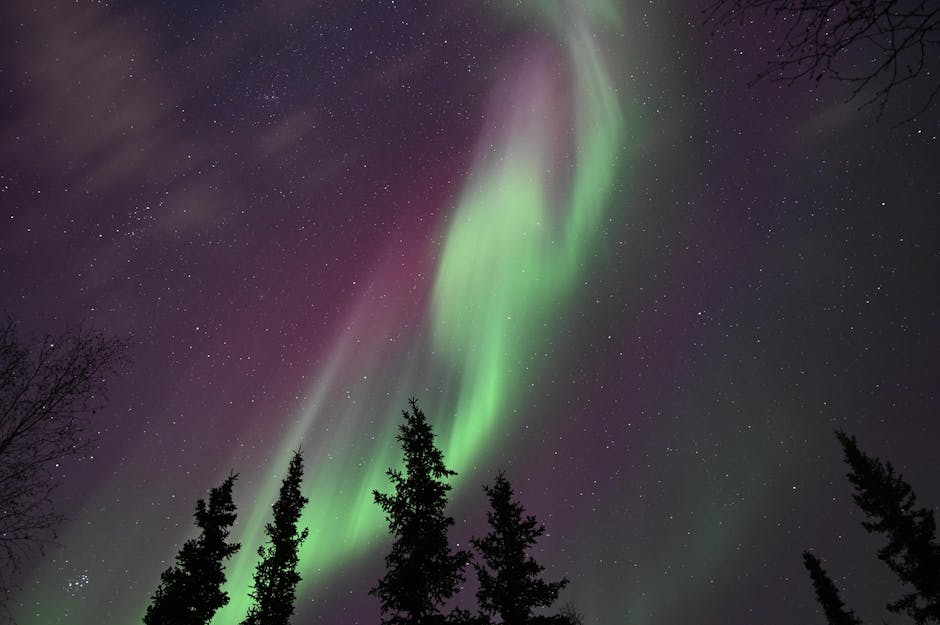
The Northern and Southern Lights represent one of nature's most mesmerizing color shows. These ethereal displays occur when charged particles from the sun collide with gases in Earth's atmosphere, creating waves of green, pink, purple, blue, and red light that dance across the night sky. The most common color is a luminous green, produced when solar particles strike oxygen molecules at lower altitudes. Rarer red auroras occur at higher altitudes, while nitrogen produces blue and purple hues. These celestial performances are best viewed near the magnetic poles, with locations like Iceland, Norway, Alaska, and Antarctica offering prime viewing opportunities.

2. Rainbow Mountains of Zhangye Danxia

Located in China's Gansu Province, the Zhangye Danxia landforms appear as though an artist painted the mountainsides with broad strokes of red, orange, yellow, green, and blue. This geological masterpiece formed over 24 million years as layers of different colored sandstone and minerals were deposited and then compressed. Oxidation of iron and trace minerals created the vibrant reds and yellows, while other minerals contributed greens and blues. Tectonic plate movement tilted these layers into dramatic angles, and erosion carved them into towering peaks and valleys, creating one of the most colorful landscapes on Earth.

3. Bioluminescent Bays and Beaches

Certain coastal waters around the world glow with an otherworldly blue light when disturbed, creating magical displays especially visible at night. This phenomenon results from bioluminescent dinoflagellates—microscopic organisms that emit light when agitated by movement. Places like Mosquito Bay in Puerto Rico, Vaadhoo Island in the Maldives, and various beaches in California host these glowing waters. The blue-green luminescence appears like underwater stars or electric currents, turning simple movements through water into trails of living light. Each wave that crashes produces a cascade of blue sparkles, while footsteps in wet sand leave glowing impressions.

4. Grand Prismatic Spring

Yellowstone National Park's Grand Prismatic Spring is the largest hot spring in the United States and one of the most photographed natural features on Earth due to its extraordinary rainbow coloring. The spring displays concentric rings of color radiating from a deep blue center through greens, yellows, oranges, and reds toward its edges. These colors result from heat-loving bacteria and microorganisms called thermophiles that thrive at different temperatures throughout the spring. The center remains blue due to its extreme heat, where no bacteria survive, allowing the water's natural color to show through. As temperatures decrease toward the edges, different bacterial communities create the spectacular color gradient.

5. Circumhorizontal Arc or Fire Rainbow

Despite its common name, this optical phenomenon is neither a rainbow nor related to fire. A circumhorizontal arc occurs when sunlight passes through ice crystals in high-altitude cirrus clouds at a specific angle, creating what appears as a rainbow painted across the sky. The display shows all spectral colors—red, orange, yellow, green, blue, and violet—in horizontal bands that can stretch across large portions of the sky. This rare event requires the sun to be at least 58 degrees above the horizon and properly oriented hexagonal ice crystals in the clouds. When conditions align perfectly, the result resembles brilliant flames of color stretched across the heavens.

6. Caño Cristales: The River of Five Colors

Located in Colombia, Caño Cristales has earned its title as "the most beautiful river in the world" and "the river that ran away from paradise." For a brief period between September and November, this river transforms into a flowing rainbow displaying red, pink, blue, yellow, orange, and green hues simultaneously. The spectacular colors come from a unique aquatic plant called Macarenia clavigera that covers the riverbed, turning brilliant red and pink. Combined with yellow sand, green algae, blue water, and black rocks, the river becomes a flowing kaleidoscope. The phenomenon only occurs when water levels are just right—too high and the colors are hidden, too low and the plants cannot thrive.

7. Volcanic Lightning or Dirty Thunderstorms

During explosive volcanic eruptions, brilliant purple, blue, and white lightning bolts can crackle through the ash plume, creating a spectacular and terrifying display. This phenomenon, known as volcanic lightning or dirty thunderstorms, occurs when rock fragments, ash, and ice particles in the volcanic plume collide and generate static electricity. The contrast between the bright electric discharges and the dark ash cloud, often illuminated by red and orange glows from molten lava, creates an apocalyptic yet beautiful scene. Famous examples include eruptions of Mount Sakurajima in Japan, Iceland's Eyjafjallajökull, and Chile's Calbuco volcano.

8. Morning Glory Clouds

These rare meteorological phenomena appear as long, rolling tubes of cloud that can stretch for hundreds of miles across the sky, often accompanied by circular wave patterns and multiple bands of white and gray. Morning Glory clouds are most reliably observed in northern Australia's Gulf of Carpentaria, particularly near Burketown. The clouds themselves show dramatic contrasts between their white, illuminated tops and darker undersides, while the sky around them may display various colors during sunrise or sunset. These formations can move at speeds up to 60 kilometers per hour and may appear as single clouds or in successive waves, creating mesmerizing patterns against colorful dawn skies.

9. Horsetail Fall's Firefall Effect

For approximately two weeks each February, if conditions are perfect, Horsetail Fall in Yosemite National Park transforms into what appears to be a flowing stream of molten lava or fire. This optical illusion occurs when the setting sun hits the waterfall at precisely the right angle, illuminating it with intense orange and red light. The effect requires adequate water flow from snowmelt, clear skies, and the sun's exact position during late winter. When all conditions align, the thin waterfall glows brilliant orange against the granite cliff face, creating one of nature's most photographed moments. The phenomenon lasts only about ten minutes and occurs just once annually under ideal circumstances.

10. Halemaumau Crater's Lava Lake

Hawaii's Kilauea volcano hosts one of the few persistent lava lakes on Earth, offering a window into our planet's fiery interior. The Halemaumau Crater displays an ever-changing palette of reds, oranges, and yellows as molten rock circulates within the lake. Fresh lava glows bright orange and yellow at temperatures exceeding 1,000 degrees Celsius, while cooling surfaces darken to deep red and black, creating a constantly shifting mosaic of color. At night, the crater illuminates the surrounding landscape and sky with an eerie red glow, while volcanic gases create blue flames when sulfur ignites. Steam and volcanic fog add layers of white and gray, contributing to the dramatic color display of one of nature's most powerful phenomena.

Nature's Endless Color Spectrum

These ten natural phenomena demonstrate that our planet is capable of producing color displays rivaling any human-created art. From the microscopic organisms lighting up tropical waters to massive geological formations painted across mountains, from atmospheric ice crystals creating sky rainbows to volcanic fury generating lightning in ash clouds, Earth offers an incredible variety of colorful spectacles. These wonders occur through diverse mechanisms—chemical reactions, light refraction, biological processes, and geological forces—yet all share the ability to inspire awe and remind us of nature's creative power. Witnessing these phenomena firsthand remains on many travelers' bucket lists, offering experiences that photographs, however stunning, cannot fully capture.