








1 / 10 Questions
0 Points

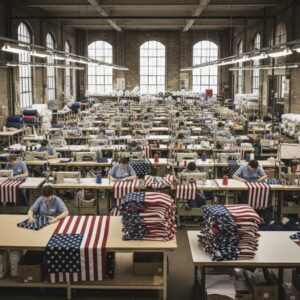
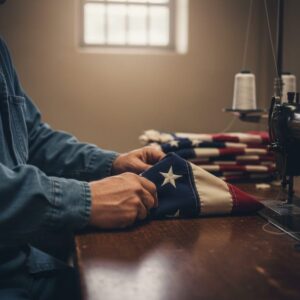
In what year did the 50-star American flag design officially become the U.S. flag after Hawaii achieved statehood?

1960

1961

1959

1958

Points won
0
Correct score
0%

More Quizzes

More Articles

Did You Know The First TV Commercial Aired in 1941?

Did You Know The First TV Commercial Aired in 1941?

⏱️ 5 min read

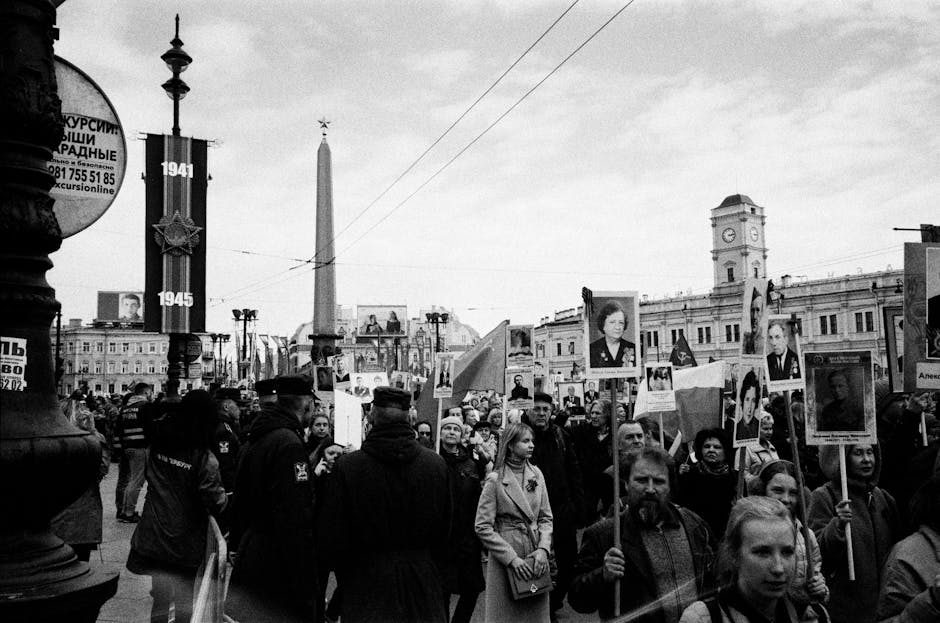
On July 1, 1941, television history was forever changed when Bulova Watch Company aired what is widely recognized as the first legal television commercial in the United States. This groundbreaking 10-second advertisement appeared before a baseball game between the Brooklyn Dodgers and Philadelphia Phillies on New York station WNBT (now WNBC). The simple ad featured a test pattern modified to display a clock face superimposed on a map of the United States, accompanied by the voiceover stating, "America runs on Bulova time." This watershed moment cost the company just $9 and reached approximately 4,000 television sets in the New York area, marking the beginning of what would become a multi-billion dollar advertising industry.

The Context of Television in 1941

To understand the significance of this first commercial, it's essential to recognize the state of television in 1941. Television was still in its infancy, with only a handful of stations broadcasting to limited audiences in major metropolitan areas. The Federal Communications Commission had just authorized commercial television broadcasting on July 1, 1941, the very same day the Bulova commercial aired. Prior to this date, television had been experimental, with stations prohibited from selling advertising time. The medium was expensive, sets were costly, and programming was sparse. Most Americans had never seen a television broadcast, let alone owned a television set.

The Technical Specifications of the Historic Ad

The Bulova commercial was remarkably simple by today's standards, but it represented cutting-edge technology for its time. The 10-second spot was filmed using a fixed camera position, showing a modified test pattern that incorporated the company's branding. The production quality was basic, with limited resolution and black-and-white imagery. The strategic placement before a baseball game was intentional, as sporting events were among the few programs that could attract viewers to this new medium. The commercial aired at 2:29 PM Eastern Time, just before the first pitch, ensuring maximum visibility among the available audience.

The Cost and Reach of Early Television Advertising

The $9 price tag for the Bulova commercial included both the airtime and production costs, a stark contrast to today's advertising rates where a 30-second Super Bowl commercial can cost millions of dollars. However, when adjusted for inflation and audience reach, the cost per viewer was actually quite expensive. The commercial reached approximately 4,000 television sets in the New York metropolitan area, though the actual number of viewers was likely higher, as multiple people often gathered around a single television set. Despite the limited reach, Bulova recognized the potential of this new medium and made a calculated investment in being first to market with television advertising.

The Impact on Advertising and Consumer Culture

The airing of this first commercial opened the floodgates for a new form of marketing that would fundamentally transform American consumer culture. Within months, other companies began purchasing airtime, and television advertising quickly became more sophisticated. The visual nature of television offered advertisers unprecedented opportunities to demonstrate products, create emotional connections, and build brand identity in ways that radio and print advertising could not match. This shift had profound implications for how products were marketed and how consumers made purchasing decisions.

Evolution of Television Commercials Through the Decades

Following the Bulova commercial, television advertising evolved rapidly. The 1950s saw the rise of sponsored programming, where single companies would sponsor entire shows, integrating their products into the content itself. The 1960s brought more creative storytelling and the development of advertising agencies that specialized in television. The 1970s and 1980s witnessed increasingly sophisticated production techniques, celebrity endorsements, and memorable jingles that became part of popular culture. By the 1990s and 2000s, computer-generated imagery and advanced editing techniques transformed commercials into mini-movies, while the rise of cable television created niche advertising opportunities.

Controversies and Debates About the First Commercial

While the Bulova commercial is widely recognized as the first legal television advertisement, some historians note earlier experimental commercials that aired before the FCC authorized commercial broadcasting. These pre-1941 advertisements existed in a gray area, broadcast during the experimental phase of television development. However, because they occurred before official commercial authorization, the Bulova ad maintains its status as the first legal television commercial. This distinction highlights the complex relationship between technological innovation, regulatory frameworks, and commercial enterprise in the development of mass media.

The Legacy of Television Advertising Today

The simple 10-second Bulova commercial planted the seeds for what has become a cornerstone of modern media economics. Today, television advertising generates hundreds of billions of dollars annually worldwide, supporting free and subscription-based programming across countless channels and streaming platforms. The basic model established in 1941—interrupting or surrounding content with commercial messages—remains dominant, though it faces challenges from digital advertising, streaming services, and ad-blocking technology. The evolution from that first static image and simple voiceover to today's sophisticated, data-driven advertising campaigns demonstrates how far the industry has come, while the fundamental principle of using television to reach mass audiences with commercial messages remains unchanged.

Lessons from Broadcasting History

The story of the first television commercial offers valuable insights into media innovation and commercial opportunity. Bulova's willingness to invest in an unproven medium with limited reach demonstrated forward-thinking marketing strategy. The company understood that being first could create lasting brand recognition and position them as innovators. This lesson remains relevant today as new media platforms and advertising opportunities emerge in the digital age. The 1941 commercial reminds us that every transformative technology begins with small, uncertain steps, and that early adopters willing to take calculated risks often reap significant rewards.
How to Purify Water in the Wild

How to Purify Water in the Wild

⏱️ 5 min read

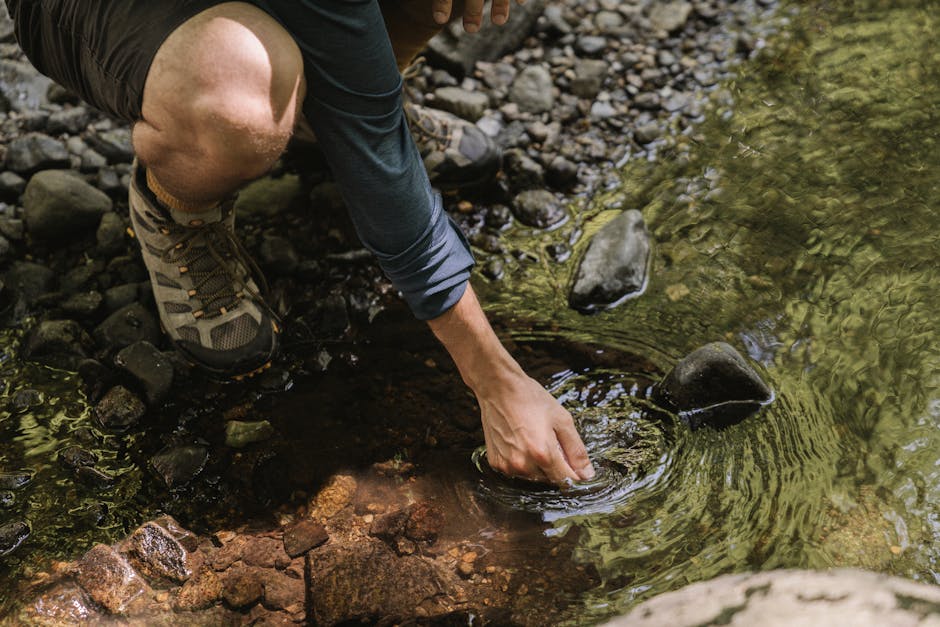
Access to clean drinking water is one of the most critical factors for survival in wilderness situations. While the human body can survive weeks without food, it can only last three to four days without water. However, drinking contaminated water from natural sources can lead to serious illnesses caused by bacteria, viruses, parasites, and chemical pollutants. Understanding various water purification methods can mean the difference between life and death in outdoor emergencies.

Understanding Water Contamination Risks

Natural water sources may appear crystal clear yet harbor invisible dangers. Streams, rivers, lakes, and ponds can contain harmful microorganisms such as Giardia lamblia, Cryptosporidium, E. coli, and various viruses. These pathogens originate from animal waste, decomposing organic matter, and upstream human activity. Even remote wilderness areas are not immune to contamination, as wildlife populations constantly introduce biological hazards into water systems.

Chemical contamination presents another concern, particularly in areas with agricultural runoff, industrial activity, or naturally occurring minerals. Heavy metals, pesticides, and other toxins require different treatment approaches than biological contaminants. Recognizing the potential threats in your environment helps determine which purification method to employ.

Boiling: The Most Reliable Method

Boiling remains the gold standard for water purification in survival situations. This method effectively eliminates all bacteria, viruses, and parasites without requiring special equipment beyond a heat source and container. The process is straightforward: bring water to a rolling boil and maintain that boil for at least one minute at elevations below 6,500 feet, or three minutes at higher elevations where water boils at lower temperatures.

The main advantage of boiling is its reliability and completeness. No microorganism can survive the sustained heat of boiling water. The disadvantages include fuel consumption, time requirements, and the need to wait for water to cool before drinking. Additionally, boiling does not remove chemical contaminants or improve taste, though it does eliminate biological threats entirely.

Boiling Tips for Maximum Effectiveness

  • Use a covered container to reduce boiling time and conserve fuel
  • Allow sediment to settle before boiling, then carefully pour off clearer water
  • Store boiled water in clean containers to prevent recontamination
  • Consider boiling extra water during meal preparation to maximize fuel efficiency

Chemical Purification Methods

Chemical treatments offer lightweight, portable solutions for water purification. The most common chemicals used are iodine and chlorine-based products, available as tablets, liquids, or crystals. These treatments work by oxidizing and destroying the cellular structure of microorganisms.

Chlorine dioxide tablets are particularly effective, eliminating bacteria, viruses, and even Cryptosporidium cysts that resist other chemical treatments. Treatment typically requires 30 minutes to four hours depending on water temperature and clarity. Colder and cloudier water demands longer contact times for complete purification.

Iodine solutions act faster than chlorine but leave a distinct taste and should not be used by pregnant women or individuals with thyroid conditions. Both chemical methods share common limitations: they add taste to water, require waiting periods, and may not eliminate all chemical pollutants. Pre-filtering water to remove sediment improves chemical treatment effectiveness.

Filtration Systems and Techniques

Mechanical filtration removes contaminants by forcing water through microscopic pores that trap particles, bacteria, and protozoa. Commercial filters designed for backcountry use typically feature pore sizes between 0.1 and 0.3 microns, small enough to capture most harmful organisms.

Pump filters, gravity filters, and squeeze filters each offer distinct advantages. Pump filters provide control and speed but require physical effort. Gravity filters allow hands-free operation, ideal for camps where multiple people need water. Squeeze filters offer ultralight portability for solo travelers.

Understanding filter limitations is crucial: most cannot remove viruses, which measure smaller than filter pores, though this poses minimal risk in North American wilderness. Filters also require maintenance, including backflushing and eventual cartridge replacement. Cold weather can damage filter elements if water inside freezes.

Improvised Filtration Methods

When commercial filters are unavailable, constructing improvised filters can remove larger particles and improve water clarity before applying other purification methods. A basic filter uses layers of materials with progressively finer textures: grass or fabric, sand, crushed charcoal, and fine sand. While this approach removes sediment and some larger organisms, it does not guarantee safe drinking water and must be combined with boiling or chemical treatment.

Ultraviolet Light Purification

UV purification devices use ultraviolet light to disrupt the DNA of microorganisms, rendering them unable to reproduce and cause infection. These battery-powered wands treat water in 60 to 90 seconds by stirring the device through one liter of water. UV treatment effectively eliminates bacteria, viruses, and protozoa without altering water taste.

The technology requires clear water for light penetration and depends on battery power, making it less reliable for extended wilderness trips. However, UV purifiers are excellent for ultralight travel and provide comprehensive microbial protection when conditions allow their use.

Solar Disinfection and Distillation

Solar disinfection, known as SODIS, uses UV radiation from sunlight to purify water. Fill clear plastic bottles with filtered water and place them in direct sunlight for six hours on sunny days or two consecutive days under cloudy conditions. This method costs nothing and requires no special equipment but demands time, sunshine, and suitable containers.

Solar distillation creates drinkable water through evaporation and condensation, capturing pure water vapor while leaving contaminants behind. Constructing a solar still requires plastic sheeting, a collection container, and a depression in the ground. While solar stills produce completely pure water, output is minimal—typically less than one liter per day—making this method best suited for emergency situations rather than regular water needs.

Selecting the Right Purification Strategy

The optimal purification method depends on circumstances, resources, and contamination risks. Carrying multiple options provides flexibility and redundancy. A combination approach—such as filtering followed by chemical treatment or boiling—offers maximum protection against diverse threats. Understanding and practicing various purification techniques before emergencies arise ensures competence when clean water becomes a survival necessity.