
⏱️ 5 min read
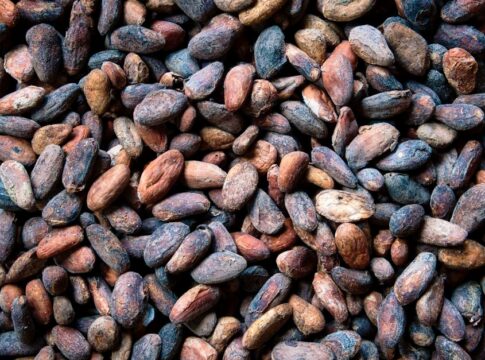
Long before paper bills and metal coins became the standard, ancient civilizations developed ingenious systems of currency based on the resources available to them. Among the most fascinating examples of commodity money comes from Mesoamerica, where the Aztec Empire utilized cacao beans—the same ingredient used to make chocolate—as a legitimate form of currency. This remarkable economic system reveals not only the sophistication of Aztec society but also the profound cultural significance of cacao in the ancient world.
The Economic Foundation of Aztec Society
The Aztec Empire, which flourished in central Mexico from the 14th to the 16th centuries, developed a complex economic system that facilitated trade across vast territories. Unlike modern economies that rely on fiat currency backed by government decree, the Aztecs implemented a commodity-based monetary system where the currency itself held intrinsic value. Cacao beans emerged as one of the primary mediums of exchange, alongside other items such as cotton cloaks, copper axes, and small bells.
The use of cacao beans as money was not arbitrary. These beans possessed several characteristics that made them ideal for currency: they were relatively scarce, highly valued across different social classes, portable, and could be counted easily. Additionally, cacao trees could only grow in specific tropical regions, which meant the supply was naturally limited and controlled, preventing excessive inflation that might devalue the currency.
The Value System and Exchange Rates
Historical records from Spanish conquistadors and indigenous codices provide remarkable insight into the purchasing power of cacao beans in Aztec society. According to colonial-era documents, a single cacao bean could purchase a tamale, while thirty beans might buy a small rabbit. A turkey cost approximately one hundred cacao beans, and a slave could be purchased for as many as one hundred beans, though prices varied depending on the individual’s skills and attributes.
The Aztecs maintained sophisticated exchange rates between different forms of currency. For example:
- One small cotton cloak equaled approximately 65 to 100 cacao beans
- A canoe filled with fresh water for drinking cost one cacao bean
- An avocado cost three cacao beans
- A large tomato could be purchased for a single bean
These standardized values demonstrate the advanced economic thinking present in Aztec civilization and their ability to maintain relative price stability across their empire.
Counterfeiting and Quality Control
As with any valuable currency, the use of cacao beans as money attracted counterfeiters. Enterprising criminals would remove the valuable interior of cacao beans and refill the shells with dirt or avocado skin, creating counterfeit currency that appeared genuine at first glance. This early form of monetary fraud forced merchants and traders to develop inspection techniques to verify the authenticity of cacao beans before accepting them as payment.
The existence of counterfeiting also led to a quality grading system for cacao beans. Premium beans from certain regions commanded higher values, while lower-quality beans were worth less. This differentiation added another layer of complexity to the monetary system and reflected the Aztecs’ understanding of quality variations in natural commodities.
Beyond Currency: The Cultural Significance of Cacao
While cacao beans served practical monetary functions, they held far deeper cultural and spiritual significance in Aztec society. The Aztecs believed that cacao was a gift from Quetzalcoatl, the feathered serpent god, who brought the cacao tree to humanity from paradise. This divine association elevated cacao beyond mere commerce into the realm of sacred ritual and social prestige.
Wealthy nobles and members of the elite consumed chocolate beverages during ceremonies and celebrations. The drink, prepared very differently from modern hot chocolate, was often bitter, frothy, and sometimes mixed with spices, vanilla, or chili peppers. Cacao consumption became a status symbol, as common people typically could not afford to drink their money—they needed it for essential purchases.
Taxation and Tribute Systems
The Aztec Empire’s expansion created a vast tribute system where conquered territories were required to pay taxes to the capital city of Tenochtitlan. Cacao beans featured prominently in these tribute payments. Some regions paid their annual tribute entirely in cacao beans, with certain provinces required to deliver hundreds of thousands of beans each year.
This tribute system helped maintain the money supply throughout the empire while ensuring that cacao beans flowed from the tropical regions where they grew to the highland areas where they became currency. The Aztec administration maintained detailed records of tribute obligations, demonstrating sophisticated governmental accounting practices that rivaled contemporary European systems.
The Legacy of Cacao Currency
The Spanish conquest of the Aztec Empire in the early 16th century eventually led to the decline of cacao as currency. The conquistadors introduced European monetary systems based on gold and silver coins. However, cacao beans continued to be used as small change in some Mexican regions for decades after the conquest, gradually fading from use as colonial economic structures took hold.
The historical use of cacao beans as money demonstrates the innovative economic thinking of pre-Columbian civilizations and challenges assumptions about the sophistication of ancient American societies. This system functioned effectively for centuries, facilitating trade, enabling taxation, and supporting a complex economy that sustained millions of people across Mesoamerica.
Today, cacao remains economically important in many regions where it once served as currency, though now valued for chocolate production rather than monetary exchange. The story of Aztec cacao currency reminds us that money takes many forms throughout history, and that value is ultimately determined by cultural agreement and practical utility rather than any inherent property of the currency itself.