











1 / 10 Questions
0 Points

Which Breakfast Cereal Features A Toucan On The Box?

Cocoa Puffs

Lucky Charms

Froot Loops

Cap'n Crunch

Points won
0
Correct score
0%

More Quizzes

More Articles

Did You Know Bananas Are Technically Berries?

Did You Know Bananas Are Technically Berries?

⏱️ 5 min read

The world of botanical classification often surprises us with revelations that challenge our everyday understanding of fruits and vegetables. One of the most fascinating examples involves the humble banana, a fruit found in kitchens worldwide. While most people confidently categorize bananas as simply "fruit," the scientific reality is far more intriguing: bananas are botanically classified as berries, while many fruits we commonly call berries actually aren't berries at all.

Understanding the Botanical Definition of a Berry

To comprehend why bananas qualify as berries, it's essential to understand what botanists mean when they use this term. In botanical terms, a berry is a fleshy fruit produced from a single flower containing one ovary. The fruit must develop from the ovary of the flower and contain seeds embedded within the flesh. Additionally, the entire ovary wall ripens into an edible pericarp, which is the part we consume.

This scientific definition differs dramatically from culinary usage, where the term "berry" typically describes small, juicy, colorful fruits that can be eaten whole. The botanical classification system follows strict reproductive and structural criteria, regardless of size, taste, or common usage in cooking.

Why Bananas Meet the Berry Criteria

Bananas fulfill all the botanical requirements for berry classification. The banana develops from a single flower with one ovary, and the entire ovary wall transforms into the edible flesh we enjoy. The tiny black specks visible in the center of a banana are actually undeveloped seeds, another characteristic feature of true berries.

The banana plant produces a large flower cluster, and each individual banana originates from a single flower within that cluster. As the fruit develops, the ovary wall thickens into three distinct layers: the outer peel, the edible flesh, and an inner layer closest to the seeds. This three-layered structure is characteristic of many berries and demonstrates the banana's proper classification within this botanical category.

Other Surprising True Berries

Bananas aren't alone in their surprising berry status. Several other common fruits share this botanical classification despite not fitting our culinary expectations:

  • Grapes: These at least align with popular understanding, as they're commonly called berries in everyday language
  • Tomatoes: Despite being used as vegetables in cooking, tomatoes are botanically classified as berries
  • Eggplants: These large vegetables are actually berries by botanical standards
  • Kiwis: The fuzzy exterior hides the fact that kiwis are true berries
  • Peppers: Both sweet bell peppers and hot chili peppers qualify as berries
  • Avocados: This creamy fruit meets all the criteria for berry classification
  • Watermelons and cucumbers: These are special types of berries called "pepos" with hardened outer rinds

Common "Berries" That Aren't Actually Berries

The confusion deepens when we discover that many fruits with "berry" in their common names fail to meet the botanical criteria. Strawberries, for instance, are classified as "aggregate accessory fruits" because they develop from a flower with multiple ovaries. The seeds visible on the outside of strawberries are actually individual fruits called achenes, and the red flesh we eat is enlarged receptacle tissue.

Raspberries and blackberries share a similar story. These fruits are aggregate fruits composed of many tiny drupelets, each developing from separate ovaries of a single flower. Botanically, they're classified as aggregate fruits rather than true berries.

Cherries, plums, and peaches belong to yet another category called drupes or stone fruits. These develop from a single ovary but have a hard stone or pit surrounding the seed, disqualifying them from berry status.

The Difference Between Botanical and Culinary Classifications

The disconnect between botanical and culinary terminology exists for practical reasons. Culinary classifications evolved based on taste, texture, cooking applications, and cultural traditions rather than plant reproductive structures. Chefs and home cooks categorize foods by how they're used in meals, leading to vegetables, fruits, and berries being grouped by practical rather than scientific criteria.

Botanical classification, conversely, serves scientific purposes related to plant evolution, genetics, and taxonomy. These systems help botanists understand plant relationships and evolutionary histories, providing crucial information for agricultural development and conservation efforts.

The Evolution of Seedless Bananas

Modern commercial bananas present an interesting wrinkle in the berry discussion. Wild bananas contain large, hard seeds that make them nearly inedible. Through centuries of selective cultivation, humans developed the seedless varieties we enjoy today. These bananas still contain tiny, undeveloped seed remnants, but they reproduce through vegetative propagation rather than sexual reproduction.

This seedless characteristic, while convenient for consumers, has created genetic uniformity in commercial banana crops. Most bananas sold worldwide belong to a single variety called Cavendish, making the entire crop vulnerable to diseases. This situation mirrors a previous banana variety extinction when the Gros Michel banana was decimated by Panama disease in the mid-twentieth century.

Why These Classifications Matter

Understanding botanical classifications may seem like academic trivia, but this knowledge has practical implications for agriculture, nutrition science, and biodiversity conservation. Accurate classification helps researchers study plant breeding, disease resistance, and nutritional properties. It also facilitates international trade regulations and agricultural policy development.

For consumers, recognizing the botanical nature of fruits enhances appreciation for the incredible diversity of plant reproduction strategies. It reminds us that scientific understanding often reveals unexpected connections and categories that challenge our assumptions about the natural world.

The next time you peel a banana, consider its remarkable botanical identity as a true berry—a classification that unites it with grapes and tomatoes while separating it from strawberries and raspberries. This simple fruit serves as a delicious reminder that nature's categories often surprise us when viewed through the lens of science.
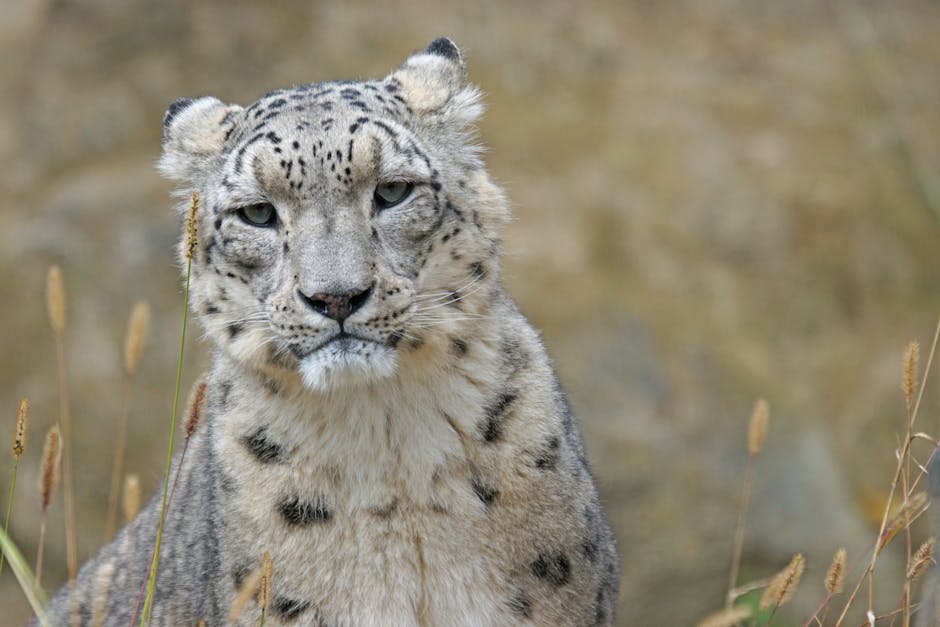
10 Rare Facts About Endangered Animals

10 Rare Facts About Endangered Animals

⏱️ 8 min read

The world's endangered species face unprecedented challenges, yet many aspects of their biology, behavior, and survival stories remain largely unknown to the general public. Beyond the familiar narratives of habitat loss and population decline lie remarkable adaptations, surprising ecological relationships, and inspiring conservation breakthroughs that deserve attention. These lesser-known facts reveal the complexity and wonder of species on the brink, offering fresh perspectives on why their preservation matters and how interconnected life on Earth truly is.

Remarkable Discoveries About Species on the Brink

1. The Vaquita's Extraordinary Genetic Resilience

The vaquita, the world's smallest and most endangered marine mammal, has fewer than 10 individuals remaining in Mexico's Gulf of California. Remarkably, genetic studies reveal that this porpoise has maintained low genetic diversity for thousands of years without showing typical signs of inbreeding depression. Scientists discovered that vaquitas naturally evolved with a small population size, developing genetic mechanisms that purge harmful mutations more efficiently than other species. This extraordinary resilience suggests that if threats like illegal gillnet fishing are eliminated, the remaining vaquitas could potentially rebuild their population despite their critically low numbers—a finding that has revolutionized conservation strategies for species with minimal genetic diversity.

2. Saola: The Asian Unicorn That Science Barely Knows

Discovered only in 1992 in the Annamite Mountains of Vietnam and Laos, the saola remains one of the world's most enigmatic large mammals. No biologist has ever observed a saola in the wild, and all knowledge comes from camera trap photos, local reports, and a few individuals that died shortly after capture. This critically endangered bovine, with its striking white facial markings and long, straight horns, is so rarely seen that scientists cannot accurately estimate its population size. The saola's extreme elusiveness demonstrates how even large mammals can remain nearly invisible in remote habitats, highlighting the possibility that other unknown species may exist undiscovered in threatened ecosystems.

3. Kakapo Parrots Smell Like Flowers and Honey

New Zealand's critically endangered kakapo, the world's only flightless parrot, emits a distinctive sweet, musty fragrance often described as resembling flowers and honey. This unusual trait, while endearing to conservationists working to save the species, actually represents a significant vulnerability. The kakapo evolved without mammalian predators, so this strong scent posed no threat until humans introduced rats, cats, and stoats to New Zealand. These predators can easily locate kakapos by smell, contributing to the species' decline. Today, intensive management has increased the population from just 51 birds in 1995 to over 200, with every individual named, tracked, and genetically managed—making it one of the most closely monitored species on Earth.

4. Pangolins Possess Unique Stomach Structures Without True Stomachs

Pangolins, the world's most trafficked mammals, have evolved a remarkable digestive adaptation: their stomach-like organ is lined with keratinous spines and uses ingested pebbles to grind food, similar to a bird's gizzard. These nocturnal, scale-covered mammals lack teeth entirely and have poorly developed stomach glands, relying instead on this muscular grinding chamber to process the ants and termites they consume—up to 70 million insects annually per individual. This specialized anatomy makes pangolins impossible to sustain in captivity on artificial diets, as they require specific insect species and conditions. The eight pangolin species face severe endangerment due to demand for their scales in traditional medicine and their meat as a luxury food item, with their unique biology making rehabilitation and captive breeding extremely challenging.

5. The Javan Rhino's Single Population Vulnerability

The Javan rhinoceros, with only 76 individuals remaining, exists entirely within a single location: Ujung Kulon National Park in Indonesia. This represents one of the most precarious situations in conservation—any single catastrophic event, such as a tsunami, volcanic eruption, or disease outbreak, could eliminate the entire species instantly. What makes this even more remarkable is that until 2010, a second population existed in Vietnam, but the last individual was killed by poachers. Scientists have debated establishing a second population elsewhere to reduce extinction risk, but the species' extreme rarity makes capturing individuals for translocation extraordinarily risky. This concentration of an entire species in one vulnerable location exemplifies the razor's edge many endangered animals occupy.

6. Axolotls Possess Extraordinary Regenerative Superpowers

The critically endangered axolotl, a salamander native to Mexico's Lake Xochimilco, can regenerate not just limbs but also parts of its heart, brain, and spinal cord without scarring. While many amphibians can regrow limbs, axolotls take this ability to unprecedented levels, capable of rebuilding complex organs and even accepting transplanted organs from other axolotls without rejection. Scientists study these remarkable creatures intensively for insights into human regenerative medicine, creating an ironic situation where millions exist in laboratories worldwide while wild populations have collapsed to perhaps fewer than 1,000 individuals. The axolotl's ability to remain in its larval form throughout life (neoteny) while still reaching sexual maturity adds another layer to its biological uniqueness.

7. The Spoon-Billed Sandpiper's Epic Migration Despite Tiny Size

The critically endangered spoon-billed sandpiper, weighing less than an ounce and fitting comfortably in a human palm, undertakes an annual migration of over 5,000 miles from Arctic Russia to Southeast Asia. What makes this journey extraordinary is that this tiny bird, with fewer than 500 individuals remaining, must time its stops perfectly at specific coastal mudflats to refuel. The loss of even a single stopover site due to coastal development can doom entire populations, as these birds lack the energy reserves to reach alternative locations. Conservation efforts now involve an international network protecting critical sites across eight countries, demonstrating how a single small species can unite diverse nations in collaborative conservation efforts spanning thousands of miles.

8. Mountain Gorillas Have Individual Nose Prints

Mountain gorillas, whose populations have remarkably increased from 620 individuals in 1989 to over 1,000 today, possess unique nose prints—similar to human fingerprints—that conservationists use for identification. The pattern of wrinkles and creases on each gorilla's nose remains constant throughout life, allowing researchers to track individuals without invasive tagging. This non-intrusive monitoring method has proven crucial in the species' recovery, enabling precise population counts and individual health tracking. The mountain gorilla's conservation success story stands as one of the few examples of a great ape species recovering from the brink, achieved through intensive anti-poaching efforts, veterinary interventions, and carefully managed ecotourism that gives local communities economic incentives to protect these gentle giants.

9. The Gharial's Bizarrely Specialized Snout Evolution

The critically endangered gharial, a crocodilian native to Indian river systems, possesses an extraordinarily long, narrow snout lined with over 100 interlocking teeth—an adaptation found in no other living crocodilian. This specialized anatomy evolved exclusively for catching fish in river currents, making the gharial so specialized that it cannot perform the death roll typical of other crocodilians and is largely helpless on land. Males develop a bulbous growth on their snout tip called a ghara (meaning "pot" in Hindi), used to create buzzing vocalizations and blow bubbles during mating displays. With fewer than 650 adults remaining, the gharial's decline stems partly from its extreme specialization—it requires deep, fast-flowing rivers with high fish populations and sandy riverbanks for nesting, habitat conditions increasingly rare in heavily developed South Asian waterways.

10. The Hirola Antelope's Mysterious Preorbital Gland Functions

The hirola, known as the world's most endangered antelope with fewer than 500 individuals in Kenya and Somalia, possesses remarkably large preorbital glands in front of each eye. While many antelope species have these glands, the hirola's are disproportionately developed and produce copious secretions used in complex social communication. Recent research suggests these secretions contain chemical compounds that may communicate individual identity, reproductive status, and even stress levels to other herd members. The hirola's decline, unprecedented among African antelopes, remains partially mysterious to scientists—while habitat loss and poaching play roles, the species has failed to recover even in protected areas, suggesting unknown ecological factors may be involved. Their social communication through preorbital gland secretions may be disrupted when populations fall below certain thresholds, potentially creating a feedback loop that accelerates decline.

Understanding Endangerment Through Hidden Details

These remarkable facts illuminate how endangered species represent not just numbers in decline but repositories of unique evolutionary solutions, biological mysteries, and ecological relationships developed over millions of years. From the vaquita's genetic resilience to the gharial's extreme specialization, each species faces extinction while harboring knowledge that science has only begun to understand. The axolotl's regenerative abilities could unlock medical breakthroughs, while the saola reminds us how much remains unknown even about large mammals. Conservation efforts increasingly recognize that saving endangered species requires understanding these intricate details—the kakapo's scent vulnerability, the spoon-billed sandpiper's migration dependencies, and the hirola's social communication needs all inform targeted protection strategies. As these ten facts demonstrate, every endangered species has stories yet untold, adaptations yet unstudied, and potential contributions to ecosystems and human knowledge that disappear forever when extinction occurs. The race to understand and protect these remarkable animals continues, with each discovery reinforcing why their survival matters beyond mere numbers.