











1 / 10 Questions
0 Points

What essential gas do plants release during photosynthesis?

Carbon dioxide

Oxygen

Nitrogen

Hydrogen

Points won
0
Correct score
0%

More Quizzes

More Articles

The Human Element Behind Scientific Progress

The Human Element Behind Scientific Progress

⏱️ 5 min read

Scientific progress is often portrayed as a linear march of discoveries, breakthrough technologies, and revolutionary theories. However, beneath every equation, experiment, and published paper lies a profoundly human story—one of collaboration, persistence, intuition, and even failure. Understanding the human element behind scientific advancement reveals not only how knowledge is created but also why certain discoveries emerge when they do and how the scientific enterprise continues to evolve.

The Role of Collaboration in Scientific Discovery

Modern science is increasingly a collaborative endeavor, with most significant breakthroughs resulting from teams rather than lone geniuses working in isolation. The discovery of the Higgs boson at CERN involved thousands of scientists from dozens of countries, while the sequencing of the human genome required international cooperation across multiple institutions. This collaborative nature reflects the complexity of contemporary scientific questions, which often require diverse expertise spanning multiple disciplines.

Collaboration brings together different perspectives, methodologies, and areas of expertise that no single researcher could possess. A biologist working alongside a computer scientist and a mathematician can approach problems from angles that would be impossible for any individual working alone. These interdisciplinary partnerships have become essential for tackling challenges like climate change, disease prevention, and sustainable energy development.

Creativity and Intuition in Scientific Thinking

While science is grounded in rigorous methodology and empirical evidence, the initial spark of discovery often comes from creative thinking and intuition. Many groundbreaking scientific advances have resulted from researchers making unexpected connections or following hunches that contradicted conventional wisdom. Einstein's thought experiments, which helped him develop the theory of relativity, exemplify how imaginative thinking can lead to revolutionary insights.

Scientists must balance analytical rigor with creative problem-solving. When experiments fail to produce expected results, researchers need imagination to reframe questions, design new approaches, or recognize patterns that others might dismiss. This creative aspect of science is rarely captured in published papers but remains crucial to the discovery process.

Failure as a Foundation for Progress

The scientific method inherently involves failure. Hypotheses are disproven, experiments yield unexpected results, and years of work can lead to dead ends. However, these failures are not merely setbacks but essential components of scientific progress. Thomas Edison famously conducted thousands of unsuccessful experiments before developing a practical incandescent light bulb, viewing each failure as valuable information about what wouldn't work.

Contemporary science culture is increasingly recognizing the importance of sharing negative results and failed experiments. Traditional publishing has favored positive findings, creating a publication bias that can mislead other researchers and result in wasted resources as multiple teams unknowingly pursue the same unsuccessful approaches. Efforts to document and share failures help the scientific community learn from setbacks and redirect resources more efficiently.

Mentorship and Knowledge Transfer

The transmission of scientific knowledge extends beyond textbooks and journal articles. Experienced researchers mentor younger scientists, passing along not just technical skills but also the subtle judgment, intuition, and practical wisdom that comes from years of laboratory work. This apprenticeship model has been fundamental to scientific training for centuries.

Mentorship relationships shape how future generations of scientists approach problems, design experiments, and think about their field. A supportive mentor can help a struggling graduate student persist through challenges, while poor mentorship can drive talented individuals away from scientific careers. The quality of these human relationships significantly impacts both individual career trajectories and the broader progress of scientific disciplines.

Cognitive Biases and Human Limitations

Scientists, being human, are subject to cognitive biases that can influence their work. Confirmation bias may lead researchers to favor data supporting their hypotheses while dismissing contradictory evidence. Authority bias can make established theories resistant to challenge, even when new evidence emerges. Recognition of these human tendencies has led to improved methodologies, including double-blind studies, pre-registration of hypotheses, and rigorous peer review processes.

The scientific community has developed mechanisms to mitigate individual biases through collective scrutiny. Peer review, replication studies, and open data sharing all serve to catch errors and challenge assumptions. However, these safeguards are only as effective as the humans implementing them, and ongoing vigilance is required to maintain scientific integrity.

Diversity and Inclusion in Scientific Communities

The composition of scientific communities affects what questions get asked, how problems are approached, and which solutions are prioritized. Historically, science has been dominated by a narrow demographic, but increasing diversity in terms of gender, ethnicity, cultural background, and socioeconomic status brings fresh perspectives and identifies blind spots in existing research.

Diverse teams have been shown to produce more innovative solutions and identify problems that homogeneous groups might overlook. For example, medical research has historically focused on male subjects, leading to gaps in understanding how diseases and treatments affect women differently. Increased participation by women in medical research has helped address these oversights. Similarly, including scientists from various cultural backgrounds can reveal assumptions embedded in research questions and methodologies that might otherwise go unexamined.

The Emotional Journey of Discovery

Scientific research is an emotional experience marked by excitement, frustration, doubt, and triumph. Researchers invest years pursuing questions whose answers remain uncertain. They experience the exhilaration of unexpected findings and the disappointment of failed experiments. The emotional resilience required to persist through years of uncertain outcomes is rarely discussed but remains central to scientific achievement.

Understanding the emotional dimensions of scientific work helps explain why some researchers persist while others leave the field. It also highlights the importance of supportive research environments, adequate funding, and recognition systems that sustain scientists through the inevitable challenges of their work. The human capacity for curiosity, wonder, and determination ultimately drives the pursuit of knowledge forward, transforming abstract questions into concrete understanding that benefits humanity.
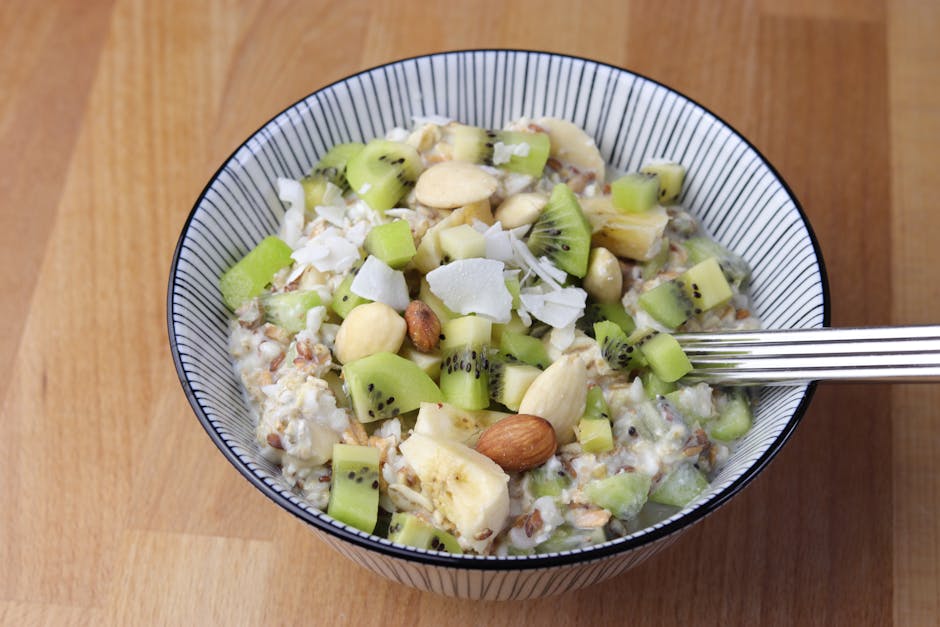
Top 10 Superfoods That Boost Your Immune System

Top 10 Superfoods That Boost Your Immune System

⏱️ 6 min read

A robust immune system serves as the body's primary defense against infections, diseases, and harmful pathogens. While genetics and lifestyle factors play crucial roles in immune function, nutrition remains one of the most powerful tools for strengthening the body's natural defenses. Certain foods, often called "superfoods," contain concentrated amounts of vitamins, minerals, antioxidants, and other beneficial compounds that can significantly enhance immune response. Understanding which foods provide the most substantial immune-boosting benefits enables individuals to make informed dietary choices that support long-term health and wellness.

Essential Superfoods for Optimal Immune Function

1. Citrus Fruits: Vitamin C Powerhouses

Citrus fruits stand as some of the most recognized immune-boosting foods due to their exceptional vitamin C content. Oranges, grapefruits, lemons, limes, and tangerines contain high concentrations of this essential nutrient, which increases the production of white blood cells—the body's primary infection-fighting agents. Vitamin C also functions as a powerful antioxidant, protecting cells from damage caused by free radicals. Since the human body cannot produce or store vitamin C, regular consumption of citrus fruits ensures consistent immune support. A single medium orange provides approximately 70 milligrams of vitamin C, nearly meeting the daily recommended intake for most adults.

2. Red Bell Peppers: Beta-Carotene and Vitamin C Combination

Red bell peppers contain nearly three times more vitamin C than an average orange, making them an exceptional choice for immune enhancement. Beyond vitamin C, these vibrant vegetables are rich in beta-carotene, which the body converts into vitamin A—a crucial nutrient for maintaining healthy skin and mucous membranes, the body's first line of defense against pathogens. Red bell peppers also contain vitamin E, another antioxidant that supports immune function. Their sweet flavor and versatile nature make them easy to incorporate into various dishes, whether consumed raw, roasted, or sautéed.

3. Broccoli: The Multi-Nutrient Immune Champion

Broccoli represents one of the most nutrient-dense vegetables available, packed with vitamins A, C, and E, along with numerous antioxidants and fiber. This cruciferous vegetable contains sulforaphane, a compound with potent immune-modulating properties that has been studied for its ability to enhance the body's detoxification processes. The key to preserving broccoli's nutritional value lies in minimal cooking; steaming for short periods maintains the highest nutrient levels. Regular consumption of broccoli supports not only immune function but also digestive health, which plays a critical role in overall immunity since approximately 70% of immune cells reside in the gut.

4. Garlic: Ancient Medicine with Modern Immune Benefits

Garlic has been valued for its medicinal properties across civilizations for thousands of years. This pungent bulb contains allicin, a sulfur-containing compound that forms when garlic is crushed or chopped, which exhibits powerful antimicrobial and immune-enhancing properties. Research indicates that garlic can reduce the severity and duration of common colds while supporting the function of immune cells. Garlic also promotes cardiovascular health by helping to lower blood pressure and cholesterol levels. For maximum benefit, allow crushed garlic to sit for several minutes before cooking to activate its beneficial compounds.

5. Ginger: Anti-Inflammatory Immune Booster

Ginger contains gingerol, a bioactive compound responsible for much of its medicinal properties, including powerful anti-inflammatory and antioxidant effects. This root has been used in traditional medicine to treat various ailments, from nausea to chronic pain. When it comes to immune support, ginger helps reduce inflammation, which can impair immune response when chronic. It may also help decrease inflammatory markers and support the body's ability to fight infections. Fresh ginger can be incorporated into teas, smoothies, stir-fries, and soups, providing both flavor and substantial health benefits.

6. Spinach: Folate and Antioxidant Rich Greens

Spinach earns its superfood status through an impressive array of nutrients including vitamin C, numerous antioxidants, and beta-carotene, all of which enhance the infection-fighting capability of the immune system. This leafy green also provides folate, which helps the body produce new cells and repair DNA—essential processes for maintaining a healthy immune response. Spinach contains iron, crucial for the proper functioning of immune cells. Similar to broccoli, spinach retains more nutrients when cooked minimally; light steaming or consuming it raw in salads maximizes its nutritional benefits.

7. Yogurt with Live Cultures: Probiotic Immune Support

Yogurt containing live and active cultures, particularly those labeled with "live and active cultures" seals, provides beneficial bacteria that support gut health and, consequently, immune function. These probiotics help regulate the immune system and may reduce the duration and severity of respiratory infections. Greek yogurt offers the added benefit of higher protein content. Vitamin D-fortified yogurts provide additional immune support, as vitamin D helps regulate immune response and has been linked to reduced infection rates. Choose plain varieties to avoid added sugars that can suppress immune function, and add fresh fruits for natural sweetness and additional nutrients.

8. Almonds: Vitamin E for Cellular Protection

Almonds stand out as an excellent source of vitamin E, a fat-soluble antioxidant crucial for maintaining healthy immune function. While vitamin C often receives more attention, vitamin E is equally important for immune health, particularly as the body ages. A half-cup serving of almonds provides nearly 100% of the recommended daily amount of vitamin E. These nuts also contain healthy fats necessary for the absorption of fat-soluble vitamins. Additionally, almonds provide protein, fiber, and magnesium, supporting overall health and providing sustained energy throughout the day.

9. Turmeric: Curcumin's Immune-Modulating Properties

Turmeric contains curcumin, a compound with remarkable anti-inflammatory and immune-modulating properties that has been used in traditional medicine for centuries. Research demonstrates that curcumin can enhance antibody responses and support the regulation of immune cells. This golden spice also exhibits antiviral and antibacterial properties. For optimal absorption, consume turmeric with black pepper, which contains piperine—a natural substance that enhances curcumin absorption by up to 2,000%. Turmeric can be added to curries, soups, smoothies, or consumed as golden milk, a traditional beverage combining turmeric with warm milk and spices.

10. Green Tea: Antioxidant-Rich Immune Enhancer

Green tea is loaded with flavonoids and epigallocatechin gallate (EGCG), powerful antioxidants that enhance immune function. While black tea also contains antioxidants, green tea undergoes minimal processing, preserving higher levels of EGCG. This compound has been shown to enhance immune function and exhibits antiviral properties. Green tea also contains L-theanine, an amino acid that may aid in the production of germ-fighting compounds in immune cells. For maximum benefit, brew green tea at temperatures below boiling to preserve delicate antioxidants and avoid bitterness.

Building a Stronger Immune System Through Nutrition

Incorporating these ten superfoods into a balanced diet provides comprehensive support for immune function through multiple mechanisms—from increasing white blood cell production to reducing inflammation and supporting beneficial gut bacteria. The key to maximizing immune benefits lies in variety and consistency; consuming a diverse range of nutrient-dense foods ensures the body receives all necessary vitamins, minerals, and beneficial compounds. While no single food can prevent illness entirely, a diet rich in these immune-boosting superfoods, combined with adequate sleep, regular exercise, and stress management, creates a strong foundation for optimal immune health and overall wellness.