



7 Surprising Facts About Vanilla Bean Pollination
By Trivia Daily, Staff Writer — Published October 13, 2026
Table of Contents
- Key Takeaways
- Understanding Vanilla Bean Pollination and Its Natural Challenges
- The Revolutionary Hand-Pollination Technique
- Comparing Vanilla Production Regions
- Frequently Asked Questions
Most people know vanilla as the world's favorite ice cream flavor, but few realize that every vanilla bean exists because of an incredibly delicate pollination process. Vanilla bean pollination is one of the most labor-intensive agricultural practices on Earth, requiring human hands to complete what nature designed but rarely accomplishes on its own. The orchid that produces vanilla is notoriously difficult to pollinate naturally, creating a fascinating story that connects botany, history, and global economics.
This tropical vine orchid evolved alongside specific pollinators in its native habitat, but when cultivated elsewhere, it presents an almost impossible challenge. The result? A spice so valuable it's often called "black gold," with a pollination story that will change how you think about that bottle in your spice cabinet.
Key Takeaways
- Vanilla orchids can only be pollinated by a specific type of bee found in Mexico, making natural pollination nearly impossible in cultivation areas.
- More than 99% of commercial vanilla beans are hand-pollinated by human workers, a technique developed by a 12-year-old enslaved boy in 1841.
- Each vanilla flower blooms for only one day, creating an incredibly narrow window for pollination.
- The pollination process must be completed within 12 hours of the flower opening, or the opportunity is lost forever.
- A single vanilla vine can produce hundreds of flowers, but growers typically hand-pollinate only a fraction to ensure quality beans.
- The labor-intensive pollination process is a major reason vanilla is the second most expensive spice after saffron.
Understanding Vanilla Bean Pollination and Its Natural Challenges
Vanilla comes from orchids in the genus Vanilla, primarily Vanilla planifolia. These climbing vines produce delicate flowers with a unique structure that makes pollination exceptionally difficult. In the wild forests of Mexico and Central America, vanilla orchids evolved alongside a specific pollinator: the Melipona bee, a stingless bee species native to the region. This bee has the right size, behavior, and anatomy to navigate the flower's complex structure and transfer pollen successfully.
The problem emerged when Europeans brought vanilla to other tropical regions. Madagascar, Réunion, Tahiti, and other islands offered perfect growing conditions—warm, humid climates with rich soil. But they lacked the Melipona bee. Without this crucial pollinator, the orchids bloomed beautifully but produced no beans. For decades, vanilla cultivation outside Mexico seemed impossible, despite numerous attempts by colonial botanists and plantation owners.
The Revolutionary Hand-Pollination Technique
1. A 12-Year-Old Changed the Global Spice Trade
In 1841 on the island of Réunion, a young enslaved boy named Edmond Albius discovered a method to hand-pollinate vanilla orchids. Using a small stick or blade of grass, he learned to lift the rostellum—a thin membrane separating the male and female parts of the flower—and manually press the pollen onto the stigma. This simple but precise technique finally made commercial vanilla cultivation possible outside Mexico. Edmond's method is still used today across vanilla-growing regions worldwide, making him one of history's most impactful agricultural innovators, though he received no recognition or compensation during his lifetime.
2. The Flower Blooms for Just One Day
Vanilla orchid flowers are ephemeral beauties. Each blossom opens in the early morning and remains viable for only 8 to 12 hours. If pollination doesn't occur during this brief window, the flower wilts and drops, never to produce a bean. This creates enormous pressure for vanilla farmers, who must inspect their vines daily during the flowering season. Missing even a single day means losing potential harvest. The flowers don't all bloom simultaneously either—a single vine may produce flowers over several weeks, requiring constant vigilance and daily hand-pollination sessions.
3. Pollination Must Happen Before Noon
Timing matters tremendously in vanilla pollination. Growers typically complete hand-pollination in the morning, ideally before noon. The flowers are most receptive shortly after opening, and the heat of the afternoon can reduce pollination success rates. Experienced workers can pollinate between 1,000 and 2,000 flowers per day, moving methodically through the vanilla plantation with remarkable speed and precision. Each flower receives individual attention—a gentle lift of the rostellum, a careful press of pollen, and a move to the next bloom. This intimate, repetitive work defines vanilla cultivation in countries like Madagascar, which produces roughly 80% of the world's vanilla supply.
4. Growers Deliberately Limit Pollination for Quality
Here's something counterintuitive: vanilla farmers don't pollinate every flower that blooms. A healthy vanilla vine can produce hundreds of flowers during a season, but attempting to grow beans from all of them would exhaust the plant and produce inferior quality. Instead, experienced growers pollinate selectively, typically aiming for 8 to 12 beans per vine. This restraint allows the plant to channel its energy into fewer, higher-quality beans with better flavor concentration and size. It's agricultural quality control at its most hands-on, requiring farmers to balance maximum yield against optimal flavor.
5. The Pollination Rate Determines Global Vanilla Prices
Because hand-pollination is so labor-intensive, anything that disrupts this process affects global vanilla prices dramatically. Cyclones in Madagascar, labor shortages, or political instability can reduce pollination rates and subsequently slash vanilla bean production. Unlike mechanized crops, vanilla cannot be pollinated faster with technology—it still requires human hands, one flower at a time. This vulnerability creates price volatility that can swing from $50 to over $600 per kilogram depending on harvest conditions. The intimate connection between manual pollination and market economics makes vanilla unique among globally traded commodities.
6. Natural Pollination Still Occurs in Mexico
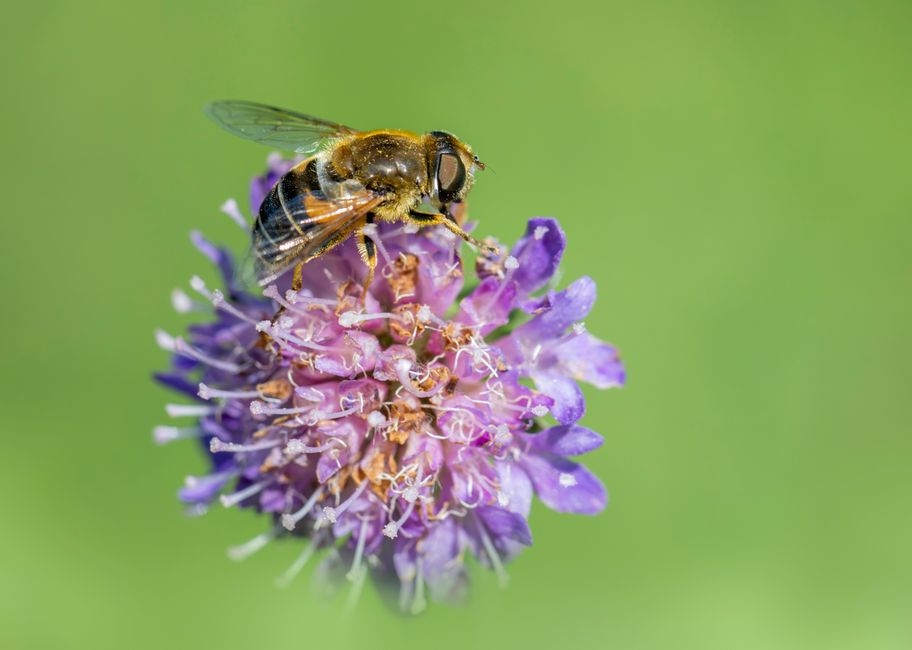
In vanilla's native Mexican habitat, natural pollination by Melipona bees still happens, though it's increasingly rare. Habitat loss, pesticide use, and declining bee populations have reduced natural pollination rates even in areas where the right pollinators exist. Some Mexican vanilla growers still rely partly on natural pollination, but most supplement with hand-pollination to ensure adequate yields. The survival of wild Melipona populations matters not just for vanilla but for the broader ecosystem—these bees pollinate numerous native plants and play crucial roles in tropical forest health.
7. Scientists Are Studying Alternative Pollination Methods
Researchers continue exploring ways to make vanilla pollination more efficient, though no breakthrough has replaced hand-pollination. Some experiments have attempted introducing Melipona bees to vanilla-growing regions outside Mexico, with limited success due to climate adaptation challenges and ecosystem concerns. Others have investigated whether other bee species or even mechanical devices could perform the delicate task. So far, the human hand remains unmatched in its ability to perform the gentle, precise movements required. This represents a rare case where biological complexity has resisted technological replacement, keeping vanilla cultivation a deeply human endeavor.
Comparing Vanilla Production Regions
| Region | Pollination Method | Approximate Share of Global Production | Notable Characteristics |
|---|---|---|---|
| Madagascar | Hand-pollination | ~80% | Bourbon vanilla; rich, creamy flavor profile |
| Mexico | Mixed natural and hand | ~2% | Original vanilla habitat; complex, spicy notes |
| Tahiti | Hand-pollination | ~1% | Different species; floral, fruity character |
| Indonesia | Hand-pollination | ~10% | Growing production; varied quality |
Frequently Asked Questions
Why can't vanilla orchids pollinate themselves?
Vanilla orchids have a physical barrier called a rostellum that separates the male and female reproductive parts, preventing self-pollination. This structure evolved to encourage cross-pollination by specialized pollinators, ensuring genetic diversity in wild populations.
How long does it take from pollination to harvest?
After successful pollination, vanilla beans require approximately 8 to 9 months to mature on the vine. They're harvested when still green and then undergo a lengthy curing process lasting several more months before becoming the dark, aromatic beans sold commercially.
Could robots eventually pollinate vanilla?
While theoretically possible, the delicate nature of vanilla flowers and the varied growing conditions make robotic pollination extremely challenging with current technology. The human ability to assess flower readiness and apply just the right pressure remains difficult to replicate mechanically.
Do all vanilla orchid flowers become beans?
No—only pollinated flowers develop into beans, and even then, not all successfully mature. Growers expect some natural drop-off, where developing beans fall from the vine due to stress, disease, or inadequate pollination. Success rates typically range from 50% to 80% of pollinated flowers actually producing harvestable beans.
The next time you enjoy vanilla's familiar comfort, remember the extraordinary human effort behind each bean. This orchid's stubborn reproductive biology transformed vanilla from a regional curiosity into a global commodity dependent on the skilled hands of workers who perform a daily botanical miracle, one flower at a time.