







































1 / 40 Questions
0 Points

What is the fear of long words called?

Hippopotomonstrosesquippedaliophobia

Arachnophobia

Glossophobia

Xenophobia

Points won
0
Correct score
0%

More Quizzes

More Articles

Why Team Chemistry Matters More Than Talent

Why Team Chemistry Matters More Than Talent

⏱️ 5 min read

In the world of professional sports, the debate between raw talent and team chemistry has long captivated coaches, analysts, and fans alike. While individual skill undeniably plays a crucial role in athletic success, countless examples throughout sports history demonstrate that even the most talented rosters can crumble without proper cohesion. The ability of teammates to work together harmoniously, communicate effectively, and trust one another often proves to be the deciding factor between championship glory and disappointing underachievement.

The Foundation of Collective Success

Team chemistry represents the intangible bond that connects players beyond their physical abilities and technical skills. It encompasses mutual respect, shared values, effective communication, and a collective commitment to common goals. When present, chemistry creates an environment where athletes anticipate each other's movements, cover for weaknesses, and elevate their collective performance beyond what individual statistics might suggest.

Research in sports psychology consistently shows that teams with strong interpersonal relationships perform better under pressure, recover more quickly from setbacks, and maintain consistency throughout grueling seasons. The psychological safety that comes from strong team chemistry allows players to take calculated risks, knowing their teammates will support them regardless of the outcome.

Historical Examples of Chemistry Triumphing Over Talent

The 2004 Detroit Pistons provide one of the most compelling examples in basketball history. Facing the heavily favored Los Angeles Lakers, who boasted four future Hall of Famers including Shaquille O'Neal and Kobe Bryant, the Pistons won the NBA Championship in five games. Detroit's roster featured no superstars but exemplified unselfish play, defensive intensity, and seamless coordination. Their chemistry transformed them into a defensive juggernaut that stifled individual brilliance through collective effort.

Similarly, Leicester City's miraculous 2015-2016 Premier League victory stands as a testament to chemistry over talent. With 5000-to-1 odds at the season's start, this modest club defeated teams with exponentially larger budgets and more celebrated players. Their success stemmed from extraordinary team unity, tireless work ethic, and unwavering belief in their collective system.

The Pitfalls of Talent Without Cohesion

Conversely, sports history is littered with "superteams" that failed to meet expectations due to poor chemistry. The interpersonal dynamics between players can create friction that undermines even the most impressive individual capabilities. When egos clash, playing styles conflict, or communication breaks down, talented rosters often underperform dramatically.

These failures typically share common characteristics:

  • Lack of clearly defined roles leading to confusion and overlap
  • Absence of accountability when individual interests supersede team goals
  • Poor communication creating misunderstandings and missed opportunities
  • Defensive vulnerabilities when players prioritize individual statistics over collective effort
  • Inability to adjust strategies when talent alone proves insufficient

The Science Behind Team Dynamics

Neuroscience research reveals that strong team bonds trigger oxytocin release, the hormone associated with trust and social bonding. This biological response enhances cooperation, reduces stress during competition, and improves decision-making under pressure. Teams with positive chemistry literally function better at a neurological level, with players processing information more efficiently and responding more instinctively to teammates' actions.

Furthermore, sports scientists have documented how synchronized teams develop what researchers call "collective flow states"—moments when groups perform at their absolute peak with seemingly effortless coordination. These states occur far more frequently in teams with established chemistry than in groups of talented individuals still learning to coexist.

Building and Maintaining Team Chemistry

Successful organizations recognize that chemistry doesn't develop accidentally. It requires intentional cultivation through specific practices and leadership approaches. Coaches and team management must prioritize chemistry-building activities alongside technical training.

Leadership and Cultural Establishment

Strong leadership sets the tone for team culture. Captains and veteran players who model selflessness, communication, and commitment create templates for others to follow. Organizations that carefully select players based on character and cultural fit—not just talent—tend to build more cohesive units.

Communication Protocols

Establishing clear, consistent communication channels allows teams to address conflicts quickly and constructively. Regular team meetings, open feedback sessions, and honest dialogues prevent small issues from festering into major problems. Teams that communicate effectively on and off the field develop the trust necessary for peak performance.

Shared Experiences and Adversity

Teams that overcome challenges together forge stronger bonds. Whether through demanding training sessions, community service projects, or surviving difficult stretches of a season, shared adversity creates unity that transcends individual backgrounds and abilities.

The Competitive Advantage of Chemistry

In an era where sports analytics dominate decision-making, team chemistry represents a competitive advantage that resists quantification. While metrics can measure individual performance, they struggle to capture the value of a player who elevates teammates, maintains locker room harmony, or sacrifices personal glory for team success.

Organizations that understand this reality make chemistry a central consideration in roster construction. They recognize that a slightly less talented player who fits seamlessly into team culture often contributes more to winning than a more skilled player who disrupts cohesion.

Long-Term Sustainability

Teams built on chemistry rather than solely on talent also demonstrate greater sustainability. While individual skills decline with age or injury, strong team cultures perpetuate themselves across roster changes. New players integrate more easily into established positive environments, and the institutional knowledge of how to work together gets passed down through generations of athletes.

The most successful sports dynasties share this characteristic: they maintain core cultural values and relationship patterns even as personnel changes occur. This continuity provides stability that pure talent-based approaches cannot match, creating organizations where winning becomes an expected outcome rather than a fortunate accident.
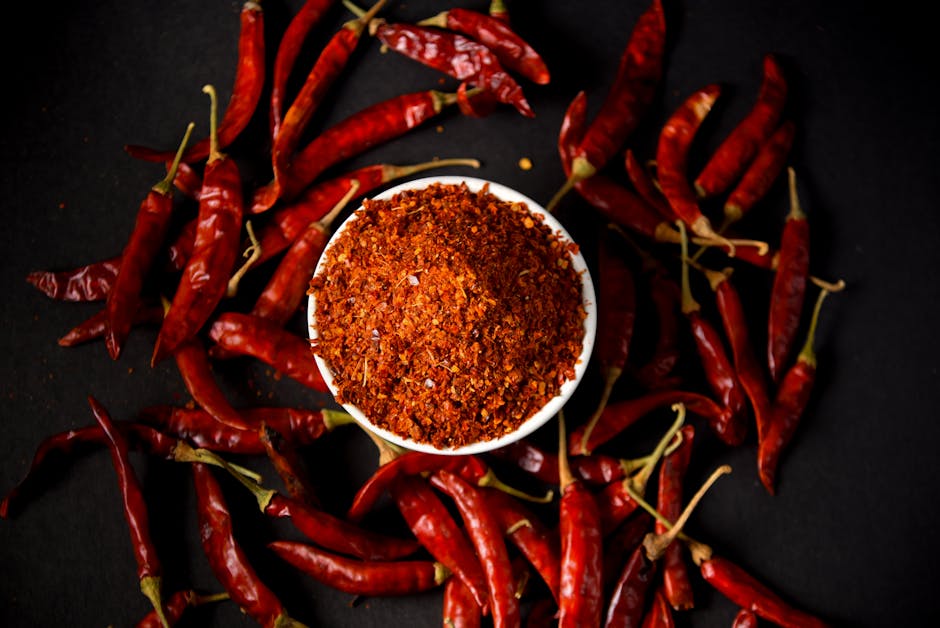
Did You Know The World’s Hottest Chili Can Kill You?

Did You Know The World’s Hottest Chili Can Kill You?

⏱️ 5 min read

The pursuit of extreme heat has become something of a culinary arms race, with pepper breeders constantly pushing the boundaries of capsaicin concentration. While most people enjoy a bit of spice in their food, the world's hottest chilies have reached levels that transcend culinary experience and enter the realm of genuine danger. These super-hot peppers aren't just uncomfortable—they can actually pose serious health risks, and in extreme circumstances, potentially fatal consequences.

The Science Behind Extreme Heat

Capsaicin, the compound responsible for the burning sensation in chili peppers, triggers pain receptors in the human body. The Scoville Heat Unit (SHU) scale measures the concentration of capsaicin, with bell peppers rating zero and jalapeños ranging from 2,500 to 8,000 SHU. However, the world's hottest peppers have shattered these modest numbers, with some varieties exceeding 2 million SHU.

When capsaicin enters the body, it binds to pain receptors called TRPV1, which normally detect heat and physical abrasion. This binding tricks the nervous system into perceiving burning sensations even though no actual tissue damage is occurring—at least not initially. At extreme concentrations, however, capsaicin can cause real physiological damage beyond mere discomfort.

Current Record Holders in the Heat Race

Pepper X currently holds the unofficial title as the world's hottest chili pepper, measuring an astounding 2.69 million SHU. Created by Ed Currie, the same breeder who developed the Carolina Reaper, Pepper X represents the cutting edge of capsaicin concentration. The Carolina Reaper, which held the Guinness World Record from 2013 to 2023, averages 1.64 million SHU, with some individual peppers reaching over 2.2 million SHU.

Other contenders in this extreme heat category include the Trinidad Moruga Scorpion, the 7 Pot Douglah, and the Komodo Dragon pepper. Each of these varieties can produce effects far beyond what most people consider edible, causing immediate and severe reactions even in small quantities.

How Super-Hot Peppers Can Harm You

The dangers of consuming extremely hot peppers extend well beyond the intense burning sensation in the mouth and throat. Medical literature has documented numerous cases of serious health complications resulting from super-hot pepper consumption.

Cardiovascular Complications

One of the most serious risks involves cardiovascular effects. In 2018, medical journals reported a case of a man who developed reversible cerebral vasoconstriction syndrome (RCVS) after consuming a Carolina Reaper pepper during a hot pepper contest. RCVS causes the arteries in the brain to narrow suddenly, leading to thunderclap headaches and potentially stroke. The patient experienced severe neck pain and crushing headaches lasting several days, requiring hospitalization and medical imaging to rule out life-threatening bleeding in the brain.

Respiratory Distress

Inhaling capsaicin particles or experiencing extreme reactions can trigger severe respiratory issues. Capsaicin can cause bronchospasm, where the airways constrict dramatically, making breathing difficult or impossible. This is particularly dangerous for individuals with asthma or other respiratory conditions. Emergency rooms have treated patients experiencing anaphylaxis-like symptoms after consuming ultra-hot peppers, requiring immediate medical intervention.

Gastrointestinal Damage

The digestive system bears the brunt of super-hot pepper consumption. Beyond the expected stomach pain and cramping, extreme capsaicin exposure can cause:

  • Severe vomiting and nausea lasting hours
  • Esophageal tears from violent retching
  • Gastritis and inflammation of the stomach lining
  • Peptic ulcer aggravation
  • Intense abdominal cramping and diarrhea

In rare cases, the esophageal damage can be severe enough to require surgical intervention, particularly if perforation occurs.

The Allergic Response and Anaphylaxis Risk

While rare, some individuals can develop allergic reactions to capsaicin itself. This can manifest as contact dermatitis when handling peppers, or more seriously, as anaphylactic shock when consumed. The combination of extreme heat and allergic response can create a medical emergency requiring epinephrine administration and immediate hospitalization.

Real Cases of Near-Fatal Experiences

Beyond theoretical risks, documented cases highlight the genuine danger of super-hot peppers. In 2016, a man in California required emergency treatment after eating a ghost pepper burger, experiencing violent vomiting that tore a hole in his esophagus—a condition called Boerhaave syndrome that can be fatal without immediate surgical repair.

Multiple cases of people collapsing during hot pepper eating contests have been reported, with participants experiencing seizure-like symptoms, loss of consciousness, and extreme blood pressure fluctuations. Some contestants have required hospitalization for days following such events.

Who Is Most at Risk?

Certain populations face elevated risks when consuming extremely hot peppers. Individuals with pre-existing cardiovascular conditions, high blood pressure, or heart disease should absolutely avoid ultra-hot peppers. Those with gastrointestinal disorders, including inflammatory bowel disease, GERD, or ulcers, can experience severe complications. Children and elderly individuals may also be more susceptible to adverse effects due to their relatively sensitive systems.

Can a Chili Pepper Actually Kill You?

While death directly attributable to eating a hot pepper is extraordinarily rare, the answer is technically yes—extreme pepper consumption could potentially be fatal under the right circumstances. The most likely fatal scenarios would involve severe allergic reactions, cardiovascular events in predisposed individuals, or complications from esophageal perforation leading to sepsis.

The lethal dose of pure capsaicin for humans is estimated at around 13 grams per kilogram of body weight for a 50% mortality rate. For an average adult, this would require consuming several pounds of the world's hottest peppers in a short time—an unlikely scenario. However, the indirect consequences of consuming even a single super-hot pepper can create life-threatening emergencies.

Safety Precautions for Heat Seekers

For those still tempted to test their limits with super-hot peppers, taking precautions is essential. Never consume ultra-hot peppers on an empty stomach, always have dairy products readily available (capsaicin is fat-soluble, making milk more effective than water), and never participate in eating contests involving extreme peppers. Understanding personal health limitations and recognizing when to seek medical attention can prevent serious complications from becoming life-threatening emergencies.