
⏱️ 5 min read
Throughout history, some of the most profound and moving works of art have emerged from the most harrowing circumstances imaginable. When artists face extreme conditions—whether imprisonment, war, poverty, or natural disasters—their creative output often takes on extraordinary depth and significance. These works serve not only as artistic achievements but also as historical documents, testaments to human resilience, and powerful statements about the indomitable nature of creative expression.
Art Born from Political Imprisonment and Oppression
Political prisoners have created some of the most poignant artworks in history, often using whatever materials they could access within their confinement. During the Vietnam War, American prisoners of war created intricate needlework and drawings using threads pulled from their uniforms and makeshift tools fashioned from debris. These works provided psychological relief and maintained their connection to creative expression during years of isolation and torture.
Chilean artist Guillermo Núñez continued creating art while imprisoned during Augusto Pinochet’s dictatorship in the 1970s. Despite the brutal conditions and limited access to materials, he produced drawings and paintings that documented the suffering around him. His work smuggled out of prison became crucial evidence of human rights violations and inspired international attention to the plight of political prisoners in Chile.
Perhaps most notably, prisoners in Nazi concentration camps created art under the most unimaginable circumstances. Despite the constant threat of death and the complete deprivation of basic necessities, artists like Friedl Dicker-Brandeis taught art classes to children in Theresienstadt, helping preserve over 4,000 drawings before her death in Auschwitz. These works now serve as invaluable historical records and deeply moving tributes to lives cut short.
Creative Expression During Wartime
War zones have paradoxically produced remarkable artistic output despite the chaos and destruction surrounding their creators. The siege of Sarajevo from 1992 to 1996 witnessed an extraordinary flourishing of underground art and culture. Musicians performed in bombed-out buildings, artists created installations from war debris, and the Sarajevo Film Festival was founded in 1995 while the city remained under siege. These creative acts became forms of resistance, asserting humanity and normalcy in the face of systematic dehumanization.
During World War I, soldiers in the trenches created “trench art”—sculptures and decorative objects fashioned from spent shell casings, bullets, and other war materials. These items ranged from simple rings to elaborate vases and served as both therapeutic activities and mementos. Some pieces were surprisingly sophisticated, demonstrating that even in the muddy, rat-infested trenches, the urge to create beauty persisted.
War correspondent and artist Edward Ardizzone documented World War II through sketches and watercolors created in combat zones. Working under dangerous conditions with limited supplies, he captured scenes of battle, military life, and civilian suffering. His works provide a unique artistic perspective on the war, complementing photographic documentation with the interpretive quality of hand-rendered art.
Artistic Creation in Extreme Environmental Conditions
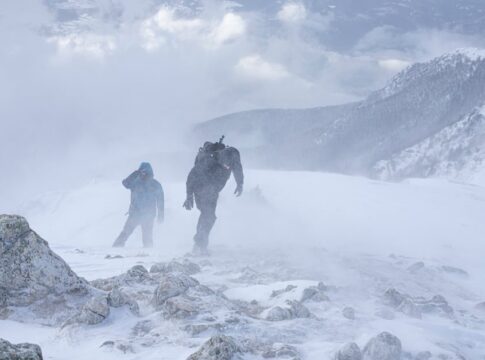
Some artists have deliberately sought out extreme environments to push the boundaries of both their physical endurance and creative capabilities. Antarctic expeditions have included artists-in-residence who work in temperatures that can drop below -50 degrees Celsius, where paint freezes and paper becomes brittle. These artists must adapt their techniques and materials to function in conditions that challenge the basic properties of their media.
British artist David Buckland founded the Cape Farewell project, which takes artists on expeditions to the Arctic to create work addressing climate change. These artists work from small boats in freezing conditions, documenting rapidly melting glaciers and changing ecosystems. The extreme environment becomes both subject matter and collaborator in the creative process, forcing artists to respond immediately to their surroundings with numbed fingers and limited time windows when conditions permit outdoor work.
Art Created During Natural Disasters and Aftermath
Natural disasters often inspire immediate artistic responses from those affected. Following Hurricane Katrina in 2005, New Orleans residents created spontaneous memorials and artworks from debris, marking high-water lines on buildings and transforming destroyed homes into canvases for collective grief and resilience. Artist Willie Birch remained in the city during the evacuation period, creating drawings and collages that documented the abandoned landscape.
The 2011 earthquake and tsunami in Japan prompted numerous artistic responses from survivors. Artists working in temporary shelters with minimal supplies created works that processed trauma and loss while maintaining cultural continuity. These pieces often incorporated debris from destroyed homes and possessions, transforming remnants of catastrophe into objects of reflection and memorial.
The Psychological and Physical Challenges of Extreme Creation
Creating art under extreme conditions presents unique challenges beyond simple material scarcity. Artists often face:
- Physical exhaustion and malnutrition that compromise fine motor skills and concentration
- Psychological trauma that both informs and complicates the creative process
- The need to work in secrecy or face severe punishment
- Limited time windows when creation is possible
- The necessity of improvising with unconventional or forbidden materials
- Environmental factors such as extreme temperatures, humidity, or lack of light
The Lasting Impact and Historical Significance
Art created under extreme conditions holds particular historical and cultural value. These works provide unique insights into human experiences that might otherwise go undocumented or be recorded only through official accounts. They serve as primary sources for historians, evidence for human rights organizations, and educational tools for future generations.
Museums and institutions worldwide now actively collect and preserve art created under extreme conditions, recognizing both its artistic merit and historical importance. The U.S. Holocaust Memorial Museum, the Imperial War Museum, and numerous other institutions maintain extensive collections of art created during imprisonment, war, and persecution.
The existence of these works demonstrates that creative expression represents a fundamental human need that persists even when survival itself is threatened. They remind us that art is not merely decorative or entertainment but a vital form of communication, resistance, documentation, and ultimately, survival. These extraordinary works continue to inspire contemporary artists and audiences, proving that the human creative spirit can flourish even in the darkest circumstances.