










1 / 10 Questions
0 Points

How Many Dimples Cover A Regulation Golf Ball?

100-200

600-800

300-500

50-100

Points won
0
Correct score
0%

More Quizzes

More Articles

20 Fun Facts About Game of Thrones

20 Fun Facts About Game of Thrones

⏱️ 6 min read

Game of Thrones captivated millions of viewers worldwide during its eight-season run, becoming one of the most talked-about television series in history. Beyond the dragons, political intrigue, and shocking character deaths, the show's production involved fascinating behind-the-scenes stories, surprising casting decisions, and incredible feats of filmmaking that many fans never knew about. These remarkable details reveal just how much effort went into bringing George R.R. Martin's fantasy world to life on screen.

Behind-the-Scenes Secrets and Production Trivia

1. The Pilot Episode Was Completely Reshot

HBO executives were so dissatisfied with the original pilot that they invested millions to reshoot approximately 90% of it. The initial version featured different actors in key roles, including Tamzin Merchant as Daenerys Targaryen and a different actress as Catelyn Stark. Test audiences found the pilot confusing, prompting the extensive overhaul that eventually launched the successful series.

2. George R.R. Martin's Cameo Was Cut

The author of the original book series was supposed to appear in a scene during a Daenerys wedding sequence. However, his cameo ended up on the cutting room floor and never made it to the final version. Martin took the exclusion in stride, joking about his brief and unsuccessful acting career.

3. The Iron Throne Looks Different Than Described

In George R.R. Martin's books, the Iron Throne is described as a massive, asymmetrical monstrosity made from thousands of swords, so large and dangerous that kings regularly cut themselves on it. The television version is significantly smaller and more practical for filming purposes, though still iconic in its own right.

4. Dothraki and Valyrian Are Real Constructed Languages

Linguist David J. Peterson created fully functional languages for the show, complete with grammar rules and extensive vocabularies. Dothraki contains over 3,000 words, while High Valyrian has its own complex structure. Actors had to learn proper pronunciation and grammar to deliver their lines convincingly.

5. The Show Filmed Across Four Continents

Production spanned locations in Northern Ireland, Croatia, Iceland, Spain, Morocco, Malta, Scotland, and the United States. The variety of filming locations helped create the diverse landscapes of Westeros and Essos, from the frozen lands beyond the Wall to the sun-drenched cities of Slaver's Bay.

Casting Revelations and Actor Experiences

6. Sean Bean Knew Ned Stark's Fate From the Beginning

Unlike shocked viewers, Sean Bean was fully aware his character would die at the end of season one when he accepted the role. This knowledge didn't diminish the impact of his performance or the audience's reaction to one of television's most shocking character deaths.

7. Peter Dinklage Was the First Choice for Tyrion

The showrunners wrote the role with Peter Dinklage specifically in mind and refused to cast anyone else. They waited until he agreed to take the part, believing no other actor could capture Tyrion's wit, intelligence, and complexity as perfectly.

8. The Child Actors Grew Up Significantly During Filming

The series took eight years to complete, meaning young actors like Maisie Williams, Sophie Turner, and Isaac Hempstead Wright transformed from children into adults on screen. This aging sometimes created continuity challenges, as book timelines moved more slowly than real life.

9. Emilia Clarke Suffered Two Life-Threatening Aneurysms

During the show's run, Emilia Clarke experienced two brain aneurysms that required emergency surgery. She continued filming between and after these medical crises, with few people on set aware of her health struggles. Her perseverance allowed her to complete the series as one of its central characters.

10. Kit Harington and Rose Leslie's On-Screen Romance Became Real

The actors who played Jon Snow and Ygritte fell in love while filming their characters' relationship in Iceland. They eventually married in 2018, with several cast members attending their wedding celebration in Scotland.

Production Challenges and Technical Achievements

11. The Battle of the Bastards Required 25 Days of Filming

This epic season six battle sequence took nearly a month to film and involved 500 extras, 65 horses, and 70 crew members. Director Miguel Sapochnik used techniques inspired by historical war paintings to create some of the most visceral and acclaimed battle scenes in television history.

12. Real Wolves Were Too Friendly to Play Direwolves

The production team discovered that actual wolves were too domesticated and small to convincingly portray the massive direwolves described in the books. They used Northern Inuit dogs instead, with CGI enhancement to make them appear larger and more imposing.

13. The Show's Budget Increased Dramatically Over Time

Early seasons operated on budgets of approximately $6 million per episode, while final season episodes cost upward of $15 million each. This increased funding allowed for more elaborate special effects, larger battle sequences, and more ambitious storytelling.

14. Creating Dragon Effects Required Extensive Motion Capture

The dragons weren't purely digital creations; animators studied eagles, bats, and lizards to create realistic movement patterns. Emilia Clarke often performed scenes with tennis balls on sticks, requiring her to imagine the massive creatures that would be added in post-production.

Cultural Impact and Records

15. The Series Holds the Record for Most Emmy Wins

Game of Thrones won 59 Emmy Awards throughout its run, more than any other drama series or comedy series in television history. The show received recognition for acting, directing, writing, visual effects, and numerous technical categories.

16. Tourism Increased Dramatically in Filming Locations

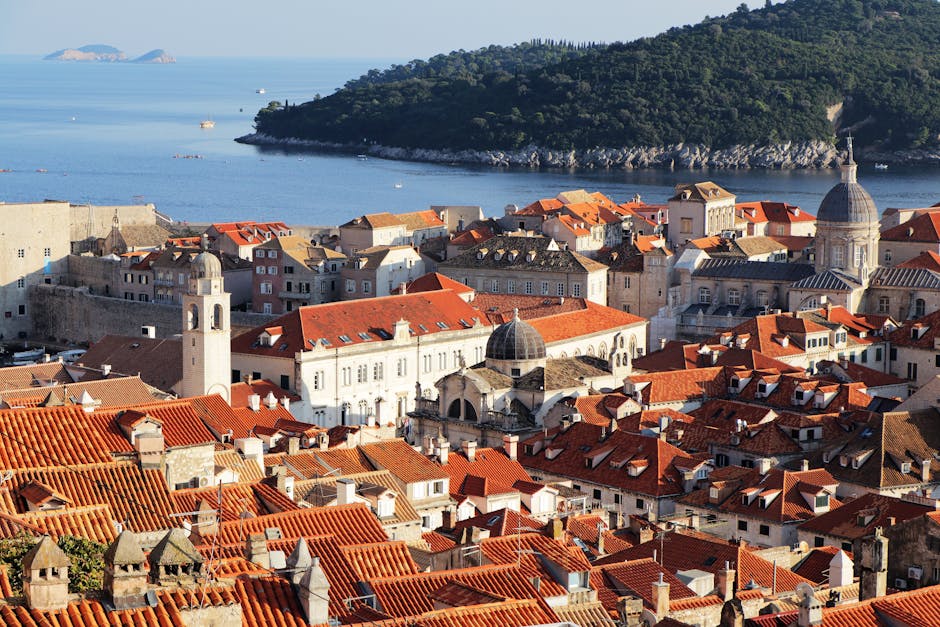
Cities like Dubrovnik, Croatia, experienced such significant tourism increases that local governments had to implement visitor limits. The economic impact of Game of Thrones tourism continues to benefit these locations years after filming concluded.

17. The Final Season Broke Piracy Records

Despite HBO's efforts to prevent illegal downloads, the final season became the most pirated television show in history, with individual episodes downloaded illegally tens of millions of times within days of airing. This piracy paradoxically demonstrated the show's unprecedented global popularity.

18. Cast Members Took Memorable Souvenirs

As filming concluded, actors took home props and costumes as mementos. Lena Headey kept one of Cersei's costumes, while Emilia Clarke took one of Daenerys's dragon eggs. Kit Harington was allowed to keep Jon Snow's iconic sword, Longclaw.

Literary and Creative Decisions

19. The Show Overtook the Books

Around season five, the television series surpassed George R.R. Martin's published novels, forcing the showrunners to create an ending without complete source material. Martin shared his intended conclusion with the producers, but significant differences exist between the show's finale and his planned book ending.

20. A Secret Code Protected Script Secrets

To prevent leaks, scripts were watermarked, numbered, and sometimes contained false information. Actors received pages on colored paper that would be collected after table reads, and major plot points were sometimes kept secret from the cast until absolutely necessary for filming.

Conclusion

These twenty fascinating facts demonstrate the extraordinary effort, creativity, and dedication required to produce Game of Thrones. From completely reshooting the pilot to creating entirely new languages, from managing unprecedented production budgets to filming across multiple continents, the series pushed the boundaries of television production. The show's impact extended beyond entertainment, influencing tourism, setting Emmy records, and creating cultural moments that united viewers worldwide. Whether through technical innovations, casting decisions, or the personal sacrifices of its talented cast and crew, Game of Thrones earned its place as one of television's most ambitious and memorable achievements. These behind-the-scenes stories add another layer of appreciation for fans who witnessed this groundbreaking series unfold over eight unforgettable seasons.

Why Octopuses Have Three Hearts and Blue Blood

Why Octopuses Have Three Hearts and Blue Blood

Why Octopuses Have Three Hearts and Blue Blood

By Trivia Daily, Animals Desk — Published July 26, 2026

Table of Contents

Beneath the ocean's surface swims one of nature's most alien creatures. The octopus doesn't just look otherworldly—its internal biology is equally bizarre. While humans pump red blood through a single four-chambered heart, octopuses three hearts circulate blue blood through their soft, boneless bodies. This isn't science fiction. It's an evolutionary solution to the unique challenges of living in cold, oxygen-poor ocean depths.

The octopus cardiovascular system represents millions of years of adaptation to marine life. These remarkable creatures evolved a circulation strategy that would seem excessive in most animals but proves essential for their survival and hunting behavior in underwater habitats.

Key Takeaways

  • Octopuses possess three hearts: two branchial hearts pump blood through the gills, while one systemic heart circulates it to the rest of the body.
  • Their blood is blue because it contains hemocyanin, a copper-based molecule that transports oxygen more efficiently than hemoglobin in cold, low-oxygen environments.
  • The systemic heart stops beating when an octopus swims, which is why these creatures prefer crawling along the ocean floor to conserve energy.
  • Hemocyanin makes octopus blood roughly 40% less efficient at oxygen transport than human blood in warm conditions, but superior in frigid ocean waters.
  • This three-heart system supports the octopus's active predator lifestyle and high metabolism despite living in challenging marine conditions.
  • Several other marine species, including squid and some snails, also evolved copper-based blue blood independently.

How the Three-Heart System Works in Octopuses

The octopus circulatory system divides labor in a way no mammal does. Two peripheral hearts, called branchial hearts, sit near the gills. Each branchial heart receives deoxygenated blood from the body and pumps it through the gill tissue, where it picks up oxygen from seawater. This dedicated gill-pumping system ensures efficient gas exchange in an environment where oxygen is scarce.

The third heart—the systemic heart—takes over from there. It receives freshly oxygenated blood from both gills and pumps it throughout the animal's body, delivering oxygen to muscles, organs, and the remarkably complex nervous system. This central heart has three chambers, unlike the two-chambered branchial hearts.

Here's the catch: when an octopus swims by jet propulsion, squirting water through its siphon, the systemic heart stops beating. Swimming exhausts these creatures quickly because their body must function on reduced oxygen delivery. That's why octopuses prefer to crawl along rocks and coral using their eight arms. Walking is simply more energy-efficient than swimming for an animal with this particular cardiovascular setup.

The Science Behind Blue Blood

Octopus blood looks like it belongs in a science fiction film, and the chemistry is equally fascinating. Instead of iron-based hemoglobin that makes human blood red, octopuses use hemocyanin, a copper-containing protein that turns blue when oxygenated. This isn't merely a cosmetic difference—it's a fundamental adaptation to marine life.

Hemocyanin dissolves directly in blood plasma rather than being contained in cells like hemoglobin. In cold water with low oxygen levels, copper-based hemocyanin binds and releases oxygen more effectively than iron-based alternatives. The copper atoms in hemocyanin create a molecular structure particularly suited to the temperature and pressure conditions found in ocean habitats.

The trade-off? Hemocyanin carries less oxygen per volume than hemoglobin in warm environments. An octopus transplanted to tropical surface waters would struggle more than one living in its natural cold-water habitat. Evolution shaped this blood chemistry for specific environmental conditions, not versatility.

Comparing Cardiovascular Systems Across Species

Animal Number of Hearts Blood Color Oxygen Carrier
Octopus 3 Blue Hemocyanin (copper-based)
Human 1 Red Hemoglobin (iron-based)
Earthworm 5 Red Hemoglobin (iron-based)
Squid 3 Blue Hemocyanin (copper-based)
Horseshoe Crab 1 Blue Hemocyanin (copper-based)

Why This System Evolved

Natural selection doesn't create perfect organisms—it creates organisms well-suited to their specific environments. The octopus three-heart system emerged as a solution to several interconnected challenges.

First, octopuses lack bones and rigid structures. Their soft bodies can squeeze through impossibly small openings, but this flexibility comes at a cost. Without a skeleton to anchor against, circulating blood efficiently requires extra pumping power. The branchial hearts provide that boost right where it's needed most—at the gills.

Second, these creatures are active predators with high metabolic demands. They hunt crabs, clams, and fish, requiring quick movements and considerable intelligence. That brain power and muscle activity demand substantial oxygen delivery. The three-heart system, combined with copper-based blood optimized for cold water, meets those needs.

Third, ocean water contains far less dissolved oxygen than air. While air is roughly 21% oxygen, seawater holds only about 1% dissolved oxygen by volume. Extracting enough oxygen from this thin supply requires specialized adaptations. The dedicated gill hearts ensure maximum extraction efficiency.

Other Creatures With Unusual Blood

Octopuses aren't alone in their blue-blooded nature. Many mollusks and arthropods independently evolved hemocyanin-based blood. Squid, cuttlefish, and most other cephalopods share this trait with their eight-armed cousins. Horseshoe crabs, despite being more closely related to spiders than crabs, also pump blue hemocyanin through their bodies.

Some marine worms take blood chemistry in yet another direction. Ice fish living in Antarctic waters have completely transparent blood with no oxygen-carrying pigments at all. They absorb oxygen directly through their skin and dissolved in their plasma—a strategy that only works in the extremely cold, oxygen-rich Antarctic Ocean.

Even among vertebrates, blood color varies. Some species of skinks in New Guinea have green blood due to high concentrations of biliverdin, a bile pigment. The adaptive advantage remains unclear, though researchers suspect it may provide protection against parasites.

Frequently Asked Questions

Do all octopuses have three hearts?

Yes, all octopus species possess three hearts as a fundamental feature of their anatomy. This cardiovascular structure is shared across all members of the octopus family and is essential to their survival in marine environments.

Can octopuses survive if one heart stops working?

An octopus likely cannot survive the loss of any of its three hearts. The branchial hearts are essential for oxygenating blood through the gills, and the systemic heart is necessary for distributing that oxygenated blood throughout the body.

Are there any land animals with blue blood?

No land animals have blue hemocyanin-based blood. Copper-based blood is found exclusively in certain marine and aquatic species, as it evolved specifically as an adaptation to cold, low-oxygen underwater environments where it outperforms iron-based hemoglobin.

Why don't humans have multiple hearts?

Humans evolved a single, powerful four-chambered heart that efficiently pumps blood throughout the body, which suits our terrestrial lifestyle and warm-blooded metabolism. Our rigid skeleton and oxygen-rich air environment don't require the specialized multi-heart system that benefits soft-bodied marine creatures.

The octopus reminds us that evolution produces countless solutions to life's challenges. What seems bizarre from our perspective—three hearts, blue blood, a brain that stops one heart during swimming—makes perfect sense in the cold ocean depths. Next time you see an octopus gliding across an aquarium floor rather than swimming, you'll know why: it's giving that systemic heart a chance to keep beating.