











1 / 10 Questions
0 Points

In Which Year Did Truman Desegregate The Military?

1952

1945

1954

1948

Points won
0
Correct score
0%

More Quizzes

More Articles

How Food Preservation Changed Civilization

How Food Preservation Changed Civilization

⏱️ 5 min read

The ability to preserve food represents one of humanity's most transformative innovations, fundamentally altering the trajectory of human civilization. Before developing preservation techniques, early humans lived as nomadic hunter-gatherers, constantly moving to follow seasonal food sources and game migrations. The discovery and refinement of various preservation methods allowed societies to store surplus food, settle in permanent locations, and build the complex civilizations that would eventually span the globe.

The Dawn of Sedentary Life and Agriculture

Food preservation created the foundation for settled agricultural communities. When humans learned to dry meat, fish, and wild grains, they could remain in one location for extended periods. This stability encouraged the development of agriculture around 10,000 BCE, as communities realized they could plant crops, preserve the harvest, and sustain themselves year-round without constant migration.

The first preservation techniques were remarkably simple yet revolutionary. Sun-drying and wind-drying removed moisture from foods, preventing bacterial growth and spoilage. Archaeological evidence from ancient Mesopotamia and Egypt shows that these civilizations dried fruits, vegetables, fish, and meat as early as 12,000 BCE. This allowed them to survive lean seasons and build permanent settlements along fertile river valleys.

Salt: The White Gold of Ancient Commerce

Salt emerged as one of the most valuable commodities in human history, primarily because of its preservation properties. Salting and brining techniques enabled communities to preserve meat and fish for months or even years. This discovery had profound economic and social implications that rippled through ancient civilizations.

The salt trade routes that developed across Africa, Asia, and Europe became arteries of commerce and cultural exchange. Cities grew around salt deposits, and empires controlled salt production as a source of wealth and power. The Roman Empire paid soldiers partly in salt, giving rise to the word "salary." Wars were fought over salt mines, and taxation of salt became a significant revenue source for governments throughout history.

Trading Networks and Economic Development

Food preservation enabled long-distance trade on an unprecedented scale. Preserved foods could survive weeks or months of transport by caravan or ship, allowing merchants to establish trade routes connecting distant civilizations. Dried fish from Scandinavia reached Mediterranean markets, Asian spices traveled to European tables, and preserved meats fed armies on lengthy military campaigns.

Population Growth and Urban Centers

The ability to stockpile food directly fueled population expansion and urbanization. Cities could only exist when surrounding agricultural areas could produce and preserve enough surplus food to feed non-farming urban populations. Craftspeople, merchants, administrators, and scholars could dedicate themselves to specialized professions because preserved food ensured their sustenance.

Ancient Rome, at its height, depended on preserved foods shipped from across the empire. Grain stored in massive warehouses fed the urban population, while salted fish, preserved olives, and dried fruits supplemented diets. Without preservation techniques, maintaining a city of over one million inhabitants would have been impossible.

Fermentation: A Biological Revolution

Fermentation represents another crucial preservation breakthrough that shaped civilization. While the exact origins remain unclear, humans have practiced fermentation for at least 10,000 years. This process not only preserved foods but often enhanced their nutritional value and created entirely new food products.

Different cultures developed distinctive fermented foods that became dietary staples:

  • Bread and beer in ancient Egypt and Mesopotamia
  • Wine and cheese throughout the Mediterranean
  • Soy sauce, miso, and kimchi in East Asia
  • Yogurt and kefir in Central Asia and Eastern Europe
  • Sauerkraut in Central Europe

These fermented foods provided reliable nutrition during winter months and food shortages, contributing to survival rates and population stability. The alcohol produced through fermentation also provided safer drinking options than contaminated water sources, reducing disease transmission in densely populated areas.

Military Campaigns and Empire Building

Food preservation proved decisive in military history and empire expansion. Armies could only travel as far as their food supplies allowed. Preserved rations—dried meat, hardtack, salted fish, and pickled vegetables—enabled military campaigns lasting months or years far from supply bases.

Napoleon Bonaparte famously stated that armies march on their stomachs, leading him to offer a substantial prize for improved food preservation methods. This challenge resulted in Nicolas Appert developing canning techniques in 1809, revolutionizing military logistics and eventually transforming civilian food consumption patterns worldwide.

Seasonal Independence and Nutritional Security

Before preservation methods, human diets varied dramatically with seasons. Winter brought scarcity and malnutrition for communities in temperate and cold climates. Preservation techniques smoothed out these seasonal fluctuations, providing more consistent nutrition throughout the year and reducing mortality rates from starvation.

Preserved foods also enabled survival during droughts, floods, and crop failures. Civilizations that developed sophisticated storage and preservation systems demonstrated greater resilience against environmental challenges. Ancient China's elaborate granary system, for instance, helped stabilize society during famines and allowed the government to regulate food prices.

The Scientific Understanding and Industrial Revolution

The nineteenth century brought scientific understanding of why preservation worked, as Louis Pasteur identified microorganisms responsible for spoilage. This knowledge led to pasteurization, improved canning techniques, and eventually refrigeration technology. These industrial-age innovations further transformed society, enabling global food distribution networks and contributing to the modern supermarket era.

Food preservation technology continues evolving today with freeze-drying, vacuum packaging, and controlled atmosphere storage. These methods support global food security, reduce waste, and allow diverse diets regardless of location or season. The fundamental impact remains unchanged: food preservation enables human civilization to flourish by providing security, stability, and freedom from constant food-gathering activities, allowing societies to develop culture, technology, and knowledge that define human progress.
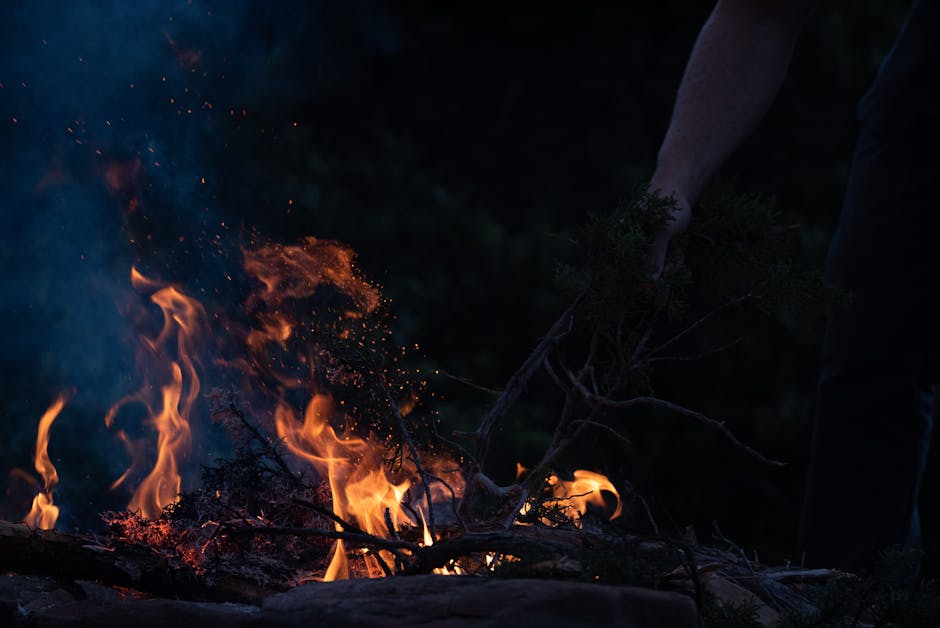
7 Survival Mistakes That Get People Killed

7 Survival Mistakes That Get People Killed

⏱️ 7 min read

When facing life-threatening situations in the wilderness or during emergencies, the difference between survival and tragedy often comes down to critical decisions made under pressure. While many people believe they would instinctively know what to do in a crisis, statistics show that even experienced outdoors enthusiasts can fall victim to preventable errors. Understanding the most common and deadly mistakes can mean the difference between making it home safely and becoming another cautionary tale. These errors aren't just limited to extreme adventurers—they can affect anyone who finds themselves in an unexpected survival situation.

Common Fatal Errors in Survival Situations

1. Panicking and Abandoning Your Vehicle or Shelter

One of the most lethal mistakes people make is leaving a vehicle or established shelter in search of help. When someone becomes stranded, whether due to a car breakdown in remote areas or getting lost while hiking, the instinct to "find civilization" can be overwhelming. However, abandoning a vehicle removes your most visible landmark for rescue teams and forces you to expend precious energy and resources.

Vehicles provide crucial advantages: shelter from elements, a large reflective surface visible from aircraft, storage space with potential supplies, mirrors for signaling, and a known location if you informed anyone of your route. Search and rescue teams consistently report that finding abandoned vehicles is far easier than locating individuals wandering through wilderness. The person who stays with their vehicle has a significantly higher survival rate than those who strike out on foot, particularly in harsh weather conditions or unfamiliar terrain.

2. Failing to Prioritize Water Procurement

Dehydration kills faster than starvation, yet many survival situations turn fatal because individuals focus on finding food instead of securing clean water. The human body can survive weeks without food but only three to four days without water—even less in hot climates or when physically active. Without adequate hydration, cognitive function deteriorates rapidly, leading to poor decision-making that compounds the crisis.

The mistake often begins with rationing water too severely or waiting too long to seek new sources. Dehydration symptoms include confusion, weakness, and impaired judgment—exactly the opposite of what's needed in survival situations. Finding, purifying, and consistently drinking water should be among the top priorities after ensuring immediate safety from environmental threats. Even questionable water sources become necessary when properly treated through boiling, filtration, or purification tablets that should be standard in any survival kit.

3. Inadequate Protection from Hypothermia

Exposure to cold temperatures kills more people in survival situations than any other single factor. Hypothermia doesn't require freezing conditions—it can occur in temperatures as high as 50°F (10°C) when combined with wind, rain, or immersion in water. The deadly mistake isn't just being unprepared for cold weather; it's underestimating how quickly body temperature drops and failing to take immediate action.

Many victims make critical errors such as not seeking or building shelter immediately, wearing wet clothing instead of removing it, failing to insulate themselves from the ground, or not creating adequate windbreaks. Cotton clothing, once wet, provides no insulation and actively draws heat away from the body. Survival experts emphasize the rule of threes: you can survive three minutes without air, three hours without shelter in harsh conditions, three days without water, and three weeks without food. Notice that shelter comes before water, underscoring its critical importance in preventing hypothermia.

4. Ignoring the Dangers of Contaminated Water

While finding water is crucial, drinking contaminated water without treatment creates a different deadly scenario. Desperate individuals often consume water from streams, lakes, or other sources without purification, reasoning that immediate thirst outweighs future illness. This mistake can lead to debilitating sickness from bacteria, parasites, or viruses that incapacitate a person when they most need their strength.

Waterborne pathogens like Giardia, Cryptosporidium, and various bacteria cause severe diarrhea and vomiting, which rapidly accelerate dehydration and electrolyte imbalance. In a survival situation without medical care, these conditions can become fatal. Even clear, running water from pristine-looking mountain streams can harbor dangerous microorganisms. The time invested in boiling water for at least one minute (three minutes at higher elevations) or using proper filtration methods is always worthwhile. This precaution maintains physical capability and prevents transforming a survivable situation into a medical emergency.

5. Traveling at Night or in Poor Visibility

Attempting to navigate or travel during darkness or in poor weather conditions leads to numerous preventable deaths each year. Whether motivated by panic, cold, or determination to reach safety quickly, moving when you cannot see clearly dramatically increases the risk of falls, getting further lost, or missing rescue signals. Injuries sustained from falls over cliffs, into ravines, or simply tripping over unseen obstacles can be catastrophic when far from medical help.

Night travel also makes it impossible to leave or follow trail markers, prevents accurate navigation even with a compass, increases energy expenditure as you move more slowly and carefully, makes it easy to walk in circles despite believing you're going straight, and causes you to miss potential water sources, shelter locations, or rescue signals. The professional approach is to establish shelter before darkness falls and wait for daylight to make navigation decisions with full information and visibility.

6. Poor Fire Management and Fire-Starting Failures

Fire provides warmth, water purification, signaling capability, and psychological comfort, yet many people die because they cannot start or maintain a fire when it matters most. The mistakes begin long before the emergency—carrying only one lighter without waterproofing, lacking knowledge of fire-starting alternatives, failing to gather adequate dry tinder and kindling before attempting ignition, or not protecting fire-starting materials from moisture.

Once in a survival situation, people compound these errors by not collecting enough fuel before dark, building fires in poor locations where wind extinguishes them or rain floods them, creating fires too large that consume all fuel too quickly, or positioning fires where smoke cannot be seen by potential rescuers. A survival fire should be sustainable with available fuel, positioned for both warmth and visibility, protected from elements, and maintained throughout the night. Multiple fire-starting methods should always be carried and protected: waterproof matches, lighters, ferrocerium rods, and understanding friction-based techniques as a last resort.

7. Lack of Signaling and Visibility Efforts

Perhaps the most frustrating survival deaths are those where rescue teams were nearby but couldn't locate the victim because of inadequate signaling. People often underestimate how difficult they are to spot from the air or even from a short distance away. The mistake lies in passive survival—simply waiting to be found without actively making oneself visible and detectable.

Effective signaling requires multiple approaches: creating large ground-to-air signals using rocks, branches, or cleared areas in contrast with surroundings; maintaining a signal fire with green branches or rubber to create visible smoke; using mirrors or reflective materials to flash light; creating noise with whistles (which carry much farther than voices and require less energy); wearing or displaying bright-colored materials; and staying in open areas rather than under tree cover when aircraft might be searching. The internationally recognized distress signal is three of anything—three fires, three whistle blasts, three flashes of light—repeated at regular intervals.

Conclusion

Survival situations test human judgment under the worst possible conditions—stress, fear, physical discomfort, and time pressure all work against clear thinking. These seven deadly mistakes represent patterns that emerge repeatedly in survival fatalities, from experienced hikers to stranded motorists. The commonality is that each error is preventable through preparation, knowledge, and disciplined adherence to survival priorities regardless of emotional state. By understanding these critical failures—panicking and abandoning shelter, neglecting water needs, inadequate cold protection, drinking contaminated water, traveling in darkness, poor fire management, and insufficient signaling—anyone venturing into remote areas or facing emergency situations can significantly improve their odds of survival. The key is making these principles automatic through education and practice before they're needed, because when survival depends on the right choice, there's rarely time for trial and error.