







1 / 10 Questions
0 Points

Which kitchen coating was accidentally discovered while researching refrigerant gas?

Microwave technology

Blender blades

Toaster elements

Non-stick coating

Points won
0
Correct score
0%

More Quizzes

More Articles

The Most Unusual Instruments Ever Used in Music

The Most Unusual Instruments Ever Used in Music

⏱️ 5 min read

Throughout history, musicians have pushed the boundaries of sound by incorporating unconventional objects and inventions into their compositions. From everyday household items to bizarre contraptions designed specifically for musical purposes, these unusual instruments have expanded our understanding of what music can be. While traditional instruments like pianos and guitars dominate concert halls, some of the most memorable and innovative sounds in music history have come from the most unexpected sources.

The Theremin: Music Without Touch

Invented by Russian physicist Léon Theremin in 1920, the theremin stands as one of the earliest electronic instruments and certainly one of the strangest. This device produces ethereal, otherworldly sounds without the musician ever touching it. Players manipulate two metal antennas by moving their hands through the electromagnetic fields surrounding them—one antenna controls pitch while the other controls volume. The theremin's haunting sound has been featured in classic science fiction films, Beach Boys recordings, and Led Zeppelin's "Whole Lotta Love." Its difficulty to master and unique sonic character have kept it relatively rare, though it remains a fascinating example of music technology meeting performance art.

The Glass Armonica: Benjamin Franklin's Musical Innovation

Benjamin Franklin wasn't just a founding father and inventor of bifocals—he also created a mesmerizing musical instrument in 1761. The glass armonica consists of glass bowls of different sizes mounted horizontally on a rotating spindle. Musicians wet their fingers and touch the spinning glass to produce clear, bell-like tones. Mozart, Beethoven, and other classical composers wrote pieces specifically for this instrument. The glass armonica's popularity declined in the 19th century partly due to unfounded rumors that its high-pitched frequencies caused madness in players and listeners. Today, only a handful of musicians worldwide have mastered this delicate and hauntingly beautiful instrument.

Everyday Objects Transformed Into Instruments

The Vegetable Orchestra

The Vienna Vegetable Orchestra takes the concept of organic music literally. This Austrian ensemble creates instruments entirely from fresh vegetables purchased on the day of each performance. Carrot flutes, pumpkin drums, leek violins, and cucumber xylophones produce surprisingly sophisticated sounds. After each concert, the remaining vegetables are made into soup for the audience. This innovative approach challenges traditional notions about what constitutes a musical instrument and highlights the acoustic properties hidden in everyday produce.

The Hydraulophone

The hydraulophone represents a unique category of instruments: those played by touching or blocking water jets. Invented by Steve Mann in the early 2000s, this instrument produces sound through water pressure and vibration. Players cover various water jets with their fingers, creating melodic tones through fluid dynamics. Several public installations exist worldwide, allowing anyone to experience making music through water. The hydraulophone demonstrates that musical innovation continues to find new physical mediums for expression.

Industrial and Found Sound Instruments

The Great Stalacpipe Organ

Located in Virginia's Luray Caverns, the Great Stalacpipe Organ is one of the world's largest musical instruments, spanning 3.5 acres. Created by scientist Leland Sprinkle in 1956, this extraordinary instrument uses rubber mallets to gently strike stalactites throughout the cave system, producing bell-like tones. Each stalactite was carefully selected for its pitch, and the instrument took three years to complete. Visitors can hear concerts on this natural lithophone, where the cave itself becomes both instrument and concert hall.

The Singing Tesla Coil

Tesla coils, typically associated with electrical demonstrations, have been modified to produce music through controlled lightning. By modulating the electrical discharge frequency, these high-voltage devices can generate musical tones and even play melodies. The resulting performance combines visual spectacle with electronic music, as purple electrical arcs dance in time with the audio. Groups like ArcAttack have built careers around performing with these electrifying instruments, demonstrating that even dangerous electrical equipment can be harnessed for artistic expression.

Experimental Mechanical Instruments

The Zeusaphone and Plasma Speakers

Building on plasma-based sound generation, engineers have developed various instruments that use ionized gas to produce audio. These devices modulate electrical plasma to create pressure waves in the air, effectively turning electricity into sound without traditional speakers. The technology showcases how sound production need not rely on conventional vibrating surfaces or membranes.

The Sharpsichord

Henry Dagg's Sharpsichord represents modern instrument-making at its most whimsical. This massive wooden construction resembles a cross between a harp and a keyboard, featuring 11,520 moving parts. Strings are plucked by individual mechanisms activated by the keyboard, creating a sound between a harpsichord and a harp. Featured in the film "Paddington 2," this instrument demonstrates that traditional acoustic principles can still yield new and surprising results.

Musical Instruments from Nature

The Subterranean Tree Roots Organ consists of tree roots connected to electronic sensors that translate their bio-electric signals into sound. Artists and scientists have also created instruments using bee sounds, whale song recordings, and even plant electrical activity. These bio-instruments blur the line between natural phenomena and musical composition, suggesting that music exists all around us if we develop the right tools to perceive and amplify it.

The Legacy of Unusual Instruments

These unconventional instruments serve purposes beyond novelty. They challenge our assumptions about music creation, expand the palette of available sounds, and inspire new generations of musicians and inventors. Many experimental instruments eventually influence mainstream music production, with their unique sounds sampled and incorporated into popular recordings. The theremin's influence on electronic music, for instance, cannot be overstated. As technology advances and artists continue seeking new forms of expression, the boundaries of what constitutes a musical instrument will continue to expand, ensuring that the tradition of unusual instruments remains vibrant and relevant.
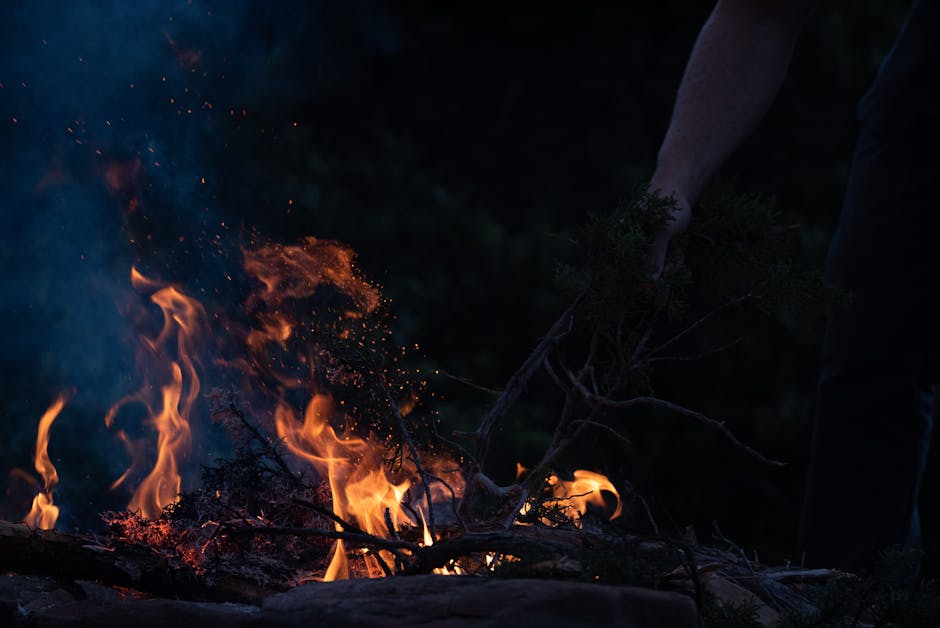
7 Survival Mistakes That Get People Killed

7 Survival Mistakes That Get People Killed

⏱️ 7 min read

When facing life-threatening situations in the wilderness or during emergencies, the difference between survival and tragedy often comes down to critical decisions made under pressure. While many people believe they would instinctively know what to do in a crisis, statistics show that even experienced outdoors enthusiasts can fall victim to preventable errors. Understanding the most common and deadly mistakes can mean the difference between making it home safely and becoming another cautionary tale. These errors aren't just limited to extreme adventurers—they can affect anyone who finds themselves in an unexpected survival situation.

Common Fatal Errors in Survival Situations

1. Panicking and Abandoning Your Vehicle or Shelter

One of the most lethal mistakes people make is leaving a vehicle or established shelter in search of help. When someone becomes stranded, whether due to a car breakdown in remote areas or getting lost while hiking, the instinct to "find civilization" can be overwhelming. However, abandoning a vehicle removes your most visible landmark for rescue teams and forces you to expend precious energy and resources.

Vehicles provide crucial advantages: shelter from elements, a large reflective surface visible from aircraft, storage space with potential supplies, mirrors for signaling, and a known location if you informed anyone of your route. Search and rescue teams consistently report that finding abandoned vehicles is far easier than locating individuals wandering through wilderness. The person who stays with their vehicle has a significantly higher survival rate than those who strike out on foot, particularly in harsh weather conditions or unfamiliar terrain.

2. Failing to Prioritize Water Procurement

Dehydration kills faster than starvation, yet many survival situations turn fatal because individuals focus on finding food instead of securing clean water. The human body can survive weeks without food but only three to four days without water—even less in hot climates or when physically active. Without adequate hydration, cognitive function deteriorates rapidly, leading to poor decision-making that compounds the crisis.

The mistake often begins with rationing water too severely or waiting too long to seek new sources. Dehydration symptoms include confusion, weakness, and impaired judgment—exactly the opposite of what's needed in survival situations. Finding, purifying, and consistently drinking water should be among the top priorities after ensuring immediate safety from environmental threats. Even questionable water sources become necessary when properly treated through boiling, filtration, or purification tablets that should be standard in any survival kit.

3. Inadequate Protection from Hypothermia

Exposure to cold temperatures kills more people in survival situations than any other single factor. Hypothermia doesn't require freezing conditions—it can occur in temperatures as high as 50°F (10°C) when combined with wind, rain, or immersion in water. The deadly mistake isn't just being unprepared for cold weather; it's underestimating how quickly body temperature drops and failing to take immediate action.

Many victims make critical errors such as not seeking or building shelter immediately, wearing wet clothing instead of removing it, failing to insulate themselves from the ground, or not creating adequate windbreaks. Cotton clothing, once wet, provides no insulation and actively draws heat away from the body. Survival experts emphasize the rule of threes: you can survive three minutes without air, three hours without shelter in harsh conditions, three days without water, and three weeks without food. Notice that shelter comes before water, underscoring its critical importance in preventing hypothermia.

4. Ignoring the Dangers of Contaminated Water

While finding water is crucial, drinking contaminated water without treatment creates a different deadly scenario. Desperate individuals often consume water from streams, lakes, or other sources without purification, reasoning that immediate thirst outweighs future illness. This mistake can lead to debilitating sickness from bacteria, parasites, or viruses that incapacitate a person when they most need their strength.

Waterborne pathogens like Giardia, Cryptosporidium, and various bacteria cause severe diarrhea and vomiting, which rapidly accelerate dehydration and electrolyte imbalance. In a survival situation without medical care, these conditions can become fatal. Even clear, running water from pristine-looking mountain streams can harbor dangerous microorganisms. The time invested in boiling water for at least one minute (three minutes at higher elevations) or using proper filtration methods is always worthwhile. This precaution maintains physical capability and prevents transforming a survivable situation into a medical emergency.

5. Traveling at Night or in Poor Visibility

Attempting to navigate or travel during darkness or in poor weather conditions leads to numerous preventable deaths each year. Whether motivated by panic, cold, or determination to reach safety quickly, moving when you cannot see clearly dramatically increases the risk of falls, getting further lost, or missing rescue signals. Injuries sustained from falls over cliffs, into ravines, or simply tripping over unseen obstacles can be catastrophic when far from medical help.

Night travel also makes it impossible to leave or follow trail markers, prevents accurate navigation even with a compass, increases energy expenditure as you move more slowly and carefully, makes it easy to walk in circles despite believing you're going straight, and causes you to miss potential water sources, shelter locations, or rescue signals. The professional approach is to establish shelter before darkness falls and wait for daylight to make navigation decisions with full information and visibility.

6. Poor Fire Management and Fire-Starting Failures

Fire provides warmth, water purification, signaling capability, and psychological comfort, yet many people die because they cannot start or maintain a fire when it matters most. The mistakes begin long before the emergency—carrying only one lighter without waterproofing, lacking knowledge of fire-starting alternatives, failing to gather adequate dry tinder and kindling before attempting ignition, or not protecting fire-starting materials from moisture.

Once in a survival situation, people compound these errors by not collecting enough fuel before dark, building fires in poor locations where wind extinguishes them or rain floods them, creating fires too large that consume all fuel too quickly, or positioning fires where smoke cannot be seen by potential rescuers. A survival fire should be sustainable with available fuel, positioned for both warmth and visibility, protected from elements, and maintained throughout the night. Multiple fire-starting methods should always be carried and protected: waterproof matches, lighters, ferrocerium rods, and understanding friction-based techniques as a last resort.

7. Lack of Signaling and Visibility Efforts

Perhaps the most frustrating survival deaths are those where rescue teams were nearby but couldn't locate the victim because of inadequate signaling. People often underestimate how difficult they are to spot from the air or even from a short distance away. The mistake lies in passive survival—simply waiting to be found without actively making oneself visible and detectable.

Effective signaling requires multiple approaches: creating large ground-to-air signals using rocks, branches, or cleared areas in contrast with surroundings; maintaining a signal fire with green branches or rubber to create visible smoke; using mirrors or reflective materials to flash light; creating noise with whistles (which carry much farther than voices and require less energy); wearing or displaying bright-colored materials; and staying in open areas rather than under tree cover when aircraft might be searching. The internationally recognized distress signal is three of anything—three fires, three whistle blasts, three flashes of light—repeated at regular intervals.

Conclusion

Survival situations test human judgment under the worst possible conditions—stress, fear, physical discomfort, and time pressure all work against clear thinking. These seven deadly mistakes represent patterns that emerge repeatedly in survival fatalities, from experienced hikers to stranded motorists. The commonality is that each error is preventable through preparation, knowledge, and disciplined adherence to survival priorities regardless of emotional state. By understanding these critical failures—panicking and abandoning shelter, neglecting water needs, inadequate cold protection, drinking contaminated water, traveling in darkness, poor fire management, and insufficient signaling—anyone venturing into remote areas or facing emergency situations can significantly improve their odds of survival. The key is making these principles automatic through education and practice before they're needed, because when survival depends on the right choice, there's rarely time for trial and error.